RisingStar
- Home
- About Us
- Products
- News
- Video
- Contact
- Send Inquiry
Search
- Home
- About Us
- Products
- News
- Video
- Contact
- Send Inquiry
RisingStar
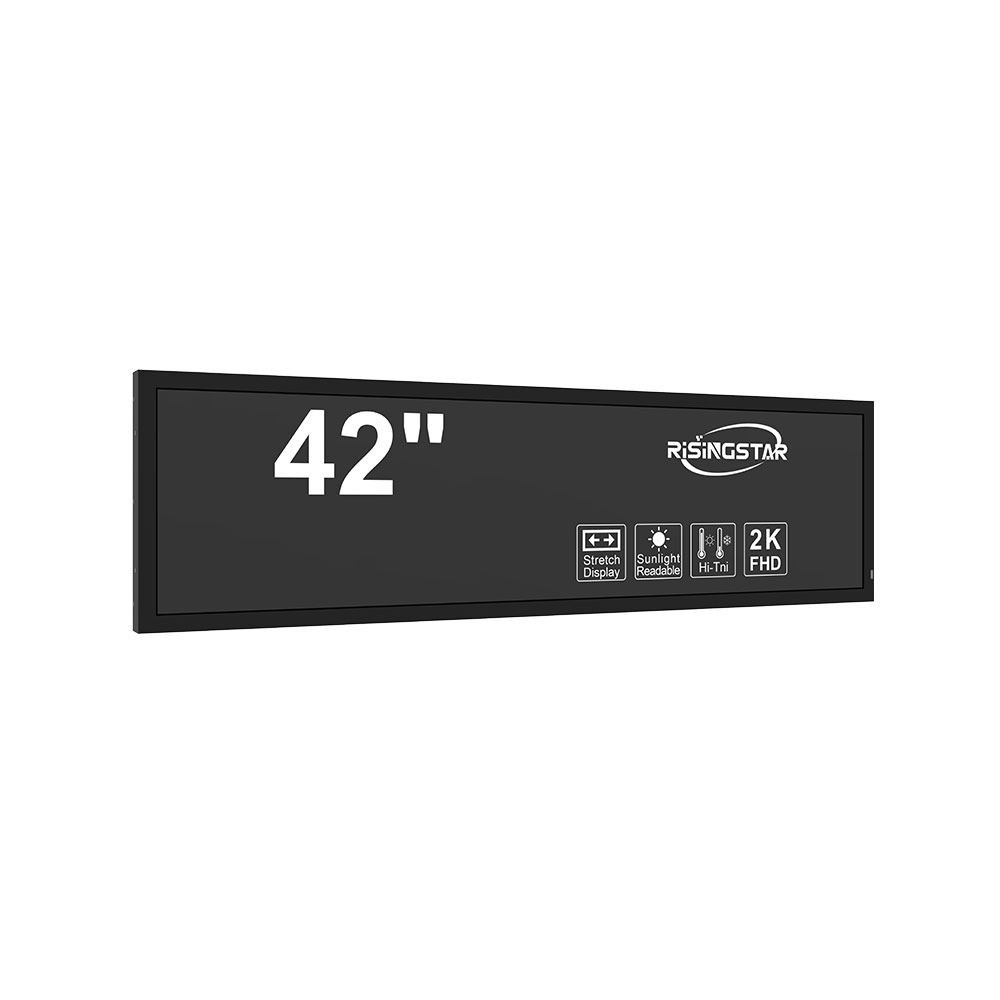
Strip screens—also known as narrow bezel or ultra-thin display modules—are increasingly vital in industrial, military, transportation, and outdoor monitoring applications where visibility under direct sunlight is non-negotiable. These high-brightness LCDs are engineered not just for clarity but also for durability, energy efficiency, and real-time data processing in extreme conditions.
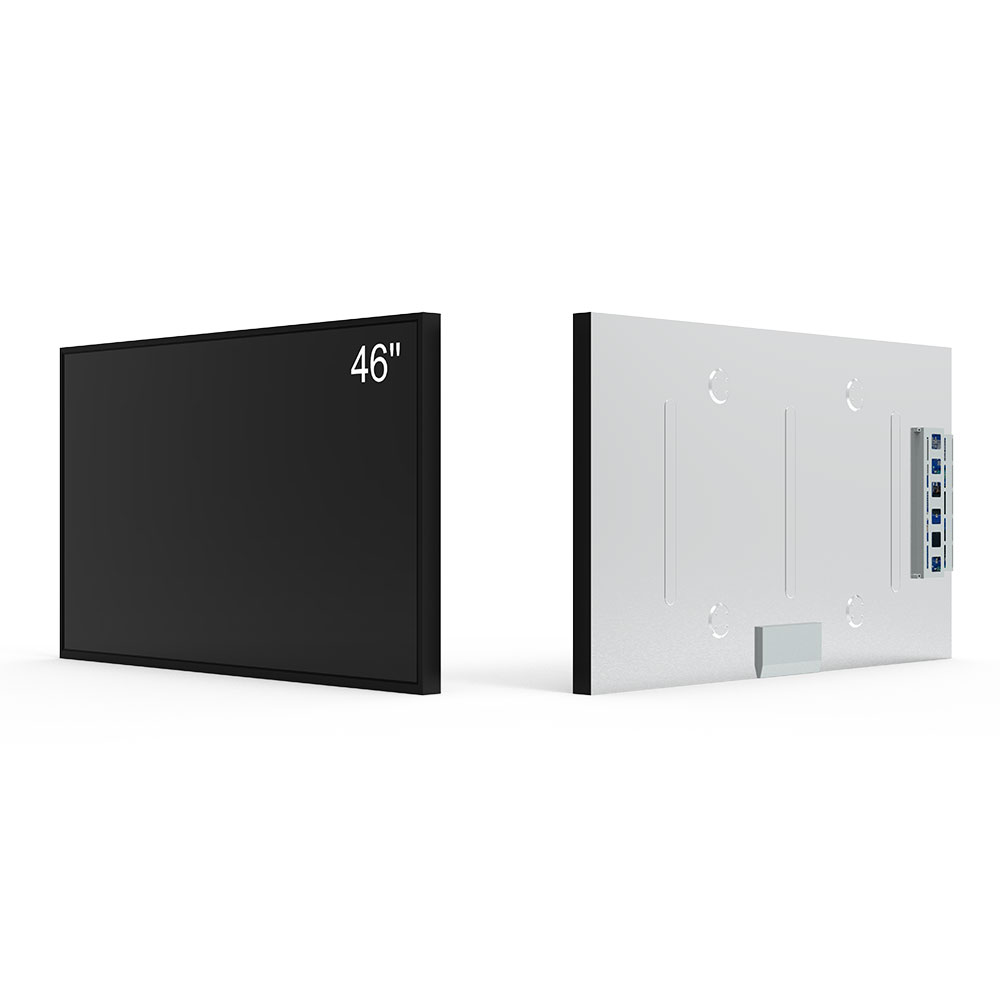
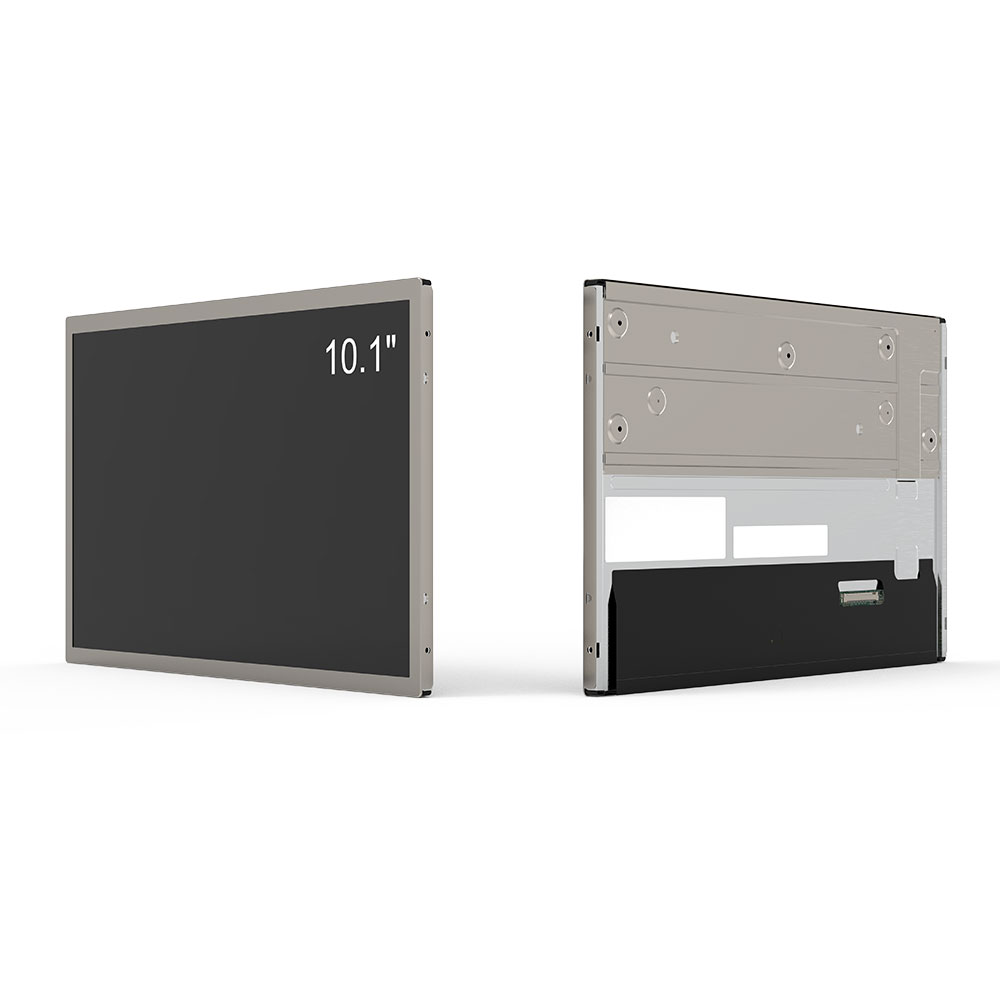
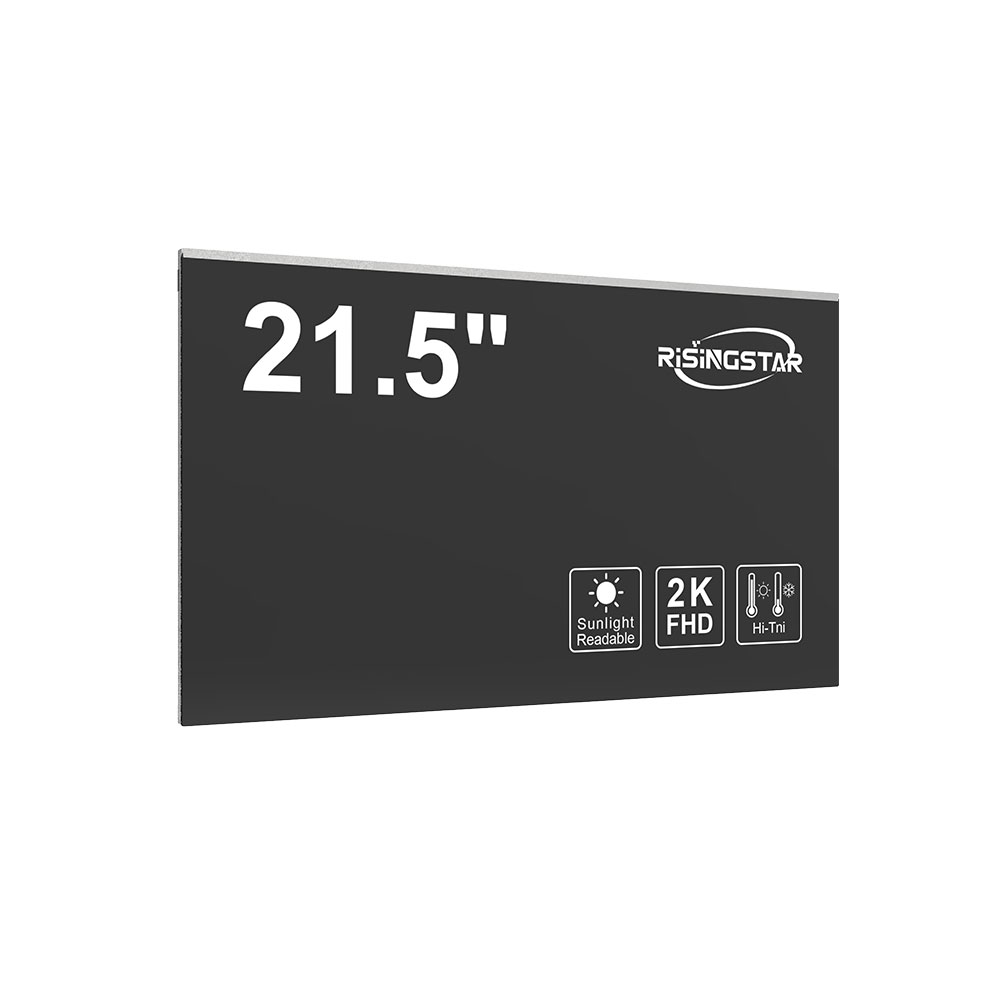
The strip screen series includes a wide range of sizes—from 14.1 inches to 86 inches—that cater to both compact embedded systems and large-scale control room installations. Each size serves specific industry needs: for example, the 19-inch and 21.2-inch models are commonly used in medical imaging and vehicle dashboards, while the 37-inch to 58.6-inch variants dominate command centers, smart factories, and public information kiosks. The largest models (e.g., 86-inch) often support multi-touch and high dynamic range (HDR), making them ideal for digital signage in airports, stadiums, and retail environments.
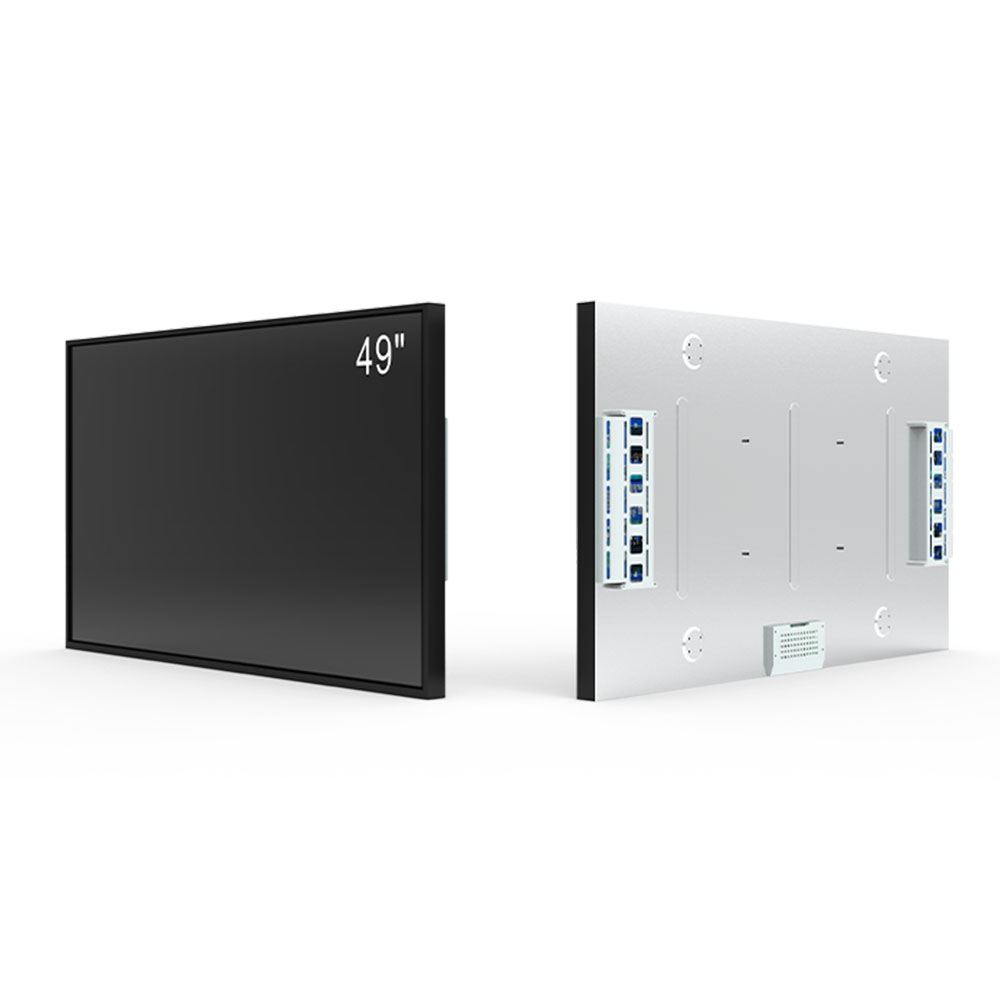
Key technical features include brightness levels exceeding 5,000 nits (compared to standard indoor displays at ~300–500 nits), anti-glare coatings, IPS (In-Plane Switching) panels for wide viewing angles, and ruggedized aluminum frames that withstand vibration, dust, and moisture (IP65 or higher). Many modern strip screens incorporate LED-backlit technology for uniform illumination, even under direct solar exposure. For instance, the 48.5-inch model from companies like Innolux or LG Display integrates local dimming zones to reduce power consumption while maintaining peak luminance.
Case studies demonstrate their effectiveness: a major European railway operator deployed 28.6-inch strip screens in train control cabins, reporting 99.8% user satisfaction due to improved readability during daylight hours. Similarly, a U.S. Department of Defense project utilized 58.4-inch units in mobile field command vehicles, achieving operational continuity in desert environments with ambient temperatures exceeding 50°C.
These displays comply with international standards such as MIL-STD-810G for environmental stress testing and IEC 60068 for mechanical shock resistance. They are also compatible with various input interfaces—including HDMI, DisplayPort, and LVDS—for seamless integration into legacy or custom-built systems.
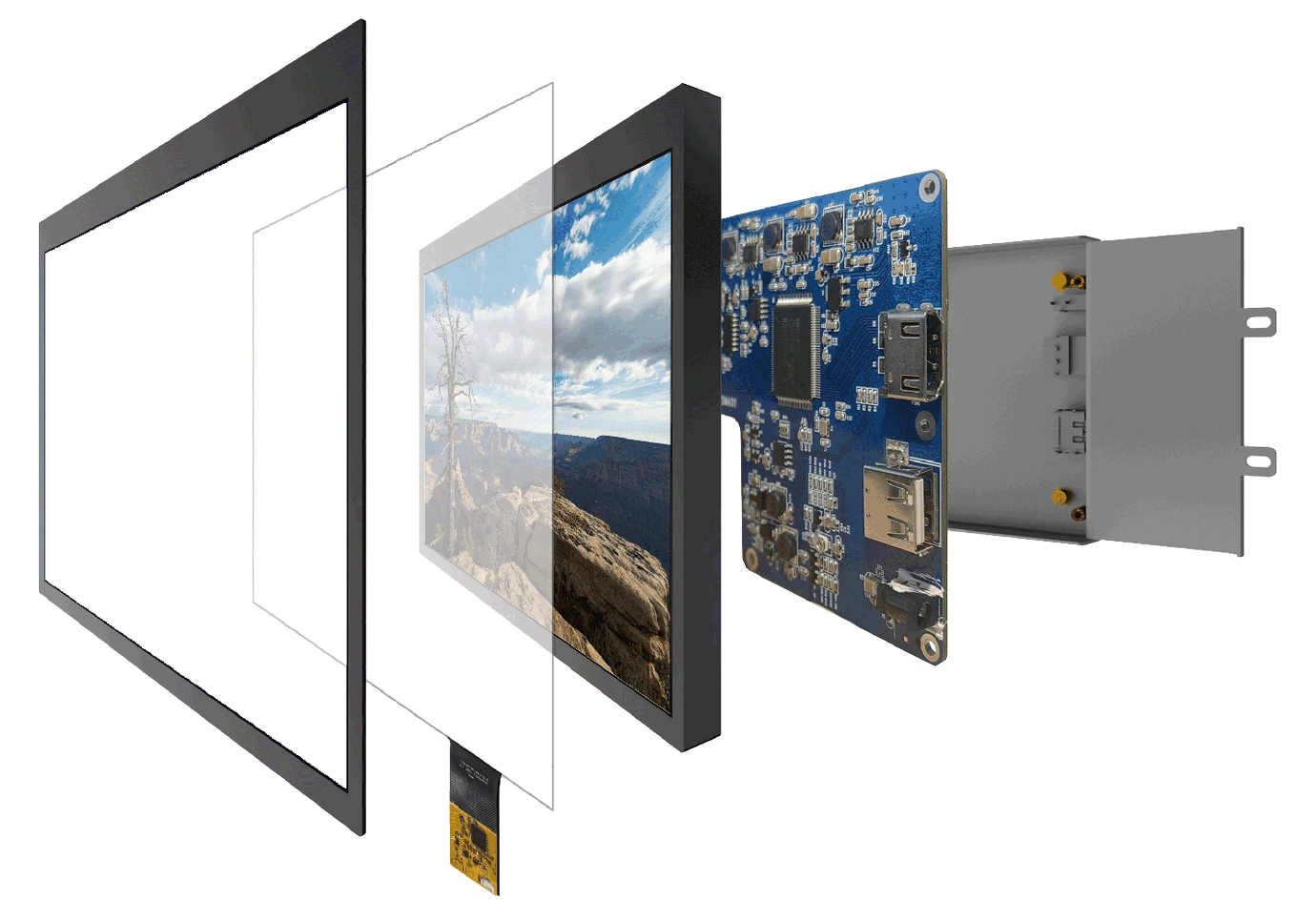
Manufacturers now offer customizable options like edge lighting, weatherproof enclosures, and touch overlay solutions (resistive or capacitive) tailored for outdoor use. As AI-driven automation grows in logistics, agriculture, and defense, the demand for reliable, sunlight-readable strip screens will continue to rise—driving innovation in materials science, backlight design, and adaptive brightness algorithms.