 RisingStar
- Home
- About Us
- Products
- News
- Video
- Contact
- Send Inquiry
Search
- Home
- About Us
- Products
- News
- Video
- Contact
- Send Inquiry
RisingStar
In industrial, military, outdoor, and marine applications, the reliability of electronic displays under extreme environmental conditions is critical. One of the most widely recognized standards for protection against environmental hazards is the IP (Ingress Protection) rating system—a global standard defined by IEC 60529. Among these ratings, IP66 stands out as a benchmark for high-brightness sunlight-readable LCD screens deployed in demanding environments. This article explores what IP66 means for LCDs, how it’s achieved through design, and why it's essential across industries such as transportation, defense, energy, and healthcare.
An IP66 rating indicates two key protections:
- "6" means complete protection against dust ingress—no dust penetration into the device.
- "6" also signifies that the display can withstand powerful water jets from any direction (tested with a 6.3 mm nozzle at 100 liters per minute for 3 minutes at a distance of 3 meters).
This level of protection is crucial for LCD screens exposed to rain, snow, humidity, sandstorms, or even washdown scenarios common in food processing, construction, and offshore operations. For example, a recent case study from Siemens’ industrial control panels in North Sea oil platforms demonstrated that IP66-rated displays maintained full functionality after continuous exposure to saltwater spray and high winds—conditions that would quickly degrade non-rated screens.
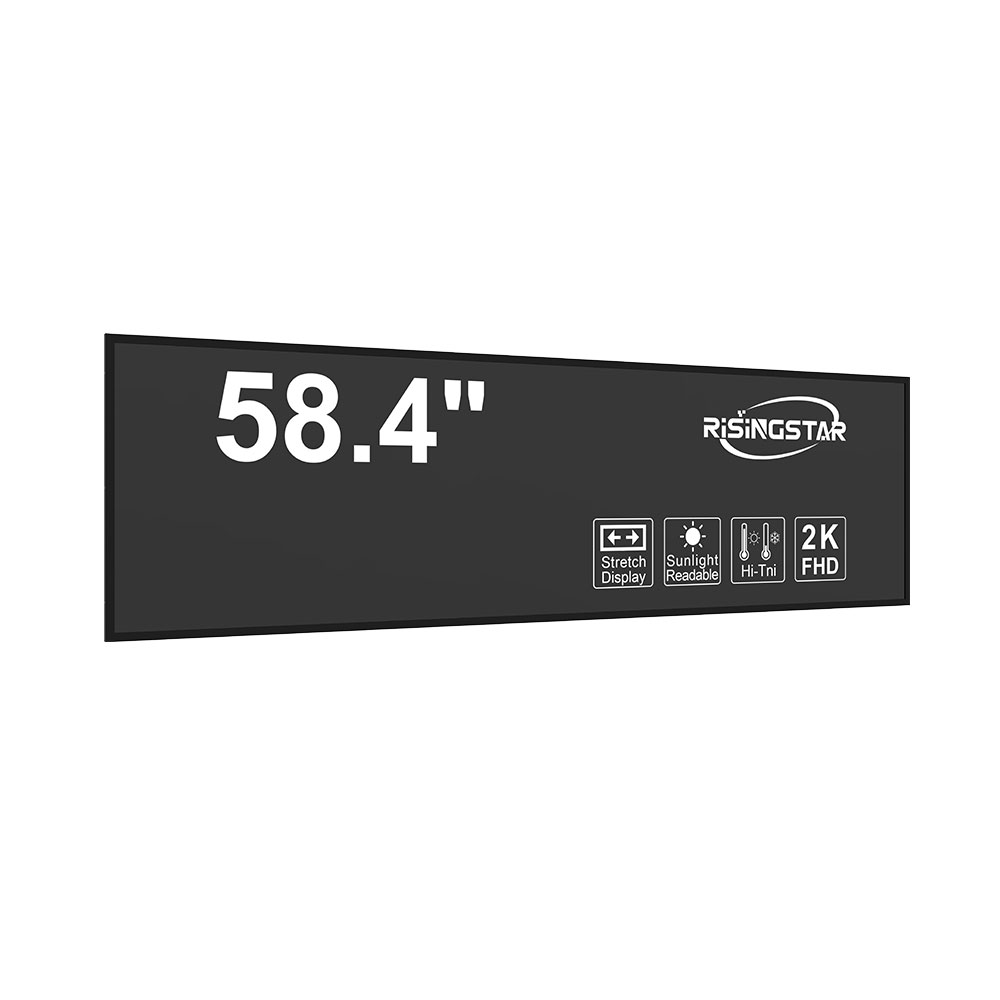
To achieve an IP66 rating, manufacturers integrate multiple engineering solutions:
1. Sealed Enclosures: Using gaskets made from silicone or EPDM rubber ensures no moisture or particulate entry.
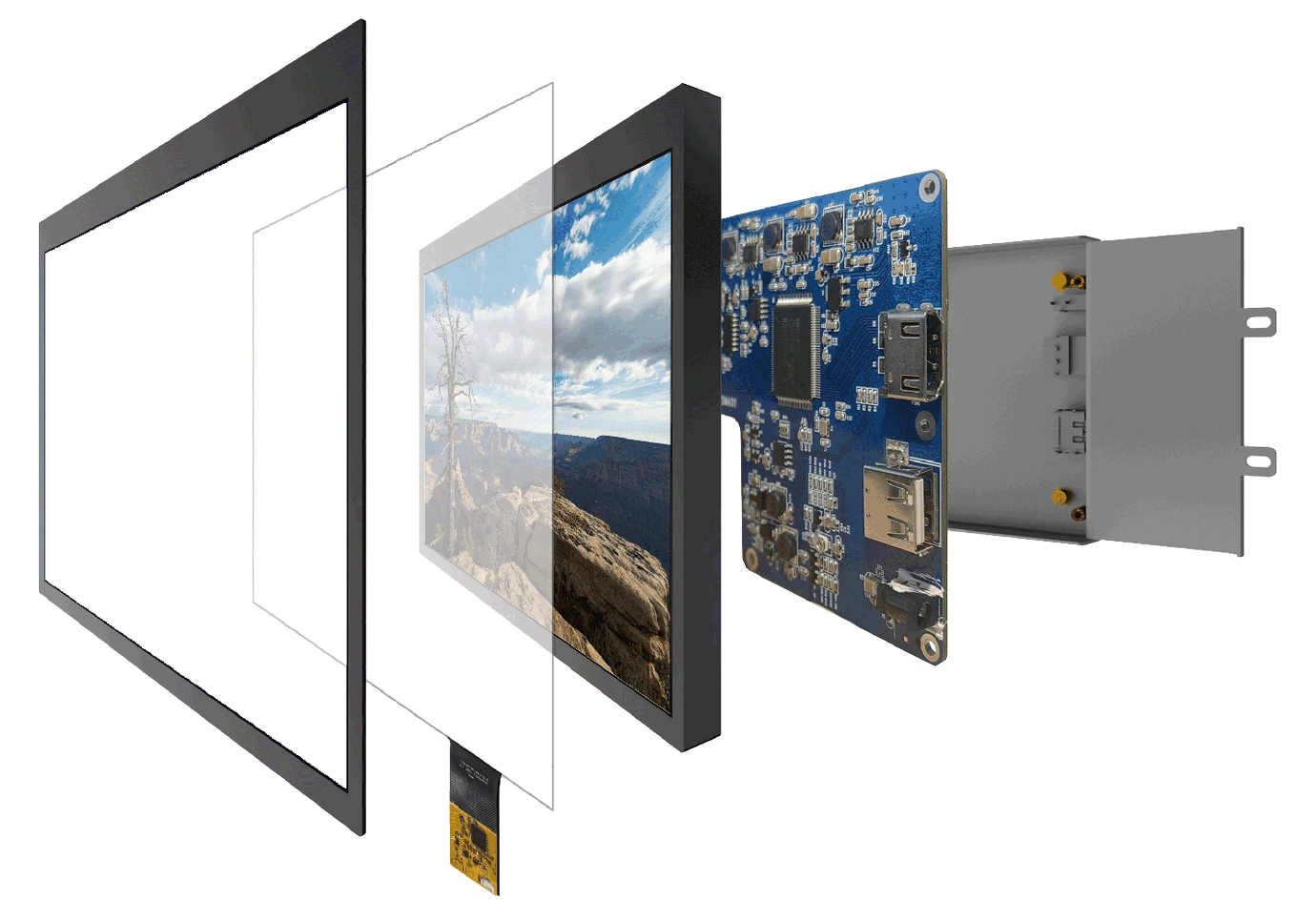
2. Corrosion-Resistant Materials: Stainless steel frames, aluminum casings with powder coating, and chemically resistant polymers prevent degradation in salty or acidic environments.
3. Optical Bonding: This process removes air gaps between the LCD panel and cover glass, enhancing durability while reducing glare—an essential feature for sunlight readability.
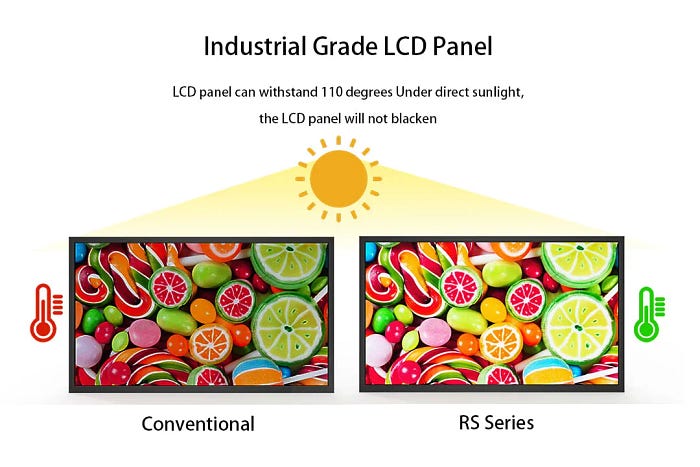
4. High-Brightness Backlighting: To maintain visibility in direct sunlight (up to 7,000 nits), manufacturers use LED arrays with precise thermal management to avoid overheating under IP66 sealing constraints.
The IEEE and MIL-STD-810G standards often reference IP66 when specifying environmental resilience for ruggedized electronics. According to a 2023 report by MarketsandMarkets, the global market for IP66-rated industrial displays is projected to exceed $4.5 billion by 2027, driven by increasing demand in smart manufacturing (Industry 4.0), autonomous vehicles, and mobile command centers.
Moreover, IP66 compliance supports compliance with ISO 16750 (vehicle electrical systems) and EN 60068 (environmental testing). These certifications are not just about survival—they ensure operational continuity during emergencies, reduce maintenance costs, and extend product lifecycle. For instance, a U.S. Army field test in 2022 showed that IP66-certified displays in tactical communication units had 99.7% uptime over six months in desert conditions, compared to only 78% for non-rated alternatives.
From a design perspective, achieving IP66 requires rigorous validation. Manufacturers conduct hydrostatic pressure tests, dust chamber simulations (per ASTM D7264), and accelerated aging cycles using thermal shock chambers. These processes ensure long-term reliability—not just initial performance.
For end users seeking reliable, durable displays, IP66 certification is more than a label—it’s a commitment to operational excellence in the harshest conditions. Whether you’re designing an outdoor kiosk, an offshore drilling console, or a medical monitoring system used in disaster zones, choosing an IP66-rated LCD screen ensures mission-critical performance where failure is not an option.