RisingStar
- Home
- About Us
- Products
- News
- Video
- Contact
- Send Inquiry
Search
- Home
- About Us
- Products
- News
- Video
- Contact
- Send Inquiry
RisingStar
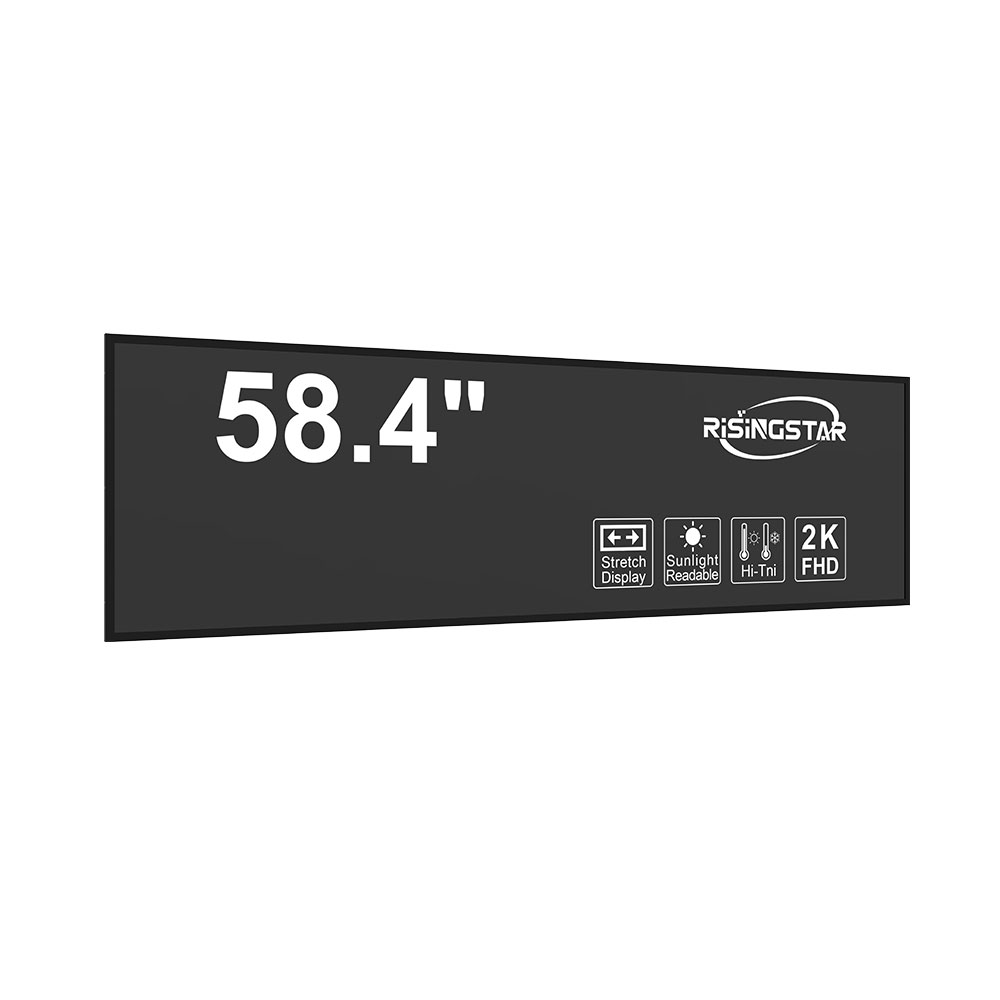
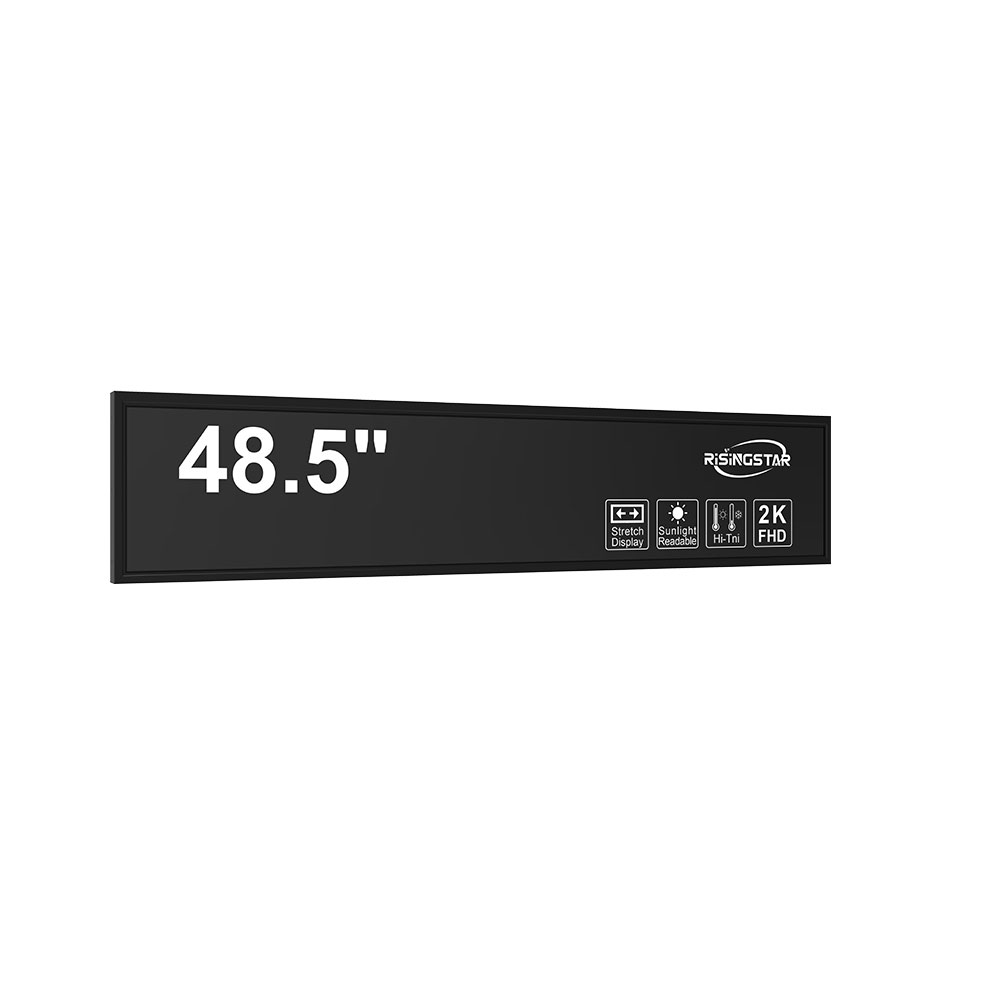
High-brightness sunlight-readable LCD screens are essential in modern outdoor applications where visibility under direct sunlight is critical. These displays are engineered to deliver exceptional clarity, contrast, and performance even in intense lighting conditions—such as those found on military vehicles, industrial machinery, transportation systems, and public information kiosks. Unlike standard LCDs that often become unreadable in bright environments, sunlight-readable displays incorporate advanced technologies like high-luminance backlighting, anti-glare coatings, and optimized pixel design to ensure consistent readability from dawn to dusk.
One of the core technical innovations behind these screens is the use of brightness levels exceeding 5,000 nits—far beyond the typical 250–500 nits of consumer-grade displays. This level of luminance is achieved through specialized LED backlight arrays, such as full-array local dimming (FALD) or edge-lit high-power LEDs. For instance, a study by Display Supply Chain Consultants (DSCC) in 2023 noted that high-brightness industrial displays used in aerospace and defense applications commonly operate at 7,000 to 10,000 nits, enabling real-time operation in extreme environments. These screens often integrate ambient light sensors that dynamically adjust brightness based on environmental conditions, improving energy efficiency while maintaining readability.
Another key factor is optical enhancement. Anti-reflection (AR) coatings and diffusers reduce glare and increase contrast ratios—often up to 10,000:1—which is vital for reducing eye strain and ensuring accurate data interpretation. According to Wikipedia’s entry on LCD technology, reflective and transflective modes are also employed in some models to enhance performance in both indoor and outdoor settings. In solar-rich climates, such as deserts or tropical regions, these features prevent screen washout—a common failure point in conventional displays.
The mechanical durability of high-brightness sunlight-readable LCDs must also be considered. They are typically built with ruggedized materials like Gorilla Glass or polycarbonate overlays, capable of withstanding vibrations, temperature extremes (-30°C to +70°C), and moisture ingress (IP65 rating or higher). Case studies from companies like Eizo and LG Electronics show that these displays maintain 98% of initial brightness after 50,000 hours of continuous operation—a metric crucial for long-term field deployments.
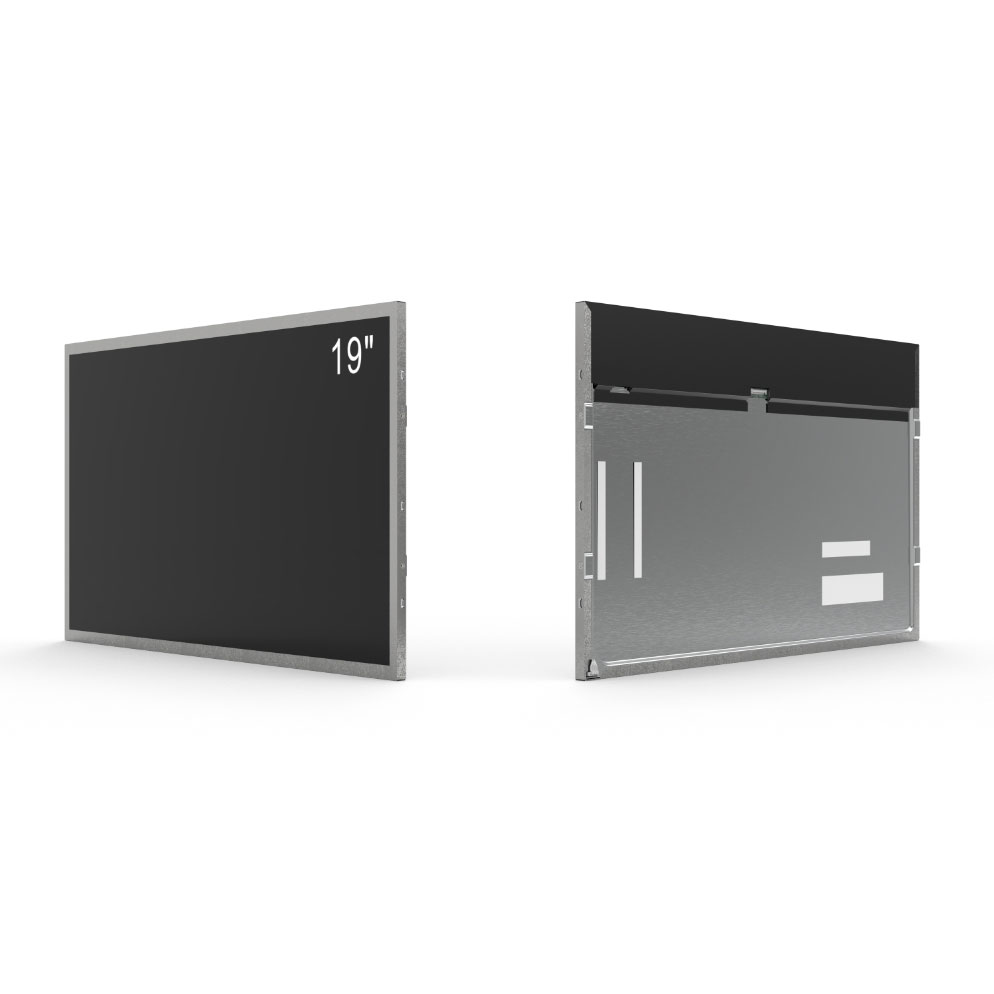
In addition to hardware enhancements, software optimization plays a role. Advanced gamma correction algorithms and adaptive white balance ensure color accuracy across varying lighting conditions. This is particularly important in medical devices, agricultural monitoring systems, and vehicle dashboards where misinterpretation can lead to operational risks.
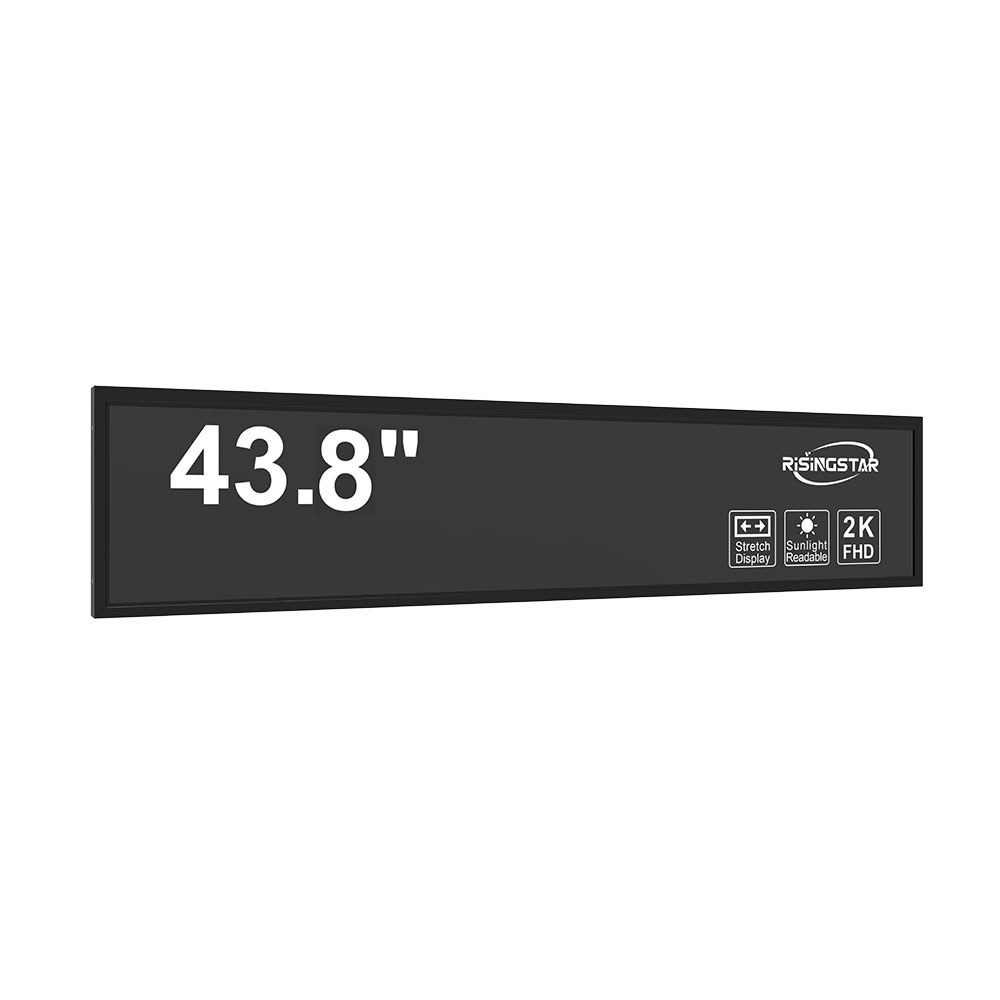
For global markets, compliance with international standards such as MIL-STD-810G for environmental durability, EN 60950 for safety, and ISO 14001 for sustainable manufacturing further validates the reliability of these screens. As industries increasingly adopt IoT-enabled outdoor systems, demand for sunlight-readable LCDs continues to grow—projected to reach $12 billion globally by 2027, according to a 2024 report by MarketsandMarkets.
In conclusion, high-brightness sunlight-readable LCDs represent a convergence of material science, optics, electronics, and user-centered design. Their ability to perform reliably in harsh environments makes them indispensable for sectors ranging from defense and logistics to smart city infrastructure. Whether deployed in a drone cockpit or a solar-powered weather station, these displays offer unmatched visual clarity under sunlight—proving that engineering excellence is not just about brightness, but intelligent adaptation to real-world challenges.