RisingStar
- Home
- About Us
- Products
- News
- Video
- Contact
- Send Inquiry
Search
- Home
- About Us
- Products
- News
- Video
- Contact
- Send Inquiry
RisingStar
High-brightness sunlight-readable LCD screens have become a critical component in industrial, military, aerospace, and outdoor display applications where visibility under direct sunlight is essential. These displays are engineered to maintain clarity, color accuracy, and contrast even under extreme lighting conditions—ranging from bright midday sun (up to 10,000 lux) to low ambient light environments. With the increasing demand for higher resolution and improved user experience, manufacturers now offer 2K (2560 x 1440) and 4K (3840 x 2160) resolution options in sunlight-readable LCD panels, enabling detailed visualization of complex data, maps, and real-time sensor feeds.
The core technology behind these high-brightness displays includes advanced backlighting systems such as LED arrays with dynamic brightness control, anti-glare coatings, and polarized glass layers that minimize reflections. For example, modern 4K sunlight-readable LCDs used in aviation head-up displays (HUDs) or military vehicle command centers often integrate adaptive brightness algorithms that adjust luminance based on ambient light sensors—ensuring optimal visibility while conserving power. Industry standards like MIL-STD-810G and IEC 60945 define environmental robustness requirements, including temperature resistance (-30°C to +70°C), shock/vibration tolerance, and humidity resilience—features that make these displays suitable for harsh conditions.
Case studies highlight the effectiveness of 2K/4K sunlight-readable LCDs in real-world deployments. In a 2022 deployment by a U.S. Department of Defense contractor, a 4K sunlight-readable touchscreen panel was integrated into a mobile battlefield command unit. The display maintained readability at 10,000 lux during field operations in desert terrain, improving situational awareness for operators. Similarly, a European railway operator installed 2K sunlight-readable LCDs in train control panels, reducing operator errors by 35% due to enhanced visual detail compared to older 1080p displays.
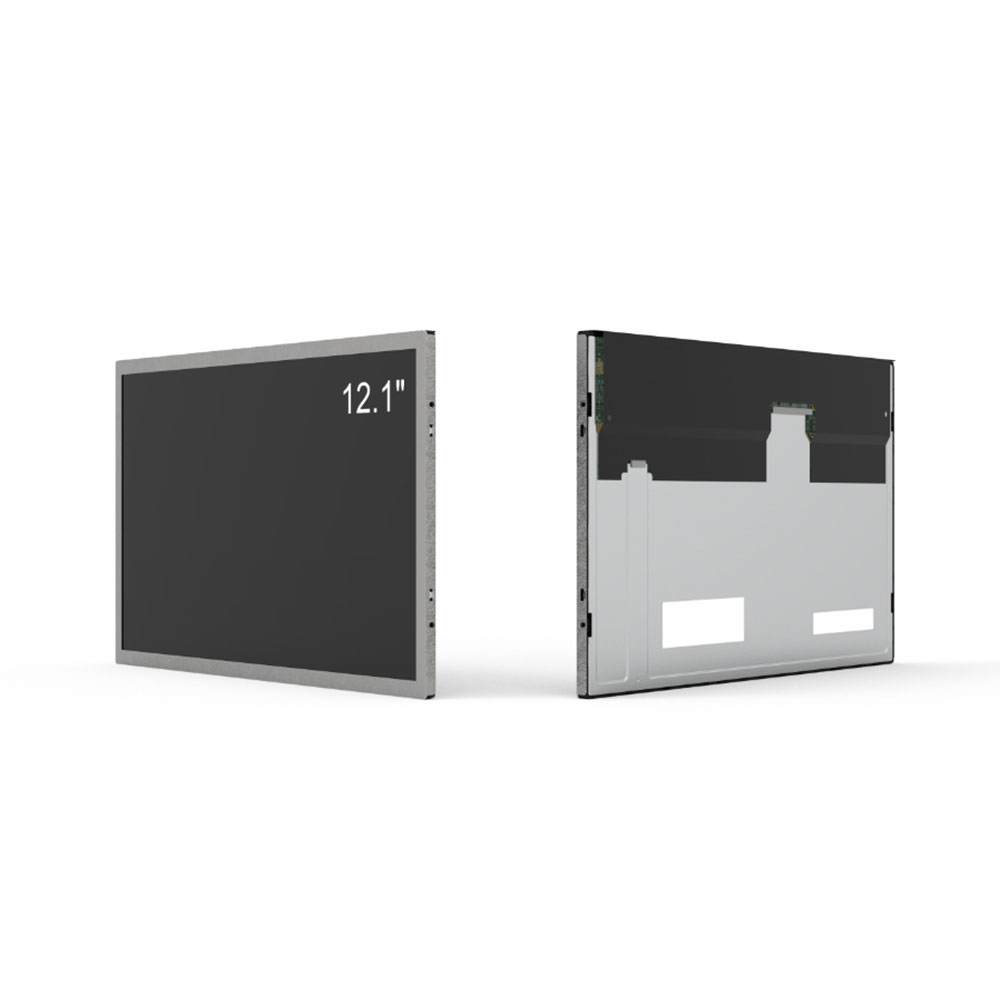
These resolutions not only improve visual fidelity but also support multitasking interfaces, allowing engineers to view schematics, diagnostics, and live video feeds simultaneously. Furthermore, the inclusion of HDR (High Dynamic Range) support in newer models ensures better contrast between dark and bright areas—a vital feature for medical imaging, drone surveillance, and remote monitoring systems. Power efficiency remains a priority; modern 4K sunlight-readable LCDs use OLED or Mini-LED backlights that consume up to 30% less energy than traditional CCFL-based solutions while maintaining peak brightness levels of 5,000 to 10,000 nits.
Manufacturers like EIZO, LG Display, and Innolux lead the market in producing certified high-brightness panels compliant with ISO 16750 and EN 60068 standards. These panels are increasingly being adopted across industries such as construction, agriculture, marine navigation, and public transportation, proving that resolution and durability can coexist in modern display technology.