RisingStar
- Home
- About Us
- Products
- News
- Video
- Contact
- Send Inquiry
Search
- Home
- About Us
- Products
- News
- Video
- Contact
- Send Inquiry
RisingStar
In today’s fast-paced digital economy, businesses across industries—from retail and transportation to public utilities and event management—are increasingly adopting large outdoor digital signage as a strategic tool for communication, branding, and customer engagement. When sourcing these systems at scale, the wholesale price of large outdoor digital signage becomes a critical factor in determining ROI, scalability, and long-term operational efficiency. Understanding the technical specifications, environmental durability, and market pricing trends is essential for decision-makers seeking high-value solutions.
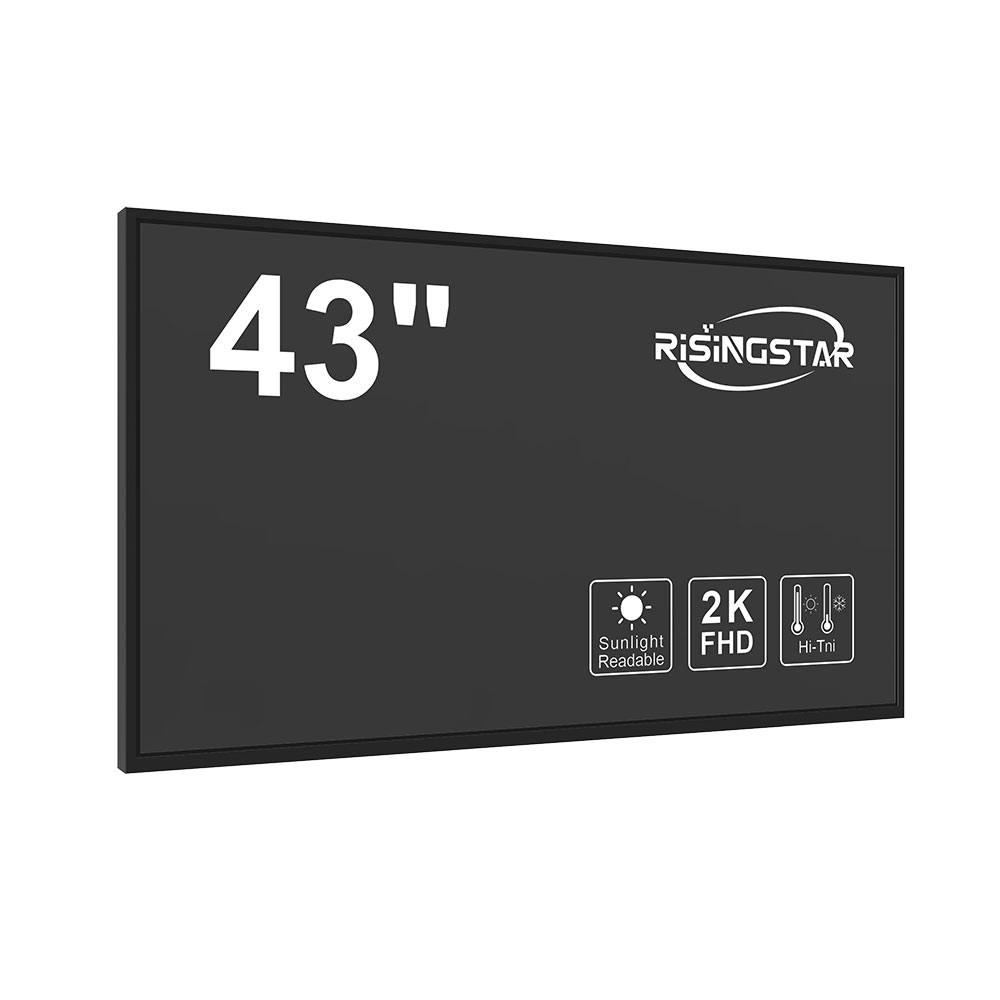
Large outdoor digital signage refers to LED or LCD displays designed specifically for use in direct sunlight, adverse weather conditions, and high-traffic environments. These units must meet stringent brightness standards—typically exceeding 5,000 nits (a measure of luminance)—to remain visible under full daylight. According to the Society of Motion Picture and Television Engineers (SMPTE), effective outdoor display visibility requires minimum brightness levels that far exceed indoor screens, which typically range from 200–500 nits. This makes high-brightness panels, often using advanced LED modules or IPS LCDs with anti-glare coatings, a non-negotiable component of any outdoor signage solution.
When evaluating wholesale prices, it's important to consider not only the upfront cost but also total cost of ownership (TCO). Key factors include energy consumption (measured in watts per square meter), maintenance frequency, lifespan (often rated in 50,000–100,000 hours), and the inclusion of features like IP65/IP68 waterproofing, solar power compatibility, and remote content management via cloud-based platforms. A 2023 report by MarketsandMarkets indicates that the global digital signage market is projected to reach $40 billion by 2027, with outdoor segments growing at a CAGR of over 12%. This growth reflects increasing demand for durable, scalable, and cost-efficient solutions, especially in smart city initiatives and commercial real estate developments.
Procurement strategies matter significantly when negotiating wholesale prices. Buying in bulk (e.g., 10+ units) can reduce unit costs by 20–40%, depending on the manufacturer and region. Reputable suppliers such as LG Electronics, Samsung, and PAX LED offer tiered pricing models based on volume, custom design options, and integrated software services. Case studies from major retailers like Walmart and McDonald’s show that deploying standardized, high-brightness outdoor digital signs at scale improved brand consistency while reducing per-unit installation and maintenance expenses by up to 30%.
Furthermore, compliance with international standards—such as IEC 60068 for environmental testing, EN 60950 for safety, and UL 1578 for electrical safety—is crucial for legal deployment in regulated markets. Manufacturers that provide CE, FCC, and RoHS certifications ensure interoperability and minimize liability risks. For buyers targeting global expansion, choosing suppliers with local service centers and multi-language support enhances operational resilience.
In conclusion, securing competitive wholesale prices for large outdoor digital signage isn’t just about finding the cheapest option—it’s about balancing performance, durability, compliance, and lifecycle value. With rising demand and technological advancements, businesses that invest wisely in high-quality, scalable solutions will gain a significant edge in engaging audiences in both urban and rural settings.