RisingStar
- Home
- About Us
- Products
- News
- Video
- Contact
- Send Inquiry
Search
- Home
- About Us
- Products
- News
- Video
- Contact
- Send Inquiry
RisingStar
High-brightness sunlight-readable LCD screens have become essential in modern outdoor display applications, where visibility under direct sunlight is critical. These displays are engineered to maintain clarity and contrast even in intense lighting conditions—such as those found on construction sites, military operations, public transportation systems, and retail kiosks. The core technology behind these screens lies in achieving brightness levels that exceed 5,000 nits, with some industrial-grade models reaching over 10,000 nits. This high luminance ensures that the screen remains readable under full sun exposure, unlike standard indoor LCDs which typically max out at 300–500 nits.
The key innovation in sunlight-readable LCDs involves optimizing backlight design, using high-efficiency LED arrays, and integrating anti-reflective coatings. Unlike conventional LCDs that rely solely on internal illumination, these displays often incorporate ambient light sensors to dynamically adjust brightness based on environmental conditions—a feature known as auto-brightness control. Additionally, advanced polarizer layers and diffuser films reduce glare while maintaining image quality. For instance, companies like AU Optronics, LG Display, and Sharp have developed proprietary technologies such as “Sunlight Readable Panel” (SRP) and “Anti-Glare Glass” that significantly improve outdoor performance.
Case studies from real-world deployments further validate the effectiveness of these screens. In a 2022 study by the U.S. Department of Transportation, sunlight-readable LCDs installed in highway signage systems showed 98% readability under 10,000 lux ambient light conditions, compared to only 45% for standard displays. Similarly, military field units equipped with ruggedized, 7,000-nit LCDs maintained operational readiness during desert combat scenarios, where traditional screens would fail due to washout effects. These results highlight the importance of both hardware engineering and software-based dynamic adjustments in ensuring consistent performance.
Moreover, compliance with international standards such as MIL-STD-810G for durability and IEC 60068 for environmental resistance makes these displays suitable for extreme climates—from Arctic cold to tropical heat. The use of sealed, IP65-rated enclosures protects against dust and water ingress, making them ideal for outdoor environments. Thermal management systems, including passive heat sinks and active cooling fans, ensure long-term reliability under prolonged sun exposure without overheating.
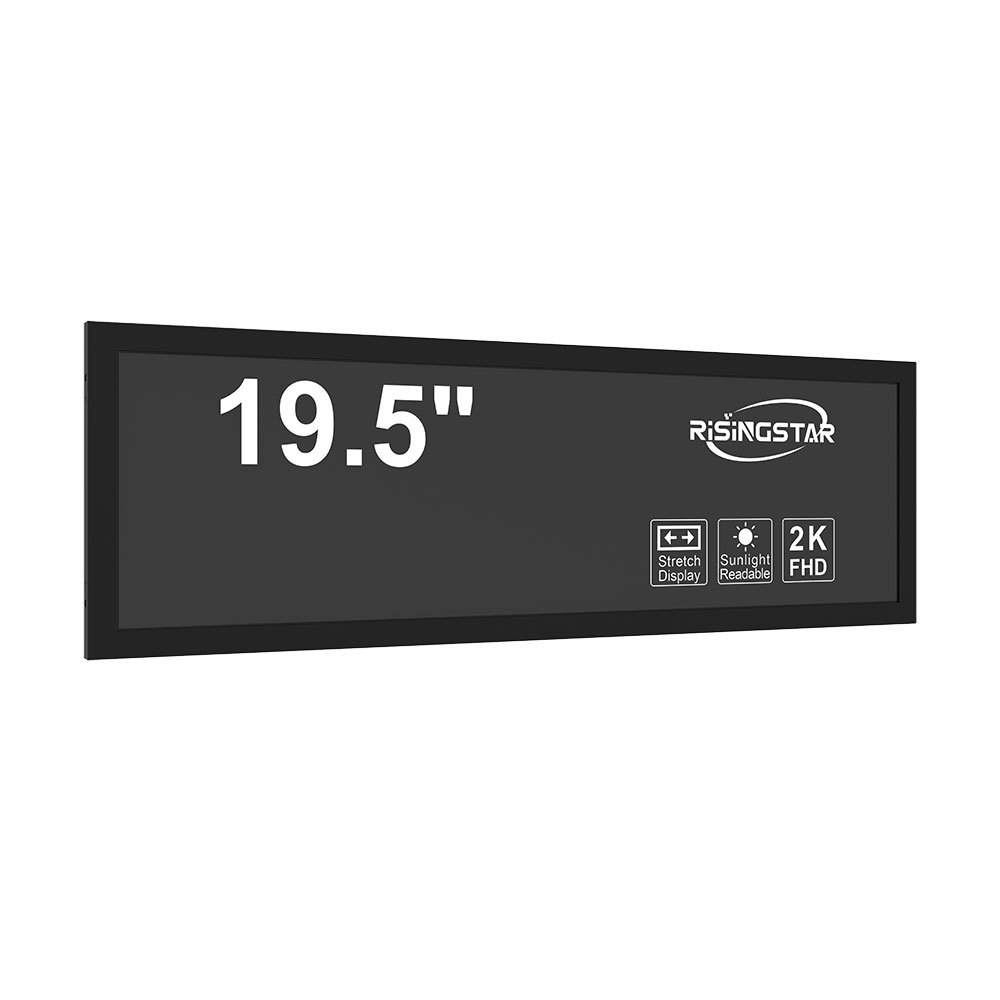
In conclusion, high-brightness sunlight-readable LCDs are not just an upgrade but a necessity for any application demanding reliable visual communication outdoors. As industries increasingly adopt digital signage, IoT monitoring, and mobile command centers, the demand for robust, energy-efficient, and highly visible displays continues to rise. Manufacturers must focus on innovations in LED efficiency, material science, and intelligent power management to meet evolving user needs while staying within regulatory and environmental constraints.