RisingStar
- Home
- About Us
- Products
- News
- Video
- Contact
- Send Inquiry
Search
- Home
- About Us
- Products
- News
- Video
- Contact
- Send Inquiry
RisingStar
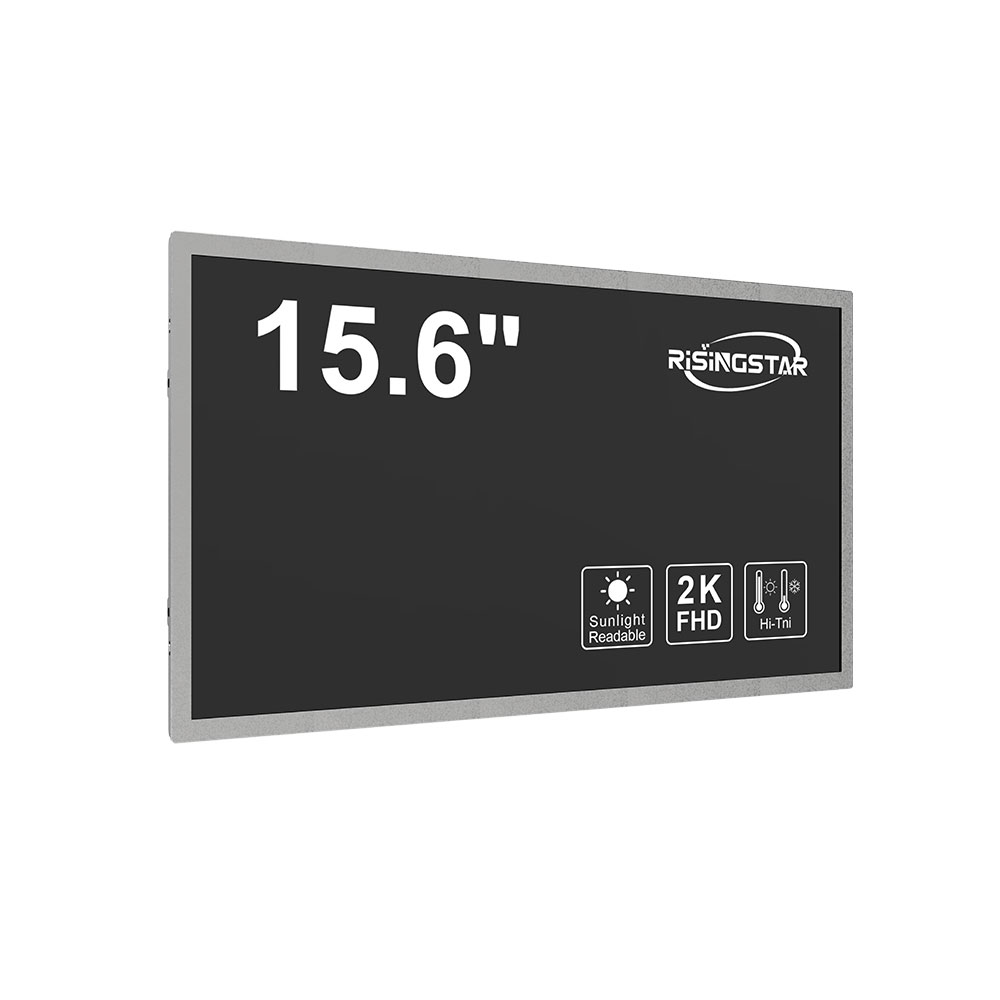
High-brightness, sunlight-readable LCD displays are critical components in modern outdoor and transportation infrastructure where visibility under direct sunlight is non-negotiable. These specialized screens typically deliver luminance levels of 5,000 to 10,000 nits—far exceeding standard indoor displays (250–500 nits)—and utilize advanced technologies such as high-efficiency LED backlighting, anti-glare coatings, polarization filters, and dynamic contrast adjustment.
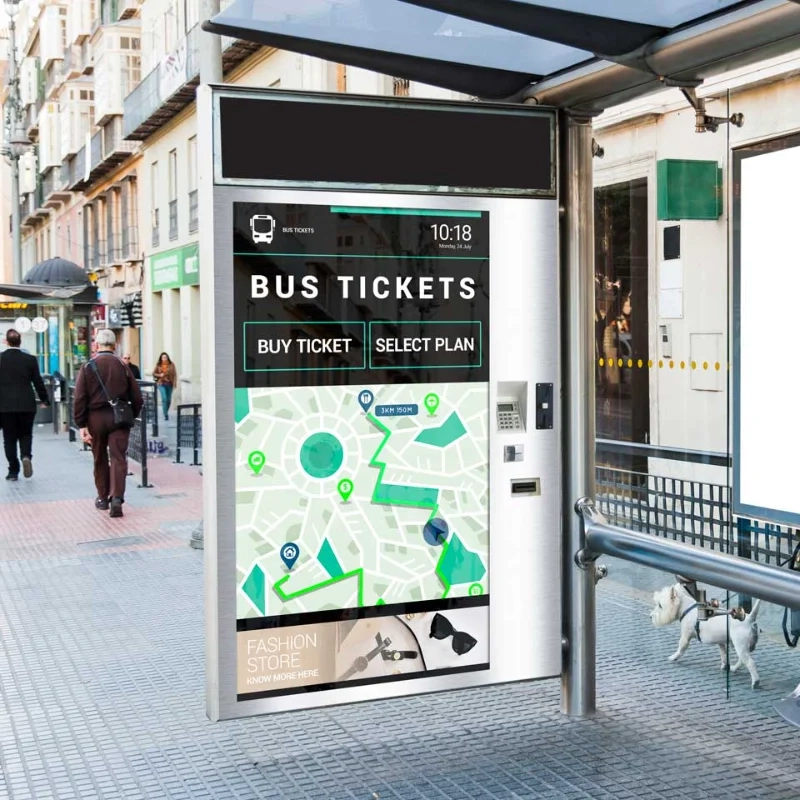
In railway and public transit environments—including trains, subways, buses, and intercity rail systems—these displays serve as passenger information systems (PIS), providing real-time updates on schedules, delays, platform changes, and safety alerts. For instance, Tokyo Metro’s digital signage fleet employs 7,000-nit LCD panels with wide viewing angles and IP65-rated enclosures to ensure readability even during peak sun hours. Similarly, European Union regulations under EN 13497 mandate that PIS displays must remain legible at 5,000 nits minimum to comply with accessibility standards for visually impaired travelers.
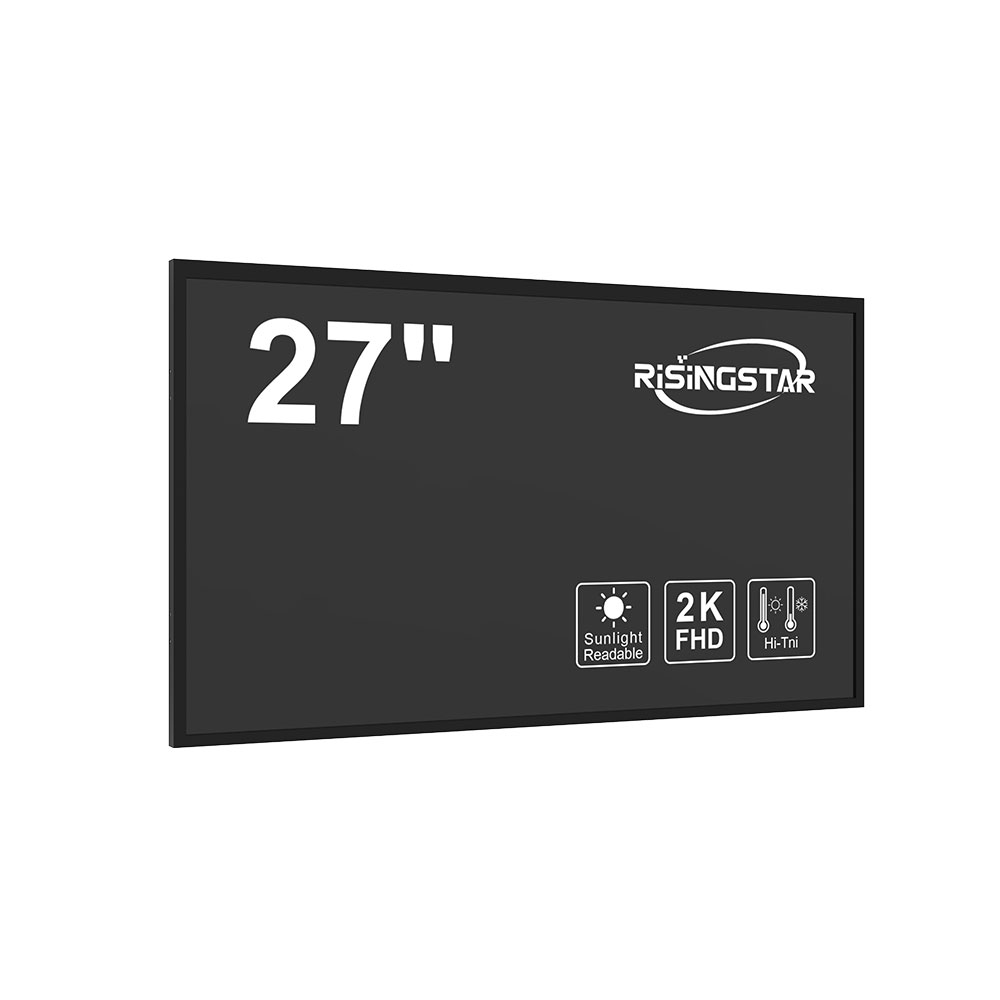
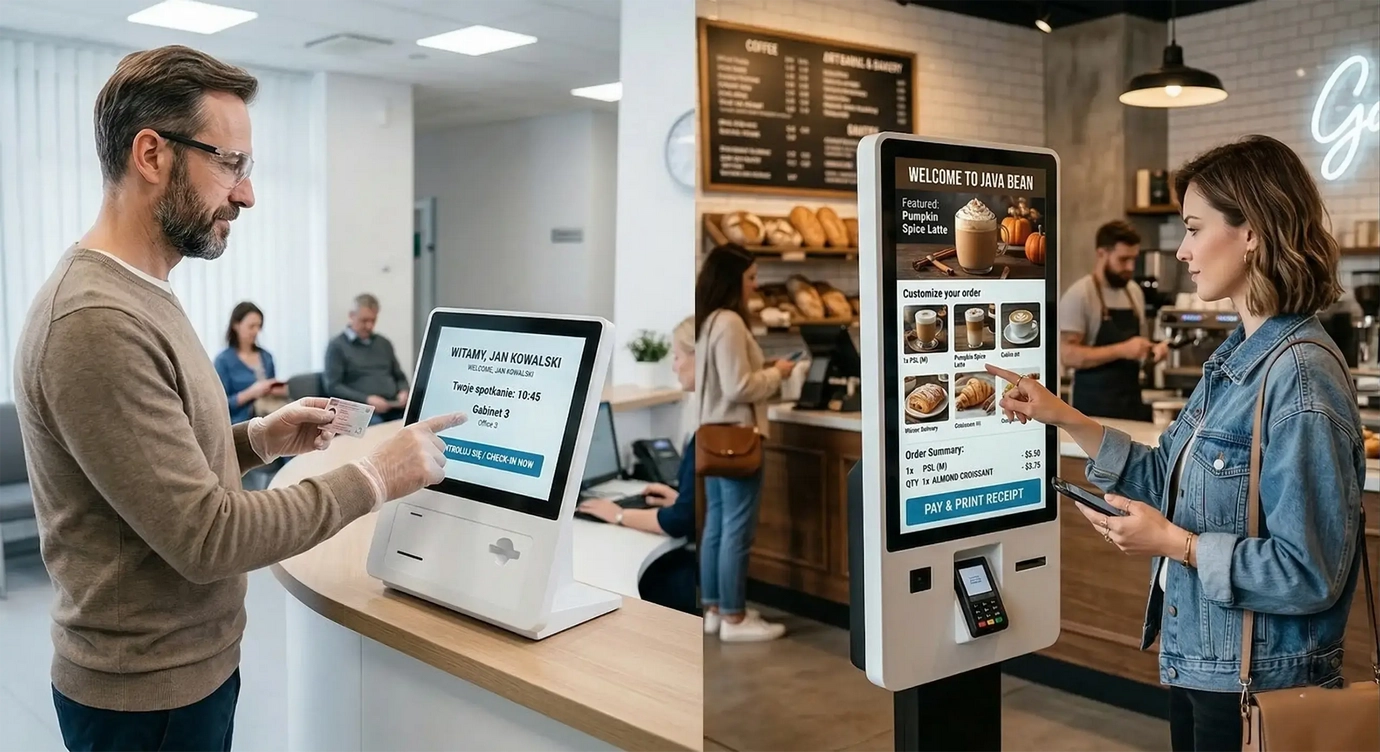
EV charging kiosks and gas pumps benefit from sunlight-readable displays by enabling users to navigate payment options, monitor charging status, and read fuel prices accurately outdoors. Companies like ChargePoint and Shell have adopted ruggedized 8,000-nit displays with touch-sensitive surfaces resistant to dust, moisture, and temperature extremes (−20°C to +60°C). These features are essential for maintaining uptime in urban and rural deployments.
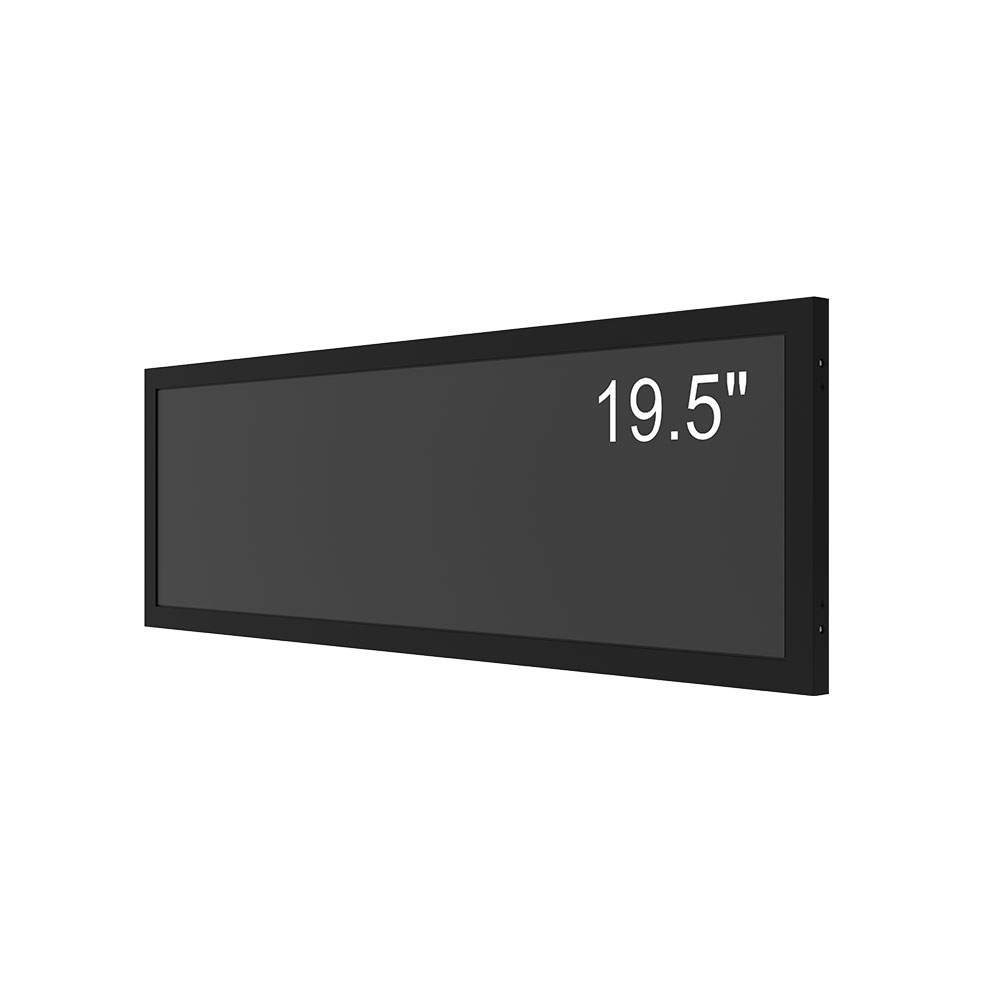
Outdoor digital signage in retail and real estate markets relies on these displays for dynamic advertising and property information. A case study by Samsung Display revealed a 40% increase in customer engagement when high-brightness screens were used in mall entrances compared to traditional low-luminance alternatives. In commercial real estate, developers like CBRE now specify 6,000-nit displays for lobby kiosks to improve tenant experience and wayfinding.
Retail digital signage also leverages sunlight-readable technology in store windows and drive-thru locations. According to a 2023 report by Statista, over 68% of retailers using outdoor digital signage reported higher conversion rates when deploying displays above 5,000 nits. The combination of bright, energy-efficient OLED and LED-backlit LCDs ensures durability and clarity in variable lighting conditions.
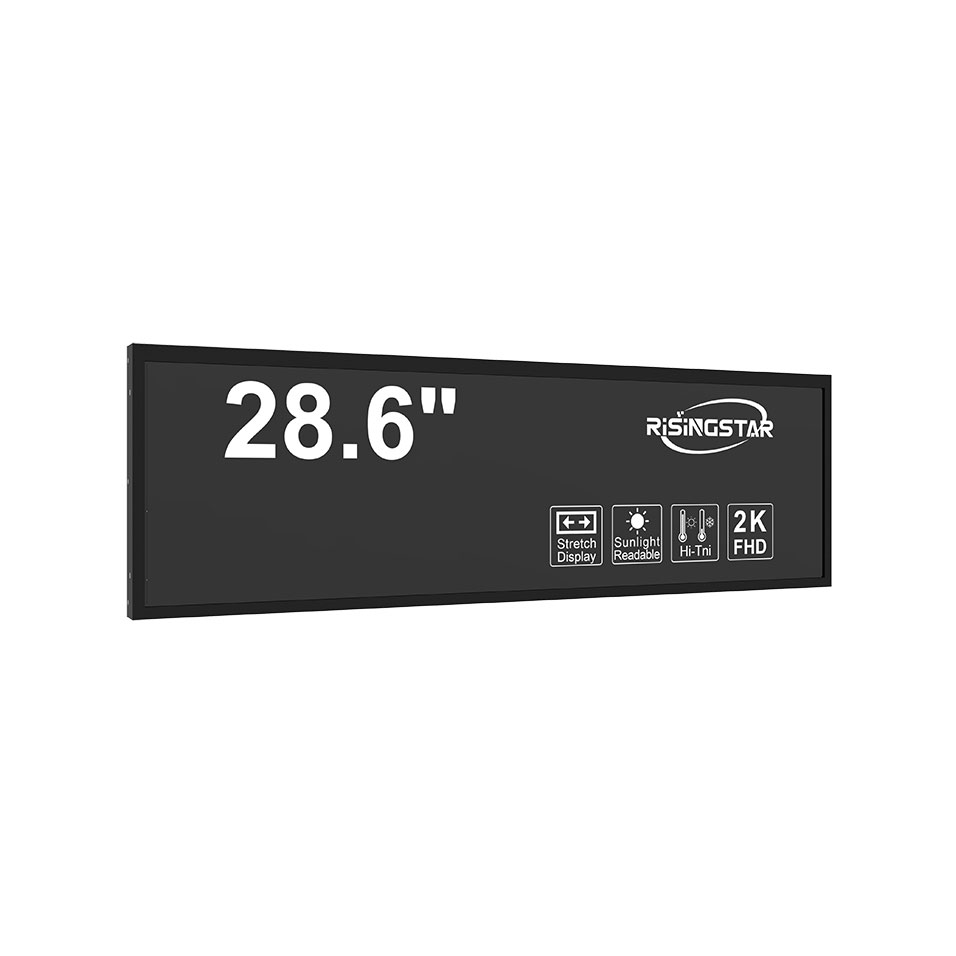
For outdoor TVs and consumer applications, manufacturers like LG and Panasonic integrate adaptive brightness sensors that automatically adjust luminance based on ambient light, preserving battery life while maximizing visibility. This feature aligns with ENERGY STAR® guidelines for energy efficiency in outdoor electronics.
These displays are not only about brightness—they require compliance with industry standards such as MIL-STD-810G for shock resistance, IP65/67 ratings for environmental protection, and RoHS certification for sustainable materials. As global demand for smart cities grows, high-brightness sunlight-readable LCDs will continue to be foundational in creating resilient, user-friendly outdoor interfaces across transportation, energy, and commerce sectors.