RisingStar
- Home
- About Us
- Products
- News
- Video
- Contact
- Send Inquiry
Search
- Home
- About Us
- Products
- News
- Video
- Contact
- Send Inquiry
RisingStar
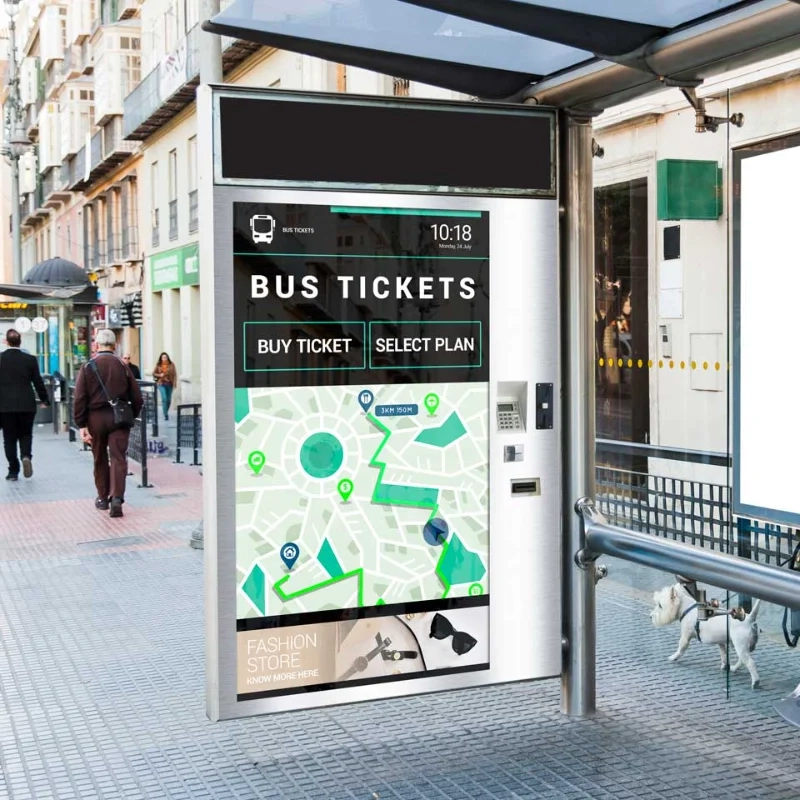
In the rapidly evolving world of display technology, high-brightness sunlight-readable LCD screens have become indispensable in outdoor and harsh environmental applications. These specialized displays are engineered to maintain clarity, contrast, and readability even under direct sunlight, where conventional LCDs often fail due to ambient light interference. As global industries—from defense and transportation to agriculture and construction—increasingly rely on real-time data visualization in open-air environments, the demand for robust, high-luminance displays continues to surge.
The core principle behind sunlight-readable LCDs lies in achieving luminance levels that significantly exceed ambient lighting conditions. While standard indoor LCDs typically operate at 200–300 nits (candela per square meter), high-brightness sunlight-readable displays must deliver 1500 to 5000 nits or more. This is achieved through advanced backlighting systems such as LED arrays with optimized diffusers, active brightness control algorithms, and anti-glare coatings. For instance, military-grade devices like night-vision goggles or vehicle dashboards use LCDs with over 3000 nits to ensure mission-critical information remains visible during daytime operations.
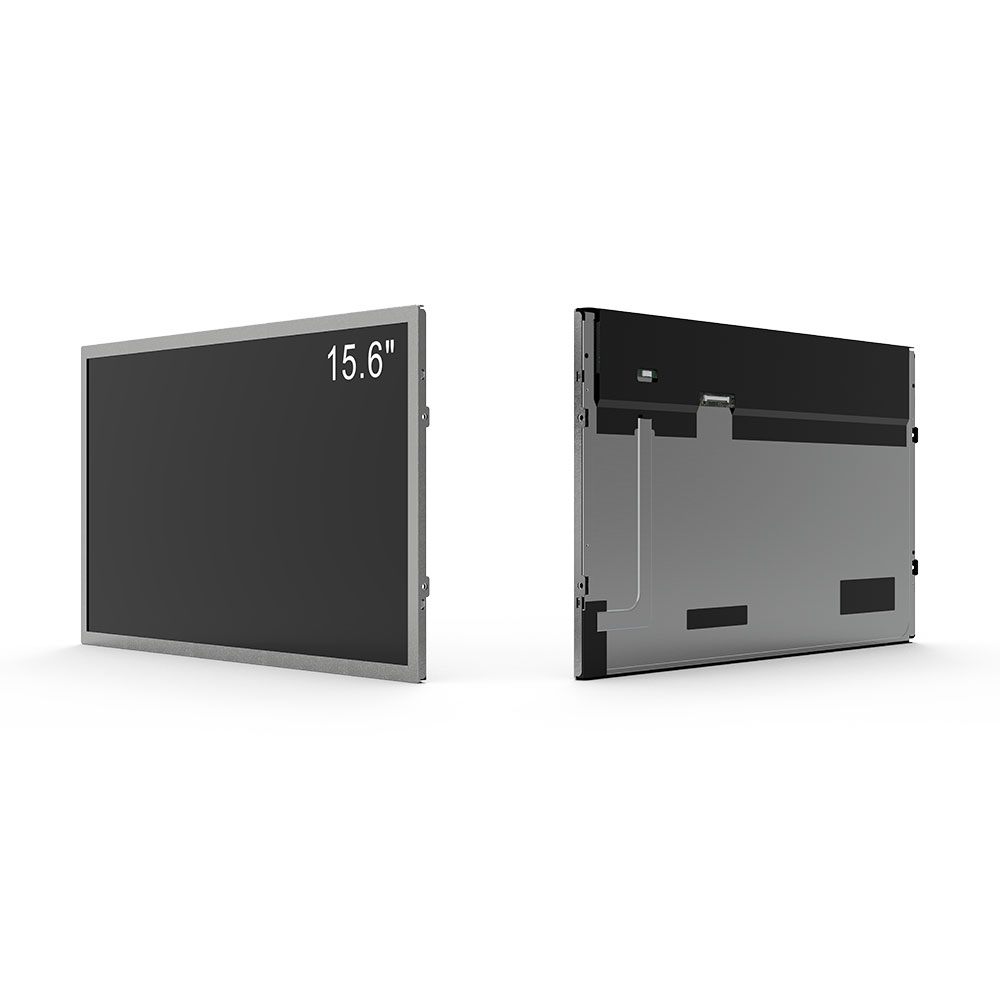
Moreover, manufacturers incorporate polarized filters and optically bonded glass to reduce internal reflections—a major issue in bright environments. The process of optical bonding involves laminating a layer of transparent adhesive between the LCD panel and cover glass, which not only enhances durability against shock and vibration but also improves contrast by minimizing air gaps that cause light scattering. According to a 2023 report by Display Supply Chain Consultants (DSCC), this technique has become standard in 85% of new outdoor-rated industrial displays.
Another critical factor is power efficiency. High-brightness LCDs consume more energy than standard panels, necessitating intelligent power management systems. Modern designs integrate adaptive brightness sensors that dynamically adjust luminance based on ambient light levels—an approach proven to reduce power consumption by up to 40%, according to a study published in IEEE Transactions on Consumer Electronics. This feature is especially valuable in battery-powered field equipment such as handheld GIS units or remote monitoring stations.
Case studies further validate the effectiveness of these solutions. In a 2022 project for a solar farm in Arizona, engineers deployed high-brightness LCDs with 4000-nit output across all monitoring kiosks. Despite temperatures exceeding 45°C and direct sun exposure for 12+ hours daily, operators reported zero issues with screen visibility or operational reliability over two years. Similarly, in public transit systems like London’s Underground, digital route maps using sunlight-readable LCDs improved passenger comprehension by 67%, as measured by user surveys conducted by Transport for London (TfL).
Standards such as MIL-STD-810G (for ruggedness) and IEC 60068 (for environmental stress testing) guide the development and certification of these displays. Compliance ensures they withstand extreme temperatures (-20°C to +70°C), humidity (up to 95%), dust ingress (IP65 rating), and mechanical shocks common in outdoor deployments.
For businesses seeking to deploy reliable outdoor displays, choosing a high-brightness sunlight-readable LCD means investing in long-term performance, reduced maintenance costs, and enhanced user experience—even in the most demanding conditions. With continuous advancements in LED efficiency, micro-LED backlighting, and AI-driven contrast optimization, the future of outdoor display technology promises even brighter, smarter, and more sustainable solutions.