RisingStar
- Home
- About Us
- Products
- News
- Video
- Contact
- Send Inquiry
Search
- Home
- About Us
- Products
- News
- Video
- Contact
- Send Inquiry
RisingStar
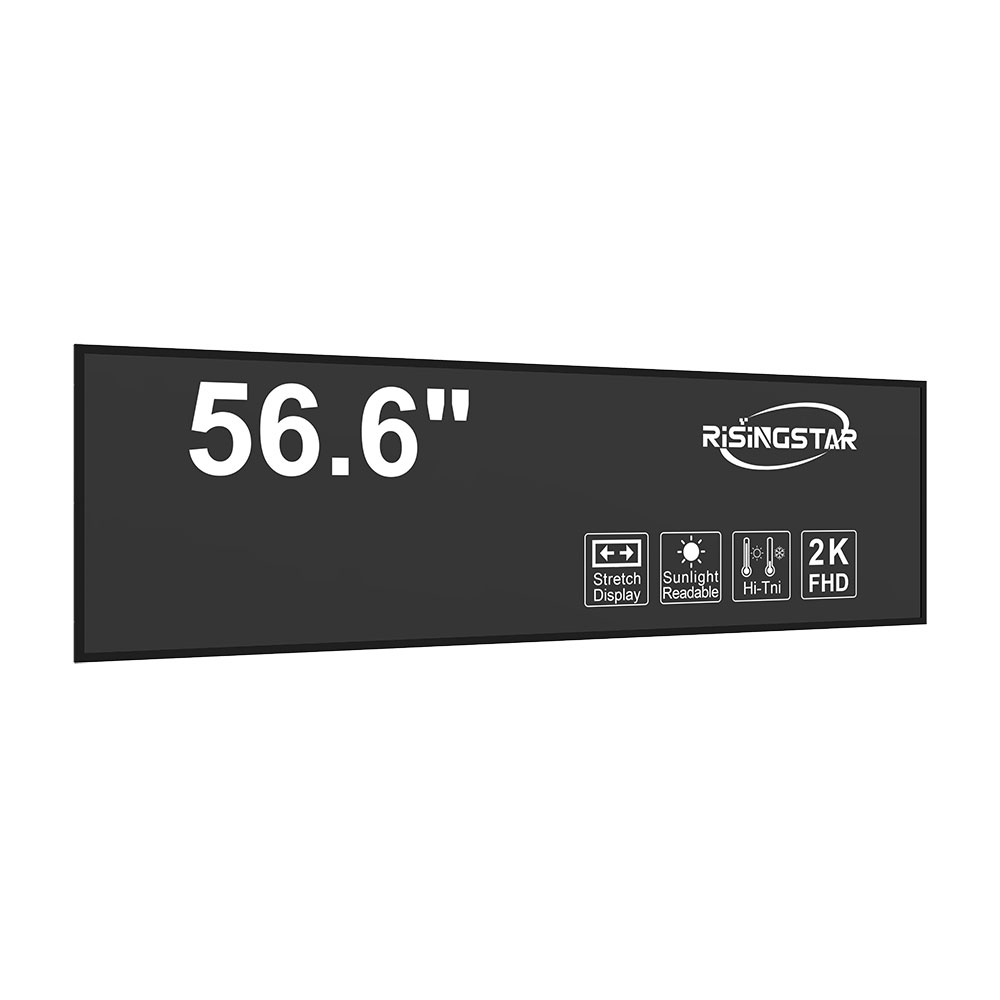
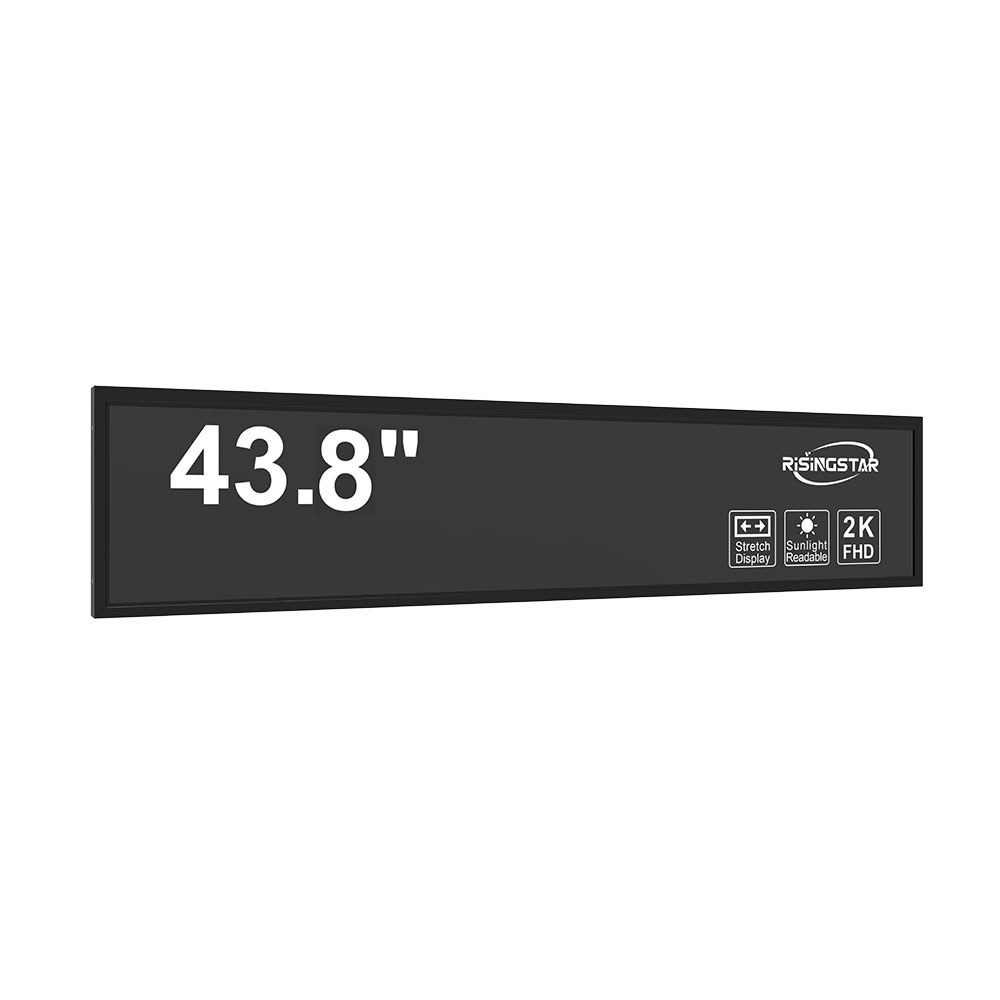
High-brightness sunlight-readable LCD screens have become indispensable in modern outdoor environments, from military field operations to public transportation systems and industrial control panels. These displays are engineered to maintain visibility under direct sunlight—typically exceeding 5,000 nits of brightness—which far surpasses the standard 300–500 nits found in indoor LCDs. The ability to perform reliably in extreme lighting conditions is critical for ensuring operational safety, user accuracy, and system uptime in applications ranging from aviation dashboards to agricultural machinery interfaces.
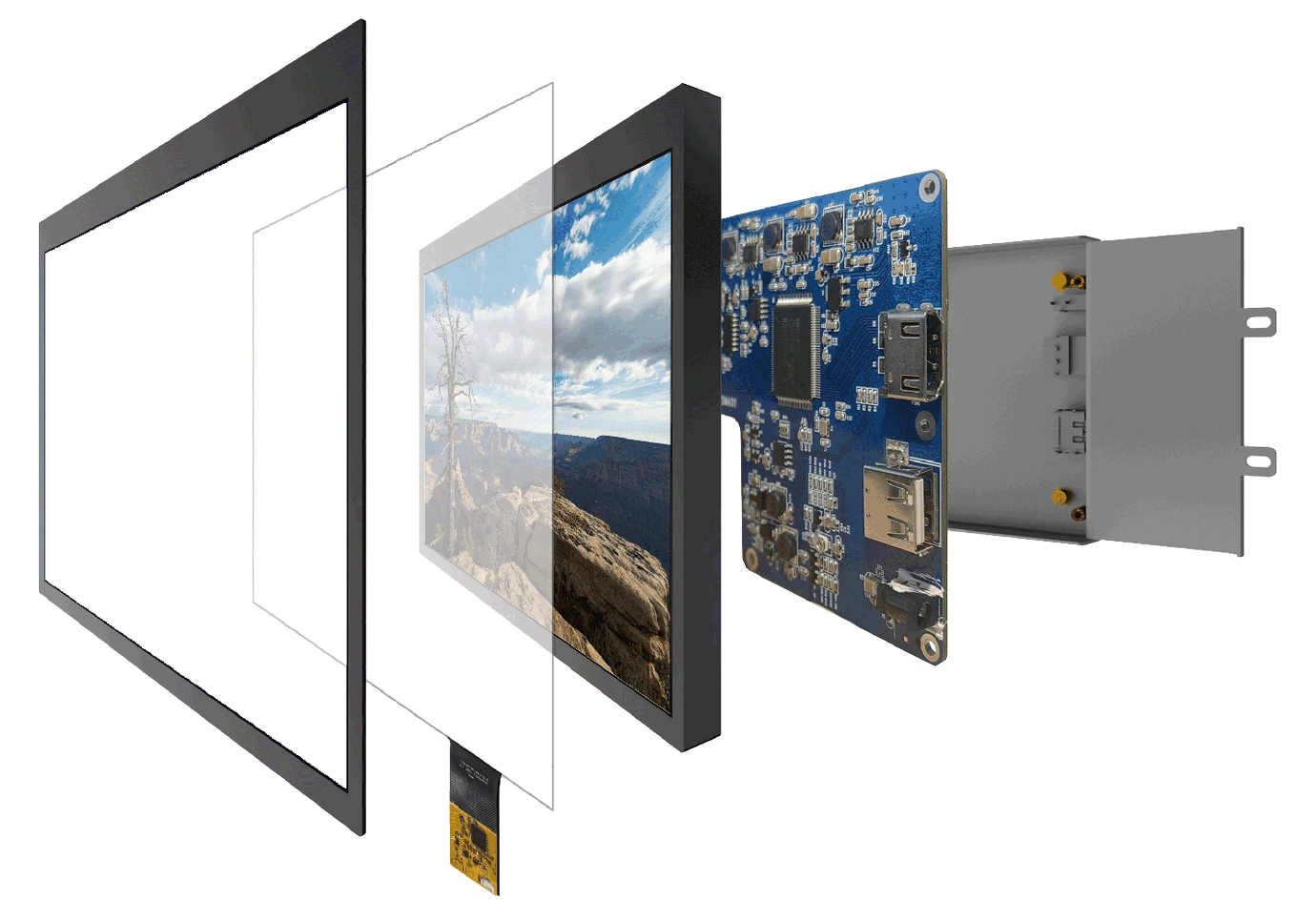
The core innovation behind sunlight-readable LCDs lies in their advanced optical design. Unlike conventional displays that rely solely on backlighting, these screens incorporate anti-glare coatings, high-efficiency polarizers, and sometimes even active contrast enhancement algorithms. Some models use transflective liquid crystal technology, which combines reflective and transmissive modes—allowing the display to reflect ambient light when in bright sunlight and switch to a full LED backlight in low-light conditions. This dual-mode approach significantly reduces power consumption while maximizing readability.
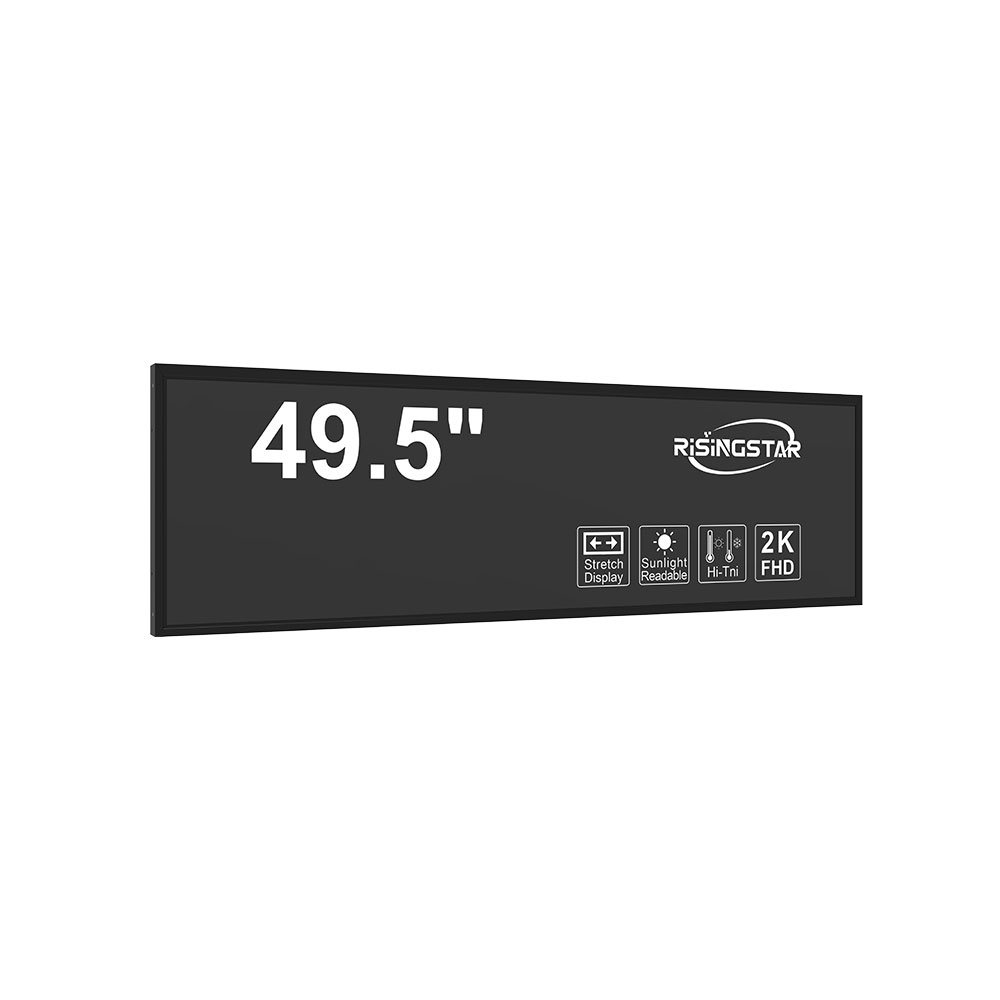
In addition to brightness, durability is another key factor. According to industry standards such as MIL-STD-810G and IP65/67 ratings, these displays must withstand shock, vibration, temperature extremes (-20°C to +70°C), humidity, and dust exposure. For instance, a case study conducted by ELO Touch Solutions in 2022 showed that their 10.4-inch sunlight-readable touchscreen used in emergency response vehicles maintained 99.7% functionality after 10,000 hours of continuous operation in desert conditions—a testament to robust engineering.
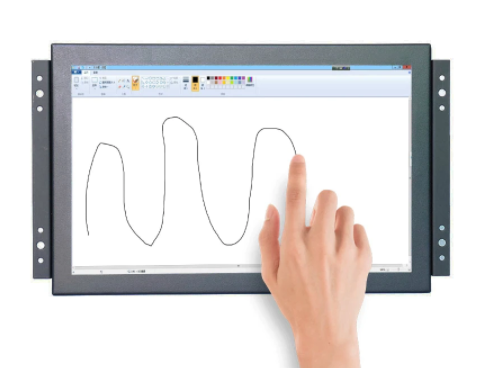
Manufacturers like LG Display, Sharp, and Novatek now offer dedicated outdoor-grade LCD panels optimized for high luminance. These panels often include integrated brightness sensors that auto-adjust output based on ambient light levels, reducing energy waste and extending screen life. Moreover, with the rise of IoT-enabled devices, many modern sunlight-readable displays support touch gestures, multi-touch inputs, and ruggedized Gorilla Glass or polycarbonate overlays for enhanced scratch resistance.
From a technical perspective, achieving true sunlight readability requires not only hardware improvements but also software-level optimizations. Firmware-based adaptive gamma correction and color temperature balancing ensure consistent image quality across different lighting scenarios. This holistic design approach—where optics, materials science, electronics, and software converge—is what makes today’s high-brightness LCDs so effective in real-world outdoor deployments.
As global demand increases for reliable human-machine interfaces in harsh environments—from solar farms in the Middle East to maritime navigation systems—the evolution of sunlight-readable LCDs will continue to be driven by innovations in mini-LED backlights, quantum dot enhancements, and AI-powered dynamic contrast management. For engineers and procurement teams, selecting the right display means understanding not just peak brightness (measured in nits) but also contrast ratio, viewing angle, power efficiency, and environmental resilience.