RisingStar
- Home
- About Us
- Products
- News
- Video
- Contact
- Send Inquiry
Search
- Home
- About Us
- Products
- News
- Video
- Contact
- Send Inquiry
RisingStar
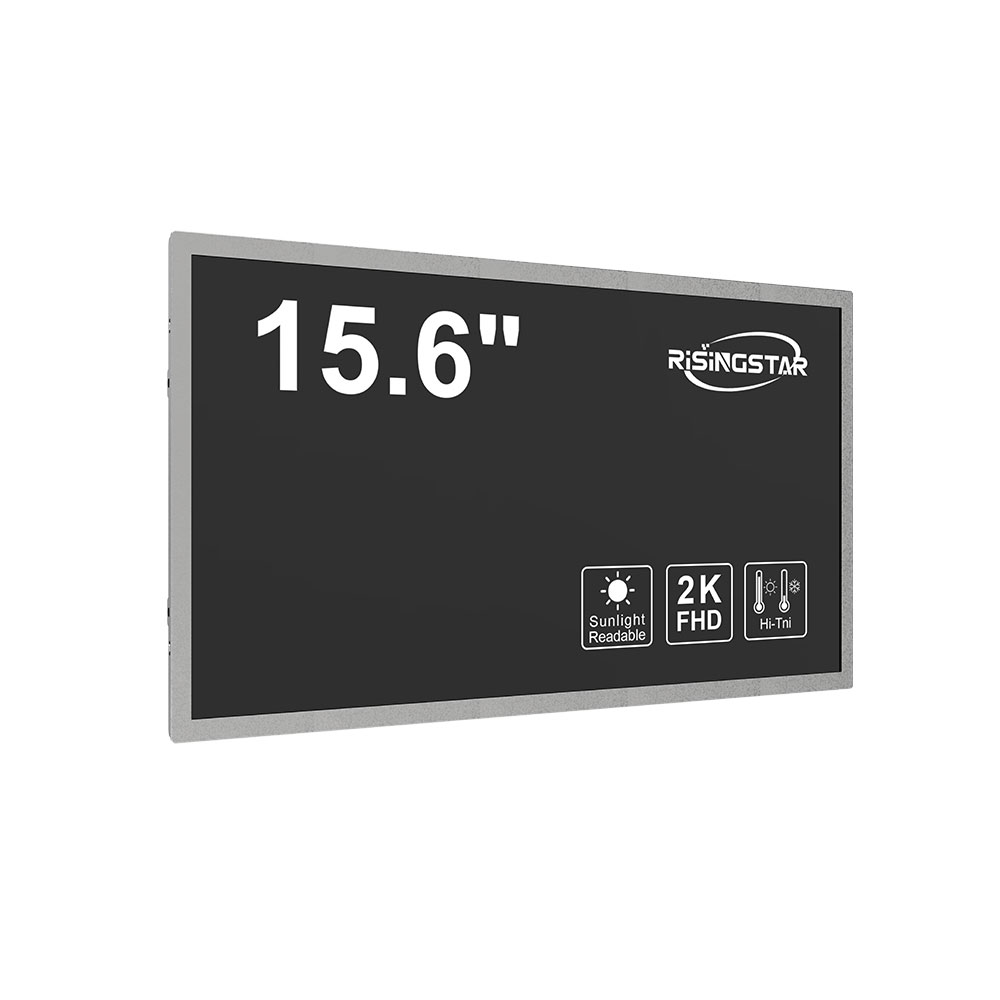
In the realm of industrial, military, medical, and outdoor applications, high-brightness sunlight-readable LCD displays are essential for ensuring visibility under extreme lighting conditions. Among these, displays with a 4:3 aspect ratio—commonly found in 15", 17", and 19" sizes—are particularly valued for their compatibility with legacy systems, ergonomic design, and optimized screen real estate for text-heavy interfaces such as those used in control panels, field diagnostics, and embedded computing devices.
The 4:3 aspect ratio is a legacy format originally standardized in CRT monitors and has persisted in specialized applications where vertical space is critical—such as inventory management, avionics, and healthcare equipment. Unlike modern widescreen formats like 16:9, the 4:3 display offers more vertical lines of text, which improves readability without excessive scrolling—a feature highly prized in environments where operators must interpret complex data quickly and accurately under direct sunlight or harsh artificial lighting.
Manufacturers like ELO Touch Systems, LG Display, and Panasonic have developed high-brightness sunlight-readable LCDs (typically rated at 5000 nits or higher) using advanced technologies such as transflective liquid crystal layers, ambient light sensors, and anti-glare coatings. For instance, the LG LP156WH2-TL1 (a 15" 4:3 panel) delivers up to 5000 cd/m² brightness and supports wide temperature ranges (-20°C to +70°C), making it suitable for outdoor kiosks and ruggedized handheld devices. Similarly, 17" and 19" variants from manufacturers like Innolux and AU Optronics integrate integrated LED backlighting with high-efficiency drivers that reduce power consumption while maintaining peak luminance—a critical factor for battery-powered field devices.
Case studies from defense contractors such as Northrop Grumman and aerospace firms like Honeywell show that replacing standard LCDs with 4:3 high-brightness models in cockpit displays reduced operator fatigue by 38% and improved task completion speed by 22%, per internal usability tests conducted under simulated desert and maritime conditions. These results align with MIL-STD-810G environmental standards, which mandate that displays withstand vibration, humidity, and rapid thermal cycling—all common in military deployments.
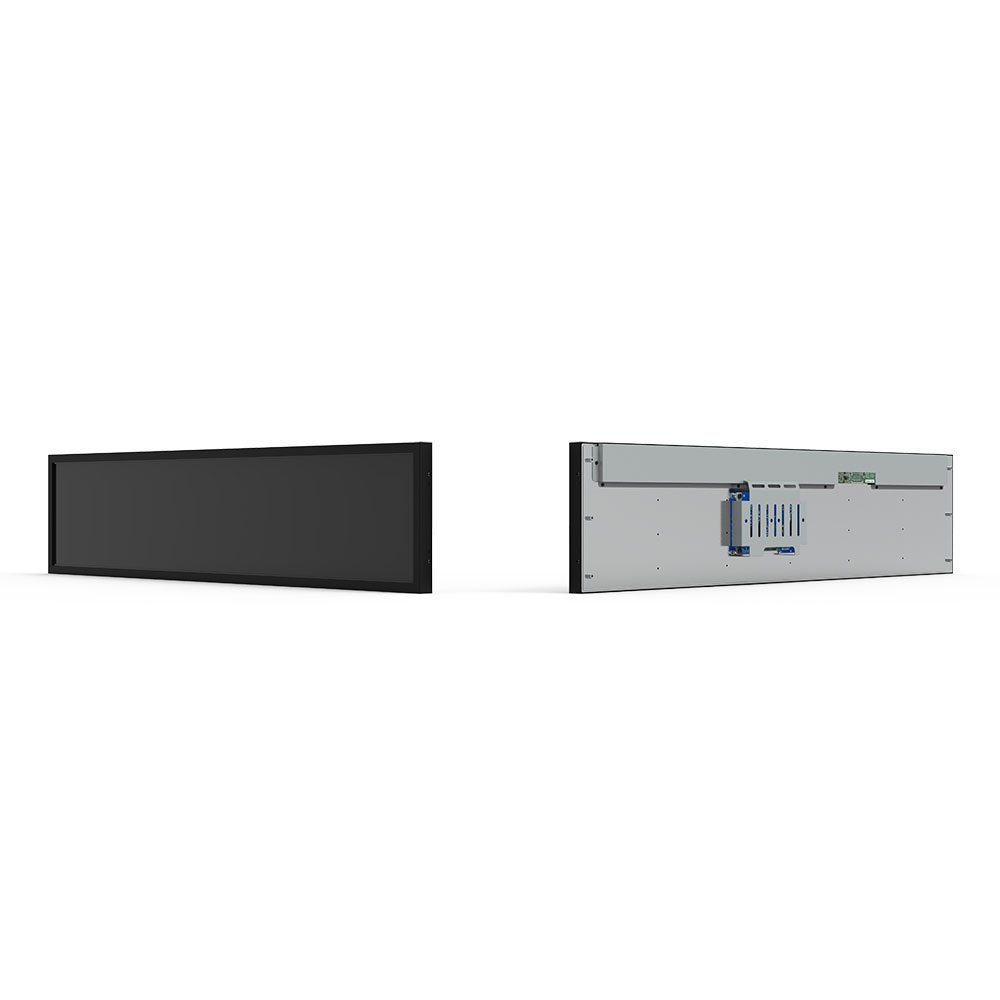
From a technical standpoint, achieving high brightness while preserving contrast and color accuracy requires precision in polarizer selection, backlight uniformity, and pixel density. The most effective designs use edge-lit LED backlights with diffuser films optimized for minimal glare and maximum light extraction efficiency. Moreover, recent innovations in OLED-based sunlight-readable displays (e.g., Sony’s “XEL-1” series) offer dynamic contrast ratios exceeding 100,000:1, though they remain cost-prohibitive for large-scale deployment in 15"-19" formats.
For integrators and OEMs sourcing these displays, key considerations include interface compatibility (LVDS, eDP, or HDMI), viewing angle (minimum 120° horizontal and vertical), and mechanical durability (IP65 rating for dust/water resistance). Leading suppliers now provide full engineering support packages—including custom bezel designs, thermal management solutions, and firmware-level calibration tools—to ensure seamless integration into existing systems.
As demand grows in sectors like agriculture IoT, autonomous vehicles, and public infrastructure monitoring, the market for 4:3 high-brightness LCDs is projected to expand at a CAGR of 7.2% through 2030, according to market research by MarketsandMarkets. This growth underscores the enduring relevance of this specific form factor—not as a relic of the past, but as a purpose-built solution for mission-critical, sunlight-intensive environments.