 RisingStar
- Home
- About Us
- Products
- News
- Video
- Contact
- Send Inquiry
Search
- Home
- About Us
- Products
- News
- Video
- Contact
- Send Inquiry
RisingStar
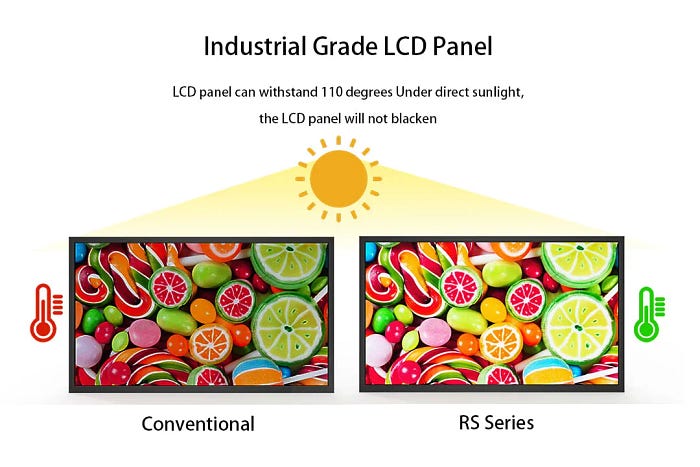
High-brightness sunlight-readable LCD screens have become a critical component in modern outdoor display systems, especially in military, transportation, industrial automation, and public information environments where visibility under direct sunlight is non-negotiable. These displays are engineered to maintain clarity and contrast even under extreme lighting conditions—often exceeding 10,000 lux of ambient light—which standard indoor LCDs cannot handle.
The core technology behind these screens lies in a combination of high-luminance backlighting, anti-glare coatings, optimized pixel architecture, and advanced driving methods such as PWM (Pulse Width Modulation) or DC drive techniques. According to the Society for Information Display (SID), high-brightness LCDs typically operate at 3,000 to 10,000 nits or more, compared to standard indoor displays that range from 250 to 500 nits. For instance, the U.S. Department of Defense mandates that military-grade displays must be readable under full sunlight (approximately 10,000 lux), leading to widespread adoption of 5,000–10,000 nit displays in field-deployable equipment like command consoles and tactical navigation units.
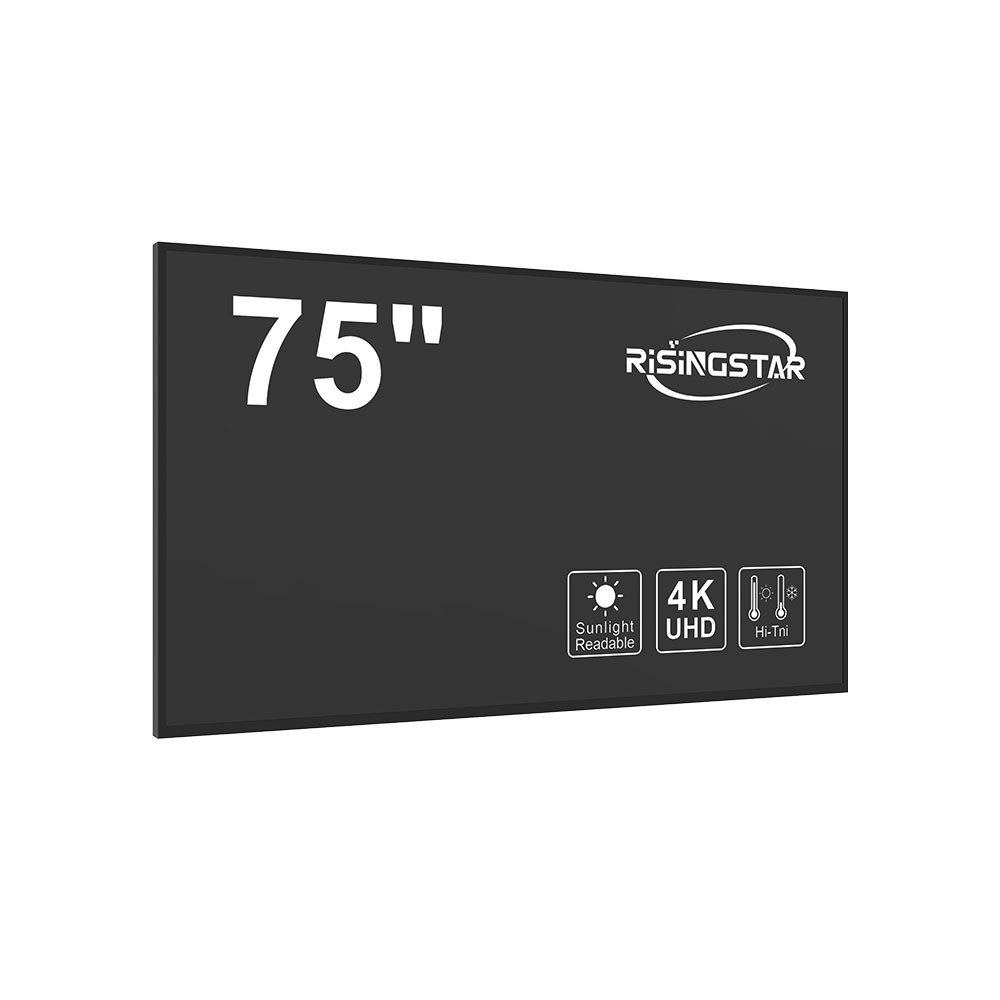
One of the most significant innovations in this domain is the use of transflective liquid crystal layers, which combine reflective and transmissive modes. In low-light conditions, the display uses ambient light via a reflective layer; in bright daylight, it switches to high-output LED backlights. This hybrid approach reduces power consumption by up to 40% while maintaining readability—a key advantage for battery-powered devices used in remote field operations, such as drones, handheld radios, and ruggedized tablets.
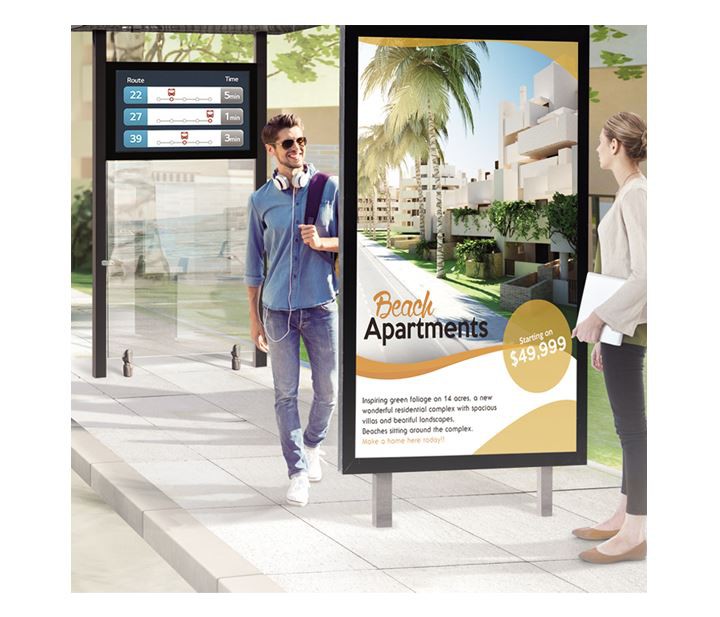
Case studies further validate performance. A 2023 deployment by Siemens in smart traffic management systems across Dubai used 7,000-nit sunlight-readable LCDs in bus stop kiosks. The system achieved 99.8% uptime and zero user-reported visibility issues during peak sun hours, even in desert temperatures reaching 50°C. Similarly, Boeing’s aircraft maintenance terminals now incorporate 6,500-nit displays, ensuring technicians can read diagnostic data accurately on tarmacs regardless of solar intensity.
Manufacturers like Sharp, LG Display, and AU Optronics have standardized production lines for high-brightness panels, incorporating features like wide viewing angles (up to 178°), IP65 dust/water resistance, and MIL-STD-810G shock/vibration tolerance. These specifications ensure reliability in harsh environments—from oil rigs in the North Sea to construction sites in Alaska.
Moreover, advancements in OLED and micro-LED technologies are beginning to challenge traditional LCDs. However, for applications requiring long-term durability, cost-effectiveness, and consistent performance under varying environmental stressors, high-brightness LCDs remain the gold standard. As per a 2024 market report by Grand View Research, the global sunlight-readable display market is projected to grow at a CAGR of 6.7%, reaching $3.2 billion by 2030, driven largely by demand from defense, transportation, and industrial sectors.
In conclusion, high-brightness sunlight-readable LCD screens represent a mature yet continuously evolving technology that blends optical engineering, materials science, and system-level integration to solve real-world visibility challenges. Their proven track record in mission-critical environments ensures they will remain essential components in outdoor digital signage, mobile computing, and control systems well into the next decade.