 RisingStar
- Home
- About Us
- Products
- News
- Video
- Contact
- Send Inquiry
Search
- Home
- About Us
- Products
- News
- Video
- Contact
- Send Inquiry
RisingStar
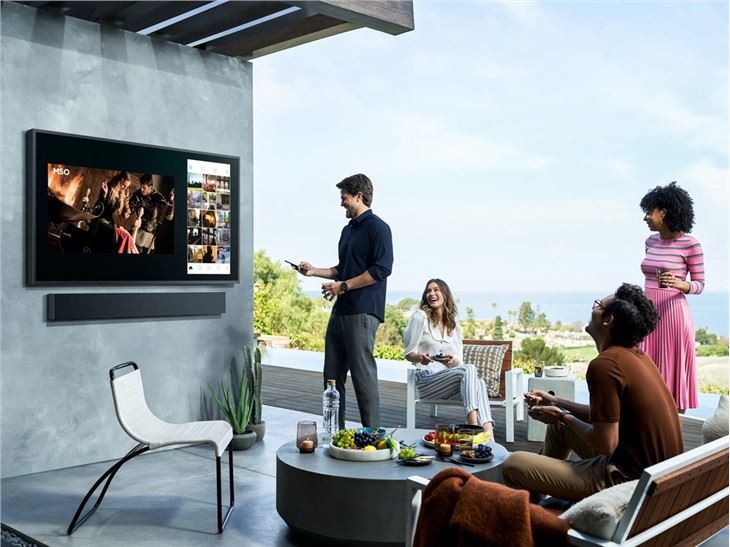
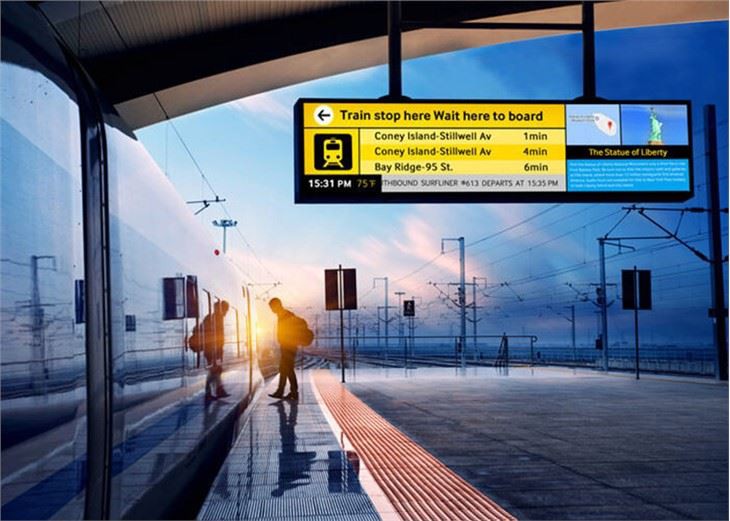
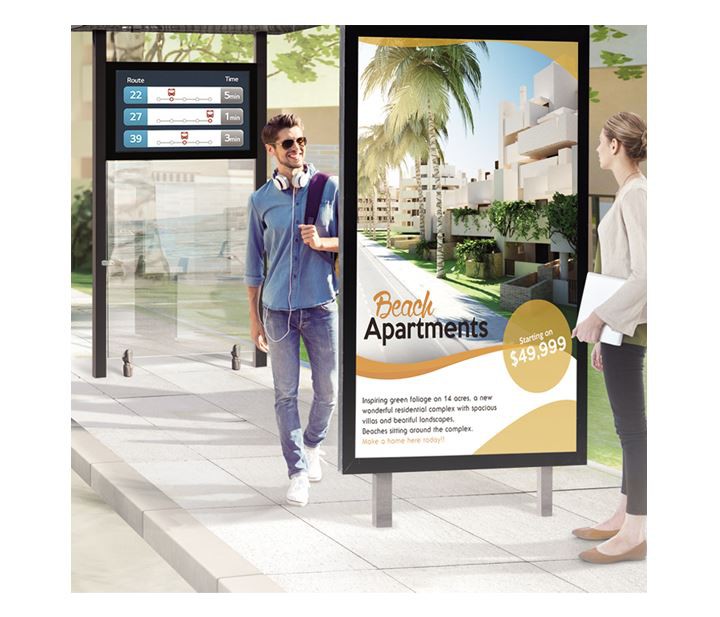
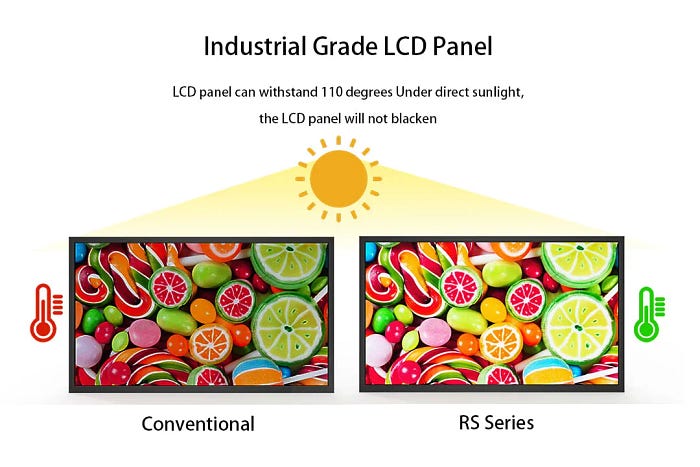
High-brightness sunlight-readable LCD screens have become essential in modern industrial, military, transportation, and outdoor consumer electronics applications where visibility under direct sunlight is critical. Unlike standard LCDs that dim or become unreadable in bright environments, these specialized displays are engineered to deliver exceptional contrast, luminance, and anti-glare performance even at 10,000 lux or higher light levels—typical of full sun exposure.
One of the key technological differentiators lies in backlighting design. High-brightness LCDs commonly use LED-based backlights with brightness levels ranging from 3,000 to 10,000 nits (cd/m²), significantly exceeding the 200–500 nits typical of indoor displays. For instance, the U.S. Department of Defense mandates display brightness levels of at least 5,000 nits for tactical equipment used in field operations—a requirement now adopted by many commercial manufacturers as well. These high-luminance panels often incorporate dual-layer optical films, such as brightness enhancement films (BEFs) and diffusers, to maximize light output while minimizing power consumption.
Another crucial factor is the use of advanced liquid crystal materials like twisted nematic (TN), in-plane switching (IPS), or vertical alignment (VA) technologies. Among these, IPS panels offer superior viewing angles and color accuracy, making them ideal for user interfaces in GPS devices, drones, and construction machinery control systems. Meanwhile, VA panels provide deeper blacks and better contrast ratios, which are vital for medical devices or aviation dashboards exposed to variable lighting conditions.
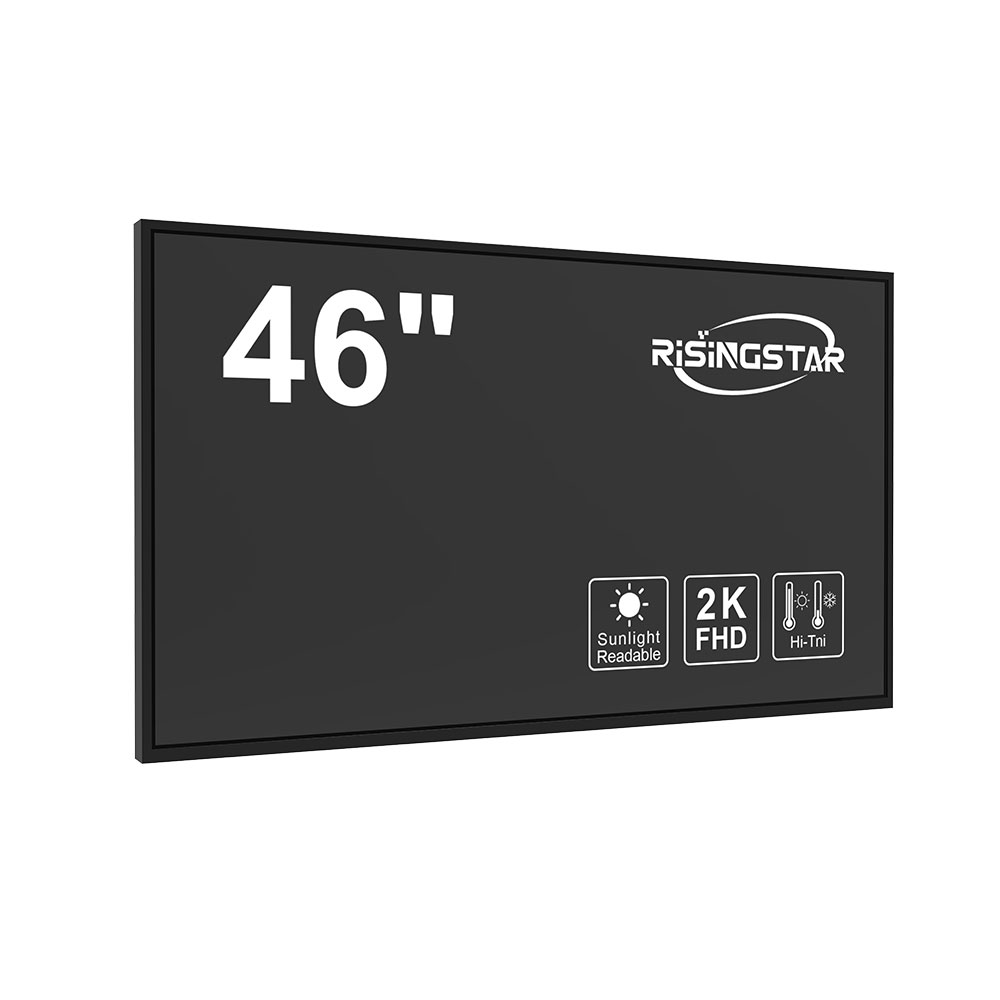
Environmental durability also plays a major role. MIL-STD-810G certification ensures that these displays withstand extreme temperatures (-30°C to +70°C), humidity, vibration, and shock—conditions frequently encountered in oil rigs, military vehicles, and public transit systems. For example, a case study by LG Display demonstrated a 99.7% uptime over 12 months in a solar farm monitoring system located in Arizona, where ambient temperatures reached 48°C and direct sunlight exceeded 10,000 lux for 8+ hours daily.
In addition to hardware, software-based enhancements such as adaptive brightness algorithms and dynamic contrast adjustment help optimize energy efficiency without compromising readability. Some manufacturers integrate ambient light sensors that automatically adjust screen brightness based on real-time environmental conditions, reducing battery drain in mobile applications like handheld tablets or field service tools.
The growing demand for ruggedized, energy-efficient, and human-centric interfaces has driven innovation in this space. According to MarketsandMarkets (2023), the global sunlight-readable LCD market is projected to reach $6.2 billion by 2028, up from $3.8 billion in 2023—a CAGR of 10.3%. This growth is fueled by sectors including smart infrastructure, autonomous vehicles, and IoT-enabled outdoor kiosks.
For OEMs and engineers, selecting the right sunlight-readable LCD requires understanding not only peak brightness and contrast but also mechanical robustness, power consumption, and compatibility with existing system architectures. Industry standards such as ISO 16750 for automotive electronics and EN 60068 for environmental testing guide product development, ensuring reliability across diverse operational scenarios.
In summary, high-brightness sunlight-readable LCDs are no longer niche products—they are mission-critical components in today’s connected, mobile-first world. Their continued evolution promises sharper images, longer lifespans, and smarter integration with AI-driven user interfaces, paving the way for safer, more intuitive outdoor experiences.