 RisingStar
- Home
- About Us
- Products
- News
- Video
- Contact
- Send Inquiry
Search
- Home
- About Us
- Products
- News
- Video
- Contact
- Send Inquiry
RisingStar
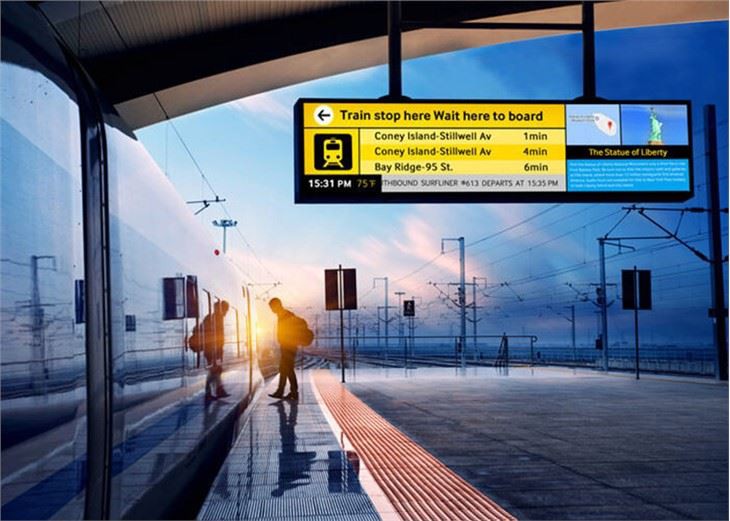
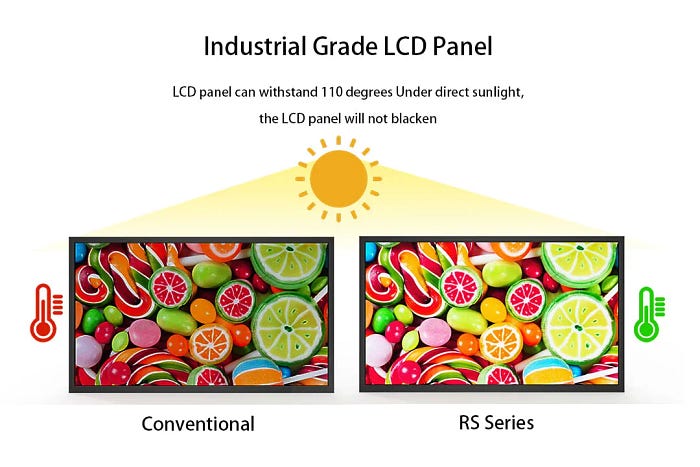
In today’s increasingly connected world, the demand for reliable, high-performance display technologies in outdoor and extreme environments has never been greater. From military operations to industrial automation, transportation systems to public information kiosks, sunlight-readable LCD screens have become essential tools that ensure visibility, safety, and operational continuity under direct sunlight. These displays are engineered not only to withstand intense ambient light but also to maintain clarity, contrast, and responsiveness even in harsh weather conditions—temperatures ranging from -30°C to +70°C, humidity levels above 95%, and exposure to dust, vibration, and shock.
The core challenge in designing a sunlight-readable LCD lies in overcoming the fundamental limitation of standard LCDs: poor visibility under bright sunlight. Traditional liquid crystal displays rely on backlighting, which often fails to compete with natural sunlight exceeding 100,000 lux—a level common in equatorial regions or during midday at high altitudes. To address this, manufacturers use several advanced techniques including high-brightness LED backlights (typically 5,000 to 10,000 nits), anti-reflective coatings, polarized filters, and active matrix addressing technologies such as TFT (Thin-Film Transistor). According to industry benchmarks from the Society for Information Display (SID), professional-grade sunlight-readable displays must achieve a minimum brightness of 5,000 nits, with some models reaching up to 10,000 nits for military-grade applications.
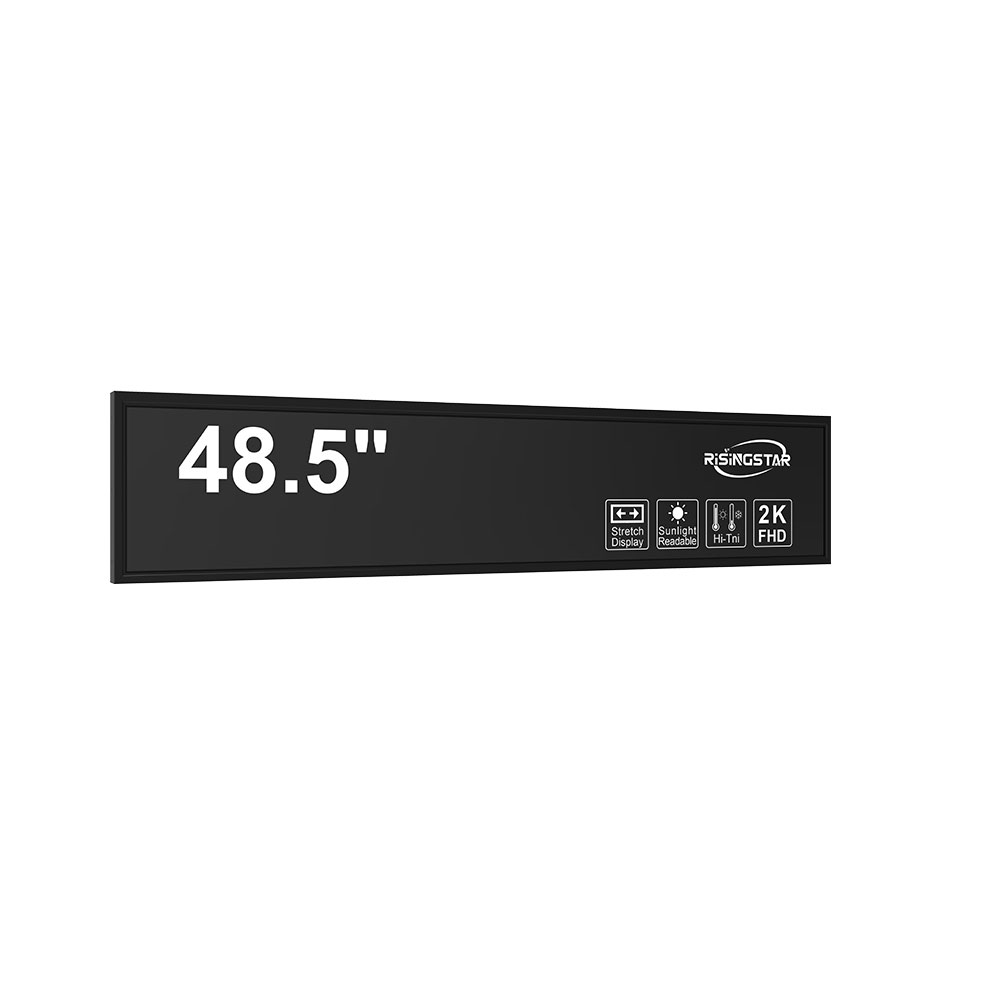
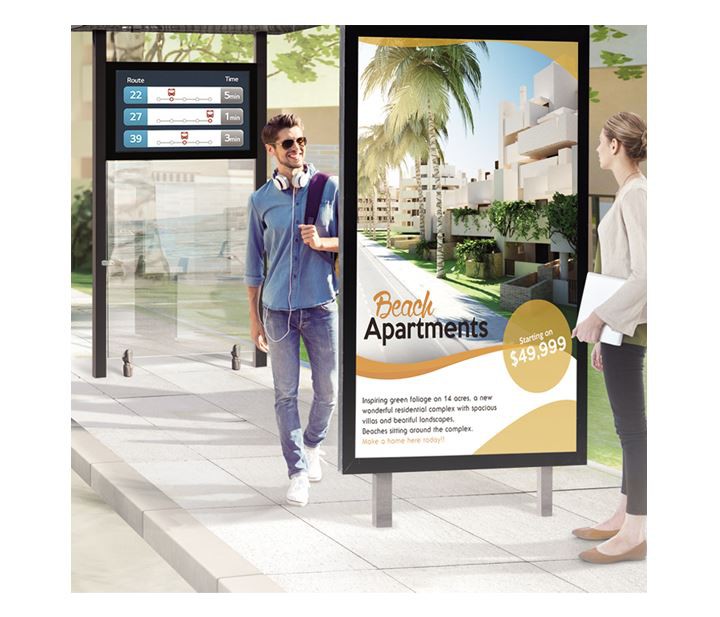
Case studies validate the effectiveness of these solutions. For instance, the U.S. Department of Defense has standardized on 8,000-nit displays for battlefield command systems due to their proven reliability in desert and jungle conditions. Similarly, automotive OEMs like Tesla and BMW now integrate high-brightness LCDs in dashboards designed for full-sun operation without glare distortion. In the public sector, cities such as Singapore and Dubai deploy outdoor digital signage using sunlight-readable LCDs that operate continuously under tropical sun, achieving over 99% uptime despite temperature fluctuations.
Moreover, modern sunlight-readable LCDs incorporate intelligent features such as automatic brightness adjustment via ambient light sensors (ALS), which optimize power consumption while maintaining readability. These displays also support wide viewing angles (>160°), fast response times (<20ms), and ruggedized housing meeting IP65 or higher protection standards against water and dust ingress. The integration of touch functionality—especially capacitive or infrared-based touch layers—further enhances usability in gloves-on scenarios, common in aviation, construction, and cold-chain logistics.
From a technical standpoint, OLED and microLED technologies are emerging as alternatives, offering superior contrast ratios and deeper blacks. However, for mass-market and mission-critical applications, LCD remains the most cost-effective and mature solution. With advancements in quantum dot (QD) enhancement layers and low-power drivers, LCD-based sunlight-readable displays continue to lead in performance per watt and long-term reliability.
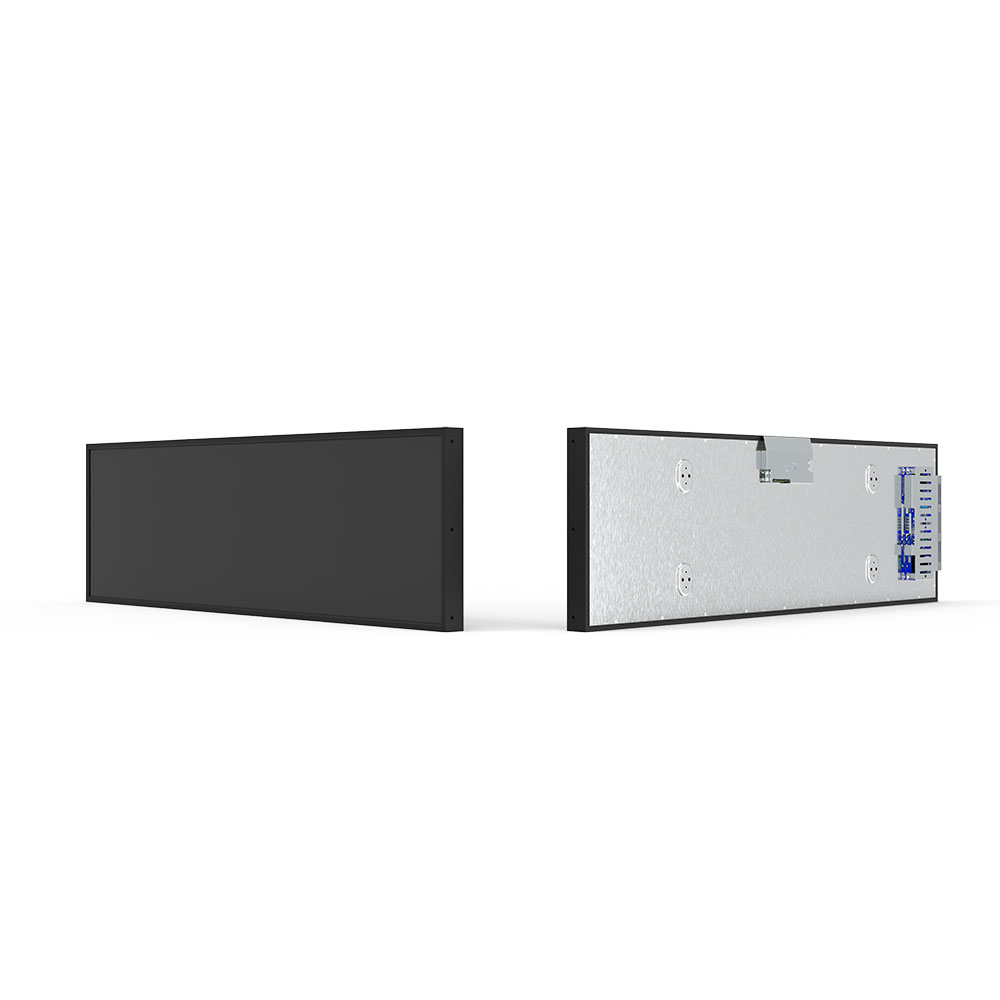
In conclusion, high-brightness sunlight-readable LCDs represent a critical convergence of optical engineering, materials science, and human-centered design. Their widespread adoption across defense, transportation, and smart infrastructure underscores their role in enabling real-time decision-making under challenging environmental conditions. As global deployment of IoT-enabled outdoor systems accelerates, these displays will remain indispensable—not just for visibility, but for resilience, efficiency, and safety.