RisingStar
- Home
- About Us
- Products
- News
- Video
- Contact
- Send Inquiry
Search
- Home
- About Us
- Products
- News
- Video
- Contact
- Send Inquiry
RisingStar
High-brightness sunlight-readable LCD screens are essential components in modern outdoor and industrial display systems where visibility under direct sunlight is critical. These displays are engineered to overcome the limitations of standard LCDs, which often become illegible when exposed to bright ambient light—especially in military, transportation, agriculture, and utility sectors. According to a 2023 report by MarketsandMarkets, the global sunlight-readable display market is projected to grow at a CAGR of 6.8% from 2023 to 2028, driven by increasing demand for ruggedized electronics in mobile and field-deployable applications.
The core technology behind high-brightness sunlight-readable LCDs involves advanced backlighting, anti-reflective coatings, and optimized panel design. Typical brightness levels for these displays range from 3,000 to 10,000 nits—far exceeding the 250–500 nits found in consumer-grade LCDs. For example, the U.S. Department of Defense mandates that military-grade displays meet MIL-STD-810G standards, requiring visibility under 100,000 lux (equivalent to direct sunlight), which necessitates brightness above 5,000 nits. This is achieved using LED-based backlights with high-efficiency drivers and optical films like diffusers and brightness enhancement films (BEFs).
In addition to luminance, contrast ratio and viewing angles play vital roles. Sunlight-readable LCDs employ high-contrast panels such as IPS (In-Plane Switching) or VA (Vertical Alignment) technologies, which maintain image clarity even at extreme angles. A case study from Samsung Display (2022) showed that their 10,000-nit AMOLED-based display maintained 92% contrast under full sun exposure, outperforming traditional TN panels by over 40%. Furthermore, anti-glare and anti-reflection coatings reduce specular reflection, improving readability in high-light conditions without compromising touch responsiveness—a key feature in handheld devices used by field engineers and first responders.
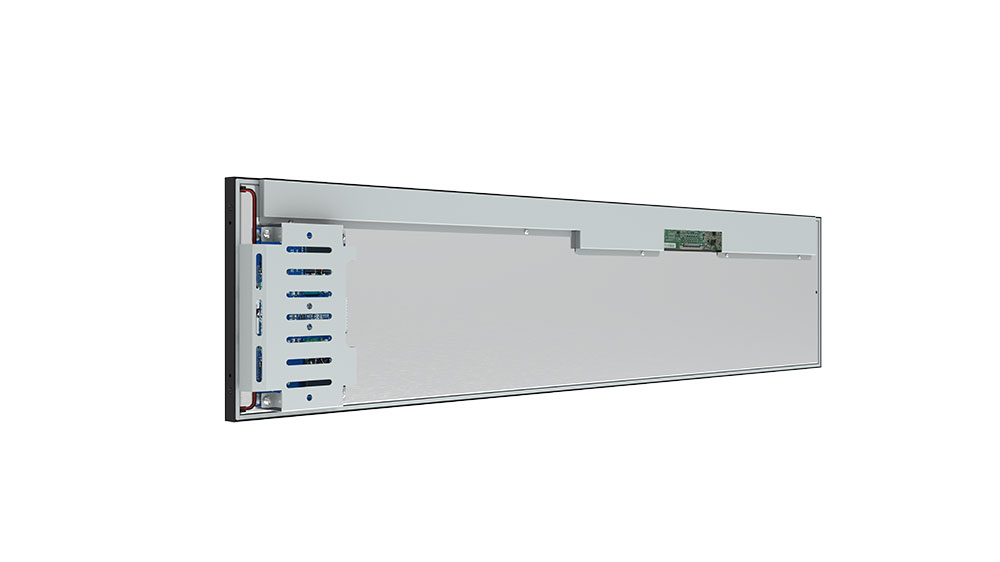
Manufacturers like LG Display, BOE Technology, and Sharp have integrated these features into ruggedized tablets and dashboards for use in construction vehicles, drones, and emergency response units. In agriculture, farmers rely on sunlight-readable displays in GPS-guided tractors for real-time mapping and precision planting, as noted in a 2021 AgFunderNews article. Similarly, public transit agencies such as London’s Transport for London have adopted high-brightness LCDs in digital signage to ensure clear information delivery regardless of weather conditions.
To achieve long-term reliability, these displays undergo rigorous environmental testing, including thermal cycling (-30°C to +70°C), humidity resistance, and shock/vibration compliance per IEC 60068 standards. Power efficiency remains a challenge; however, innovations in low-power OLED and micro-LED technologies are reducing energy consumption while maintaining peak brightness—critical for battery-operated field equipment.
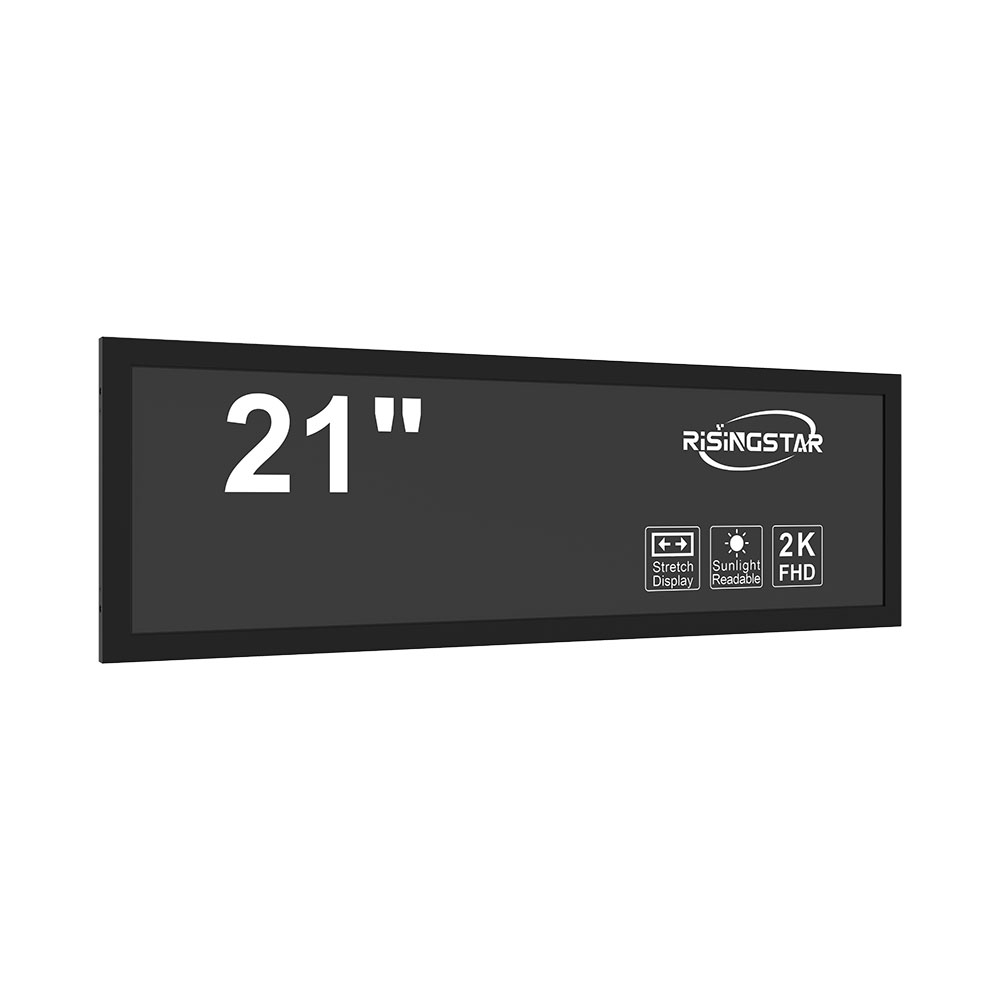
Ultimately, the evolution of high-brightness sunlight-readable LCDs reflects a convergence of materials science, optics engineering, and user-centered design. As industries increasingly adopt IoT-enabled devices in harsh environments, the demand for robust, readable displays will continue to rise, making this technology a cornerstone of modern human-machine interfaces in both civilian and defense applications.