RisingStar
- Home
- About Us
- Products
- News
- Video
- Contact
- Send Inquiry
Search
- Home
- About Us
- Products
- News
- Video
- Contact
- Send Inquiry
RisingStar
Outdoor digital signage has become an essential communication tool in modern urban environments, retail spaces, transportation hubs, and public utilities. However, the effectiveness of these displays heavily depends on their ability to remain visible under direct sunlight—a challenge that standard indoor LCDs fail to meet. This is where high-brightness sunlight-readable LCD screens come into play, offering reliable performance even in harsh outdoor lighting conditions.
A key specification for outdoor digital signage is brightness measured in nits (candelas per square meter). While typical indoor LCDs range from 200 to 500 nits, sunlight-readable LCDs must exceed 3,000 nits—often reaching 5,000 to 10,000 nits—to ensure legibility under full sun exposure. These displays use advanced technologies such as anti-glare coatings, enhanced LED backlighting, and optimized contrast ratios to maintain clarity and color accuracy. For example, manufacturers like Sharp, LG, and Samsung have developed proprietary optical bonding techniques that reduce reflections and improve light transmission, making them ideal for use in airports, bus stops, and gas stations.
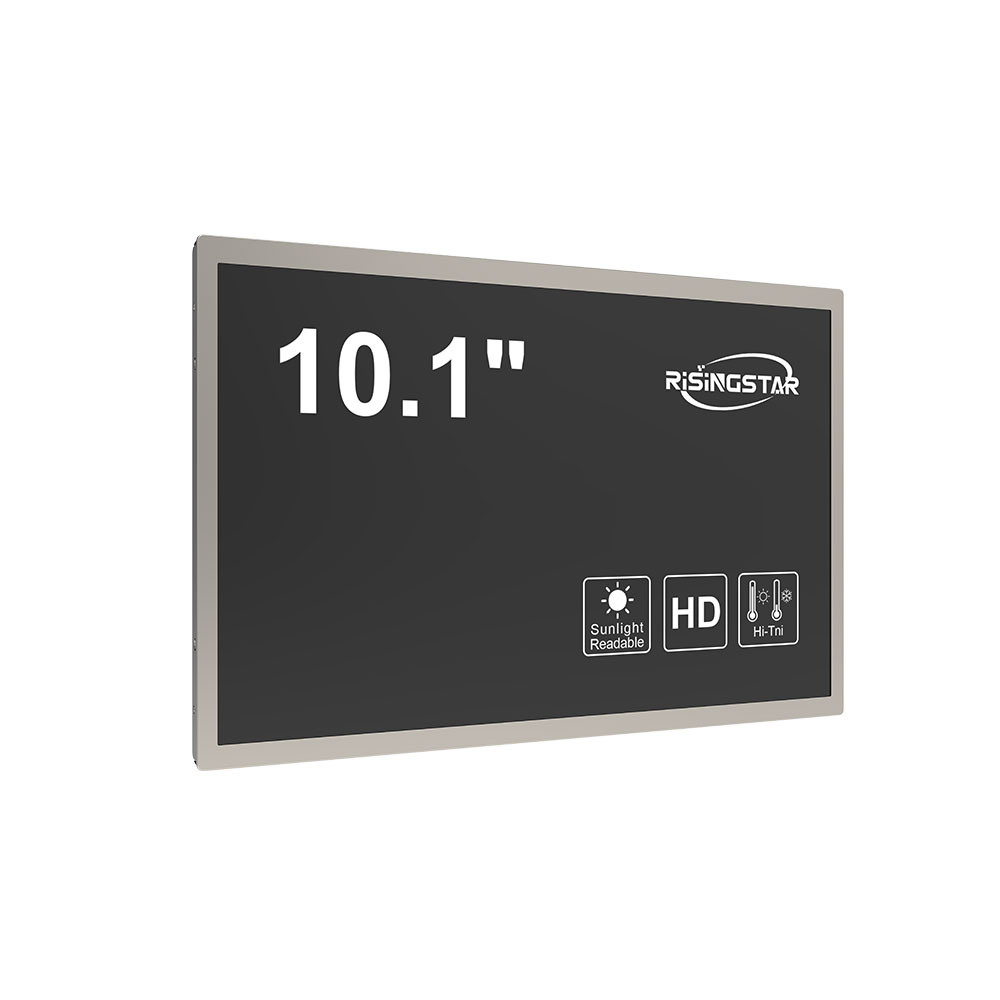
Another critical factor is environmental resilience. Outdoor digital signage often faces extreme temperatures, humidity, dust, and vibration. Therefore, robust enclosures with IP65 or higher ratings are essential. Additionally, wide viewing angles (typically 178°) ensure visibility from multiple perspectives—an advantage for pedestrians and drivers alike. Some models now incorporate automatic brightness control (ABC), which dynamically adjusts screen luminance based on ambient light levels, reducing power consumption while maintaining optimal visibility.
Case studies show successful deployment in real-world settings. In Dubai’s metro system, sunlight-readable LCDs mounted on platform screens operate reliably in desert heat exceeding 45°C, delivering clear information to commuters despite direct solar exposure. Similarly, a major U.S. supermarket chain replaced traditional billboards with 4K sunlight-readable digital signage in parking lots, increasing customer engagement by over 40% during peak hours. These examples highlight not only technical viability but also commercial impact.
From a cost perspective, although initial investment is higher than conventional displays, long-term savings through reduced maintenance and energy efficiency make sunlight-readable LCDs a smart choice for businesses and municipalities. Industry standards such as IEC 60068-2 for environmental testing and EN 55032 for electromagnetic compatibility ensure compliance with global safety and performance benchmarks.
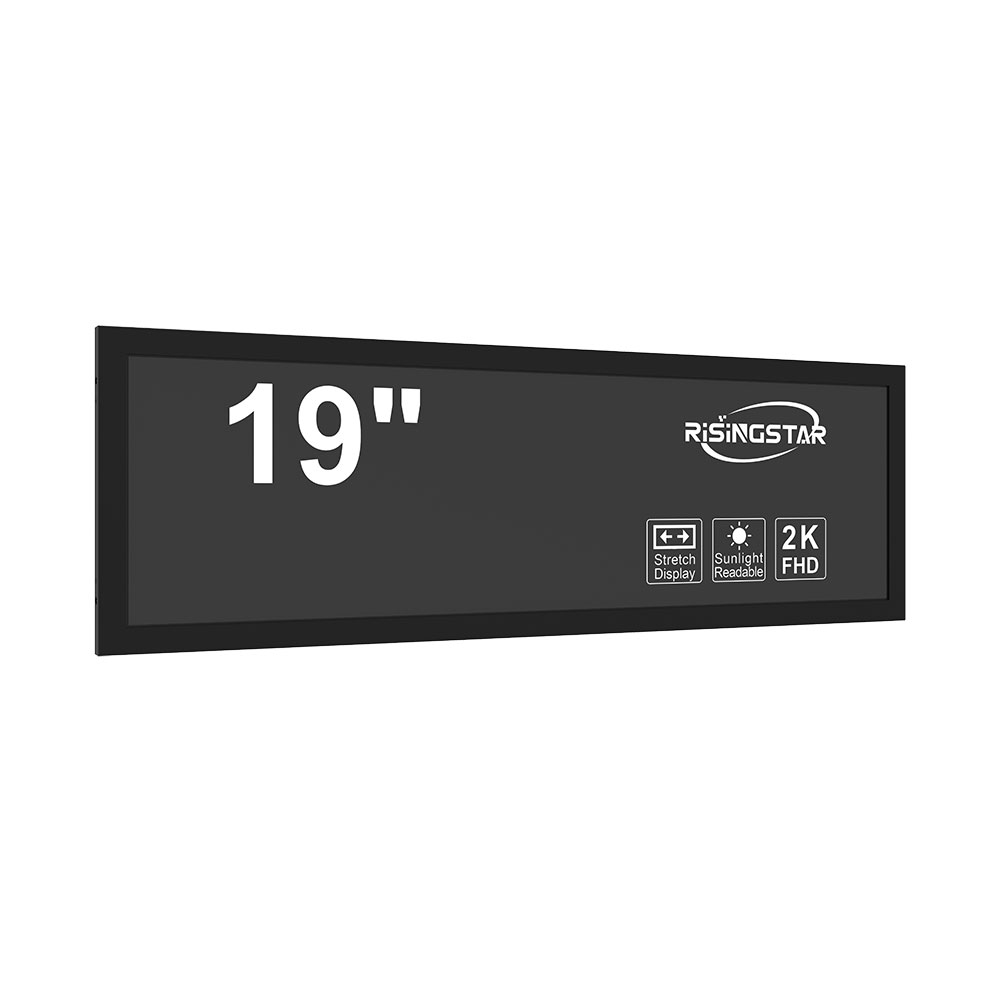
In conclusion, the evolution of high-brightness outdoor digital signage hinges on the integration of sunlight-readable LCD technology. As cities become smarter and consumer expectations rise, investing in durable, high-performance displays will continue to drive innovation across industries—from retail and transit to public safety and advertising.