 RisingStar
- Home
- About Us
- Products
- News
- Video
- Contact
- Send Inquiry
Search
- Home
- About Us
- Products
- News
- Video
- Contact
- Send Inquiry
RisingStar
Transit authorities worldwide face a persistent challenge: delivering reliable, clear passenger information displays (PID) that endure harsh operational conditions while meeting evolving passenger needs. Off-the-shelf displays often fall short—failing to withstand rolling stock vibration, deliver sunlight readability in extreme environments, or align with strict railway and transit safety standards—leading to high maintenance costs, frequent replacements, and degraded passenger experience. This article explores the critical technical requirements for custom PID displays, compliance with global transit standards, and tailored configurations for onboard and at-station applications, helping authorities and integrators make informed decisions for their projects.
H2: Core Compliance Standards for Transit PID Displays
Transit PID displays must adhere to rigorous global standards to ensure safety, durability, and reliability. For railway and metro applications, EN 50155 is the primary standard for electronic equipment used in rolling stock, specifying operating temperature ranges (-25°C to +70°C), humidity levels, and electromagnetic compatibility (EMC) to prevent interference with train systems. EN 61373 governs shock and vibration resistance, with Class 1 certification required for onboard displays to withstand the dynamic forces of rail operations (up to 15g shocks and frequency ranges from 1Hz to 200Hz). For outdoor at-station displays, IP ratings (Ingress Protection) and impact resistance are non-negotiable: IP65 dust and water resistance for onboard units, and IP66 (powerful water jets from all directions) plus IK10 (impact resistance up to 20 joules) for platform edge displays to withstand vandalism and extreme weather. A 2022 study by the International Association of Public Transport (UITP) found that transit displays meeting these standards have a 42% lower failure rate than non-compliant units, reducing total cost of ownership (TCO) by 28% over a 7-year lifespan.
H2: Sunlight Readability and Optical Bonding: Key for Outdoor Transit PIDs
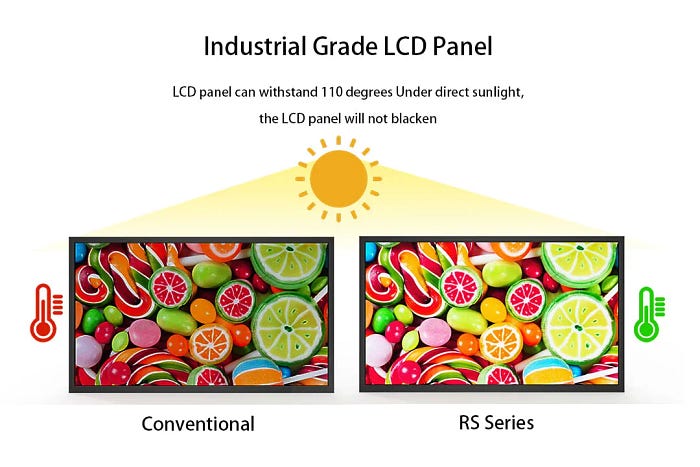
One of the most common pain points for transit displays is poor readability in direct sunlight. Displays must deliver a minimum brightness of 1500 nits (and often 2000+ nits for tropical or desert regions) to be visible under midday sun, but high brightness alone isn’t enough—reflections from ambient light can wash out content. Optical bonding solves this by eliminating the air gap between the LCD panel and front cover glass, reducing surface reflection by 75-80% compared to non-bonded displays. This technology also improves thermal management by enhancing heat dissipation, extending the display’s lifespan by up to 20%. Custom PID displays for transit often integrate anti-reflective (AR) coatings with anti-static properties to repel dust and fingerprints, further boosting readability. For example, Dubai’s Roads and Transport Authority (RTA) deployed custom 2000-nit PID displays with optical bonding for its BRT system, achieving 100% readability even in 50°C desert heat, according to a 2023 RTA performance report.
H2: Tailored Configurations: On-Vehicle and At-Station PID Solutions
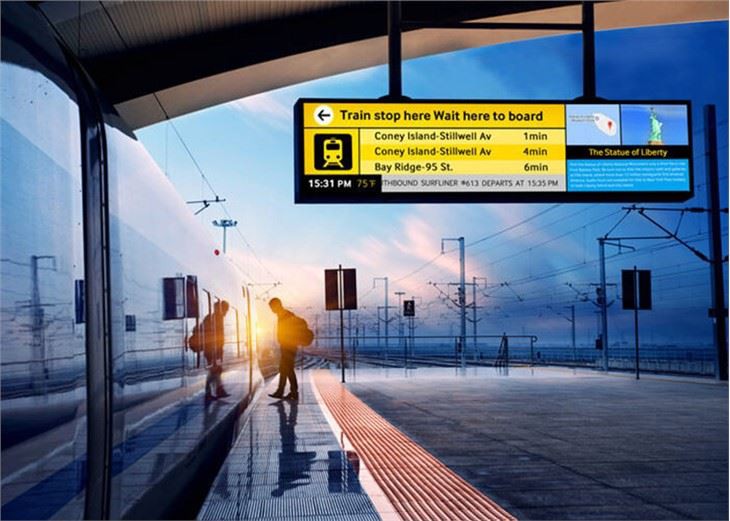
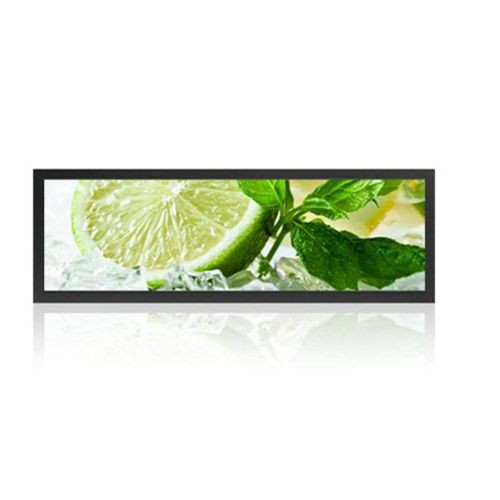
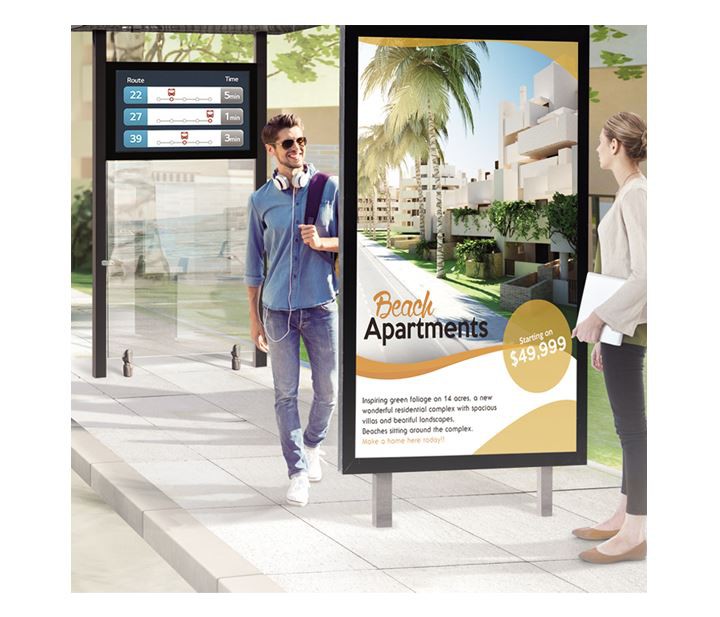
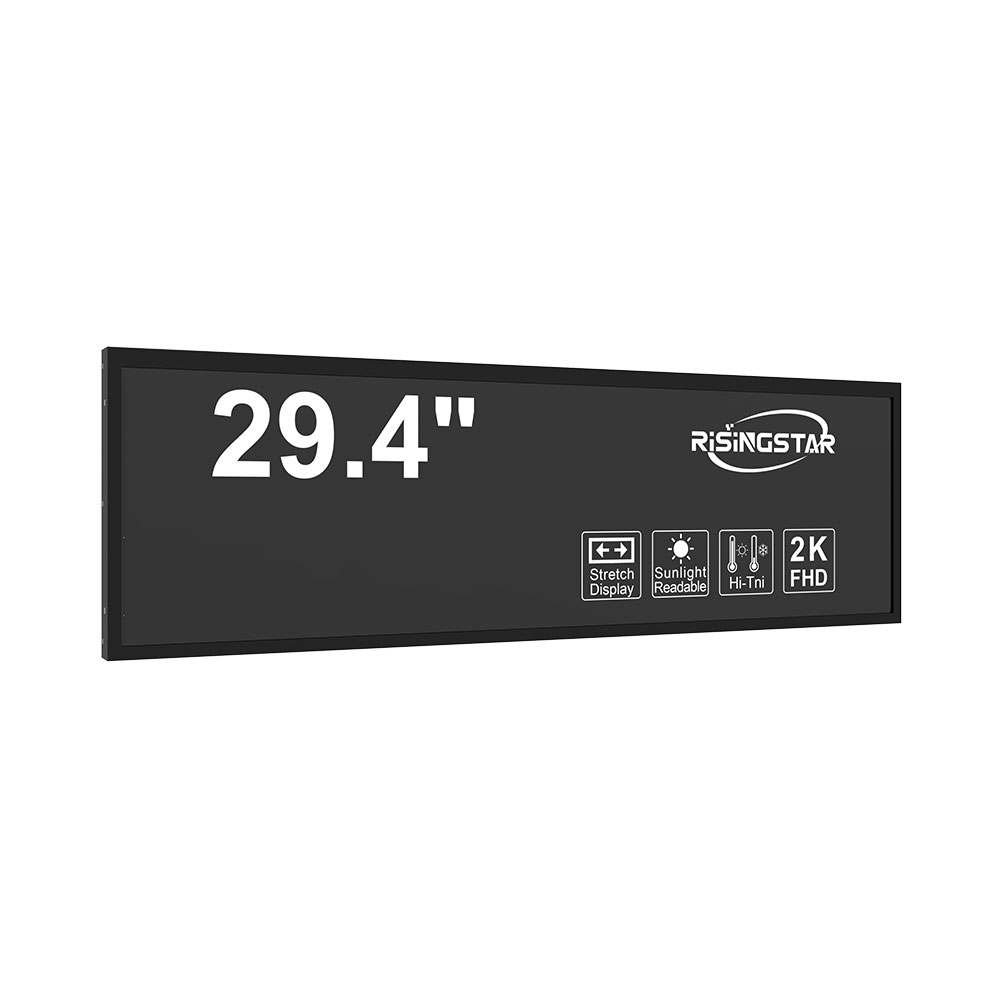
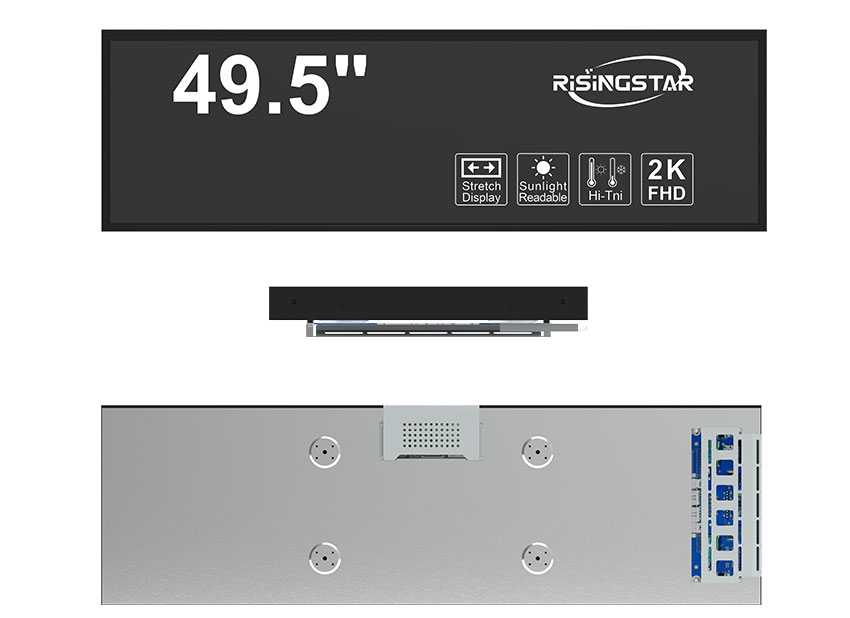
Custom PID displays offer flexible configurations to match specific transit needs, unlike one-size-fits-all off-the-shelf units. For onboard rolling stock, stretch bar LCD displays (link to /products/stretch-bar/) are ideal for narrow, elongated spaces like train doorways or ceiling panels, as they fit seamlessly into existing vehicle design without gaps. These displays are lightweight, vibration-resistant (EN 61373 compliant), and support real-time updates via 5G or Wi-Fi, ensuring passengers see accurate next-stop information. For at-station applications, platform edge displays (link to /solutions/at-station/) can be customized in size, shape, and mounting style—including curved displays for modern station designs or tall, narrow units for low-clearance platforms. Custom on-vehicle displays (link to /solutions/on-vehicle/) also support integration with existing transit management systems, such as automatic train operation (ATO) software, to sync with schedule changes and service disruptions. This customization ensures displays align with both operational needs and passenger experience goals.
H2: Validation and Third-Party Testing for Custom PIDs
To ensure compliance, custom PID displays must undergo third-party testing to verify adherence to EN 50155, EN 61373, IP ratings, and IK10 standards. This testing includes temperature cycling (from -40°C to +85°C) to simulate extreme conditions, vibration and shock testing per rolling stock guidelines, and EMC testing to prevent interference with critical train systems. A case study from Toronto Transit Commission (TTC)’s 2021 subway display upgrade highlights the importance of validation: TTC selected custom PID displays that passed all required third-party tests, resulting in a 40% lower annual maintenance cost compared to their previous off-the-shelf units, with zero display-related service disruptions over two years, per TTC’s 2023 asset report. Non-compliant displays often fail without warning, leading to delays and passenger complaints—something custom validated units eliminate by design.
H2: TCO Benefits of Custom PID Displays
While custom PID displays may have a slightly higher upfront cost, their long-term TCO is significantly lower than off-the-shelf alternatives. Custom units are built for transit-specific conditions, with a typical lifespan of 7-10 years (vs. 3-5 years for off-the-shelf), reducing replacement and maintenance costs. They also feature energy-efficient backlights with auto-dimming capabilities, cutting power consumption by up to 30% compared to non-optimized displays. A 2024 UITP analysis found that transit authorities that switched to custom PID displays saved an average of $120,000 per 100 units over 7 years, due to reduced maintenance, lower replacement costs, and improved passenger satisfaction (which boosts ridership by 5-8% according to UITP data).
Conclusion: For transit authorities, system integrators, and OEMs, custom PID displays offer tailored performance, compliance, and durability that off-the-shelf units can’t match. Whether for onboard rolling stock or at-station platforms, these displays meet global standards, deliver sunlight readability, and reduce long-term costs. To learn more about custom PID displays and request a quote, contact our transit display experts at /contact/.