RisingStar
- Home
- About Us
- Products
- News
- Video
- Contact
- Send Inquiry
Search
- Home
- About Us
- Products
- News
- Video
- Contact
- Send Inquiry
RisingStar
In the rapidly evolving landscape of display technology, high-brightness sunlight-readable LCD screens have become indispensable in outdoor and high-glare environments such as military operations, transportation systems, industrial control panels, and consumer electronics like rugged smartphones and tablets. These displays are engineered to maintain visibility under direct sunlight—typically exceeding 5,000 nits of brightness—while also ensuring energy efficiency, durability, and long-term reliability.
The core principle behind sunlight-readable LCDs lies in maximizing contrast ratio and luminance while minimizing glare. Unlike standard LCDs that often fail under bright ambient light due to their lower peak brightness (usually around 300–500 nits), high-brightness models use advanced backlighting techniques such as LED arrays with higher lumen output, optimized diffuser layers, and anti-reflective coatings. For instance, the MIL-STD-188-126A standard specifies that military-grade displays must operate reliably at up to 10,000 nits, a benchmark that modern commercial-grade high-brightness LCDs increasingly meet or exceed.
One key innovation is the use of transflective liquid crystal technology, which combines both reflective and transmissive modes. In low-light conditions, the display uses ambient light (like sunlight) through a reflective layer, conserving power; during darkness or low-ambient-light scenarios, it switches to a full backlight mode. This dual-mode capability significantly extends battery life in portable devices—a critical advantage in field operations or remote monitoring stations where recharging may not be feasible.
Case studies from industries such as aviation, automotive, and construction further validate the effectiveness of these displays. For example, Boeing’s flight deck displays integrate high-brightness sunlight-readable LCDs that enable pilots to read critical information even during takeoff in direct sunlight. Similarly, Caterpillar’s off-road equipment now features ruggedized LCDs rated for IP65 ingress protection and operating temperatures ranging from -30°C to +70°C, demonstrating robust performance in extreme climates.
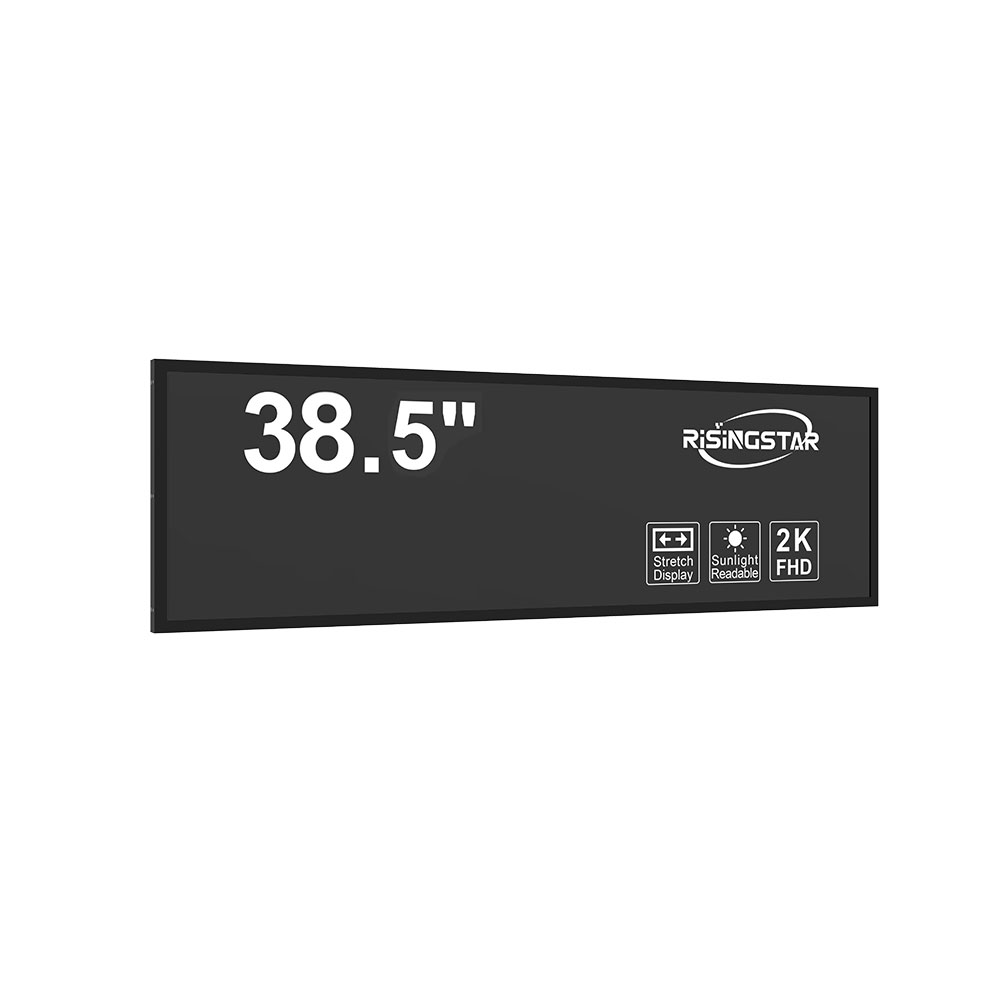
Manufacturers like LG Display, Sharp, and Innolux lead the market by offering custom solutions tailored to specific environmental challenges—from dust resistance and shock absorption to wide viewing angles and touch sensitivity. Many of these screens comply with international standards such as ISO 9241-31 (human factors for outdoor displays) and EN 60068-2-1 (temperature testing), ensuring compliance across global markets.
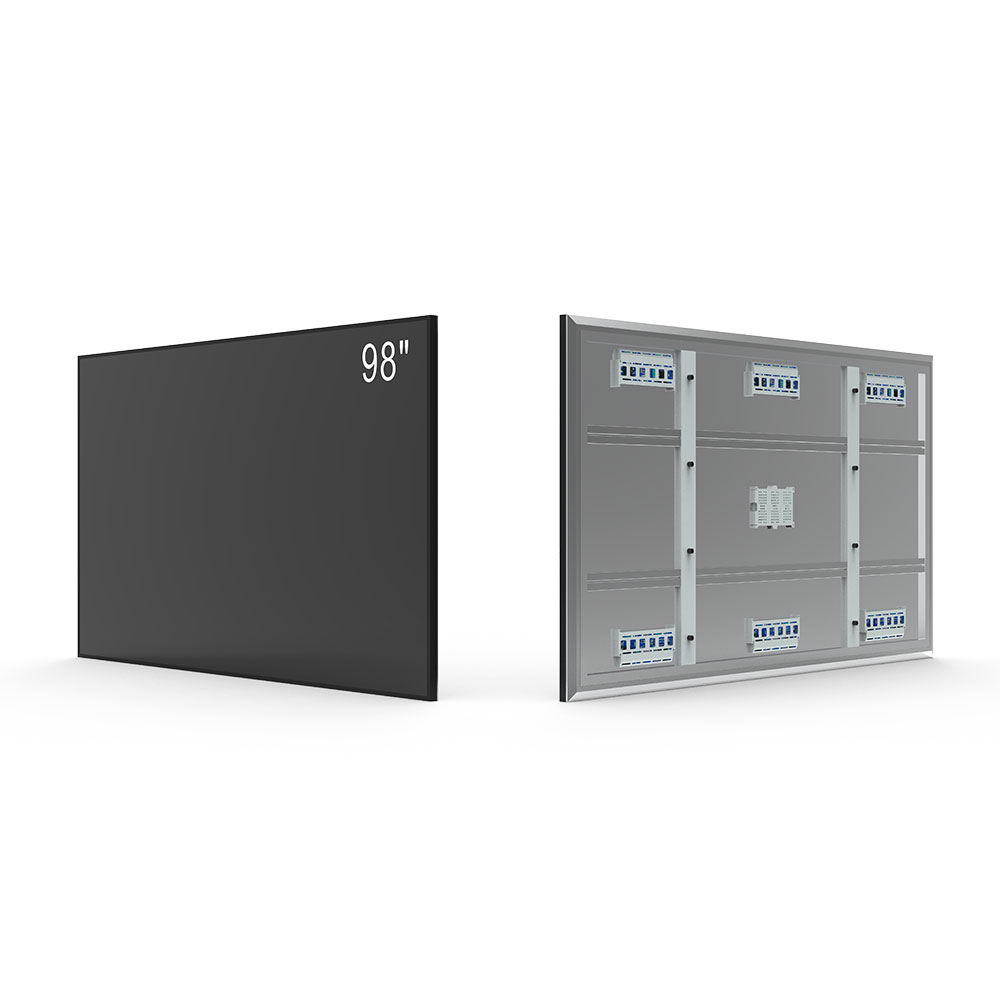
Moreover, advancements in OLED and micro-LED technologies are pushing the boundaries of brightness and contrast, but traditional high-brightness LCDs remain the preferred choice for cost-sensitive, mission-critical applications due to their maturity, stability, and lower power consumption compared to newer alternatives.
For engineers and procurement managers evaluating display options, understanding the balance between brightness, contrast, power efficiency, and environmental resilience is essential. The future of outdoor display technology will likely see hybrid solutions combining the best of LCD, OLED, and smart ambient light sensors to optimize readability dynamically without sacrificing performance.

2025-07-31
Manufacturer Of Waterproof LCD In London
2025-07-31
1000 Nits 21.5 Inch LCD Monitor Turkey