RisingStar
- Home
- About Us
- Products
- News
- Video
- Contact
- Send Inquiry
Search
- Home
- About Us
- Products
- News
- Video
- Contact
- Send Inquiry
RisingStar
High-brightness sunlight-readable LCD displays are essential components in modern industrial, military, and transportation systems where visibility under direct sunlight is critical. Unlike standard LCDs that suffer from glare and reduced contrast in bright environments, these specialized screens utilize advanced optical technologies to maintain clarity and readability even at 5,000–10,000 nits of brightness—levels far exceeding typical indoor displays (which usually operate between 200–500 nits).
The core technology behind sunlight-readable LCDs includes high-efficiency LED backlighting, anti-glare coatings, polarization filters, and enhanced contrast ratio designs. For instance, the use of transflective liquid crystal cells allows the display to switch between reflective mode (using ambient light) and transmissive mode (using internal backlighting), optimizing power consumption while ensuring consistent performance in both daylight and low-light conditions. According to a 2023 report by MarketsandMarkets, the global market for high-brightness LCDs is projected to exceed $12 billion by 2028, driven by increasing demand from aerospace, defense, automotive, and smart city infrastructure sectors.
Real-world applications include avionics dashboards in commercial aircraft, military vehicle command centers, outdoor kiosks, and construction equipment control panels. In a case study conducted by Sharp Corporation in collaboration with Boeing, a sunlight-readable LCD panel with 7,000 nits brightness improved pilot situational awareness during daytime operations, reducing eye strain and enhancing safety in cockpit displays. Similarly, Samsung’s ruggedized outdoor display solution used in Japan’s Shinkansen bullet trains has demonstrated over 99% readability in full sunlight, thanks to its integrated polarizing filter stack and digital dimming algorithms.
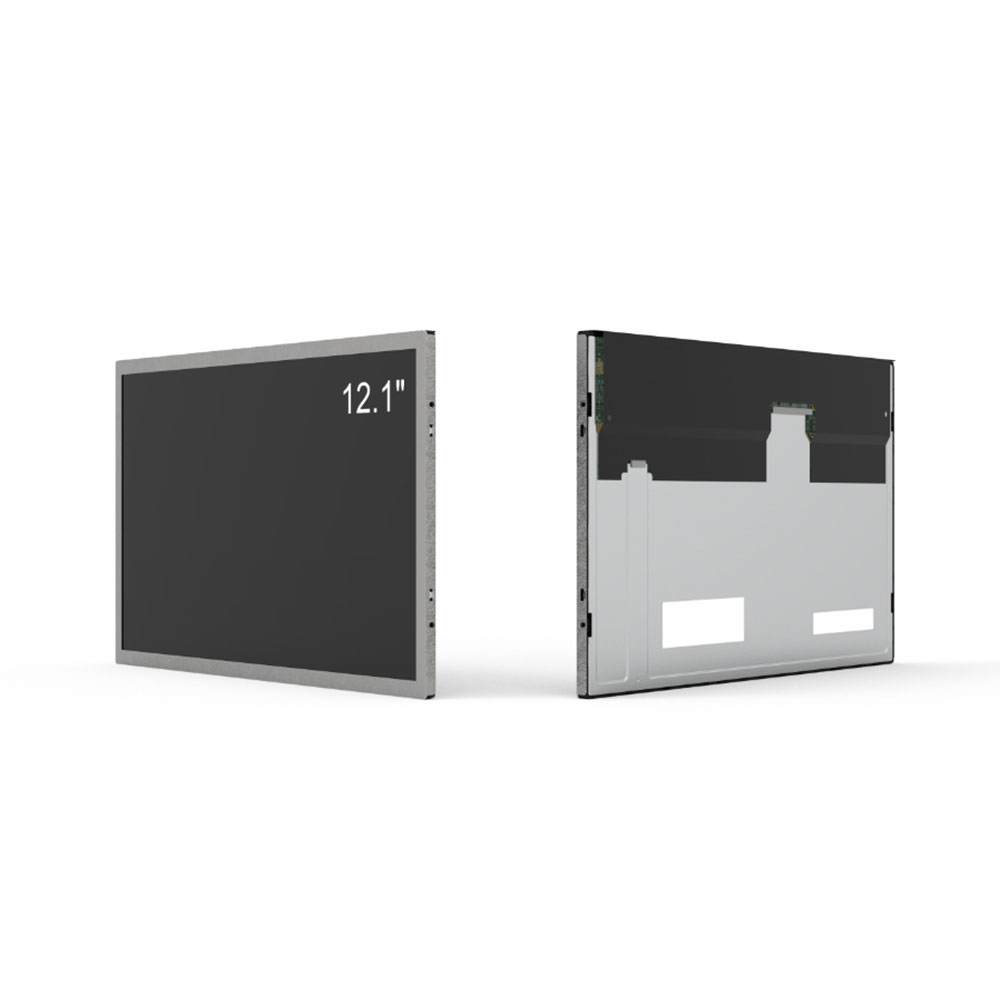
Manufacturers like LG Display, AU Optronics, and Innolux have also adopted new materials such as quantum dot-enhanced backlights and wide-view-angle IPS (In-Plane Switching) panels to further improve color accuracy and viewing angles without compromising brightness. Compliance with international standards such as MIL-STD-810G (for environmental durability) and EN 60950-1 (for electrical safety) ensures reliability in harsh conditions including extreme temperatures (-30°C to +70°C), vibration, and humidity exposure.
For engineers and procurement specialists, selecting the right sunlight-readable LCD involves evaluating not only peak brightness but also response time, power efficiency, thermal management, and compatibility with embedded operating systems. With advancements in AI-driven brightness adaptation and adaptive gamma correction, next-generation models are expected to offer dynamic luminance adjustment based on real-time lighting conditions—an innovation poised to reduce energy usage while maximizing user experience.
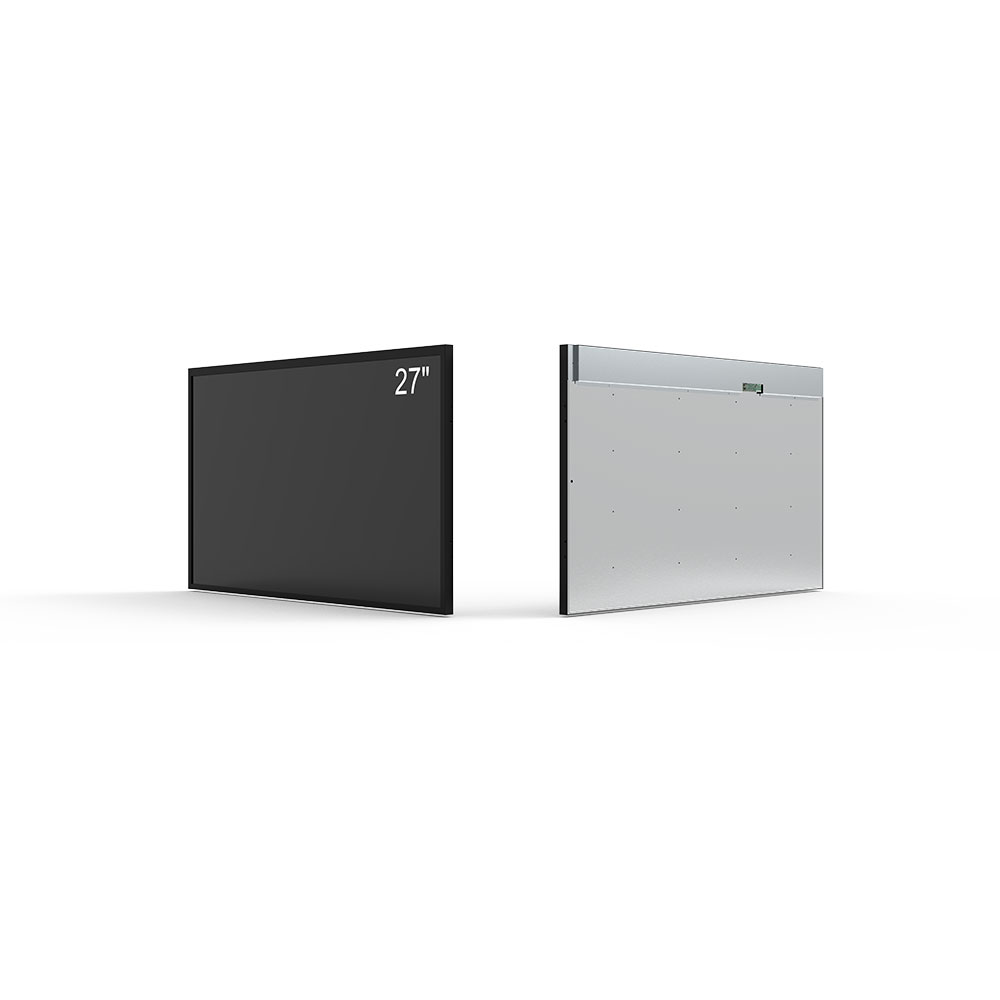
These displays are no longer niche—they represent a foundational technology for any application requiring robust, reliable visual interfaces outdoors. As industries continue to digitize field operations, high-brightness sunlight-readable LCDs will remain a key enabler of operational resilience and human-machine interaction in open-air environments.