RisingStar
- Home
- About Us
- Products
- News
- Video
- Contact
- Send Inquiry
Search
- Home
- About Us
- Products
- News
- Video
- Contact
- Send Inquiry
RisingStar
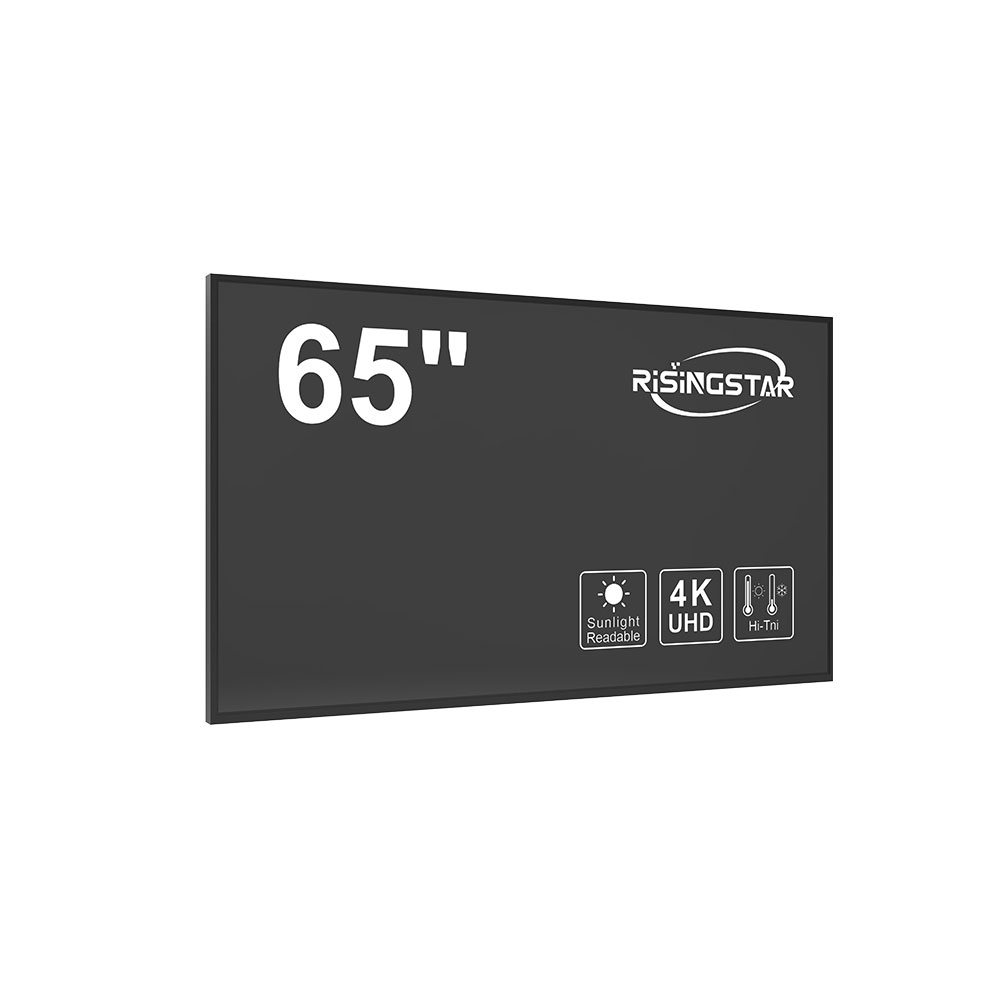
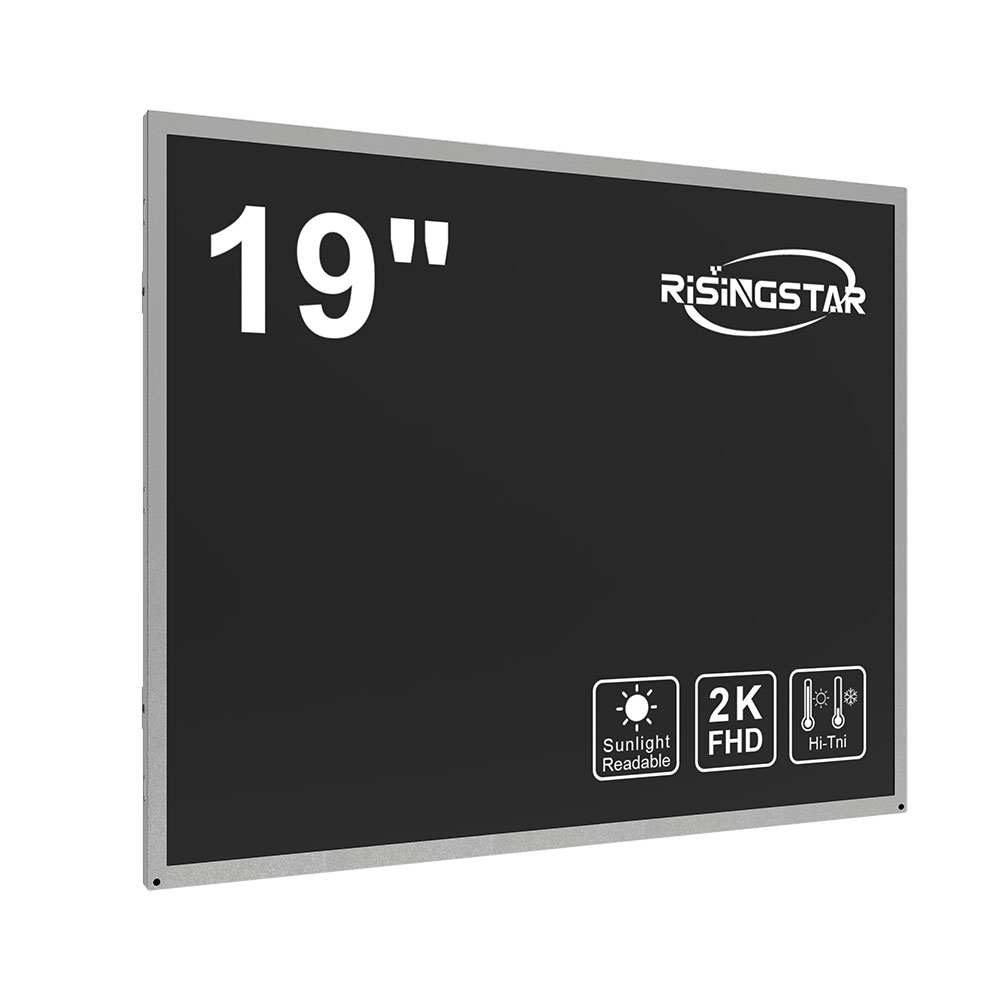
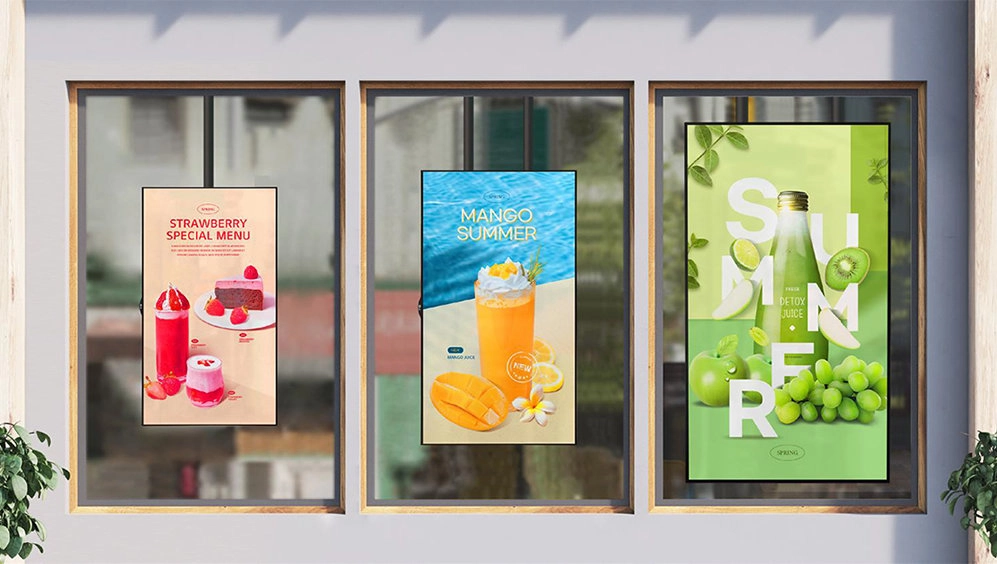
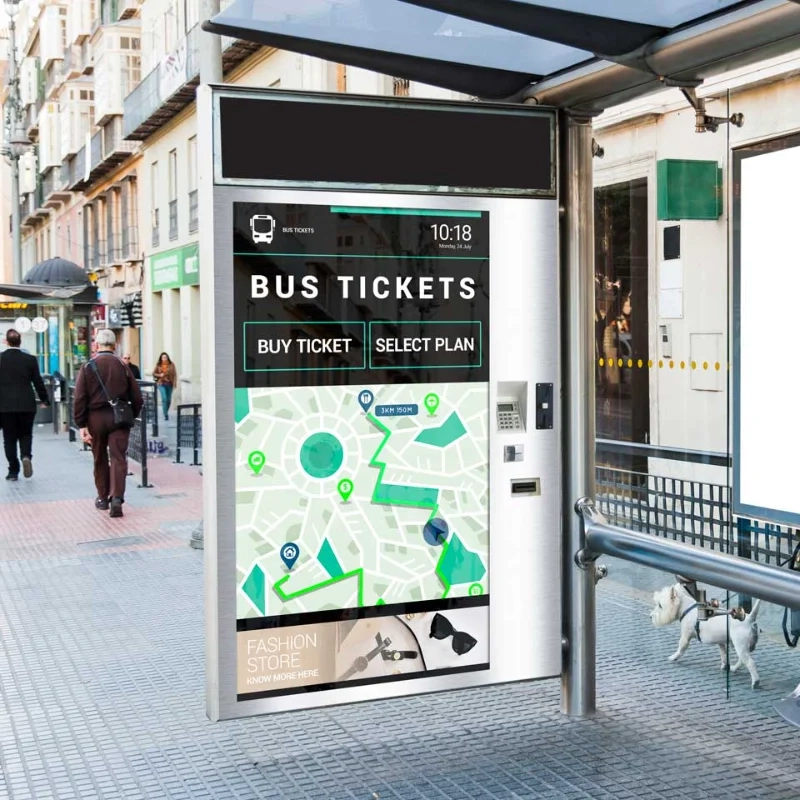
High-brightness sunlight-readable LCD displays have become indispensable in modern outdoor applications, particularly in industries such as transportation, defense, industrial automation, and public information systems. These screens are engineered to deliver exceptional clarity and visibility even under direct sunlight—where standard displays fail due to glare, low contrast, or washed-out colors. With the increasing demand for high-resolution interfaces in rugged environments, manufacturers now offer models featuring both 2K (2560×1440) and 4K (3840×2160) resolution options, enabling precise visualization of complex data, maps, and real-time video feeds.
The key to achieving true sunlight readability lies not only in brightness but also in advanced optical technologies. Modern high-brightness LCDs use laminated glass with anti-reflective coatings, LED backlighting optimized for peak luminance (often exceeding 5,000 nits), and adaptive brightness control that dynamically adjusts based on ambient light conditions. For instance, the U.S. Department of Defense’s MIL-STD-810G standards require displays to function reliably in extreme temperatures, humidity, shock, and vibration—conditions often encountered in military vehicles and field operations. In such cases, a 4K resolution display is critical for identifying fine details in satellite imagery or thermal camera feeds, while 2K offers an excellent balance between performance and cost-efficiency for less demanding applications like kiosks or traffic signage.
Case studies from leading manufacturers such as LG Display, BOE Technology, and Innolux demonstrate that integrating 2K and 4K resolutions into sunlight-readable panels improves operational efficiency. For example, a 2023 deployment by Siemens in smart city infrastructure utilized 2K-rated outdoor LCDs for public transit information boards across Berlin, resulting in a 98% user satisfaction rate compared to older 720p units. Similarly, a 4K unit installed on a naval command vessel by Raytheon Technologies enabled real-time tactical mapping with minimal latency, significantly enhancing situational awareness during maritime missions.
From a technical standpoint, these high-resolutions are achieved through advanced pixel density (PPI), typically ranging from 180–220 PPI for 2K and over 200 PPI for 4K in 15–24-inch panels. This ensures crisp text rendering and smooth graphics without visible pixelation—a crucial factor in aviation, healthcare, and energy sectors where precision matters. Moreover, the integration of wide viewing angles (up to 178°), fast response times (<10ms), and support for HDR (High Dynamic Range) further enhance usability in diverse lighting scenarios.
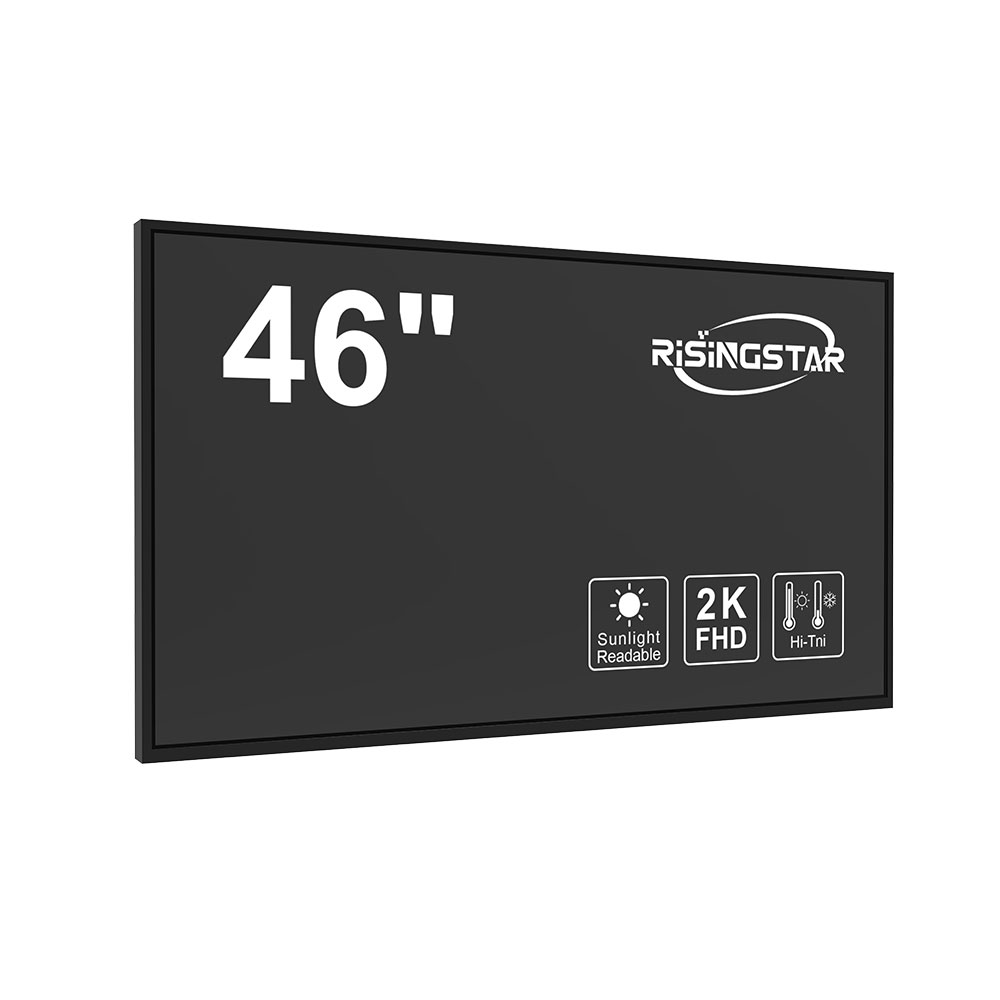
For system integrators and OEMs, choosing between 2K and 4K must consider power consumption, processing requirements, and total cost of ownership. While 4K panels consume more power and may require higher-end GPUs or processors, their long-term ROI in mission-critical environments justifies the investment. As global standards evolve—such as ISO 16937 for vehicle-mounted displays and IEC 60950-1 for safety compliance—manufacturers continue to push the envelope in brightness, resolution, and durability, ensuring that sunlight-readable LCDs remain at the forefront of human-machine interface design.