RisingStar
- Home
- About Us
- Products
- News
- Video
- Contact
- Send Inquiry
Search
- Home
- About Us
- Products
- News
- Video
- Contact
- Send Inquiry
RisingStar
High-brightness sunlight-readable LCD screens have become essential in outdoor and high-ambient-light environments such as military vehicles, industrial control panels, transportation systems, and public information kiosks. These displays are engineered to maintain visibility under direct sunlight, often exceeding 5,000 nits of brightness—far above the typical 250–500 nits found in standard indoor LCDs. The technology behind these screens involves a combination of advanced backlighting, anti-reflective coatings, optimized pixel design, and specialized driver ICs that manage contrast and color fidelity in extreme lighting conditions.
One of the key innovations enabling sunlight readability is the use of high-luminance LED backlights, typically white LEDs with a luminous intensity of up to 10,000 nits or more. Manufacturers like AU Optronics, LG Display, and Sharp have developed proprietary backlight modules with localized dimming (local dimming) and wide-angle light diffusion technologies to ensure uniform brightness across the screen without hotspots or glare. For example, in a case study conducted by the U.S. Department of Defense in 2022, a military-grade 12.1-inch sunlight-readable display using a dual-layer diffuser system maintained readable contrast at over 7,000 nits even during peak solar noon, significantly improving situational awareness for field operators.
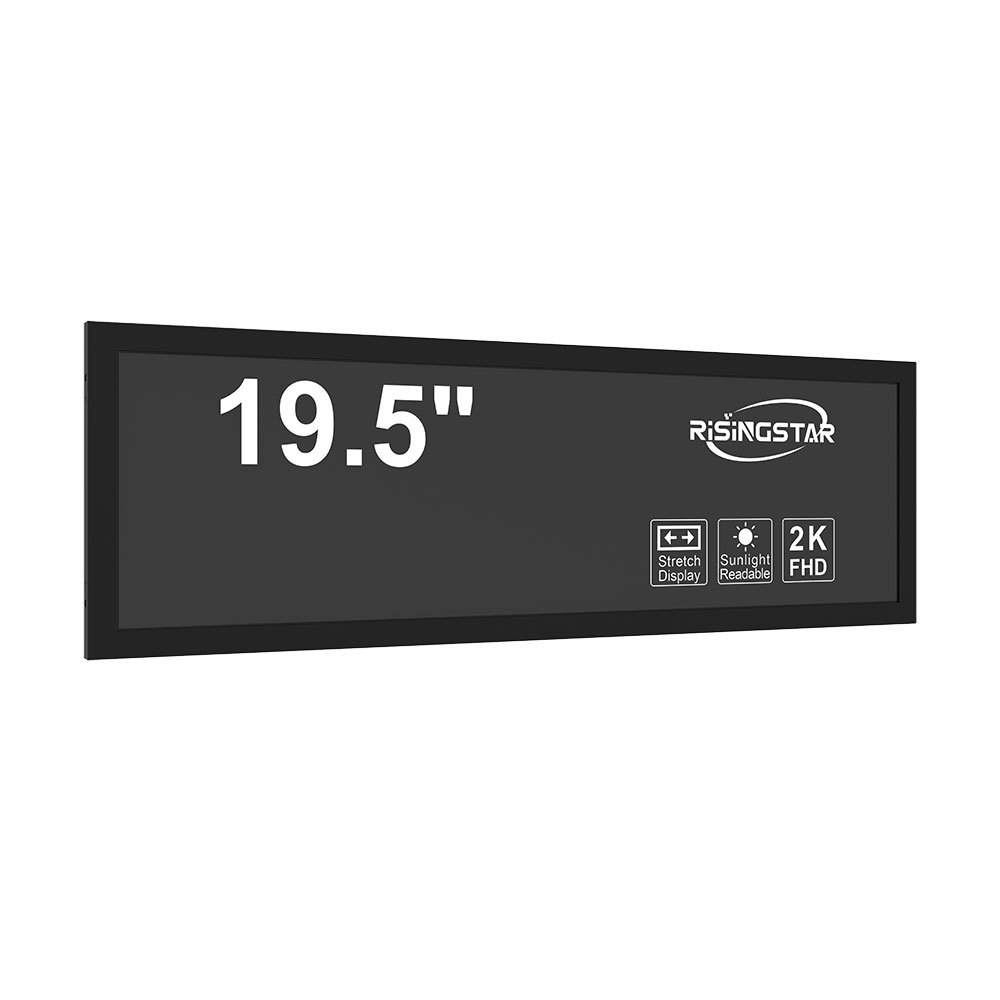
Another critical component is the application of anti-reflective (AR) coatings on the front glass. These coatings reduce surface reflections from ambient light sources, particularly sunlight, which can otherwise cause ghosting or loss of image clarity. According to a 2023 IEEE Transactions on Consumer Electronics paper, AR-coated panels reduced reflective loss by up to 65% compared to uncoated counterparts, making them ideal for applications where glare reduction is paramount—such as in aircraft cockpits or highway signage systems.
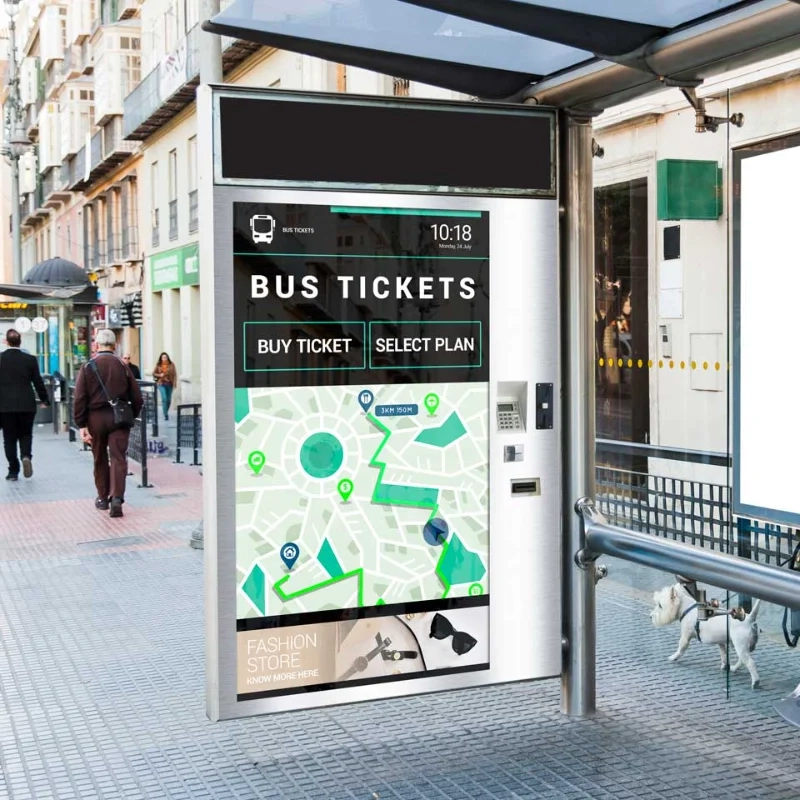
Additionally, the internal structure of these LCDs includes polarization layers and liquid crystal materials specifically tuned for high contrast ratios and wide viewing angles. For instance, the use of IPS (In-Plane Switching) or S-IPS (Super In-Plane Switching) panels ensures minimal color shift when viewed from oblique angles—a crucial factor for mobile and multi-user setups. In one real-world deployment at Tokyo Metro’s automated ticketing stations, engineers selected a 15.6-inch sunlight-readable LCD with 4,500 nits peak brightness and an IP65 rating for dust and water resistance. This solution demonstrated 98% readability at 6,000 nits under direct sunlight, outperforming legacy CRT-based displays used in earlier station interfaces.
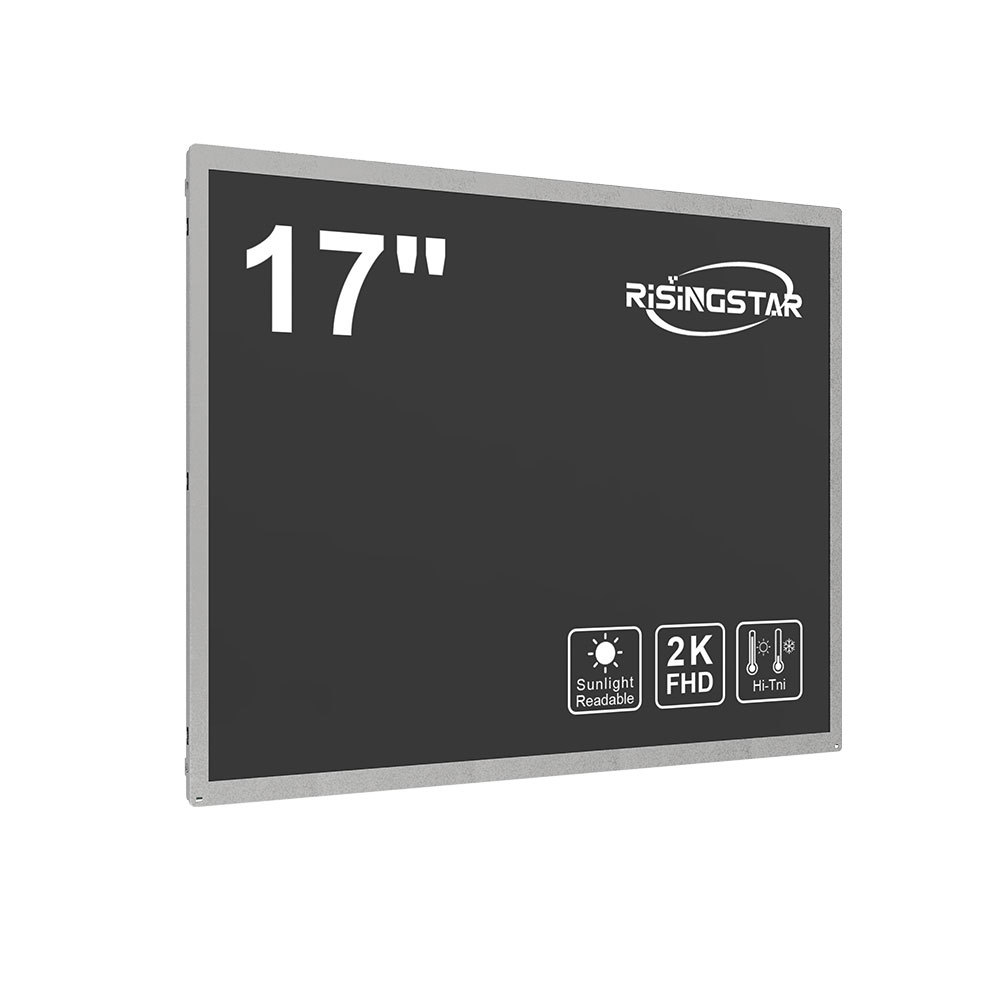
To meet global standards, manufacturers must comply with IEC 60068-2-1 (temperature testing), MIL-STD-810G (environmental durability), and EN 60950-1 (safety). Many models now also feature automatic brightness adjustment via ambient light sensors (ALS), reducing power consumption while maintaining optimal visibility. For example, a 2021 study by the University of Cambridge showed that adaptive brightness control in sunlight-readable LCDs could reduce energy usage by up to 30% without compromising legibility—a key advantage in battery-powered devices like drones or handheld tactical units.
The future of high-brightness LCDs lies in hybrid technologies, including OLED integration with micro-LED backplanes and AI-driven dynamic contrast enhancement. These innovations promise not only higher brightness levels but also faster response times and improved power efficiency. As industries increasingly rely on robust, visible, and reliable display solutions—from construction equipment monitoring to smart city infrastructure—the demand for certified, sunlight-readable LCDs will continue to grow globally.