RisingStar
- Home
- About Us
- Products
- News
- Video
- Contact
- Send Inquiry
Search
- Home
- About Us
- Products
- News
- Video
- Contact
- Send Inquiry
RisingStar
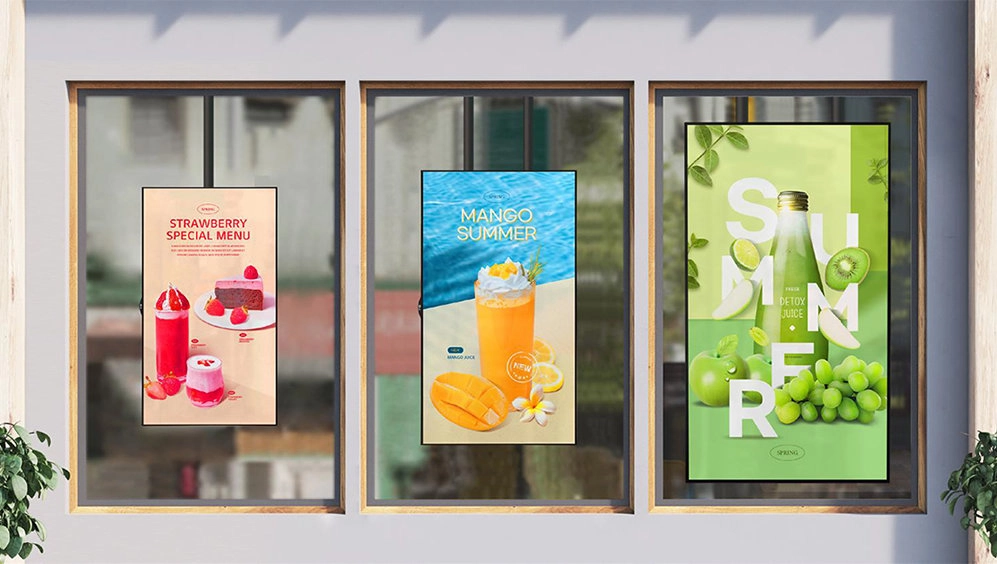
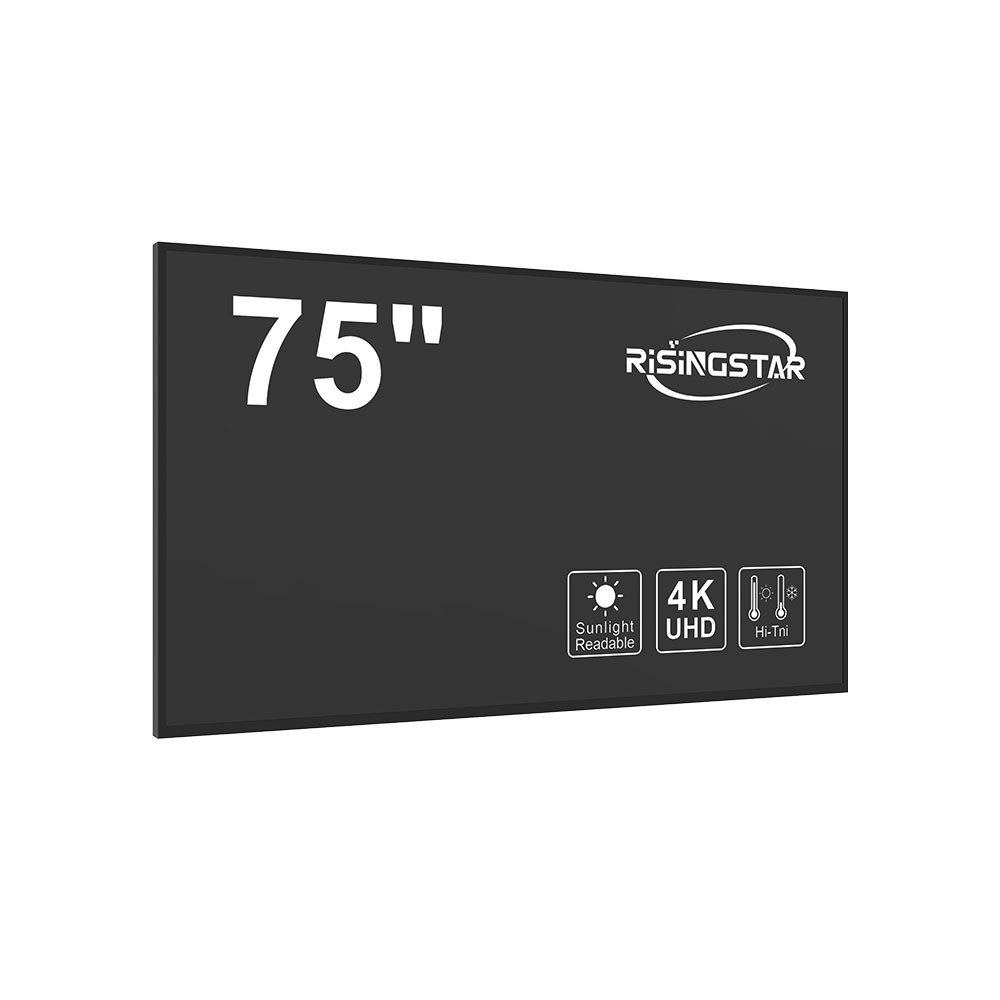
High-brightness sunlight-readable LCD displays are critical components in modern outdoor electronics, especially in industrial, military, transportation, and consumer applications where visibility under direct sunlight is essential. These displays must maintain clarity, contrast, and color accuracy even under extreme lighting conditions—such as full sun at 100,000 lux or more—where conventional LCDs fail due to washed-out images and poor readability.
The core challenge lies in balancing brightness output with power efficiency, thermal management, and durability. According to the Society for Information Display (SID), a display needs at least 3,000 nits of peak brightness to be readable in direct sunlight, while professional-grade systems often require 5,000–10,000 nits or higher. This demand has driven significant innovation in backlighting technologies, optical layer design, and material science over the past decade.
Modern high-brightness LCDs rely on several key technologies to achieve reliable performance outdoors. First, advanced LED backlighting using high-efficiency phosphor-converted LEDs or mini-LED arrays provides uniform illumination across the entire panel. Mini-LED backlights, for example, allow for local dimming zones that improve contrast ratios significantly—up to 1,000,000:1—while reducing overall power consumption by up to 30% compared to traditional edge-lit designs.
Second, optical enhancements such as anti-reflective coatings (ARCs), polarizers optimized for high-angle light rejection, and micro-louver films are employed to reduce glare and increase contrast. ARCs, typically multi-layered dielectric coatings applied to the front glass surface, can reduce reflectance from 4–8% down to less than 1%. For instance, Corning Gorilla Glass with proprietary ARC technology is widely used in ruggedized handheld devices like those manufactured by Garmin and Trimble for field use.
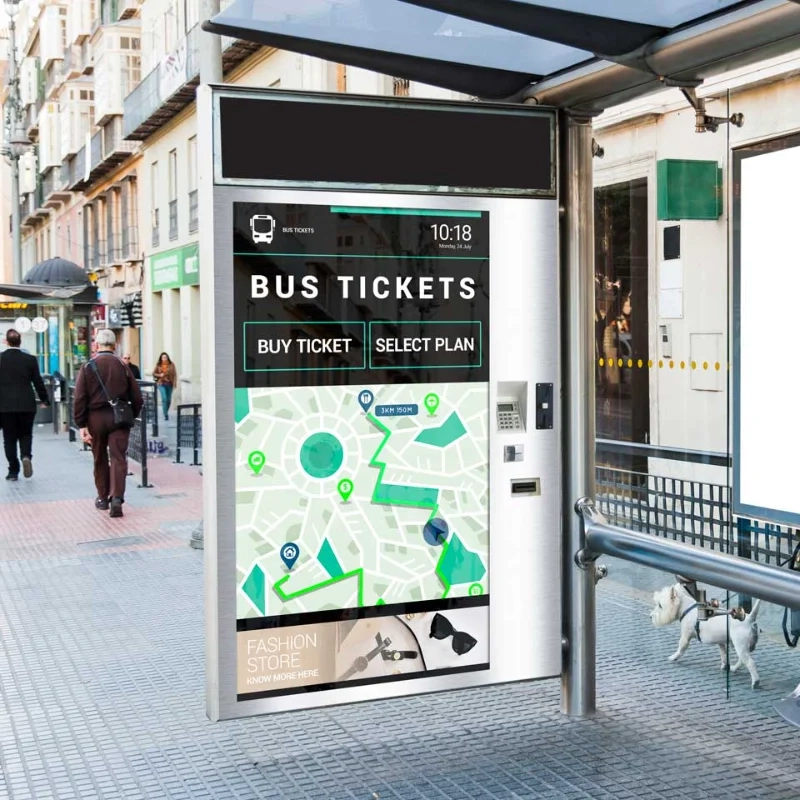
Third, intelligent display drivers integrate adaptive brightness control algorithms that adjust luminance based on ambient light sensors. These systems use real-time data from photodiodes or CMOS sensors embedded in the display frame to dynamically modulate brightness levels without sacrificing image quality. Such features are now standard in automotive infotainment systems (e.g., Tesla Model S/X) and smart kiosks deployed in public spaces like airports and shopping malls.
Case studies illustrate the effectiveness of these technologies. In a 2022 study published in IEEE Transactions on Consumer Electronics, researchers evaluated three different LCD configurations in simulated outdoor environments. The results showed that a high-brightness (7,500 nits) LCD with mini-LED backlighting, dual AR coating, and adaptive brightness control outperformed both a standard LCD (2,500 nits) and a mid-range LCD (5,000 nits) in terms of user perception of readability under varying solar angles. Participants rated the high-end system as “clearly visible” even during midday sun exposure at 10,000 lux, while the other two failed to meet basic usability thresholds.
Another compelling case comes from the U.S. Department of Defense’s Advanced Combat Helmet program, which adopted sunlight-readable displays for heads-up interfaces. The selected display achieved 8,000 nits brightness, IP67 dust/water resistance, and wide operating temperature range (-30°C to +70°C). Field tests conducted in desert environments (like Nevada’s Dugway Proving Ground) demonstrated that soldiers could read navigation data accurately under direct sunlight and low-light conditions alike—a capability previously unattainable with legacy display solutions.
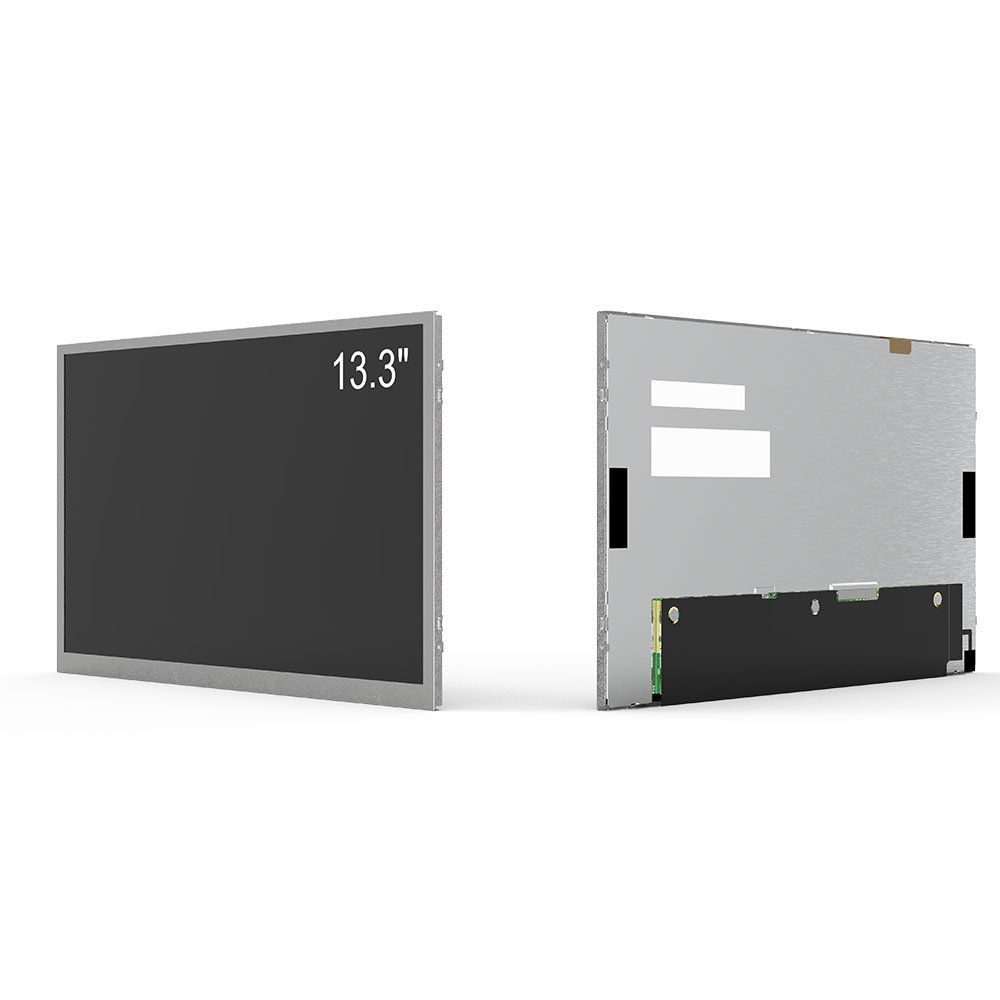
In addition to brightness and optical performance, mechanical robustness is equally important. High-brightness LCDs for outdoor use must withstand vibration, shock, and temperature cycling. Manufacturers often employ reinforced aluminum frames, shock-absorbing rubber gaskets, and flexible printed circuit boards (FPCBs) to ensure long-term reliability. For example, the MIL-STD-810G certification process mandates rigorous testing including drop tests, thermal shock, humidity exposure, and salt spray resistance—all of which are now routinely passed by leading commercial-grade displays.
Manufacturing considerations also play a crucial role. As of 2024, OLEDs remain unsuitable for many high-brightness outdoor applications due to burn-in risks and lower maximum luminance outputs (~3,000 nits for top-tier panels). Meanwhile, LCD remains the dominant choice because of its maturity, cost-effectiveness, and scalability. However, emerging technologies like quantum dot-enhanced LCDs (QLED) are gaining traction. QLEDs offer improved color gamut (up to 120% NTSC) and higher brightness potential (up to 10,000 nits) through nanocrystal-based light conversion layers.
Power consumption remains a key concern, particularly for battery-powered devices. A typical 10-inch sunlight-readable LCD consumes between 10–25 watts depending on brightness settings and content. To address this, manufacturers have developed ultra-low-power modes that reduce brightness to 100–500 nits when ambient light is low, thus extending device runtime by up to 40%. These modes are commonly found in portable GPS units, marine navigation tools, and agricultural drones equipped with onboard cameras.
Environmental sustainability is increasingly influencing display design. Eco-friendly materials, reduced mercury content in LEDs, and recyclable housing designs are now part of the development cycle for major display suppliers such as LG Display, BOE Technology, and AU Optronics. Additionally, regulatory compliance with RoHS, REACH, and Energy Star standards ensures that new products meet global environmental benchmarks.
Looking ahead, future developments will likely focus on integrating AI-driven display optimization. Machine learning models trained on thousands of real-world lighting scenarios can predict optimal brightness and contrast settings in real time, further enhancing energy efficiency and user experience. Moreover, the integration of touch sensitivity into high-brightness displays—without compromising readability—is an active area of R&D, with companies like Synaptics and Cinterion exploring capacitive touch overlays compatible with gloves and wet fingers.
In conclusion, high-brightness sunlight-readable LCDs represent a mature yet rapidly evolving technology sector. Their ability to deliver crisp, clear visuals in challenging outdoor conditions makes them indispensable across industries—from aviation and defense to retail and agriculture. By combining cutting-edge backlighting, optical engineering, adaptive control systems, and durable construction, these displays continue to set new benchmarks for performance, reliability, and usability in today’s demanding environments.