RisingStar
- Home
- About Us
- Products
- News
- Video
- Contact
- Send Inquiry
Search
- Home
- About Us
- Products
- News
- Video
- Contact
- Send Inquiry
RisingStar
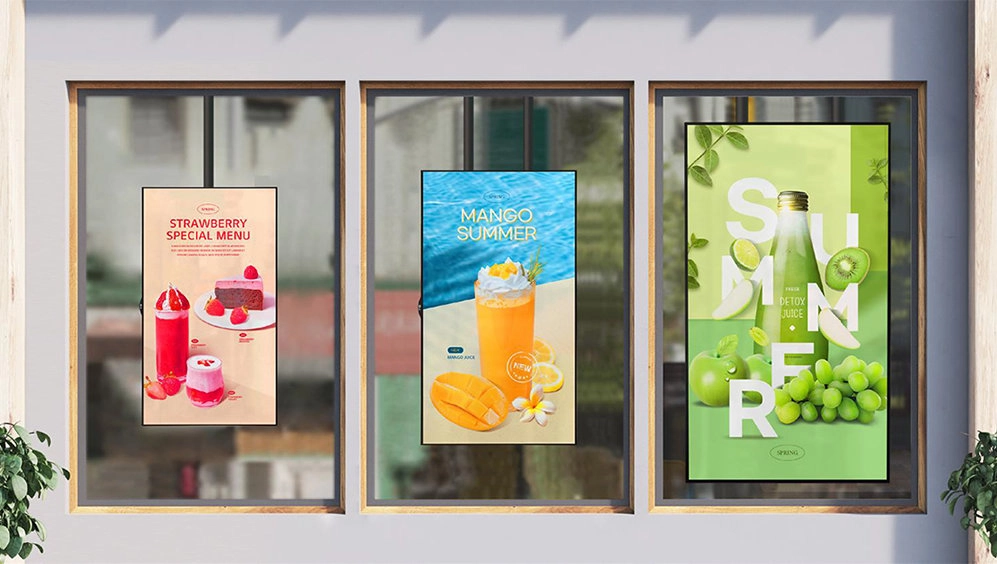
In the rapidly evolving world of display technology, high-brightness sunlight-readable LCD screens have become indispensable in outdoor and harsh environmental applications. These specialized displays are engineered to maintain clarity, contrast, and readability even under direct sunlight, where conventional LCDs often fail due to ambient light interference. As global industries—from defense and transportation to retail and agriculture—increasingly rely on real-time data visualization in open-air environments, the demand for robust, high-luminance displays continues to surge.
The core principle behind sunlight-readable LCDs lies in maximizing brightness output while optimizing contrast ratios and minimizing glare. Industry-standard brightness levels for these screens typically range from 3,000 to 10,000 nits, far exceeding the 250–500 nits typical of indoor displays. This enhanced luminance ensures visibility under intense solar radiation, especially at peak sun hours when ambient illumination can exceed 100,000 lux. According to the International Commission on Illumination (CIE), effective outdoor display design must account for such lighting extremes, which is why manufacturers employ advanced backlighting technologies like LED arrays with precision diffusers and reflective polarizers.
One of the most significant advancements in this field is the integration of anti-glare coatings and polarization techniques. For instance, dual-layer anti-reflective films reduce surface reflections by up to 95%, while polarization filters suppress scattered light that degrades image quality. Additionally, active matrix OLED (AMOLED) and IPS (In-Plane Switching) panels are increasingly used in high-brightness LCDs due to their superior color consistency and wide viewing angles—even under challenging conditions such as extreme temperatures or high humidity.
Real-world case studies underscore the effectiveness of these technologies. In a 2022 deployment by the U.S. Department of Defense, military-grade sunlight-readable displays with 7,000-nit brightness were installed in unmanned ground vehicles (UGVs). These units maintained full operability during field exercises in desert regions with average solar irradiance of over 800 W/m², demonstrating reliability in mission-critical scenarios. Similarly, Japanese railway operators have adopted 5,000-nit LCDs in outdoor ticket kiosks, significantly reducing user complaints about unreadable screens during midday operations.
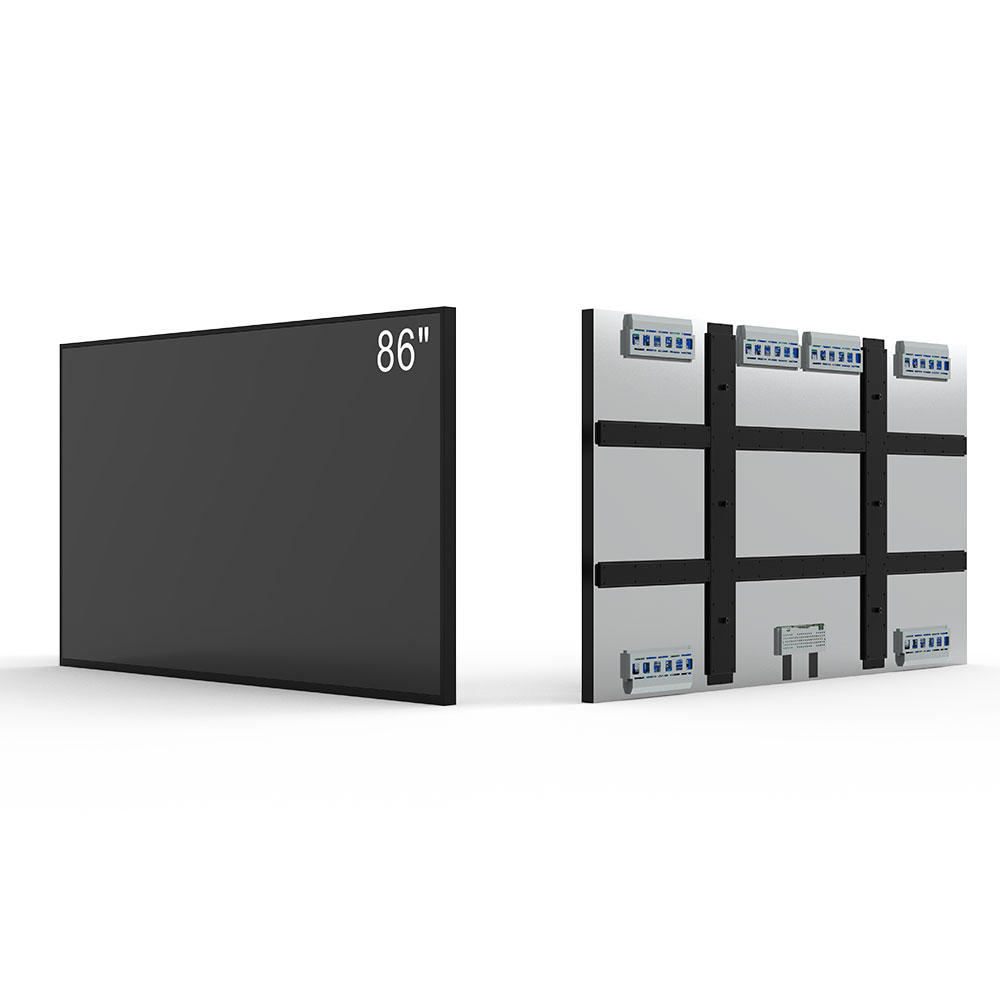
Manufacturers like LG Display, Sharp, and Eizo adhere to international standards such as MIL-STD-810G for environmental durability and ISO 14644 for cleanroom production practices. These certifications ensure that devices withstand vibration, shock, temperature cycling, and dust ingress—all essential for long-term outdoor performance. Furthermore, energy efficiency remains a priority; modern high-brightness LCDs utilize adaptive brightness control algorithms that dynamically adjust luminance based on ambient light sensors, thus extending battery life in portable systems without compromising visibility.
From an economic perspective, the global market for high-brightness LCDs is projected to reach $8.3 billion by 2027, according to MarketsandMarkets research. Key growth drivers include smart city infrastructure, autonomous vehicle dashboards, and outdoor digital signage. As solar energy adoption rises globally, so does the need for displays that can function seamlessly in unshaded environments—making sunlight-readability not just a feature, but a necessity.
For engineers and procurement teams evaluating options, selecting the right high-brightness LCD requires considering not only peak nits but also thermal management, power consumption, and compatibility with ruggedized enclosures. Collaboration between hardware designers and display specialists ensures optimal integration into applications ranging from agricultural drones to maritime navigation consoles.