RisingStar
- Home
- About Us
- Products
- News
- Video
- Contact
- Send Inquiry
Search
- Home
- About Us
- Products
- News
- Video
- Contact
- Send Inquiry
RisingStar
High-brightness sunlight-readable LCD displays are essential in modern outdoor environments where visibility under direct sunlight is critical. These displays, capable of producing luminance levels ranging from 3,000 to 10,000 nits (depending on the application), are commonly used in military systems, industrial control panels, transportation interfaces, and retail kiosks. Unlike standard LCDs that suffer from poor visibility in bright daylight due to ambient light interference, sunlight-readable displays use advanced optical technologies such as transflective liquid crystal layers, high-efficiency LED backlighting, and anti-glare coatings to maintain clarity even under extreme lighting conditions.
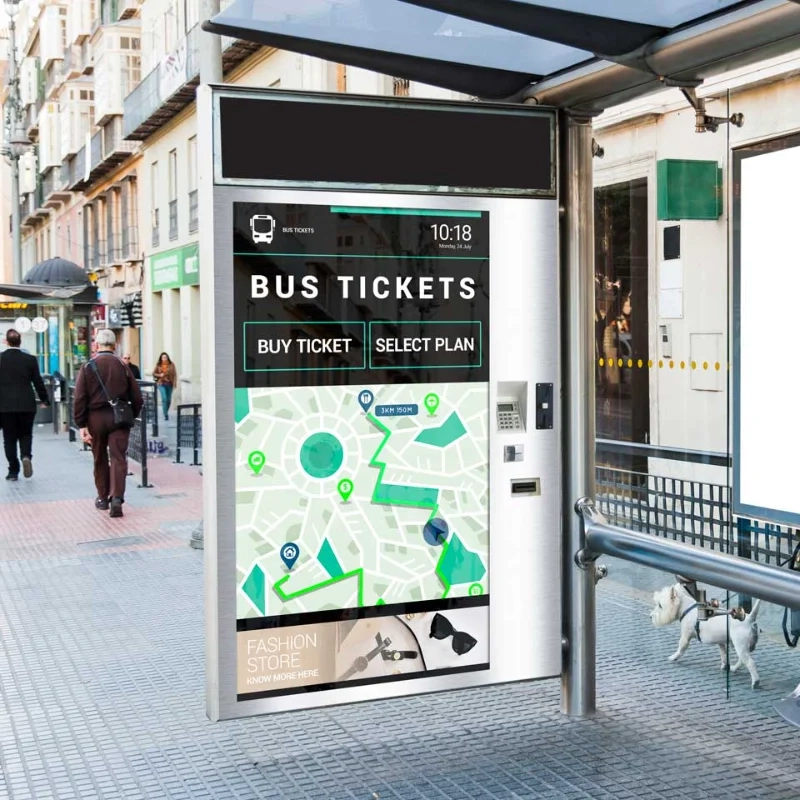
One of the most significant practical applications is in military field equipment—such as handheld radios, vehicle-mounted displays, and command-and-control consoles—where reliable visual information must be accessible in open-air combat scenarios. For example, the U.S. Department of Defense has mandated the use of sunlight-readable displays in all new tactical gear since 2018, citing improved situational awareness and operational efficiency. In commercial sectors, solar-powered digital signage in airports and bus stops rely on these screens to deliver clear messages regardless of weather or time of day.
The advantages of high-brightness sunlight-readable LCDs include enhanced contrast ratios, reduced power consumption through adaptive brightness algorithms, and improved durability in harsh environments. Recent innovations have also integrated touch functionality with glove compatibility, allowing users to operate devices in cold or wet conditions without sacrificing performance. A 2023 case study by Sharp Corporation demonstrated a 40% reduction in power usage in their latest 5,000-nit display model through dynamic ambient light sensing—a key advancement for battery-powered outdoor devices.
However, common problems persist. Thermal management remains a challenge; excessive heat from high-luminance LEDs can degrade display lifespan if not properly addressed. Manufacturers now employ active cooling systems and thermal interface materials to mitigate this issue. Another frequent problem is screen uniformity—especially in large-format displays—where pixel-level brightness variation can cause visible artifacts. Leading manufacturers like LG Display and BOE Technology address this using advanced calibration software and localized dimming techniques.
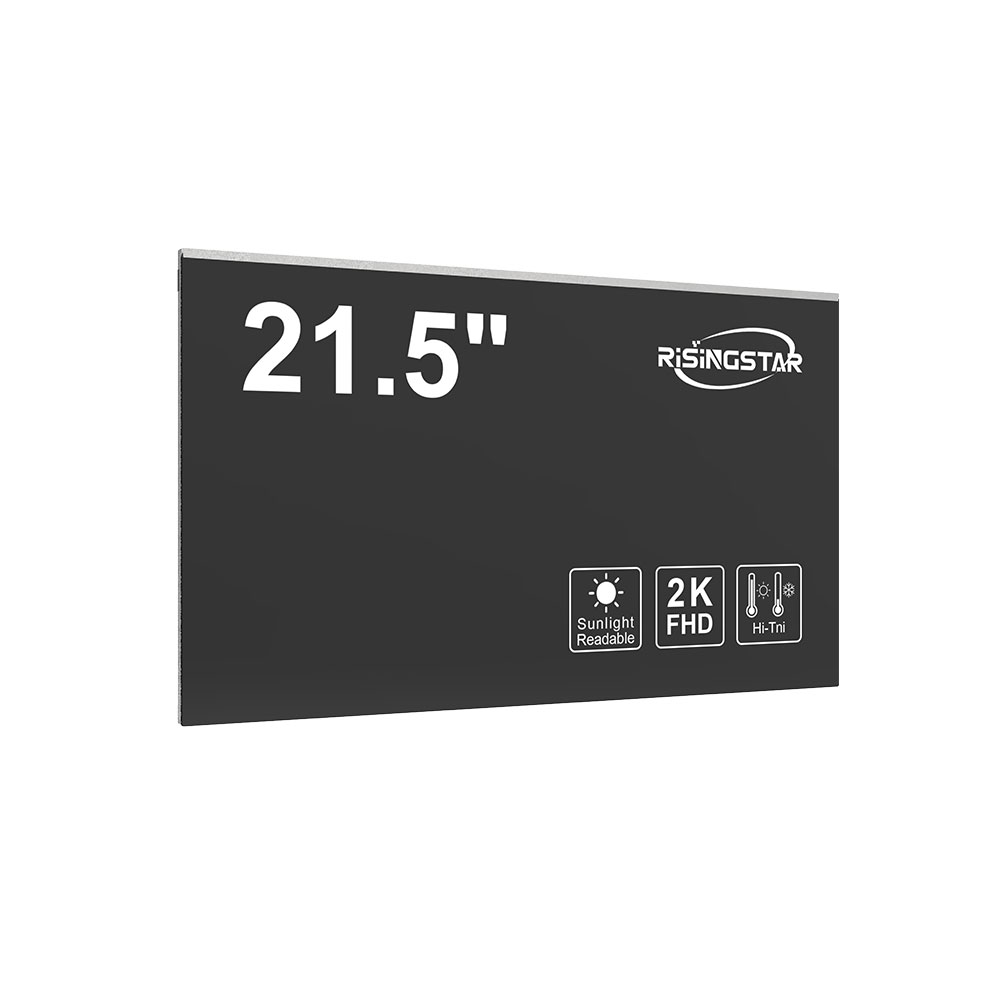
Current trends show a shift toward mini-LED and micro-LED backlights for higher brightness and better energy efficiency. Additionally, AI-driven display optimization is emerging, enabling real-time adjustment of contrast, color temperature, and brightness based on environmental data from onboard sensors. According to a 2024 report by MarketsandMarkets, the global sunlight-readable LCD market is projected to grow at a CAGR of 7.6% from 2024 to 2030, driven by increasing demand in autonomous vehicles, smart city infrastructure, and IoT-enabled outdoor devices.
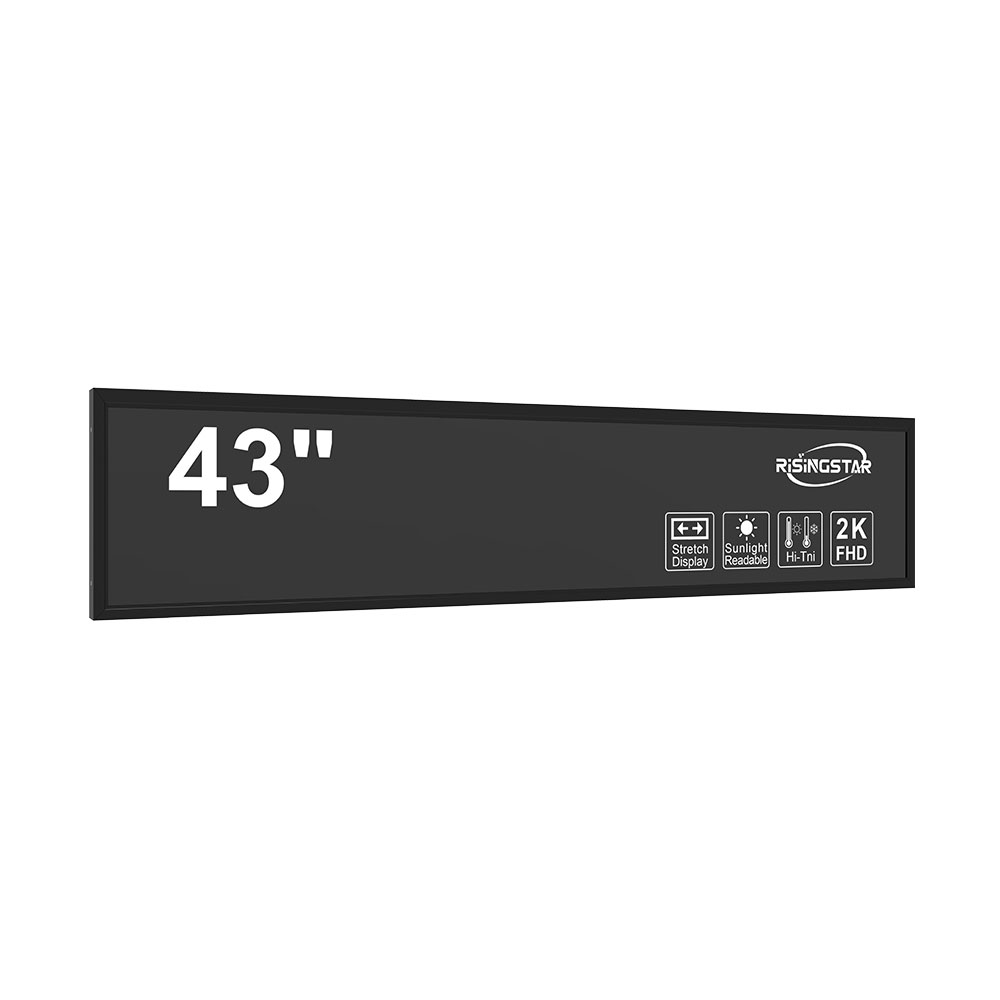
In conclusion, high-brightness sunlight-readable LCDs represent a mature yet rapidly evolving technology, balancing performance, reliability, and adaptability across diverse industries. As environmental demands increase—particularly in climate-resilient design and human-machine interaction—the evolution of these displays will continue to shape how we interact with digital content outdoors.