RisingStar
- Home
- About Us
- Products
- News
- Video
- Contact
- Send Inquiry
Search
- Home
- About Us
- Products
- News
- Video
- Contact
- Send Inquiry
RisingStar
In today’s industrial, military, and outdoor technology landscapes, the demand for reliable, sunlight-readable LCD displays that can withstand harsh environments is higher than ever. One of the most critical performance indicators in such applications is IP66 waterproof rating—a standard defined by the International Electrotechnical Commission (IEC) under IEC 60529. This classification ensures that a display is both dust-tight and protected against powerful water jets, making it ideal for extreme conditions found in marine, construction, automotive, and field-deployed equipment.
The IP66 rating consists of two digits: the first digit (6) signifies complete protection against dust ingress—meaning no harmful accumulation of dust inside the device—and the second digit (6) confirms resistance to powerful water jets from any direction. In practical terms, this means an IP66-rated LCD screen can survive exposure to high-pressure water streams, such as those from fire hoses or heavy rainstorms, without internal damage or display failure. This level of durability is essential in environments where moisture, particulates, and temperature extremes are common, such as oil rigs, mining operations, or public transportation systems.
To achieve IP66 compliance, manufacturers employ advanced sealing techniques including gaskets, potting compounds, and hermetically sealed enclosures. The backlighting system must also be designed to prevent moisture ingress—often using LED-based backlights with integrated moisture barriers. Furthermore, high-brightness LCD panels (typically exceeding 5,000 nits) are used to ensure visibility in direct sunlight, while maintaining low power consumption and long operational life. These features are often integrated into ruggedized displays designed for use in handheld devices, embedded systems, or vehicle dashboards.
Case studies support the effectiveness of IP66-rated displays in real-world deployments. For example, a leading defense contractor successfully deployed IP66-rated touchscreens in UAV control units operating in desert environments where sandstorms and sudden rain were frequent. Similarly, maritime GPS navigation systems installed on commercial vessels now routinely use IP66-certified displays due to their resilience against saltwater spray and splash exposure. These examples underscore not only the technical robustness of such screens but also their critical role in ensuring operational continuity and safety.
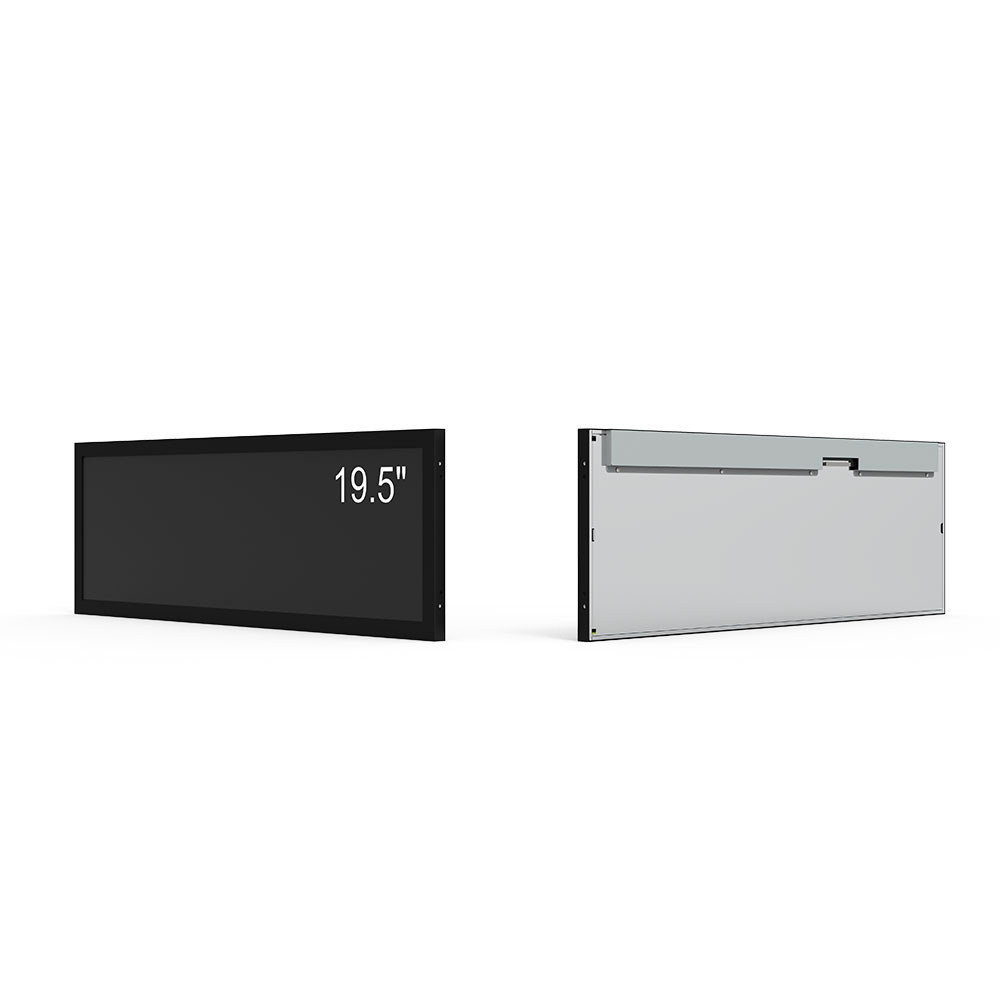
From an industry perspective, IP66 certification is increasingly required by global standards such as MIL-STD-810G for military-grade electronics and ISO 16750 for automotive applications. Compliance with these standards ensures interoperability, longevity, and reduced maintenance costs across diverse sectors. Additionally, many manufacturers now offer IP66-rated displays with optional enhancements like anti-glare coatings, wide viewing angles, and capacitive or resistive touch technologies, further expanding their applicability.
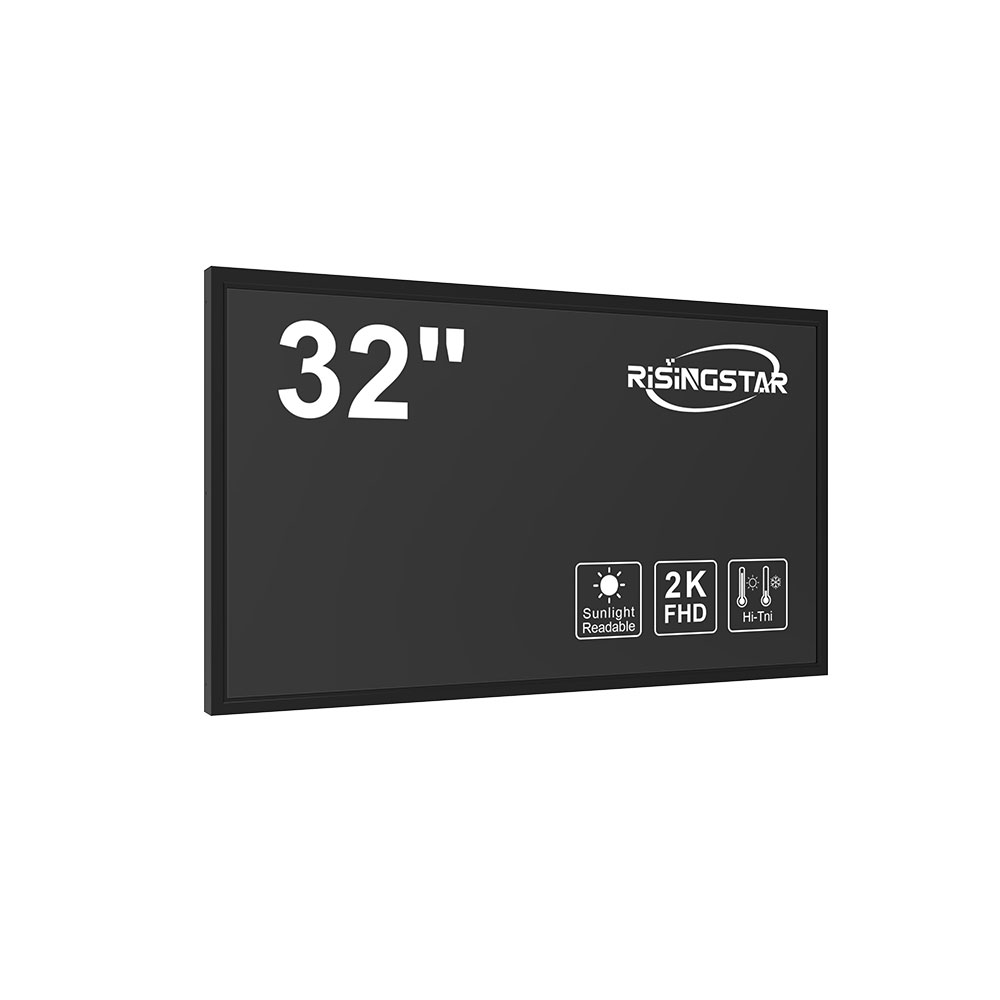
In summary, IP66 waterproof LCD displays represent a convergence of material science, optical engineering, and environmental resilience. They are not merely a feature but a necessity in modern design philosophy for anything exposed to the elements—from smart city infrastructure to aerospace command centers. As global industries continue to prioritize reliability and sustainability, IP66 remains a benchmark for performance in demanding environments.