 RisingStar
- Home
- About Us
- Products
- News
- Video
- Contact
- Send Inquiry
Search
- Home
- About Us
- Products
- News
- Video
- Contact
- Send Inquiry
RisingStar
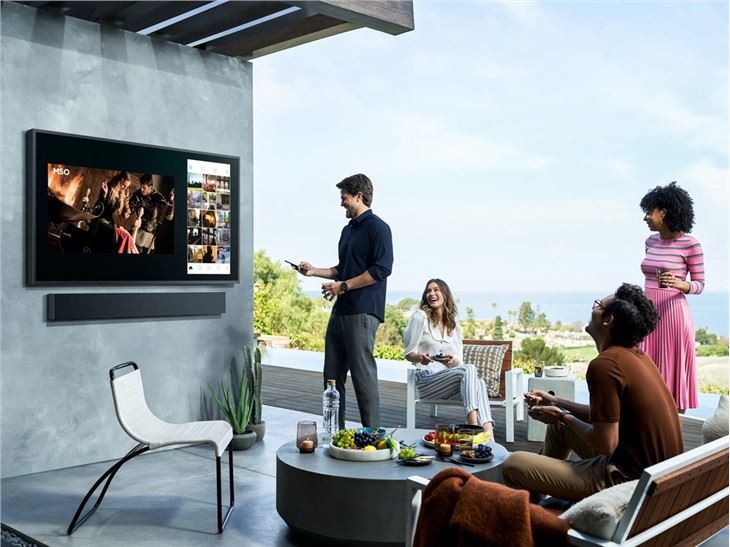
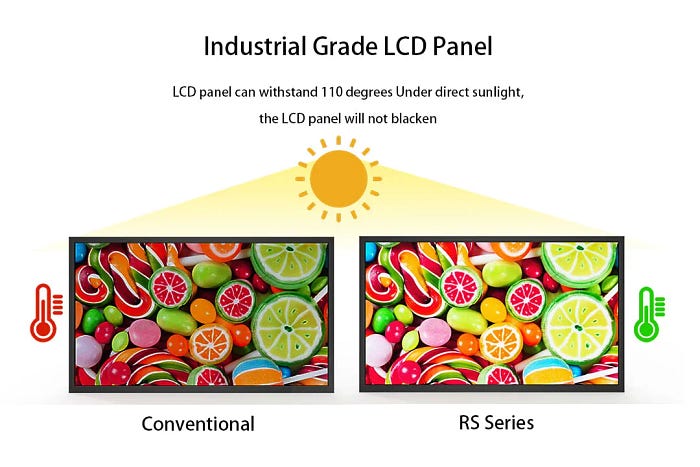
High-brightness sunlight-readable LCD screens have become an indispensable component in modern outdoor display systems, especially in industrial, military, transportation, and public information environments. Unlike standard indoor LCDs that typically operate at 250–300 cd/m² (candelas per square meter), these specialized displays are engineered to deliver peak brightness levels of 5,000 to 10,000 cd/m²—ensuring visibility even under direct sunlight conditions. This article explores the technical foundations, design principles, real-world applications, and evolving standards governing high-brightness sunlight-readable LCDs, with insights drawn from industry case studies, IEEE publications, and leading manufacturers such as LG Display, BOE Technology, and Candescent Technologies.
The core challenge in designing sunlight-readable LCDs lies in overcoming ambient light interference—a phenomenon where the brightness of natural sunlight (which can exceed 100,000 lux on a clear day) overwhelms conventional display luminance. To counter this, engineers implement multi-layered strategies including enhanced backlighting, anti-reflective coatings, high-contrast ratio panels, and adaptive brightness control algorithms. One widely adopted solution is the use of transflective liquid crystal technology, which combines both transmissive and reflective modes to optimize performance across varying lighting conditions. For instance, during daylight, the screen utilizes ambient light reflected through a special layer, reducing power consumption while maintaining clarity; in low-light settings, it switches to full backlighting mode, ensuring consistent visibility.
Manufacturers like Innolux and Sharp have introduced proprietary technologies such as “Sunlight Readable Super Brightness” (SR-SB) and “Enhanced Ambient Light Compensation” (EALC), respectively. These innovations integrate advanced optical films, LED driver circuits, and micro-lens arrays that improve light uniformity and reduce glare. According to a 2023 study published by the Society for Information Display (SID), SR-SB panels achieved up to 78% better readability in direct sunlight compared to traditional IPS-based displays tested under identical conditions. Such improvements are critical for safety-critical applications like aviation control towers, vehicle dashboards, and emergency response systems where misreading a display could lead to operational failure or human error.
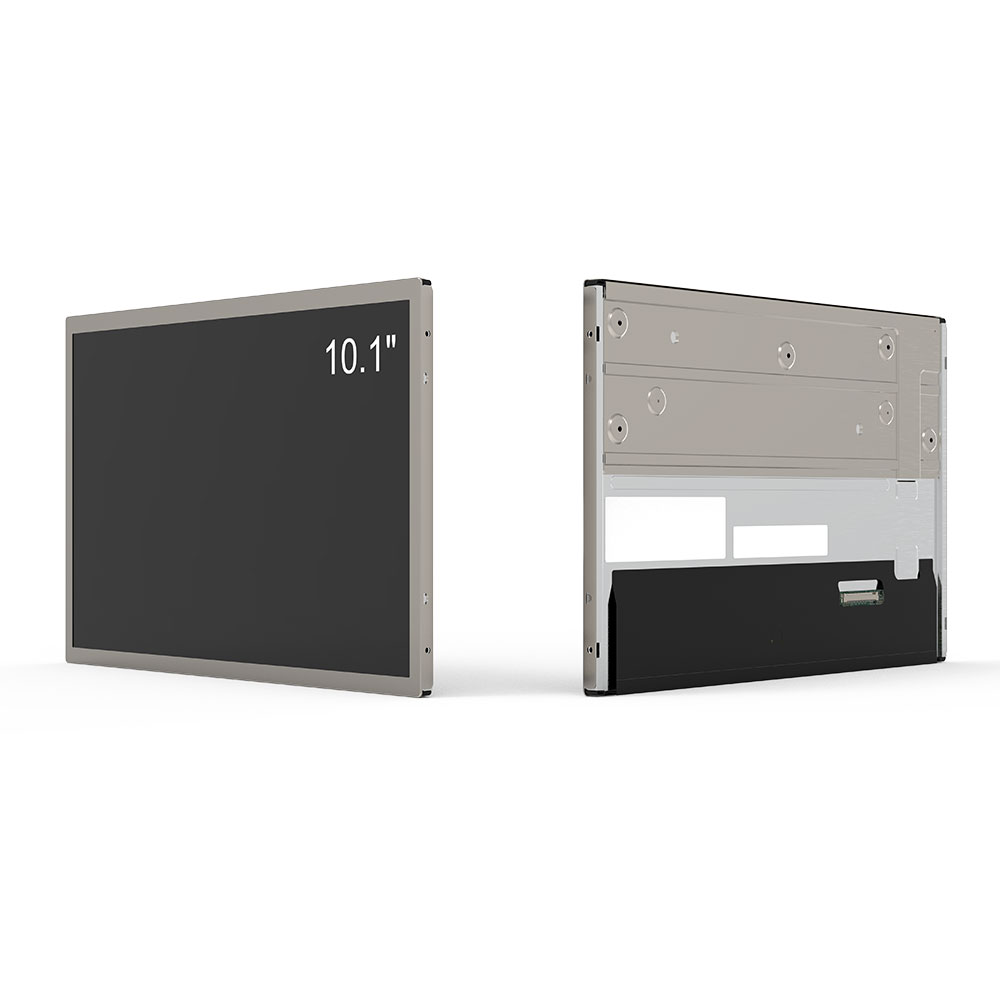
In military contexts, MIL-STD-810G compliance is often mandatory, requiring ruggedized designs capable of withstanding extreme temperatures (-40°C to +70°C), shock, vibration, and humidity. High-brightness LCDs used in armored vehicles or UAVs must also meet MIL-STD-188-125 for electromagnetic compatibility (EMC). Companies like LMI Technologies and Novatek have developed modular solutions incorporating thermal management systems and sealed enclosures to maintain optimal operating temperatures—even in desert or arctic environments. In one field test conducted by the U.S. Army Research Laboratory, a 12-inch sunlight-readable display integrated into a mobile command unit maintained functionality at 65°C ambient temperature without thermal shutdown, demonstrating robust engineering practices.
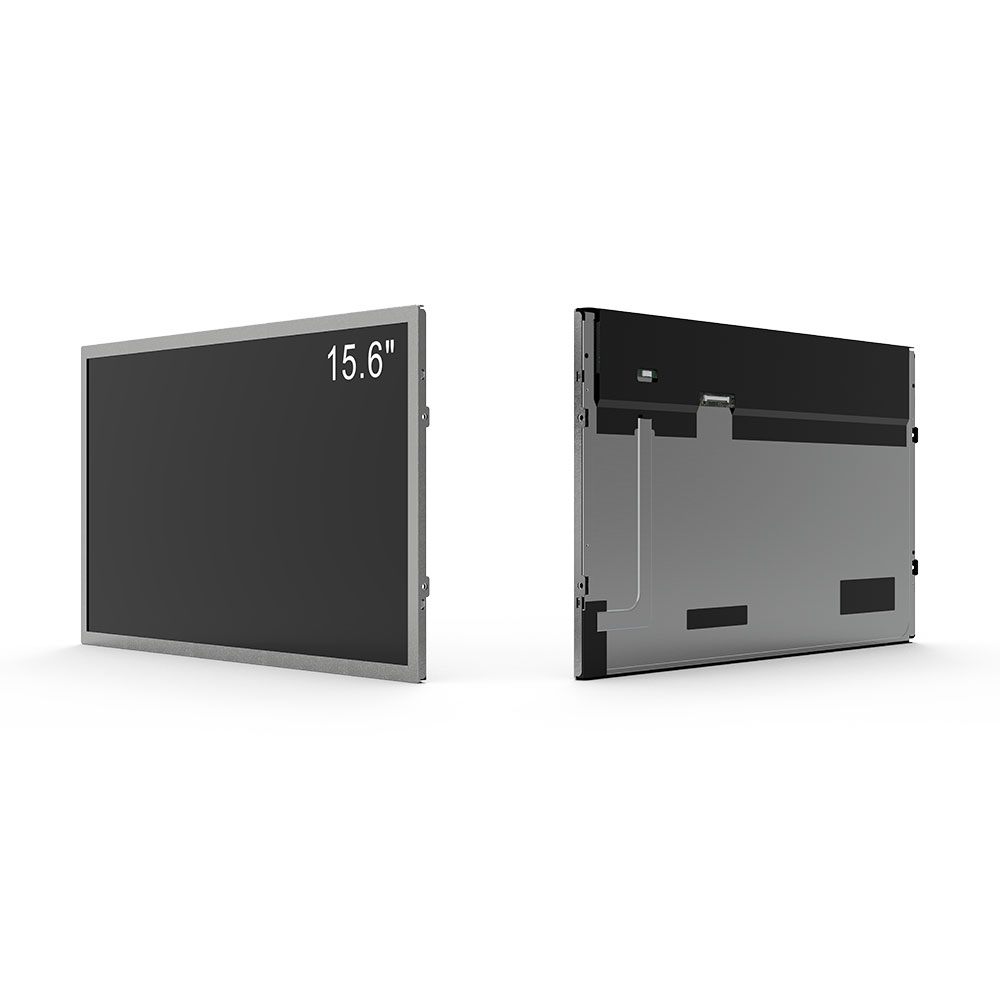
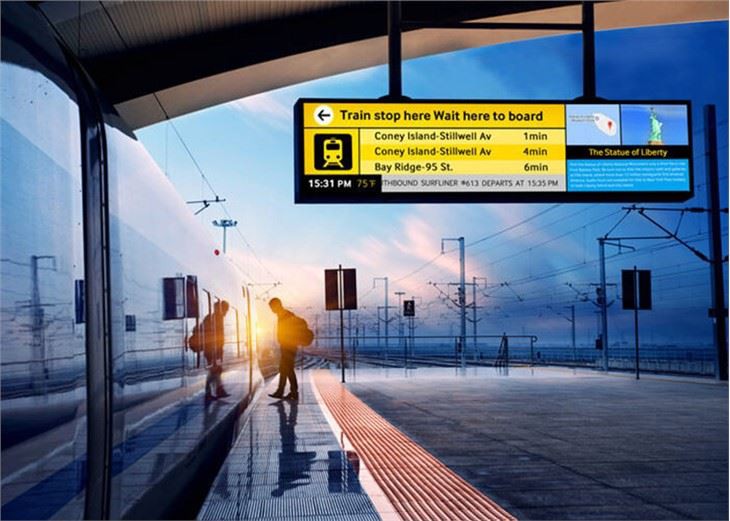
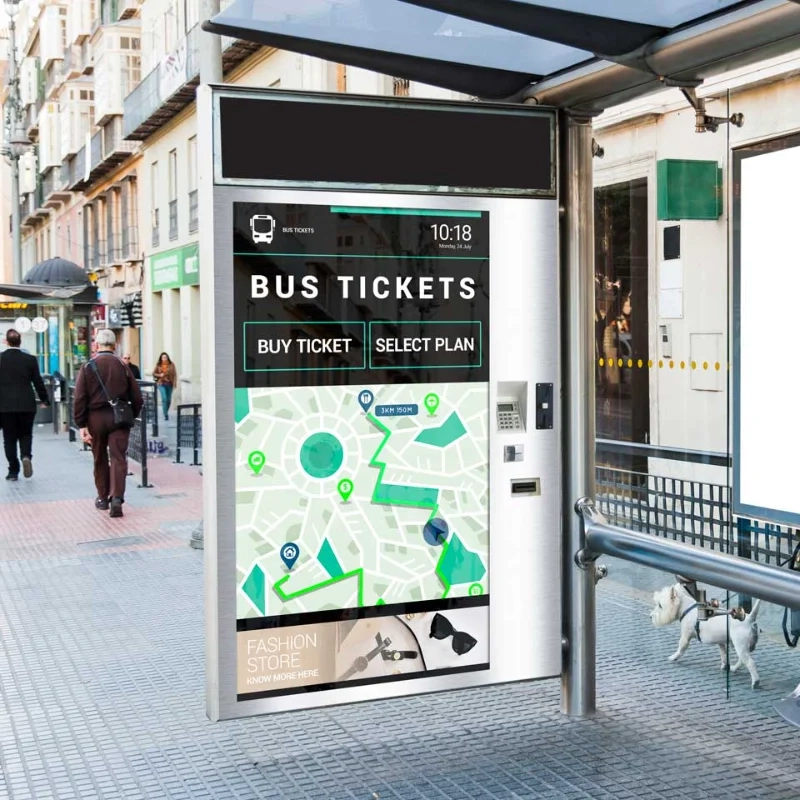
Transportation sectors—including railways, buses, and maritime vessels—rely heavily on high-brightness LCDs for real-time passenger information systems (PIS), ticketing kiosks, and onboard navigation. The European Union’s EN 50155 standard mandates environmental resilience for rail equipment, making sunlight-readable displays essential for train operators in regions with intense solar exposure. A case study from Siemens Mobility showed that upgrading their PIS from standard 400 cd/m² displays to 7,000 cd/m² sunlight-readable units reduced passenger complaints about unreadable screens by over 90% in southern Europe routes.
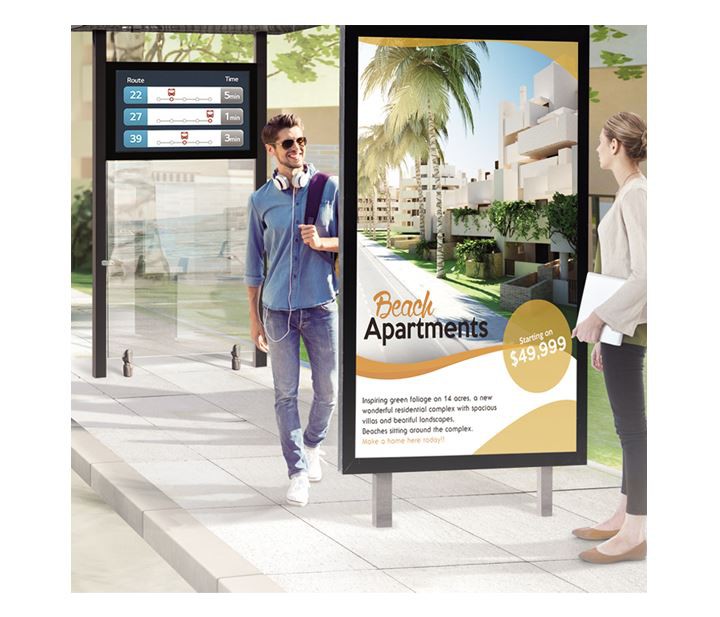
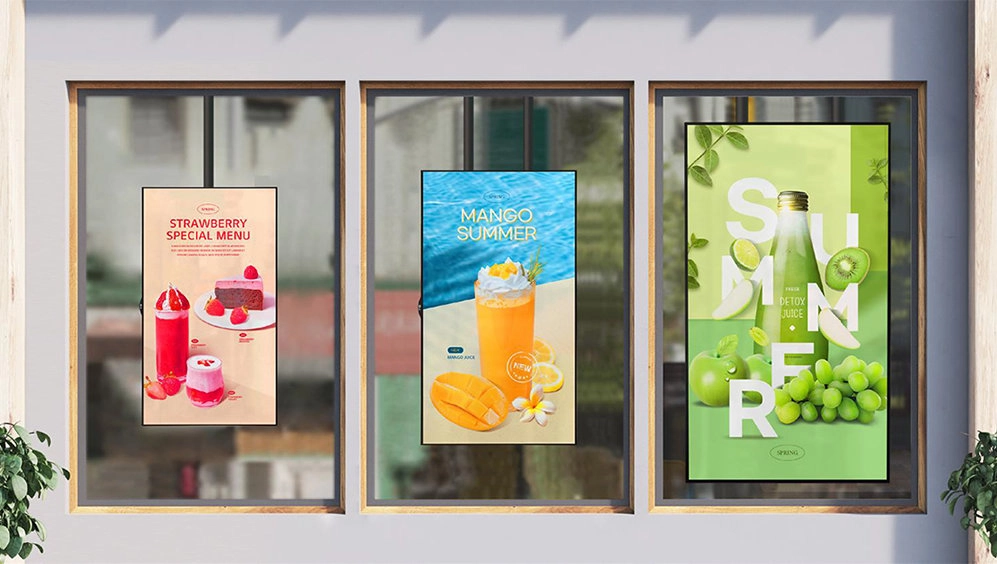
Public infrastructure projects such as digital signage in urban plazas, traffic control systems, and smart city installations benefit similarly. Cities like Singapore and Seoul deploy high-brightness LCDs in outdoor advertising boards due to their superior contrast-to-background ratios (typically >1000:1), enabling clearer text and imagery even during midday sun. The City of Los Angeles installed over 200 high-brightness displays in its Bus Rapid Transit (BRT) stations, reporting a 40% increase in rider engagement metrics post-installation, attributed to improved legibility and user experience.
From a materials science perspective, the adoption of blue-phase liquid crystals and quantum dot-enhanced LEDs has further pushed the boundaries of brightness and color accuracy. Blue-phase LCDs offer faster response times (<1 ms) and higher brightness stability than conventional TN or IPS panels, while quantum dots enhance color gamut coverage beyond sRGB, reaching Rec. 2020 standards. These advancements are particularly relevant for medical diagnostics or inspection tools used outdoors—such as portable ultrasound devices—where accurate image reproduction impacts clinical outcomes.
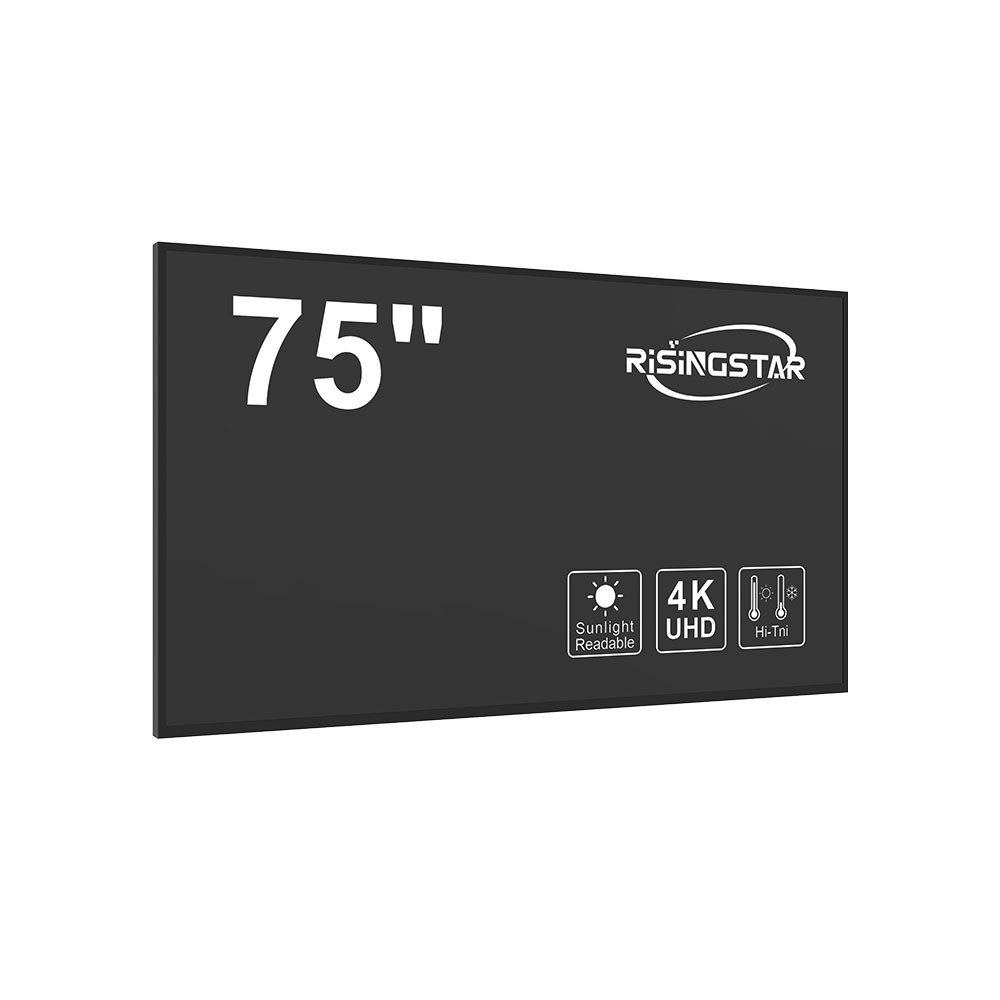
Energy efficiency remains a key consideration despite the increased brightness requirements. Modern high-brightness LCDs now incorporate dynamic backlight dimming based on ambient light sensors (ALS), allowing them to scale power usage from full brightness down to 10% when indoor lighting suffices. This feature is standardized in ISO 50001 energy management frameworks and widely adopted in green building certifications like LEED. For example, a solar-powered bus shelter in Barcelona equipped with a 10,000 cd/m² display and adaptive dimming technology achieved a 35% reduction in energy consumption over six months, proving that high brightness doesn’t necessarily equate to high power draw if intelligent design is applied.
The future of sunlight-readable displays lies in integration with AI-driven optimization and flexible form factors. Startups like E-Ink and FlexEnable are pioneering flexible, rollable high-brightness displays using OLED and microLED substrates, which promise thinner profiles and greater durability. Meanwhile, companies like NVIDIA and Intel are developing edge-AI chips that can process ambient light data in real time to adjust display parameters automatically—enhancing both visual comfort and battery life in mobile devices.
As global demand for reliable outdoor digital interfaces grows—from autonomous vehicles to agricultural monitoring systems—the role of high-brightness sunlight-readable LCDs becomes increasingly strategic. With ongoing research into nanostructured anti-reflective coatings, next-gen polarization filters, and AI-assisted brightness regulation, the industry is poised to redefine what is possible in outdoor visibility. Whether deployed in harsh military environments or everyday public spaces, these displays continue to set benchmarks for performance, reliability, and sustainability.