RisingStar
- Home
- About Us
- Products
- News
- Video
- Contact
- Send Inquiry
Search
- Home
- About Us
- Products
- News
- Video
- Contact
- Send Inquiry
RisingStar
High-brightness sunlight-readable LCD screens are essential in modern outdoor applications where visibility under direct sunlight is critical. These displays are engineered to deliver consistent image quality and readability even under extreme lighting conditions, such as those found in military field operations, industrial control panels, transportation systems (like buses and trains), and consumer devices like handheld GPS units or ruggedized tablets.
The core of sunlight-readability lies in brightness output—typically measured in nits (cd/m²). Standard indoor LCDs operate at around 200–300 nits, which quickly become unreadable in bright daylight. In contrast, high-brightness sunlight-readable LCDs must achieve at least 1,500 nits, with many commercial-grade models reaching 5,000 nits or more. This is achieved through a combination of advanced backlighting technologies (such as LED arrays with diffusers), optimized polarizer coatings, and anti-reflective glass treatments that minimize glare while maximizing contrast ratio.
Manufacturers like Sharp, LG Display, and Eizo have developed proprietary solutions using high-efficiency LEDs and multi-layer optical films that reduce power consumption without sacrificing luminance. For example, the use of micro-lens arrays in backlights increases light extraction efficiency by up to 40%, allowing brighter displays with lower energy draw—a crucial factor for battery-powered outdoor equipment.
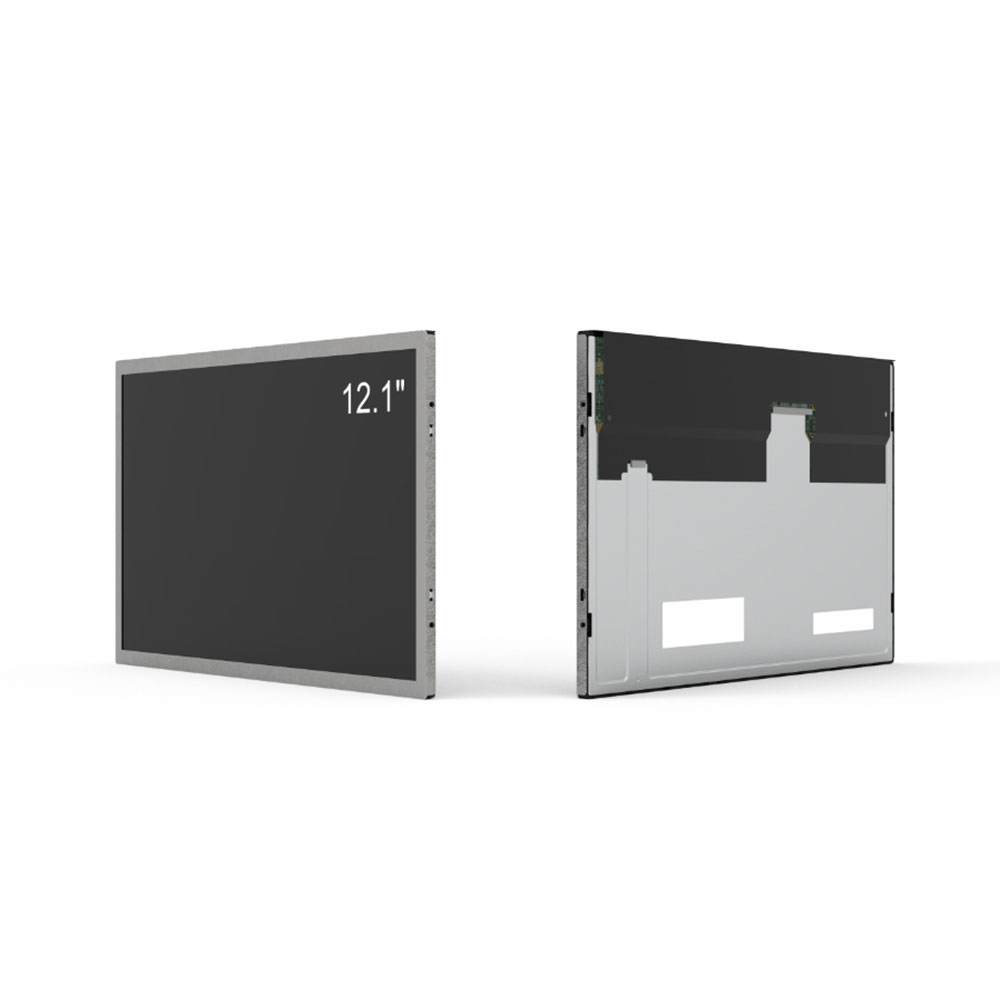
Additionally, sunlight-readable LCDs often integrate adaptive brightness control, which dynamically adjusts screen luminance based on ambient light sensors. This not only improves usability but also extends battery life—a key requirement in mobile and remote applications. The integration of IPS (In-Plane Switching) or VA (Vertical Alignment) panel technologies further enhances viewing angles and color accuracy, ensuring that operators can read critical information from various positions without distortion.
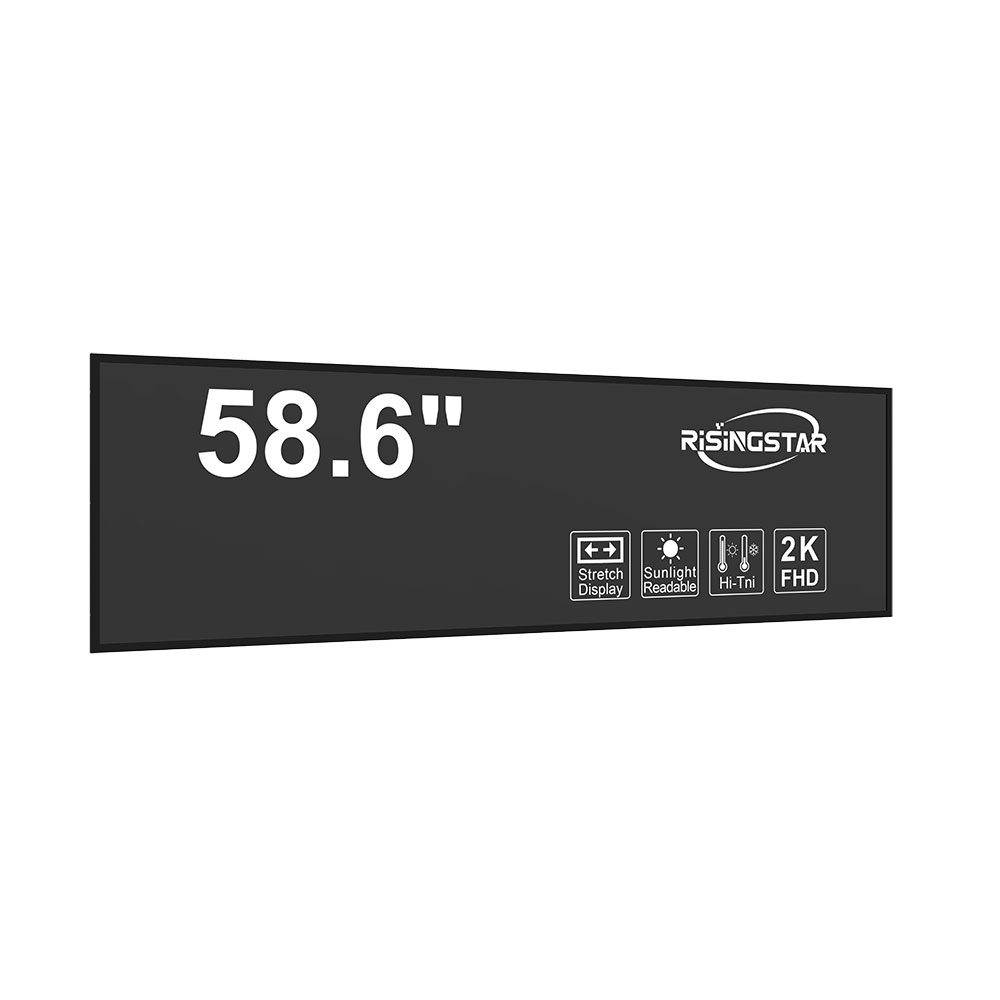
Case studies from the U.S. Department of Defense reveal that high-brightness sunlight-readable displays used in tactical field gear improved situational awareness by over 30% compared to standard LCDs. Similarly, public transit agencies in cities like Tokyo and London have reported reduced user complaints and improved passenger engagement after upgrading to these screens in digital signage and ticketing kiosks.
Industry standards such as MIL-STD-810G for environmental durability and ISO 9241-307 for human-centered design further validate the robustness and usability of these displays. Compliance ensures that they function reliably in temperature extremes (-20°C to +70°C), humidity, shock, and vibration typical in outdoor environments.
In conclusion, the evolution of high-brightness sunlight-readable LCD technology is driven by real-world performance needs across defense, transportation, and industrial sectors. As global demand for reliable outdoor displays grows—especially in smart city infrastructure and IoT-enabled devices—the focus remains on balancing brightness, power efficiency, durability, and cost-effectiveness. Future innovations may include OLED-based sunlight-readable screens with even higher contrast ratios and faster response times, pushing the boundaries of what’s possible in harsh outdoor conditions.