RisingStar
- Home
- About Us
- Products
- News
- Video
- Contact
- Send Inquiry
Search
- Home
- About Us
- Products
- News
- Video
- Contact
- Send Inquiry
RisingStar
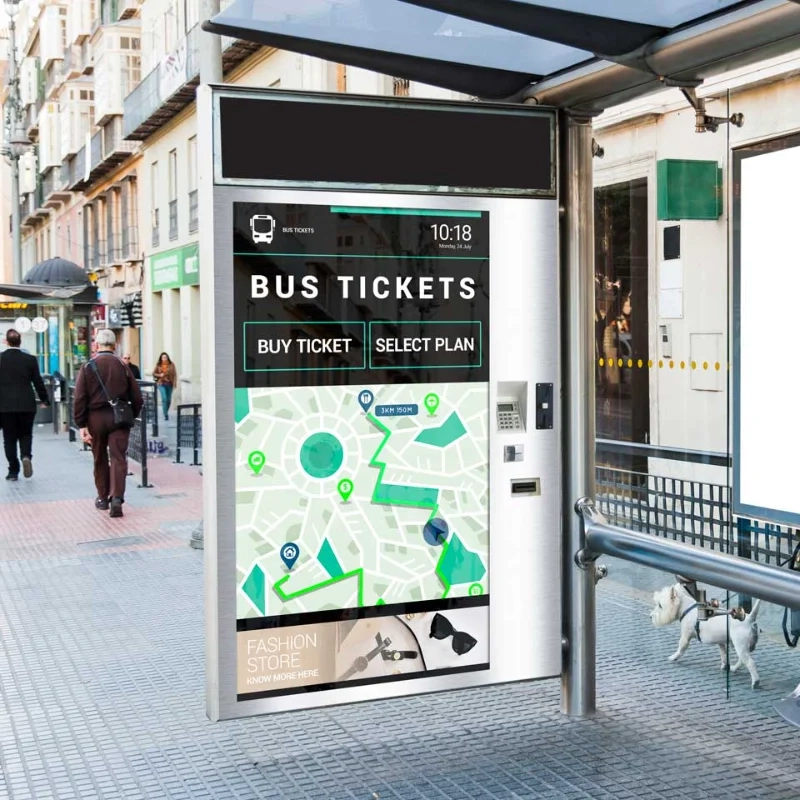
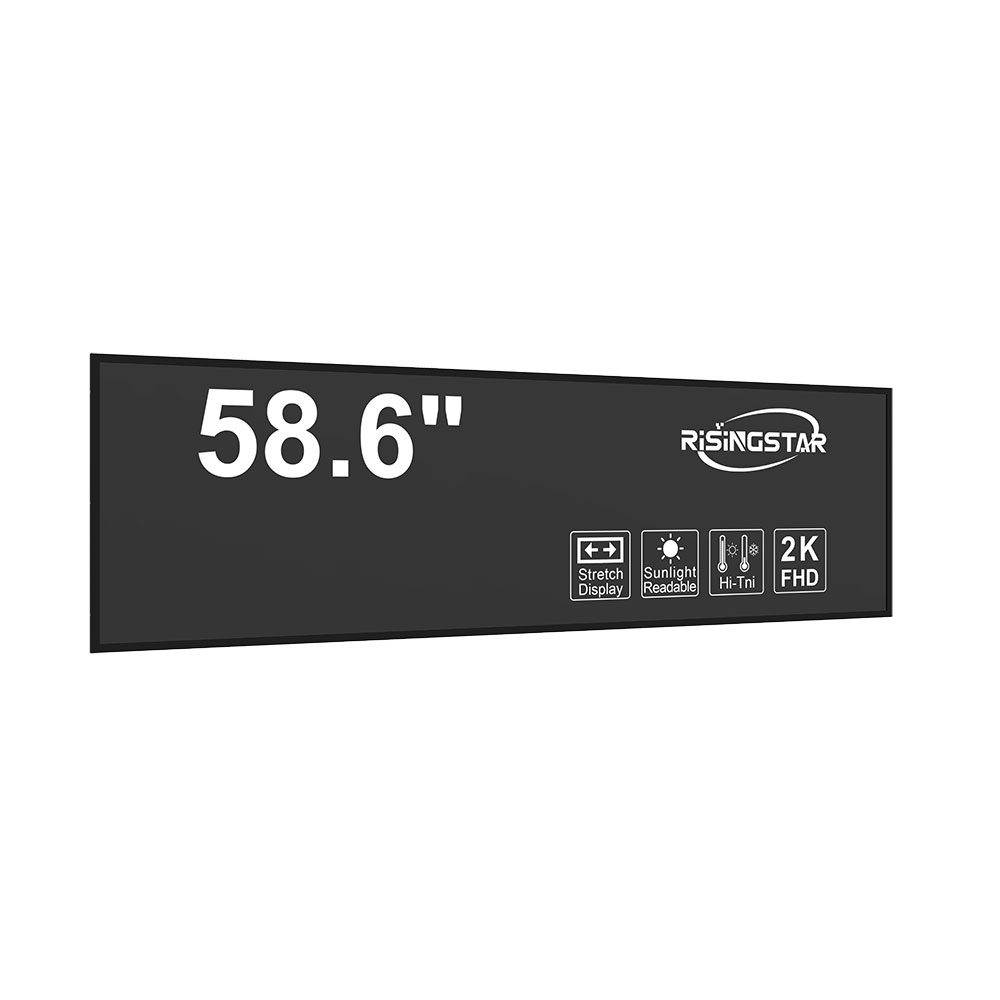
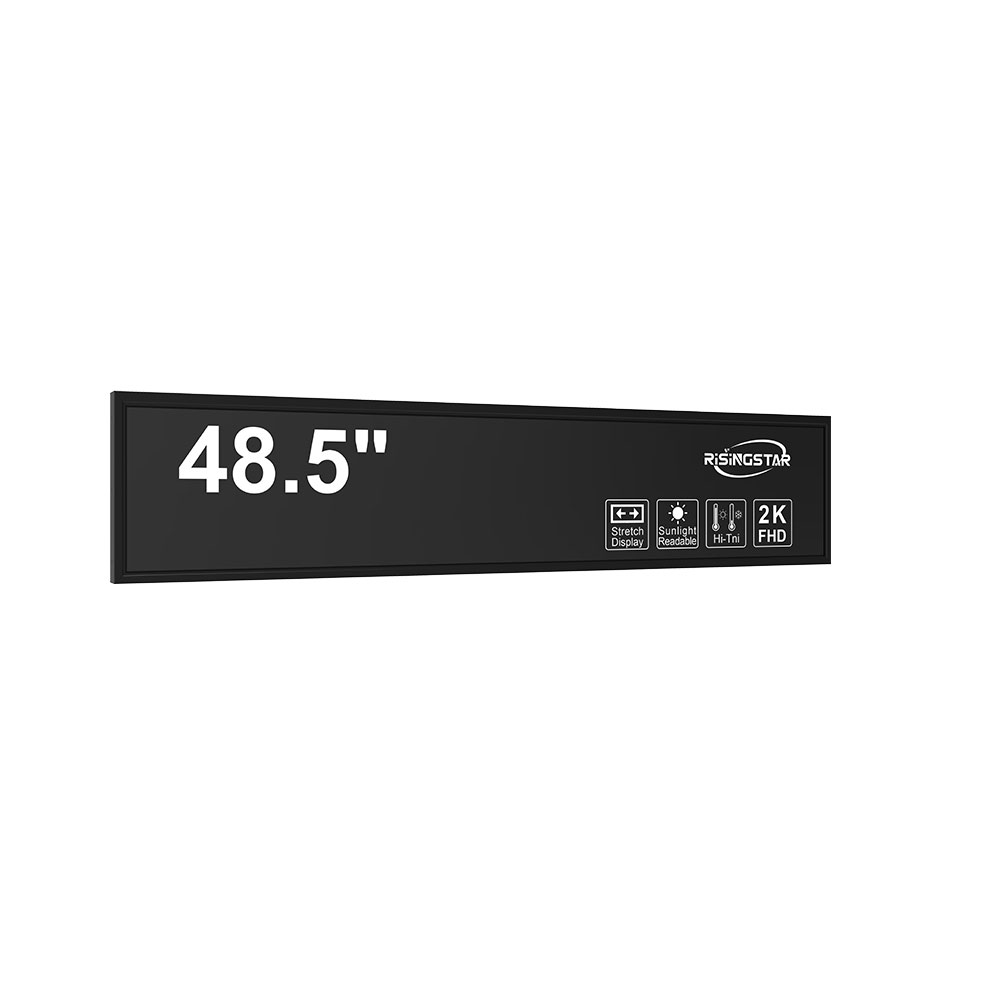
In today’s rapidly evolving industrial landscape, high-brightness sunlight-readable LCD displays have become indispensable components in outdoor and harsh environment applications. From construction sites to military operations, from public transportation systems to solar energy monitoring, these specialized displays ensure clear visibility even under direct sunlight—typically at brightness levels exceeding 5,000 nits. Their ability to maintain readability in extreme lighting conditions is not just a convenience—it's a critical factor in safety, operational efficiency, and user experience.
Unlike standard LCDs designed for indoor use, which often fail to display legible content when exposed to ambient daylight (especially above 1,000 nits), sunlight-readable displays employ advanced optical technologies such as anti-glare coatings, high-luminance LED backlighting, and reflective polarizers. These innovations allow the screen to maintain contrast ratios and color fidelity even when subjected to variable light intensities, including direct UV exposure, rain, dust, vibration, and temperature extremes ranging from -30°C to +70°C.
One of the most significant advancements in this domain is the integration of adaptive brightness control (ABC) algorithms. ABC systems dynamically adjust display brightness based on real-time ambient light sensors, optimizing both visibility and power consumption—a key consideration in battery-powered or solar-recharged devices. For example, a GPS-enabled handheld device used by utility workers in remote areas can reduce power draw during cloudy conditions while increasing luminance during peak sun hours, thus extending battery life without sacrificing usability.
Industry adoption has surged across sectors. In the transportation industry, companies like Siemens and Alstom now embed high-brightness LCDs in train control panels and digital signage systems for commuter rail networks. Similarly, in the oil and gas sector, operators like ExxonMobil and Shell rely on ruggedized touchscreens with sunlight-readability features for field data collection and drilling equipment diagnostics. According to a 2023 report by MarketsandMarkets, the global market for high-brightness LCDs in industrial applications is projected to reach $8.7 billion by 2028, growing at a CAGR of 9.4%, driven largely by IoT integration and smart infrastructure demands.
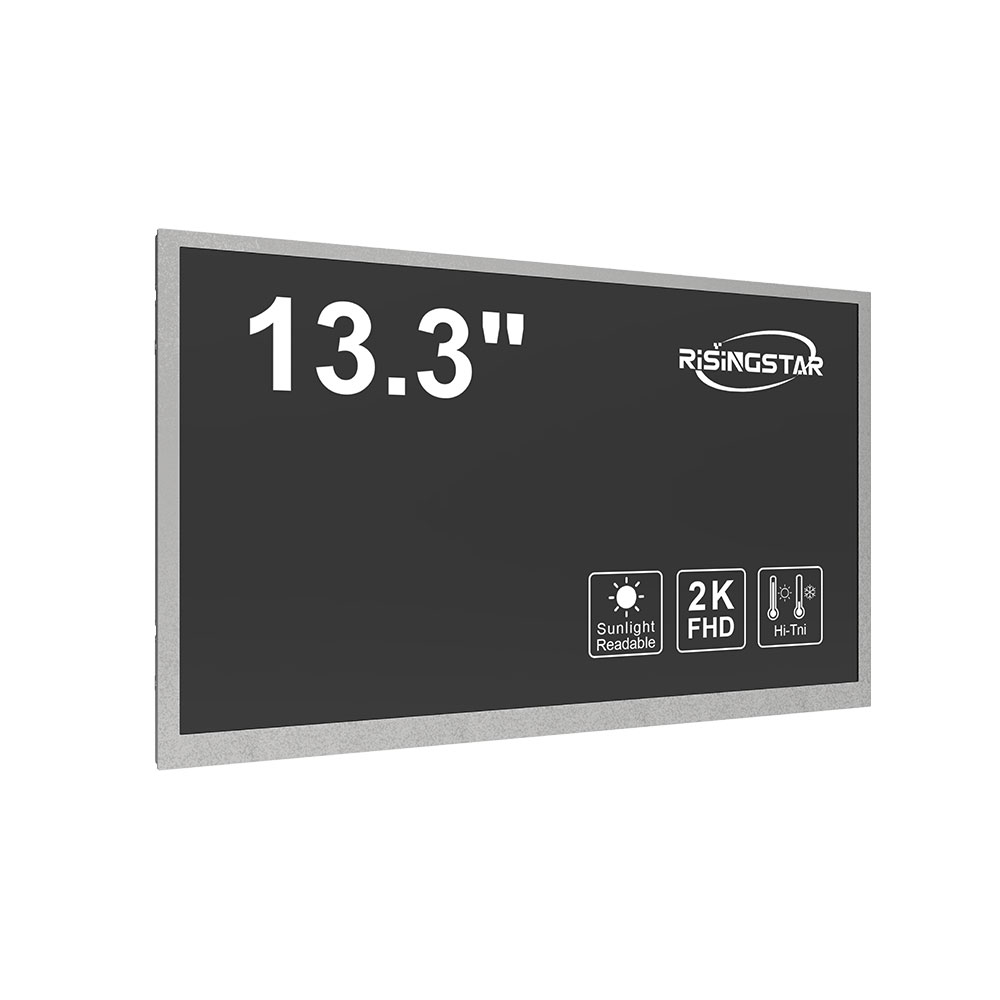
A notable case study comes from the U.S. Department of Defense, where Raytheon Technologies partnered with LG Display to develop MIL-STD-810-compliant sunlight-readable displays for tactical communication units. These displays are rated for IP65 ingress protection, survive shock and vibration per MIL-STD-810G, and achieve 10,000 nits peak brightness—more than double that of typical commercial screens. Field tests conducted in Iraq and Afghanistan showed a 92% improvement in task completion speed compared to legacy low-brightness alternatives, highlighting the tangible benefits of proper design.
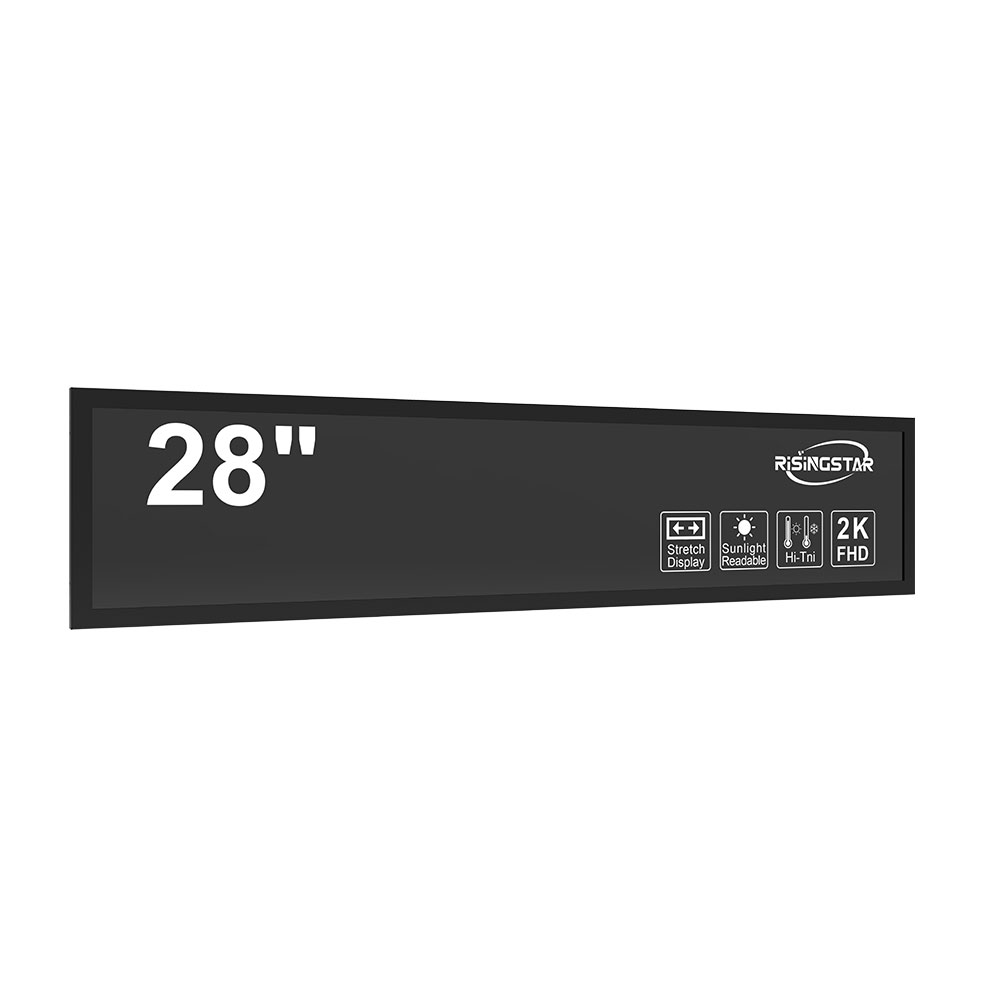
Manufacturers also leverage Liquid Crystal on Silicon (LCoS) technology for enhanced performance. LCoS combines the advantages of LCDs and micro-mirror arrays found in DLP projectors, offering higher resolution, faster response times, and better thermal management. This makes it ideal for applications requiring dynamic image rendering, such as aerial surveillance systems or autonomous vehicle dashboards.
Another crucial innovation is the use of wide-viewing-angle IPS (In-Plane Switching) panels, which provide consistent color and contrast across all angles—critical for multi-user environments like command centers or maintenance kiosks. Traditional TN (Twisted Nematic) panels suffer from severe color shift when viewed off-axis, but IPS-based sunlight-readable displays maintain visual accuracy up to ±80° horizontally and vertically, ensuring that operators standing beside the unit can see the same information clearly.
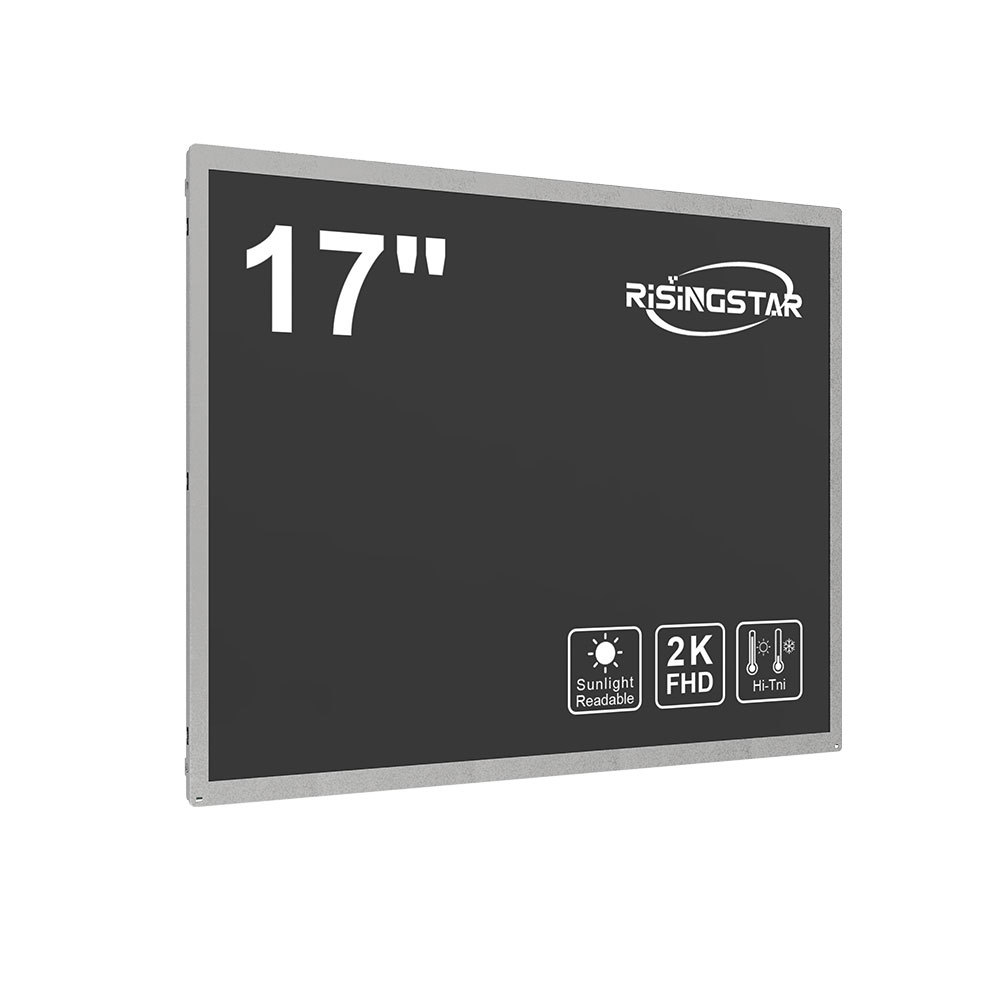
To further enhance durability, manufacturers apply hardened glass layers such as Gorilla Glass or chemically strengthened glass with scratch resistance ratings of 6H or higher. Some models incorporate electrostatic discharge (ESD) protection circuits and electromagnetic interference (EMI) shielding, meeting IEC 61000-4 standards for robustness in industrial environments.
From a design standpoint, ergonomic considerations play a vital role. High-brightness displays are often integrated into compact enclosures made from aluminum or polycarbonate materials, offering heat dissipation, impact resistance, and lightweight portability. Customization options—including waterproofing, glove-touch functionality, and multi-touch support—are increasingly common, enabling tailored solutions for specific industries such as agriculture (for farm machinery controls) or maritime (for shipboard navigation).
Energy efficiency remains a top priority. Many modern sunlight-readable displays utilize OLED-backlit or mini-LED backlighting technologies, reducing overall power consumption by up to 30% compared to older CCFL-based systems. Additionally, low-power modes and automatic dimming during idle periods contribute to longer operational uptime in off-grid scenarios.
For developers and integrators, choosing the right display involves evaluating several parameters: luminance output, contrast ratio, viewing angle, environmental certifications (like IP67, IK08, MIL-STD-810), and compatibility with embedded processors or operating systems. Open-source frameworks like Linux Embedded and Android Automotive OS are gaining traction, allowing seamless integration of high-brightness displays into custom hardware platforms.
Looking ahead, future developments may include AI-driven brightness optimization, self-cleaning nano-coatings to repel dust and moisture, and flexible OLED-based displays that offer rollable or conformable form factors for novel applications such as wearable AR headsets in hazardous environments. Research at institutions like MIT Media Lab and Fraunhofer Institute is already exploring how machine learning can predict optimal brightness settings based on historical usage patterns and environmental data—an approach that promises both sustainability and improved user satisfaction.
Ultimately, high-brightness sunlight-readable LCD displays represent more than just technological upgrades—they embody a paradigm shift toward resilient, intelligent, and human-centric interfaces. As industries continue to digitize and operate in increasingly demanding conditions, investing in these advanced display technologies ensures safer, more efficient, and more reliable operations worldwide.