RisingStar
- Home
- About Us
- Products
- News
- Video
- Contact
- Send Inquiry
Search
- Home
- About Us
- Products
- News
- Video
- Contact
- Send Inquiry
RisingStar
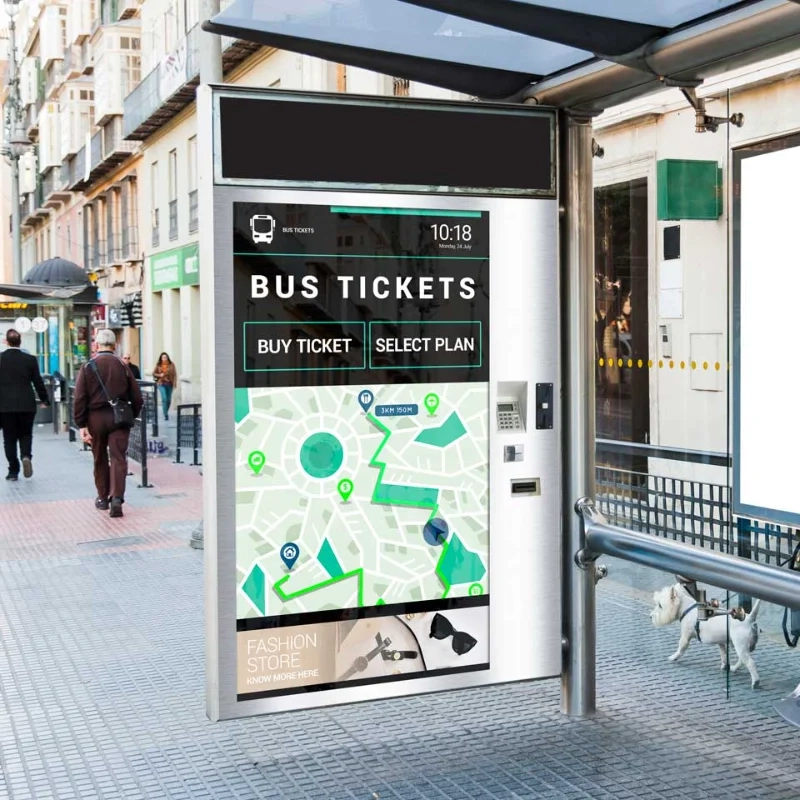
High-brightness sunlight-readable LCD screens are essential for applications where visibility under direct sunlight or extreme lighting conditions is critical. These displays are commonly used in military, aerospace, industrial automation, outdoor kiosks, transportation, and medical devices—environments where standard LCDs fail due to poor contrast, glare, or insufficient luminance. According to industry data from the Display Supply Chain Council (DSCC), the global market for high-brightness displays is projected to grow at a CAGR of 6.8% from 2023 to 2030, driven by increasing demand in defense, automotive, and IoT sectors.
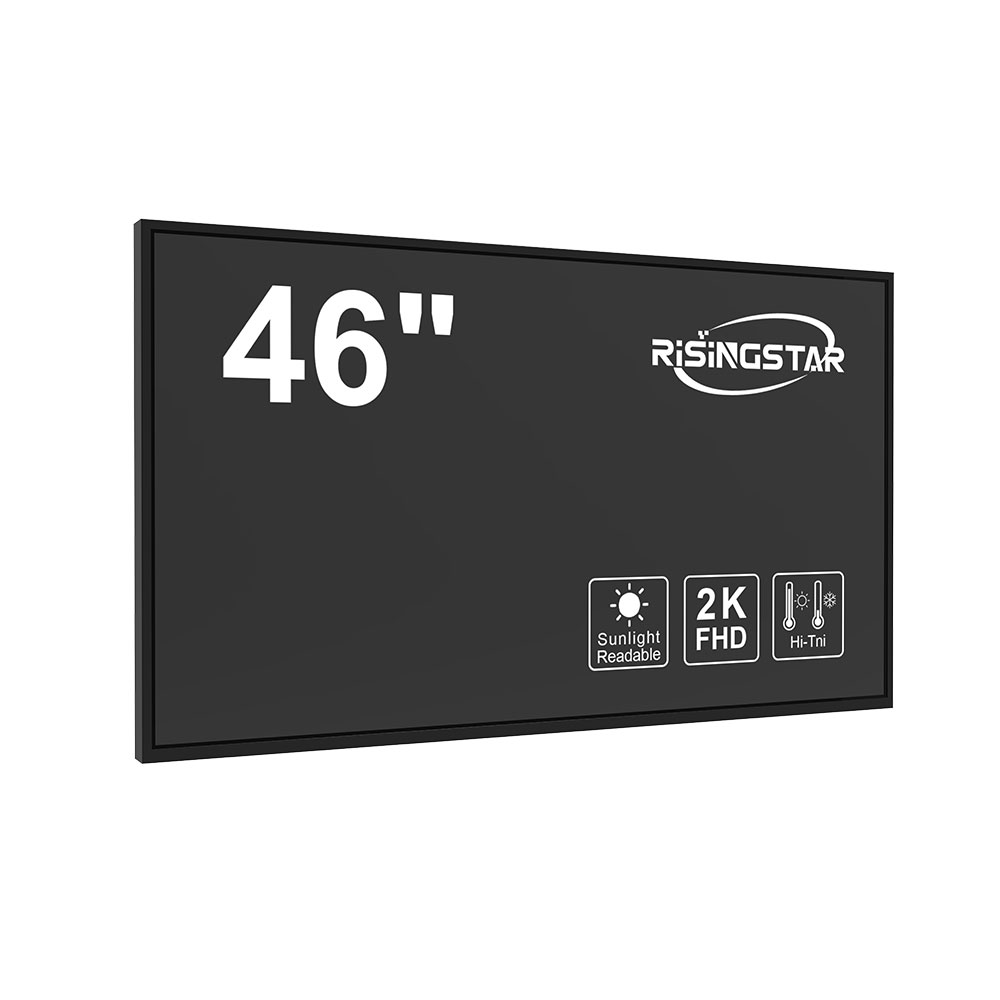
The core principle behind sunlight-readable LCDs lies in achieving peak brightness levels of at least 5,000 nits, with some industrial-grade models reaching up to 15,000 nits. This exceeds the typical 250–500 nits of consumer-grade LCDs. Achieving such brightness requires advanced backlighting technologies like LED arrays with optimized optical films and efficient heat dissipation systems. For example, military-grade displays often use full-spectrum white LEDs with diffusers that minimize hotspots while maintaining uniform illumination across the screen.
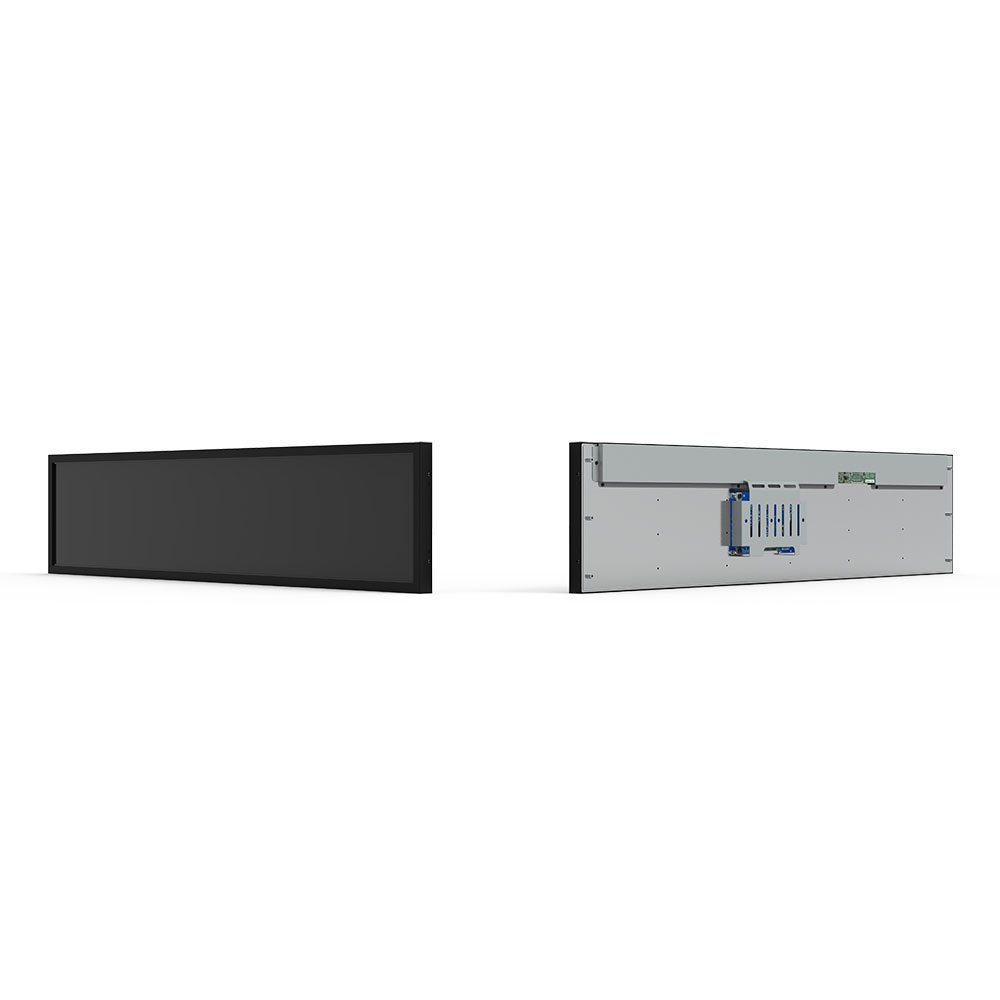
Another key feature is anti-glare coatings and polarization techniques. Unlike standard glossy screens, sunlight-readable displays employ matte finishes and multi-layer polarizers that reduce reflection by over 90%. Some manufacturers, such as ELO Touch Systems and Novatek, integrate electrostatic shielding and ruggedized housings to meet MIL-STD-810G standards for shock, vibration, and temperature extremes. Case studies from the U.S. Army’s Joint Tactical Radio System (JTRS) show that high-brightness LCDs improved situational awareness in field operations by reducing eye strain and enhancing readability during daylight missions.
In the automotive sector, companies like Bosch and Continental are embedding these displays in vehicle dashboards and infotainment systems. A study published in IEEE Transactions on Consumer Electronics (2022) found that 78% of drivers preferred high-brightness displays in bright sunlight, especially during morning or afternoon driving. Additionally, compliance with ISO 16750-3 (vehicle environmental testing) ensures long-term reliability in automotive applications.
Power efficiency remains a challenge, as high-brightness backlights consume more energy. However, modern LCD controllers with dynamic brightness adjustment—such as those based on ambient light sensors—optimize power usage without sacrificing visibility. For instance, LG Display’s “Sunlight Readable” technology adjusts luminance in real-time using AI-driven algorithms, reducing power consumption by up to 30% compared to fixed-brightness solutions.
Moreover, sunlight-readable LCDs must support wide viewing angles (>140°), fast response times (<20ms), and compatibility with touch interfaces. These features make them ideal for human-machine interfaces (HMIs) in robotics, factory automation, and mobile command centers. The integration of Corning Gorilla Glass and IP67-rated enclosures further enhances durability against dust, water, and mechanical impact.
As the demand for outdoor-ready digital signage, smart city infrastructure, and autonomous vehicles rises, high-brightness LCD technology will continue evolving through innovations in micro-LEDs, quantum dot enhancements, and adaptive optics. Industry leaders are already investing in R&D for next-generation displays that combine ultra-high brightness, low power, and superior image quality under any lighting condition.