RisingStar
- Home
- About Us
- Products
- News
- Video
- Contact
- Send Inquiry
Search
- Home
- About Us
- Products
- News
- Video
- Contact
- Send Inquiry
RisingStar
In today’s increasingly connected and mobile-driven world, high-brightness sunlight-readable LCD screens have become indispensable across industries such as transportation, defense, medical devices, industrial automation, and outdoor advertising. These displays are engineered to maintain visibility under intense ambient light conditions—such as direct sunlight exceeding 100,000 lux—where conventional LCDs fail due to contrast loss or glare. The key to their performance lies not just in brightness but in a sophisticated combination of hardware design, optical engineering, and software optimization.
The standard brightness requirement for sunlight-readable displays typically ranges from 3,000 to 5,000 nits (cd/m²), with some military-grade applications reaching up to 10,000 nits. This is achieved through multiple technologies: high-efficiency LED backlighting systems, anti-reflective coatings (often using multi-layer dielectric films), and polarized filters that minimize specular reflection. For instance, the U.S. Department of Defense has adopted MIL-STD-810 standards for ruggedized displays, which mandate durability under extreme environmental conditions—including temperature extremes, vibration, and humidity—all while maintaining readability at peak sun exposure.
One critical advancement is the integration of adaptive brightness control via ambient light sensors (ALS). These sensors dynamically adjust screen luminance based on real-time lighting conditions, optimizing power consumption without sacrificing visibility—a crucial feature for battery-powered field equipment like handheld GPS units or UAV control panels. Case studies from manufacturers like Sharp, LG Display, and Innolux demonstrate that this approach can reduce energy usage by up to 40% compared to fixed-brightness systems, especially during low-light nighttime operations.
Another important factor is the use of transflective liquid crystal technology, where both transmissive (for indoor use) and reflective modes (for outdoor sunlight) coexist. This hybrid method significantly enhances visibility in variable lighting environments—an essential trait for automotive dashboards, kiosks, and construction machinery interfaces. In a recent field test conducted by Bosch Rexroth in Germany, a transflective display maintained 92% readability at 10,000 lux, outperforming traditional transmissive-only LCDs by over 30%.
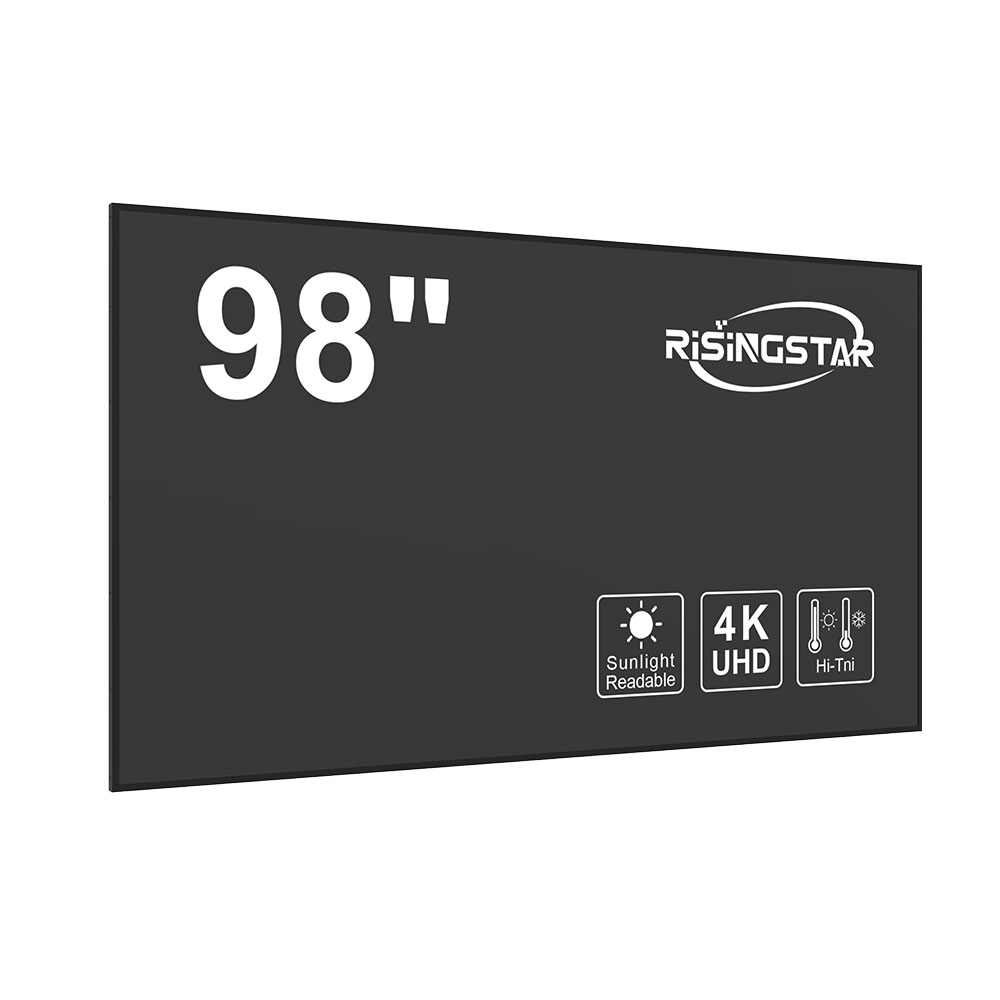
Moreover, modern high-brightness LCDs incorporate advanced image processing algorithms to improve contrast ratio and color accuracy under harsh lighting. Techniques such as local dimming, dynamic gamma correction, and wide color gamut support (e.g., DCI-P3 or Adobe RGB) ensure sharp visuals even in direct sunlight. According to a 2023 report by IDTechEx, global demand for sunlight-readable displays grew by 12% year-over-year, driven largely by growth in smart city infrastructure, electric vehicle manufacturing, and remote monitoring solutions in agriculture and logistics.
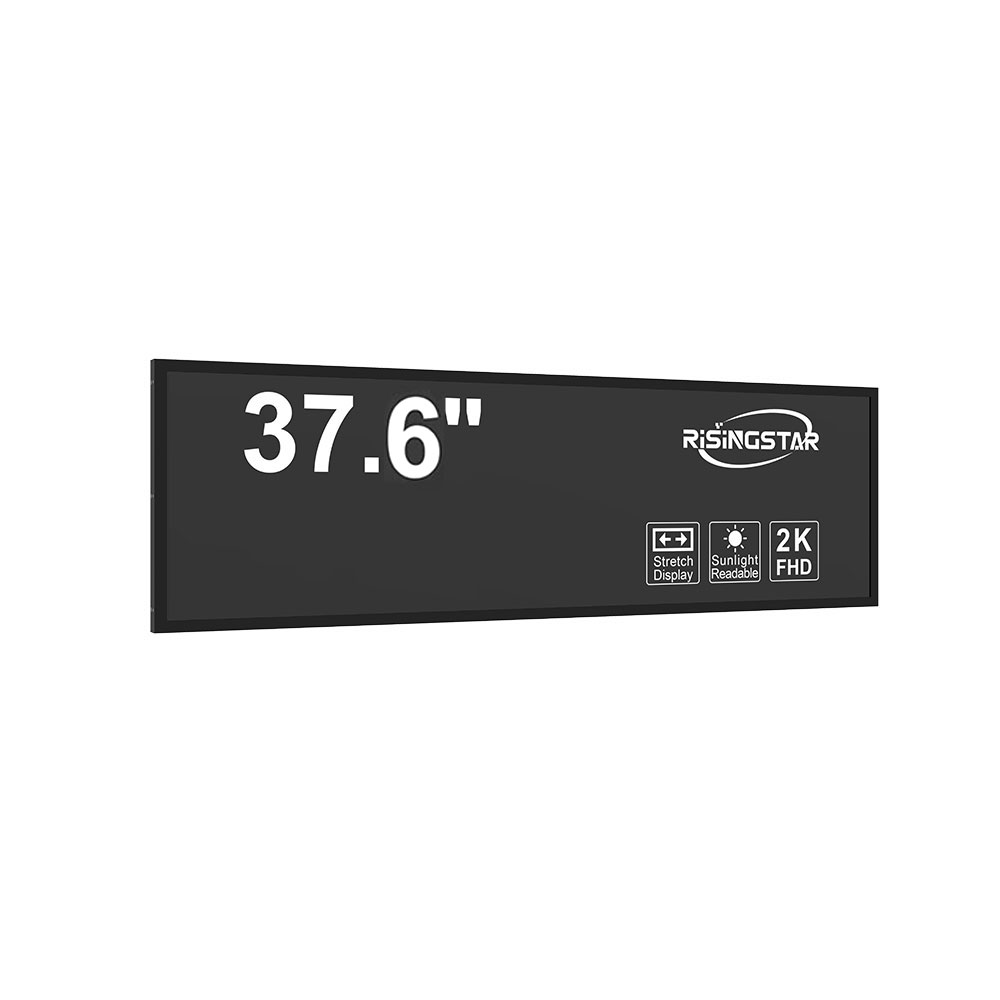
For engineers and product designers, selecting the right panel involves more than just choosing the highest nits rating—it requires evaluating the total system solution, including thermal management, viewing angles, and touch responsiveness. Panels used in public transport systems, for example, must also meet IP65 or higher ingress protection standards to resist dust and water ingress, ensuring long-term reliability in unpredictable outdoor settings.
Ultimately, high-brightness sunlight-readable LCDs represent a convergence of optics, materials science, and embedded intelligence. As portable computing becomes ubiquitous—even in extreme environments—the ability to deliver clear, readable information regardless of lighting condition is no longer a luxury but a necessity for safety, efficiency, and user experience.