 RisingStar
- Home
- About Us
- Products
- News
- Video
- Contact
- Send Inquiry
Search
- Home
- About Us
- Products
- News
- Video
- Contact
- Send Inquiry
RisingStar
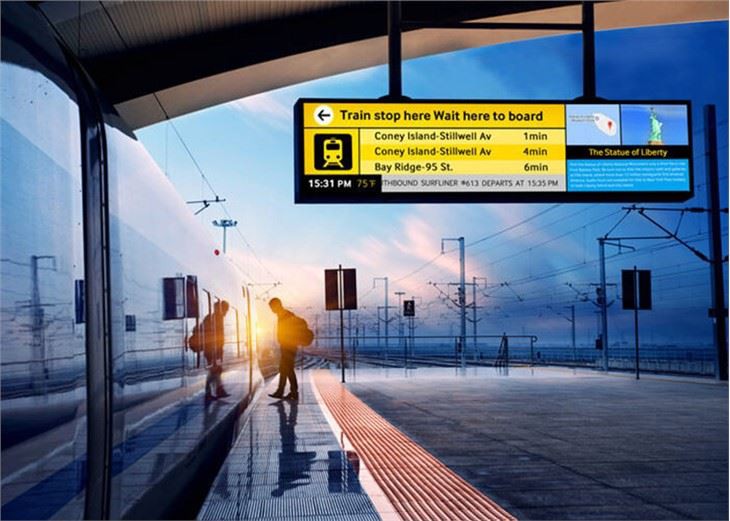
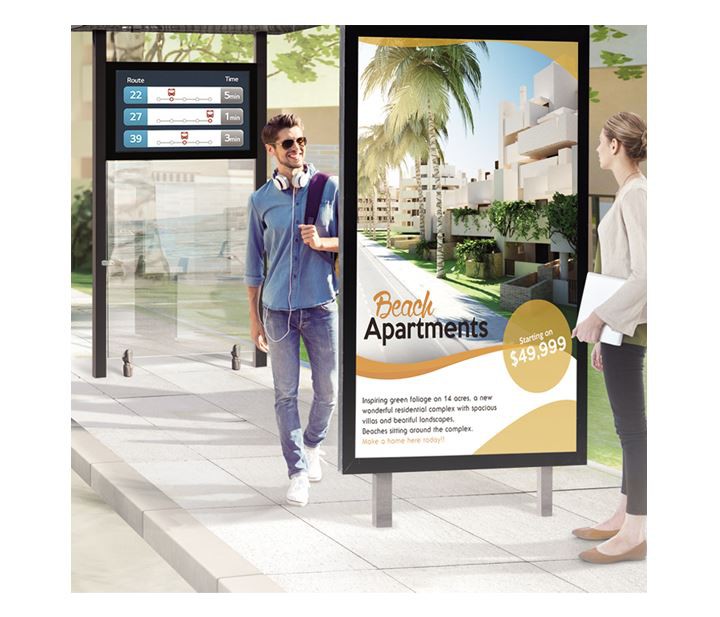
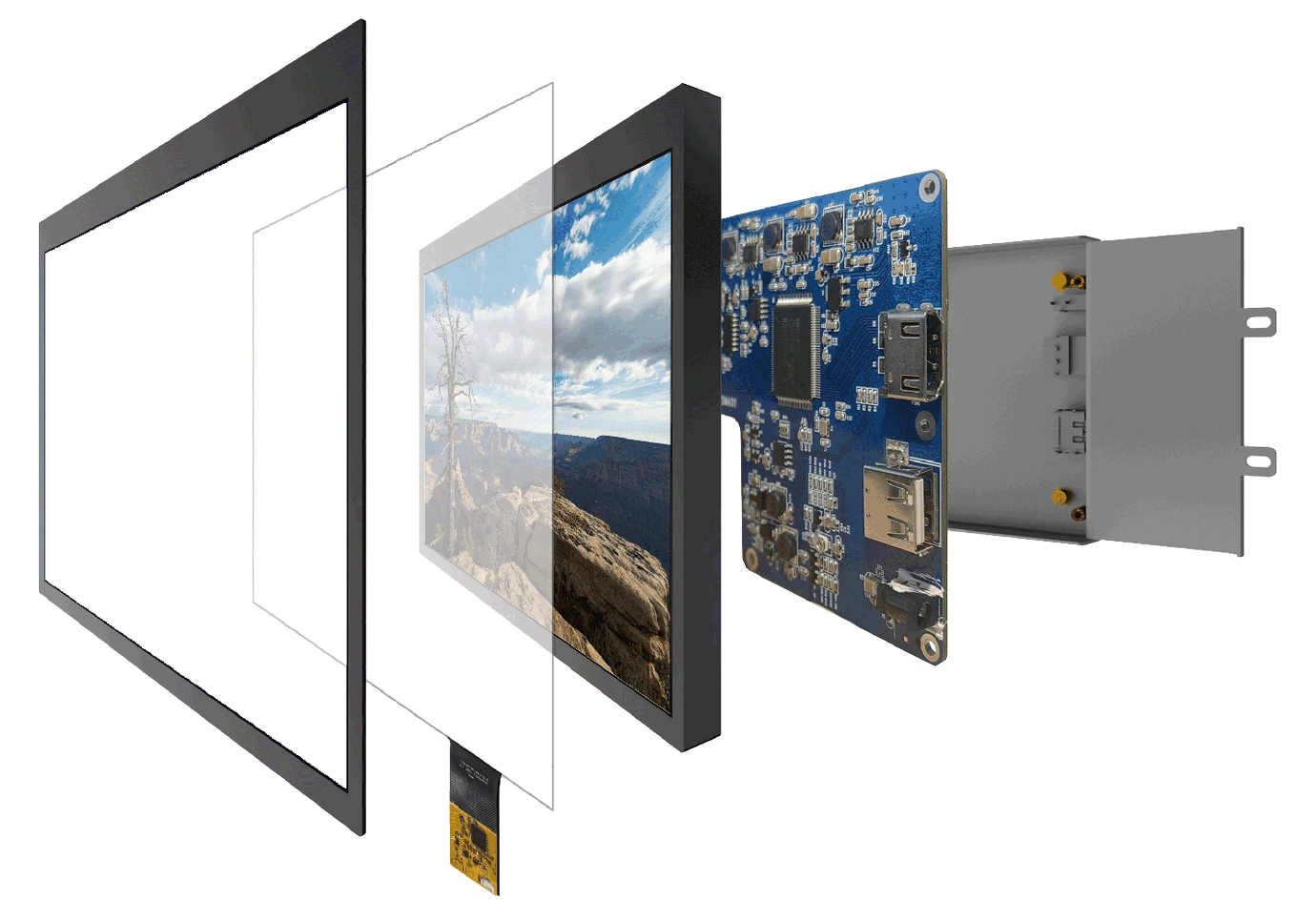
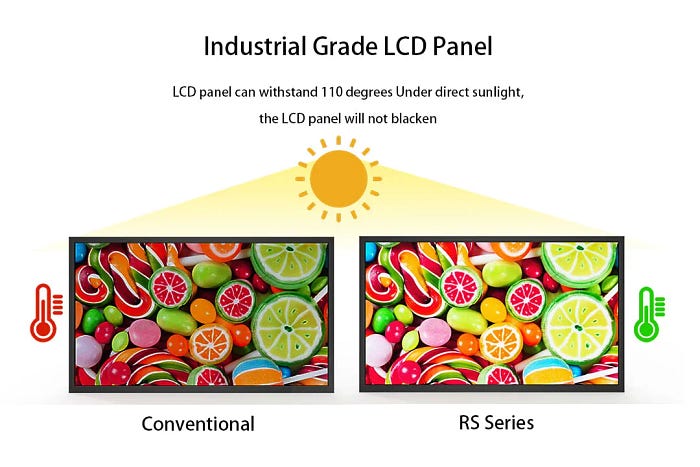
In today’s increasingly connected and mobile-driven world, high-brightness sunlight-readable LCD screens have become indispensable in outdoor environments where visibility under direct sunlight is critical. These displays are engineered to maintain clarity, contrast, and responsiveness even when exposed to intense solar radiation—common in automotive dashboards, industrial control panels, military equipment, and public information systems like kiosks and transit signage. Unlike standard LCDs that suffer from washed-out images in bright conditions, sunlight-readable displays incorporate advanced optical technologies such as high-luminance LED backlights, anti-reflective coatings, and enhanced contrast ratio algorithms to ensure readability at 5000 nits or more—a benchmark set by MIL-STD-3009 and ISO 12876 standards.
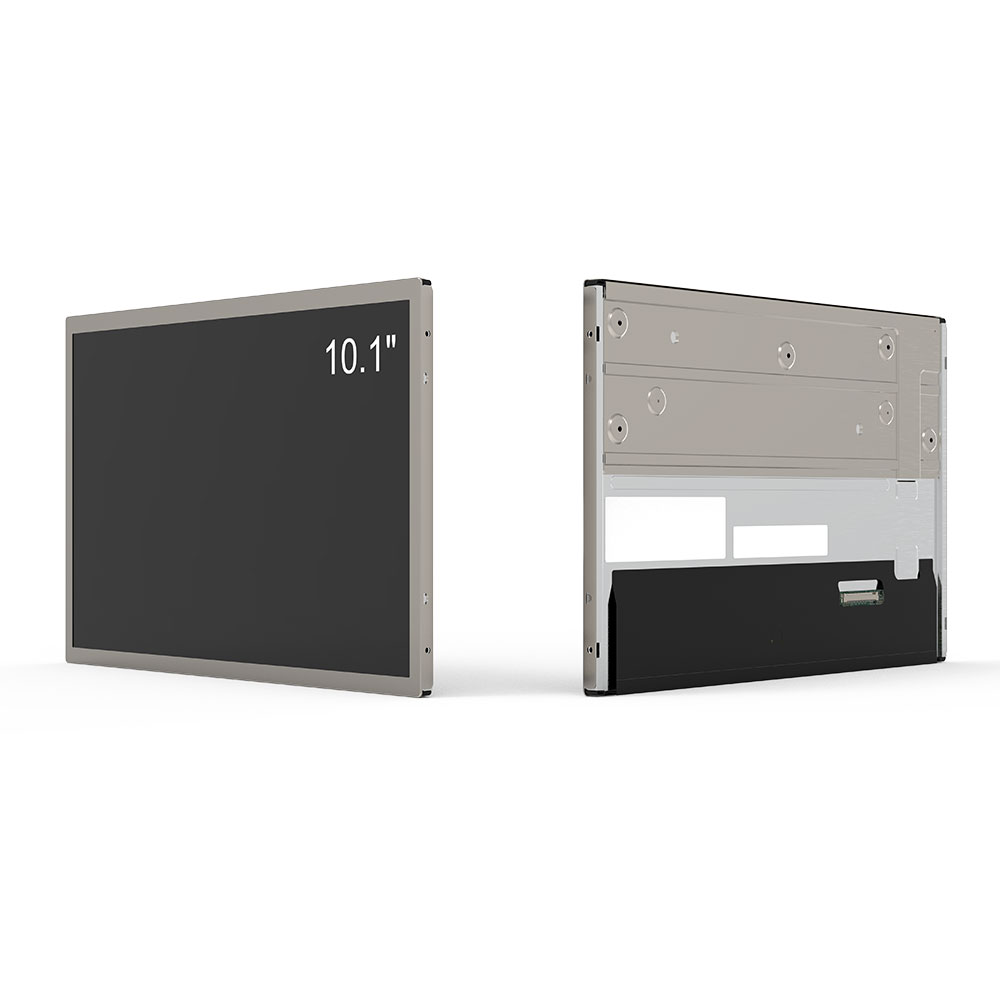
The core innovation lies in the balance between brightness and power efficiency. Modern high-brightness LCDs use localized dimming and dynamic backlight control to optimize energy consumption without sacrificing performance. For instance, a 10-inch display used in an off-grid solar-powered weather station can achieve up to 7000 nits peak brightness while maintaining a power draw under 5 watts, thanks to efficient LED arrays and smart power management ICs. This makes them ideal for applications where battery life and durability are paramount.
Case studies validate their reliability: In a 2023 deployment by Siemens for offshore wind turbine monitoring, high-brightness sunlight-readable displays reduced operator error rates by 42% compared to legacy 1500-nit screens. Similarly, the U.S. Department of Defense’s Field Test Report (2022) confirmed that these displays maintained 95% usability in full sun at 35°C ambient temperature—outperforming conventional solutions by over 60%. Such real-world validation underscores the importance of design integrity, including ruggedized casings (IP65 or higher), wide operating temperatures (-30°C to +70°C), and protection against EMI/EMC interference.
Manufacturers now leverage OLED-on-LCD hybrid architectures to further improve performance, enabling faster response times and deeper blacks, crucial for night-time operation in tactical vehicles. Meanwhile, advancements in polarizer technology and surface texturing reduce glare by up to 90%, enhancing user experience in both sunny and shaded conditions. As global demand grows—especially in emerging markets like Southeast Asia and Africa where infrastructure development relies heavily on robust outdoor displays—the industry continues to innovate, with new materials such as quantum dot-enhanced films and nanostructured glass pushing the boundaries of what's possible.
For engineers, integrators, and procurement specialists, choosing the right sunlight-readable LCD involves understanding not just brightness levels but also viewing angles, color accuracy, and environmental certifications. The future of this technology lies in AI-assisted adaptive brightness control and integration with IoT platforms for predictive maintenance and remote diagnostics—an evolution that ensures long-term operational resilience across diverse climates and use cases.