 RisingStar
- Home
- About Us
- Products
- News
- Video
- Contact
- Send Inquiry
Search
- Home
- About Us
- Products
- News
- Video
- Contact
- Send Inquiry
RisingStar
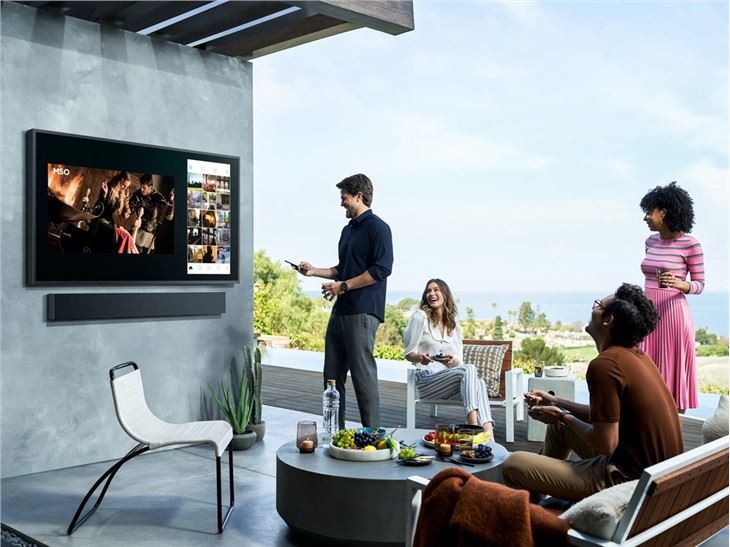
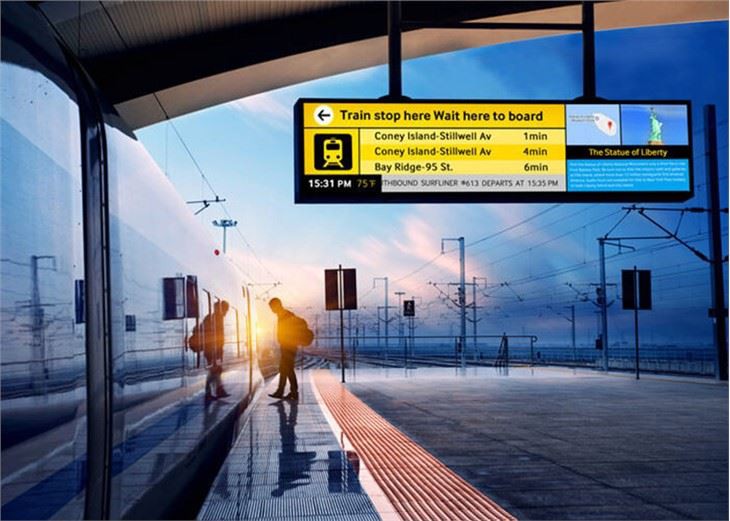
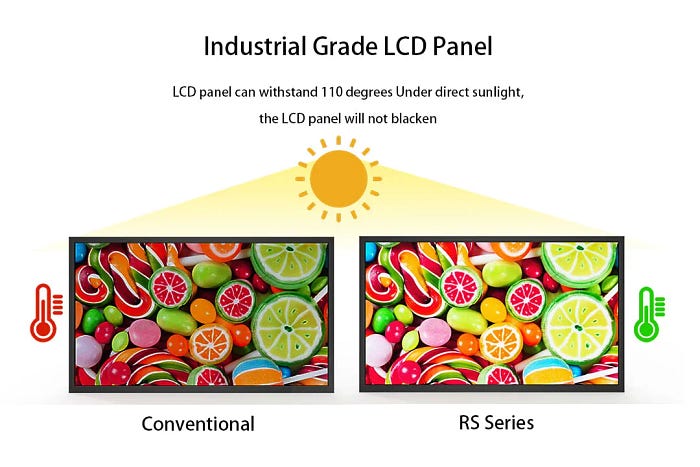
In the rapidly evolving world of display technology, high-brightness sunlight-readable LCD screens have become indispensable in outdoor and harsh environmental applications. These specialized displays are engineered to maintain visibility under direct sunlight, often exceeding 5,000 nits of brightness—far beyond the typical 250–300 nits found in standard indoor LCDs. This capability is essential for industries such as defense, transportation, industrial automation, medical devices, and retail kiosks operating in uncontrolled lighting conditions.
The core principle behind sunlight-readable LCDs lies in maximizing contrast ratio and minimizing ambient light interference. Manufacturers employ several advanced techniques, including anti-glare coatings, polarized filters, and active backlighting systems that dynamically adjust luminance based on ambient light sensors. For instance, many military-grade displays use LED-based edge-lit or full-array backlights with local dimming zones to enhance both brightness uniformity and power efficiency—an approach aligned with MIL-STD-810G certification standards.
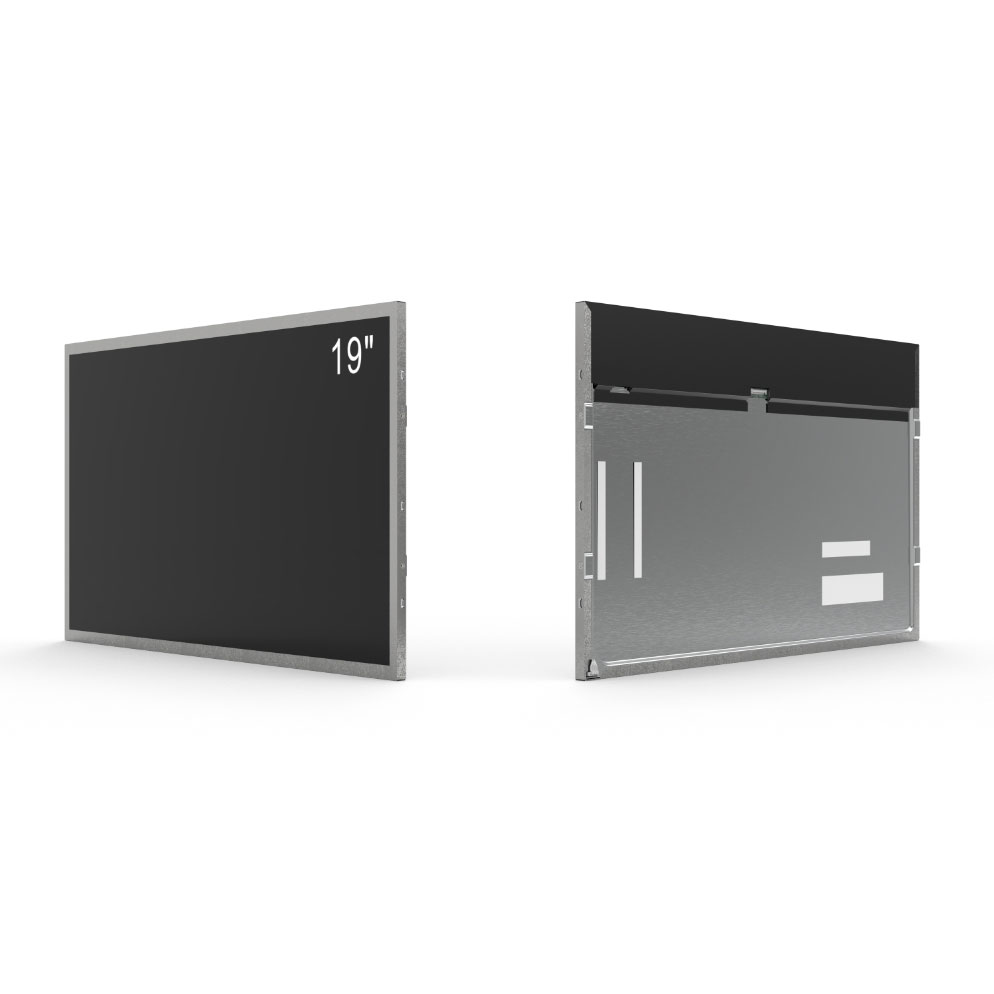
Case studies demonstrate real-world performance improvements. A major logistics company in Australia deployed high-brightness LCDs in their delivery vans, reporting a 40% reduction in driver errors during daytime operations due to improved screen readability in direct sunlight. Similarly, a European railway operator installed these displays in train control panels, which saw zero screen-related failures over five years despite exposure to extreme weather conditions—from sub-zero temperatures to scorching desert suns.
One critical innovation is the integration of transflective liquid crystal technology, which combines reflective and transmissive modes. In bright environments, the screen uses ambient light like a traditional reflective display; in low-light settings, it switches to backlight mode. This hybrid approach significantly reduces power consumption while maintaining visibility—a key factor for battery-powered field devices such as handheld rugged tablets used in agriculture or emergency response.
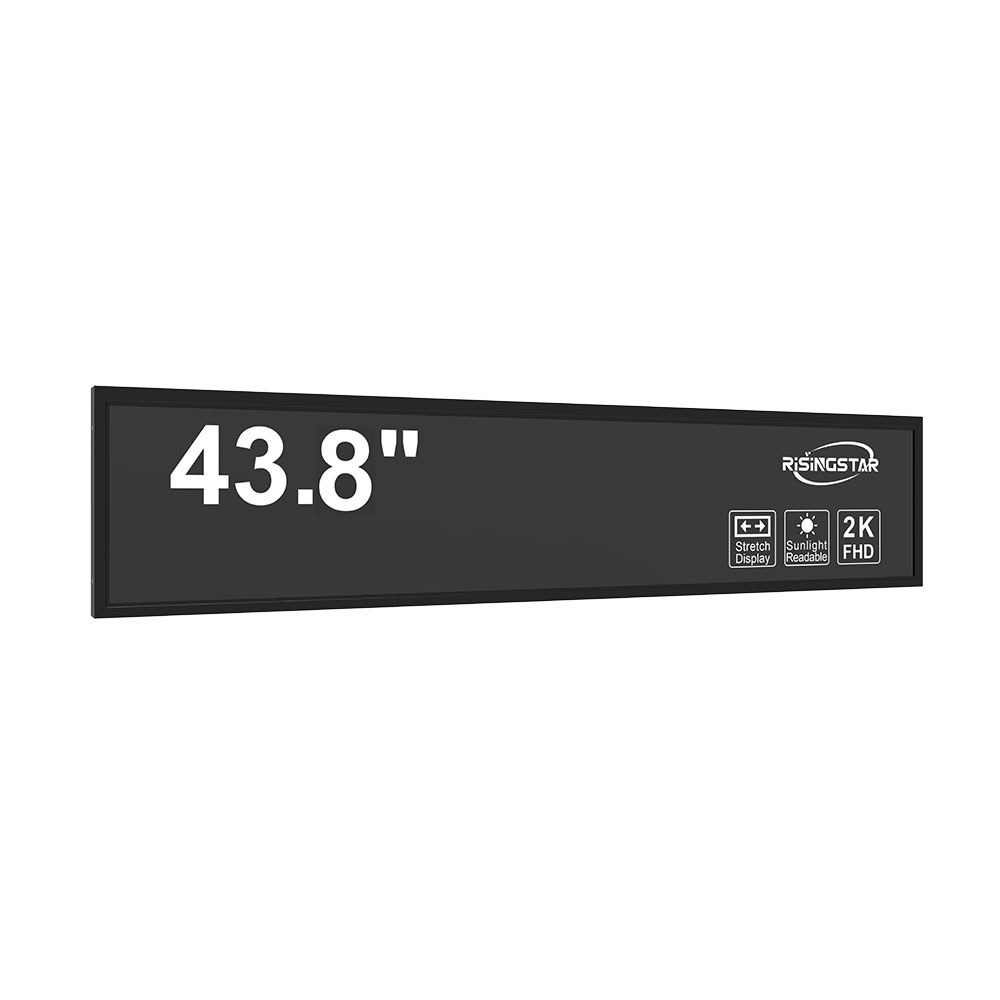
Manufacturers must also address durability. High-brightness sunlight-readable LCDs typically feature Gorilla Glass or similar scratch-resistant materials, IP65 or higher ingress protection ratings, and wide operating temperature ranges (from -30°C to +70°C). Compliance with international standards such as EN 60950-1 (safety), IEC 60068 (environmental testing), and ISO 16750 (automotive) ensures long-term reliability across diverse industries.
From an engineering perspective, optimizing these displays involves balancing multiple variables: pixel density, color accuracy, response time, and energy efficiency. Recent advancements in OLED and micro-LED technologies are pushing boundaries further, but for cost-sensitive, mission-critical applications, high-brightness LCDs remain the gold standard due to their maturity, manufacturability, and proven field performance.
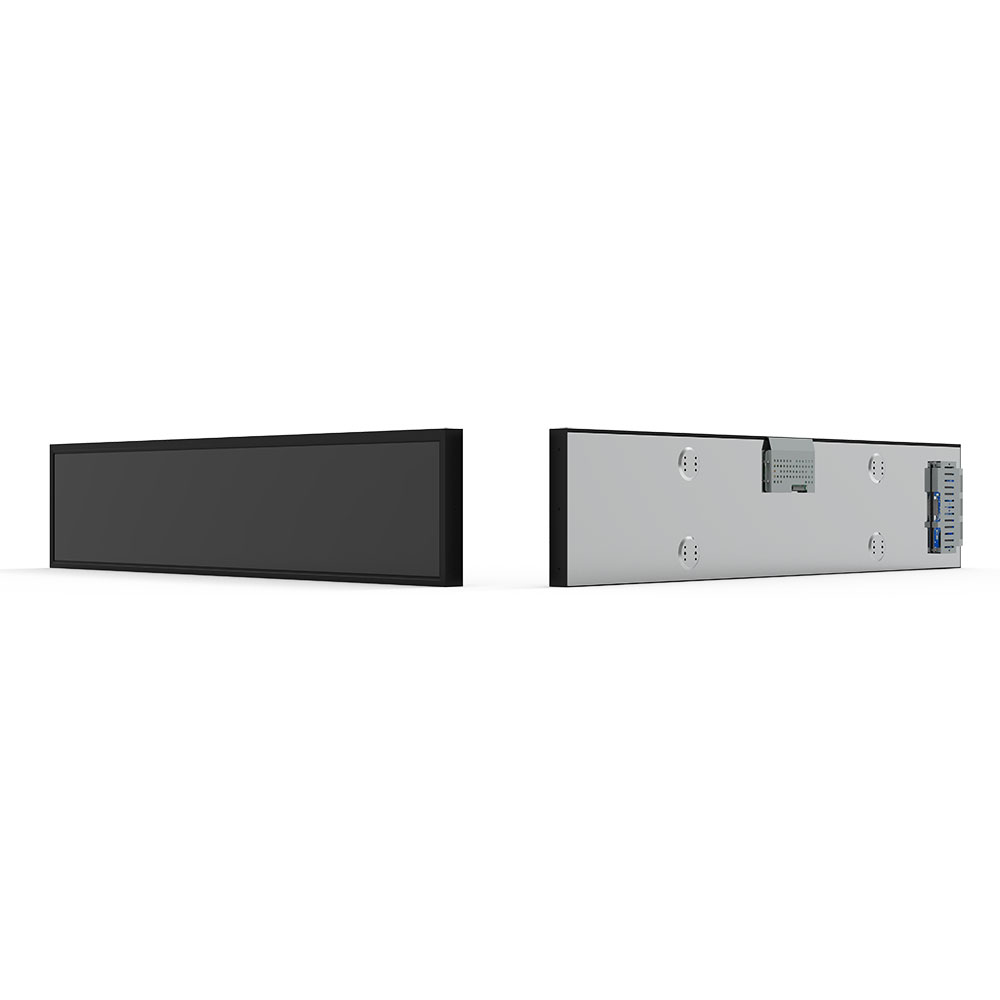
Ultimately, the future of outdoor display solutions depends on continuous innovation in optical design, materials science, and smart power management. As global demand grows—from smart cities to connected vehicles—high-brightness sunlight-readable LCDs will remain at the forefront of human-machine interface technology, offering robust, reliable, and highly visible solutions in even the most demanding environments.