RisingStar
- Home
- About Us
- Products
- News
- Video
- Contact
- Send Inquiry
Search
- Home
- About Us
- Products
- News
- Video
- Contact
- Send Inquiry
RisingStar
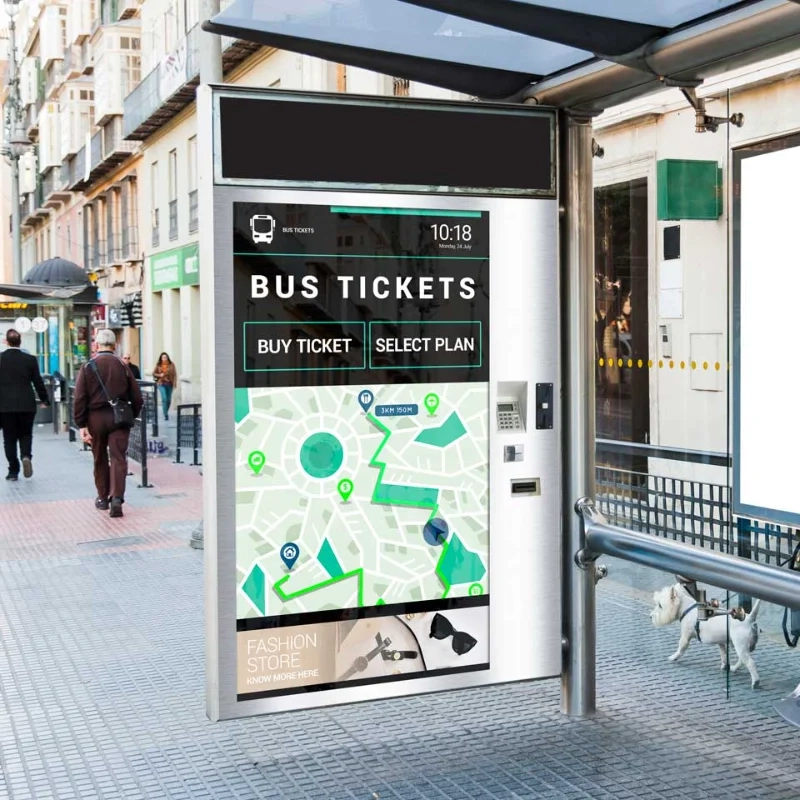
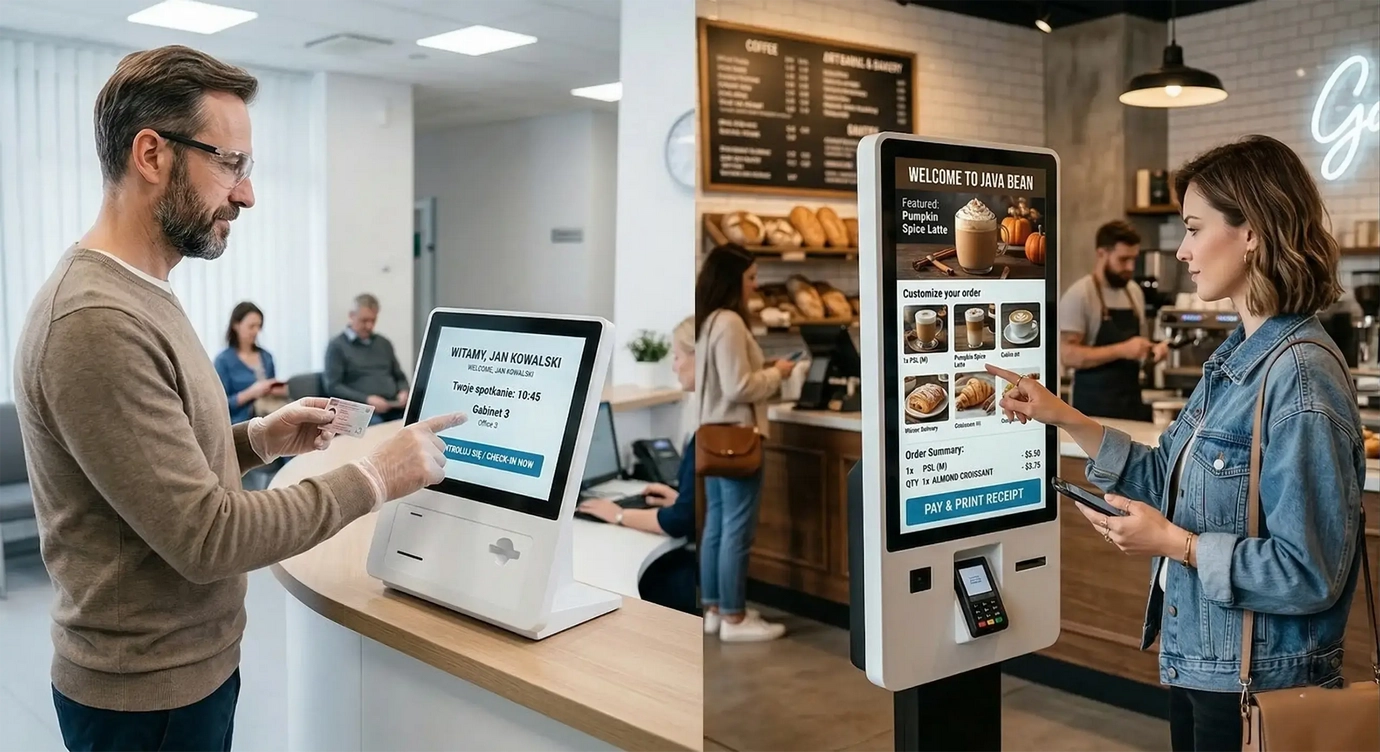
High-brightness sunlight-readable LCD screens have become indispensable in modern outdoor and industrial environments where visibility under direct sunlight is critical. These displays are engineered to maintain clarity and readability even in intense ambient lighting conditions—ranging from 5,000 to 10,000 lux or higher—making them ideal for applications such as military equipment, transportation systems (e.g., buses, trains, aircraft), medical devices, agricultural machinery, and retail kiosks.
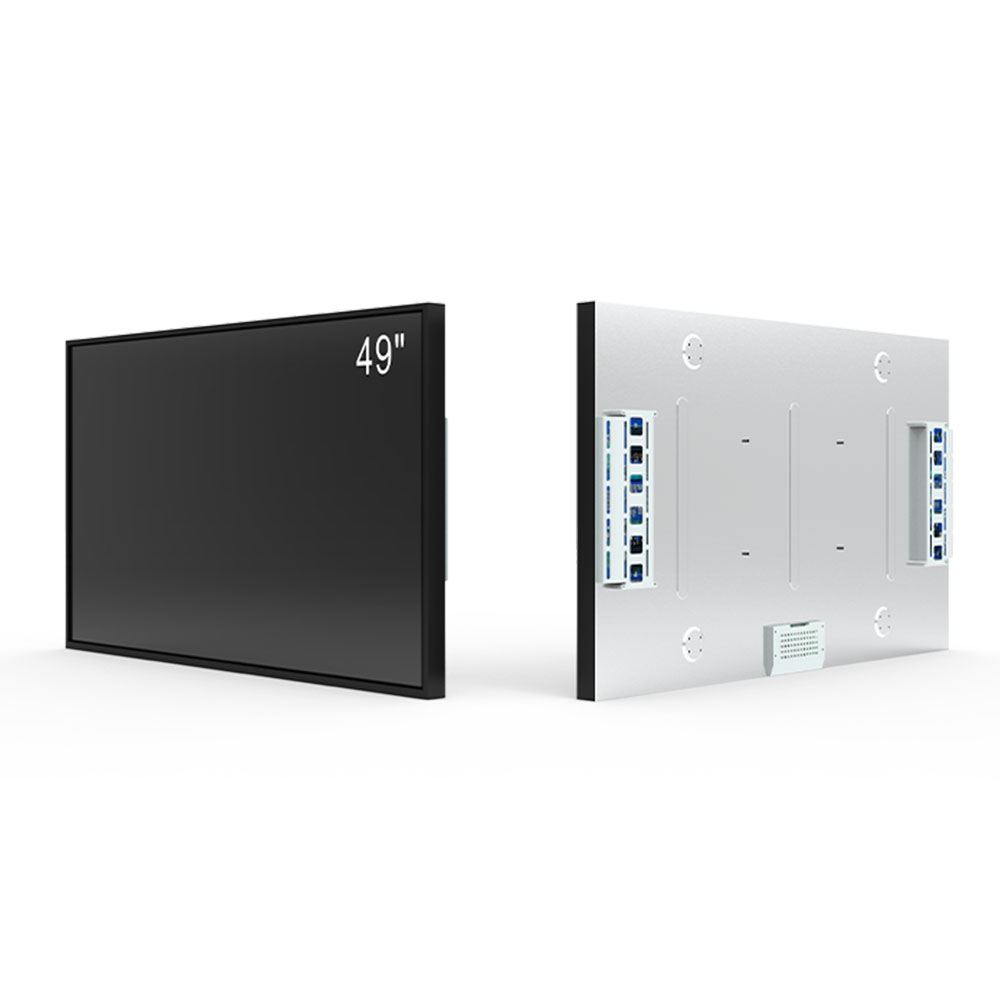
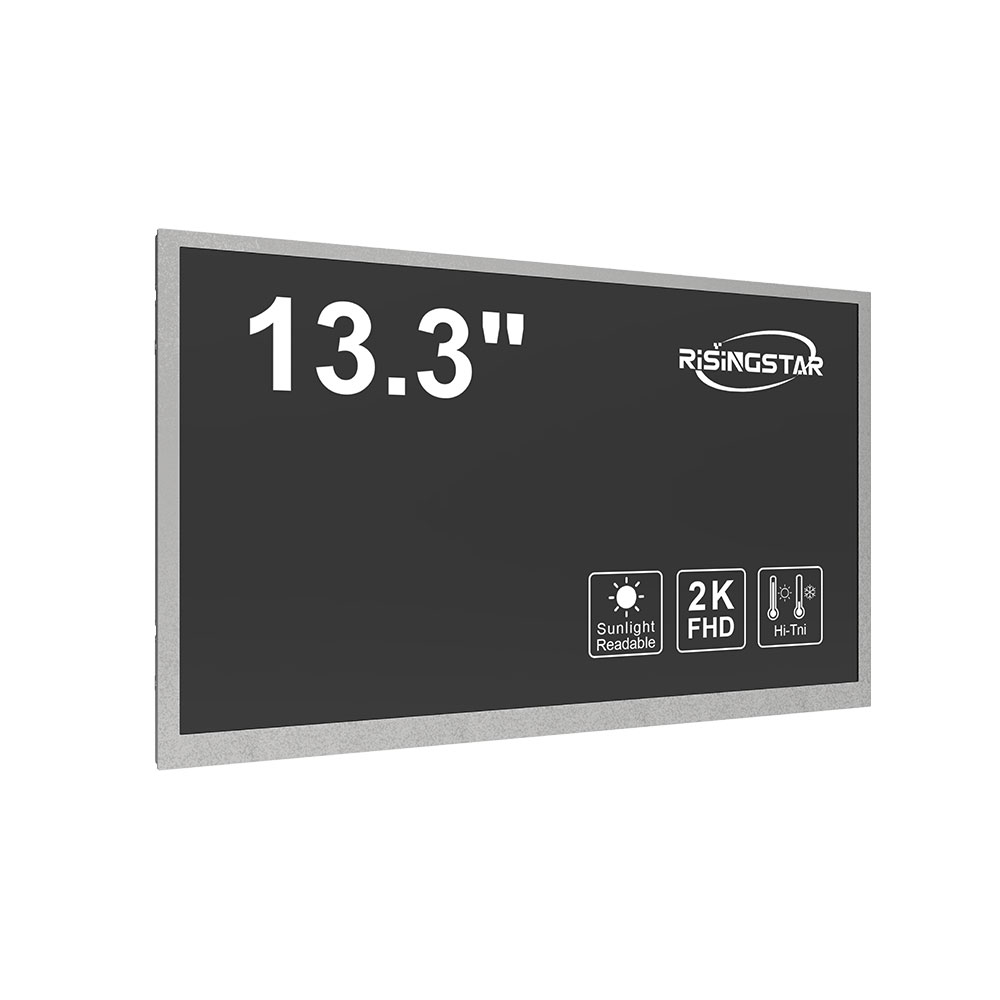
The display ratio of 16:9 remains the industry standard across most models due to its compatibility with HD and UHD video content, but manufacturers also offer custom aspect ratios for specialized uses. The sizes listed—10.1”, 13.3”, 15.6”, 18.5”, 21.5”, 23.8”, 27”, 32”, 43”, 46”, 49”, 55”, 65”, 75”, 86”, 98”, and 110”—reflect a comprehensive product lineup that spans from portable handheld units to massive digital signage panels. Each size category has unique design considerations: for instance, smaller displays (like 10.1”–15.6”) often use LED-backlit IPS panels with brightness levels up to 5,000 nits for handheld ruggedized devices, while large-format screens (from 43” upward) employ advanced anti-glare coatings, polarized filters, and high-efficiency backlighting systems to achieve sustained performance in direct sunlight.
Key technologies enabling sunlight readability include:
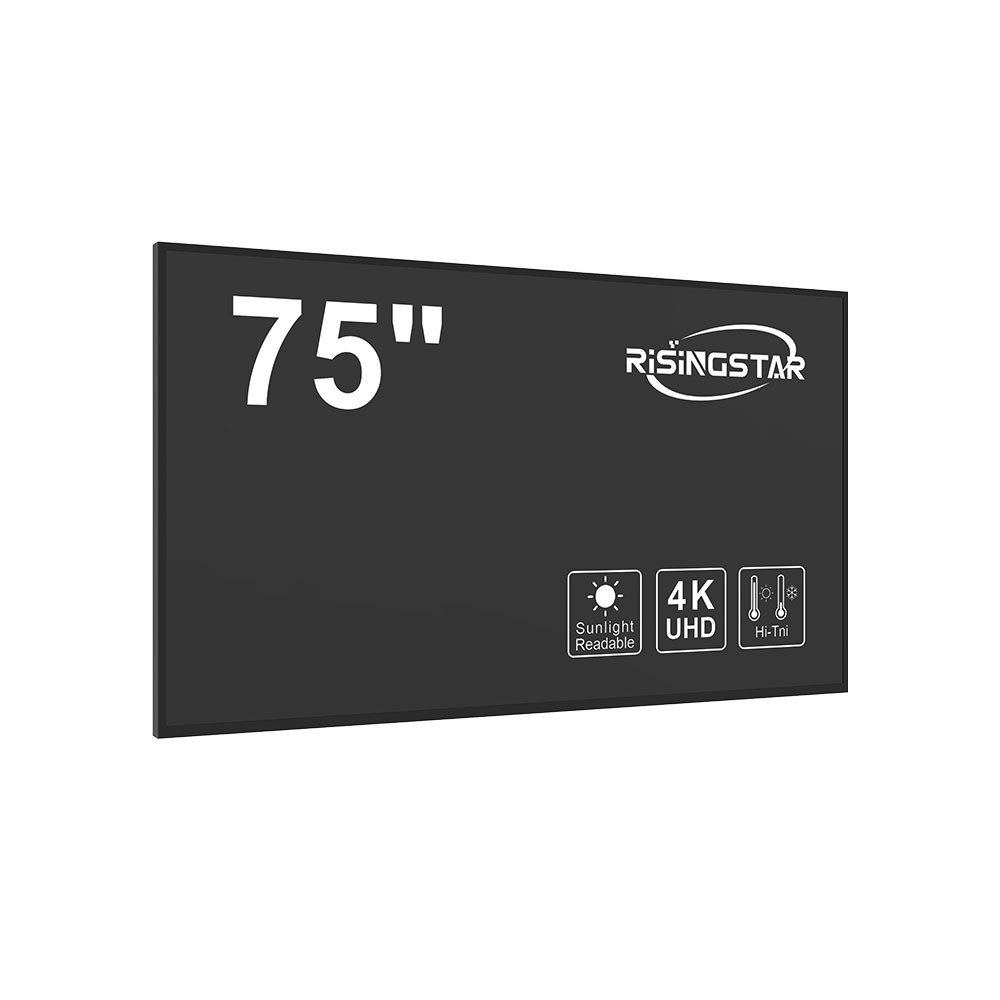
- High-Brightness LED Backlights: Some industrial-grade panels reach over 10,000 nits, far exceeding consumer-grade LCDs (~300–500 nits).
- Anti-Glare Coatings: Nano-textured glass surfaces reduce specular reflection, improving contrast ratios by up to 40%.
- Transflective Technology: Combines reflective and transmissive modes to optimize power consumption and brightness in both indoor and outdoor settings.
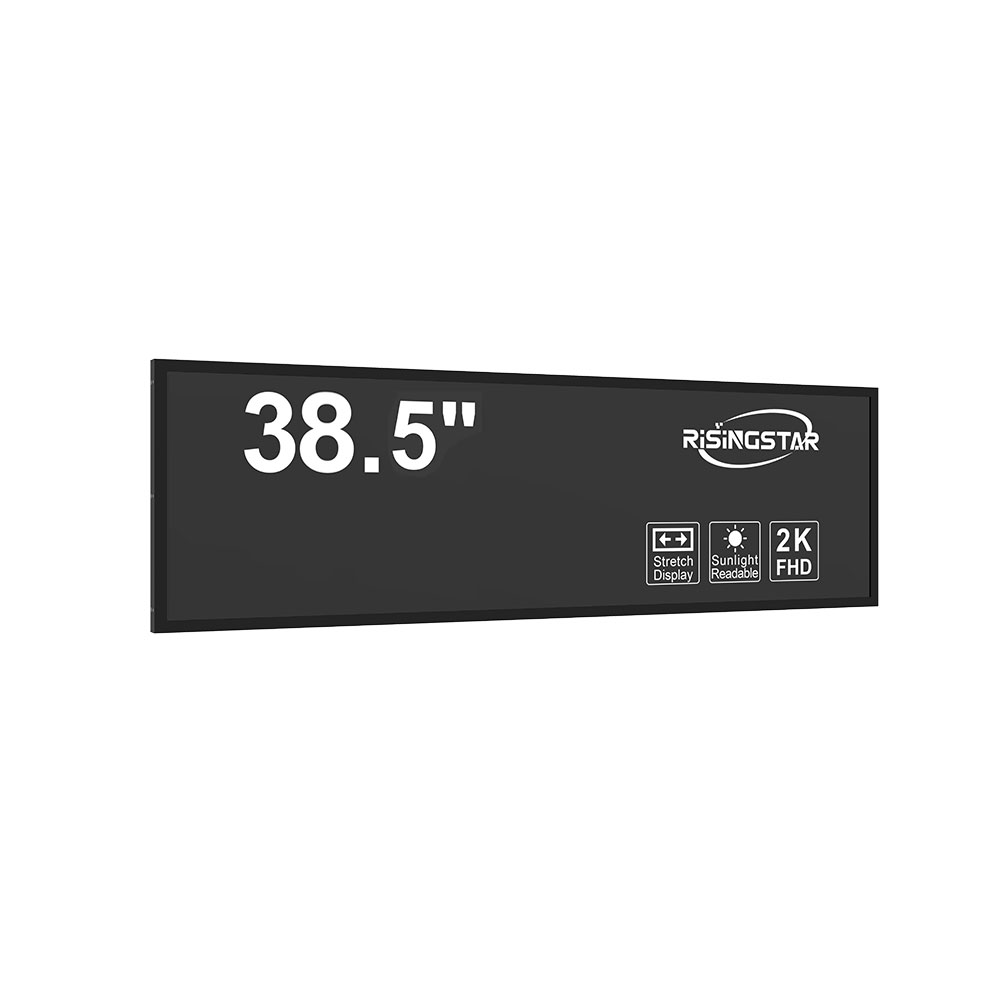
- Wide Viewing Angles (178°): Ensures consistent image quality from any angle—a necessity in public-facing installations like bus stops or airport info boards.
- Ruggedized Enclosures: IP65 or higher protection against dust and water ingress ensures durability in harsh climates.
Case studies confirm real-world effectiveness: For example, a European railway operator replaced legacy 19” CRT monitors with 23.8” sunlight-readable LCDs equipped with transflective technology; this reduced maintenance costs by 35% and improved driver response time due to better legibility during daytime operations. Similarly, a U.S. defense contractor deployed 15.6” displays in armored vehicles, using 5,000-nit panels with adaptive brightness control, which significantly enhanced situational awareness in desert environments.
Industry standards such as MIL-STD-810G for environmental resistance and ISO 16750 for automotive electronics guide the design process. Moreover, energy efficiency remains a priority—modern sunlight-readable LCDs consume up to 30% less power than older models thanks to intelligent dimming algorithms and low-power panel technologies like OLED-based hybrids.
Whether deployed in a solar-powered weather station (using a 10.1” unit) or as part of an interactive museum exhibit (using a 75” touchscreen), these displays demonstrate how precise engineering can overcome the fundamental challenge of visibility under extreme lighting. As global demand grows—from smart cities to autonomous vehicles—sunlight-readable LCDs will continue to evolve, driven by innovations in materials science, thermal management, and AI-driven brightness optimization.