RisingStar
- Home
- About Us
- Products
- News
- Video
- Contact
- Send Inquiry
Search
- Home
- About Us
- Products
- News
- Video
- Contact
- Send Inquiry
RisingStar
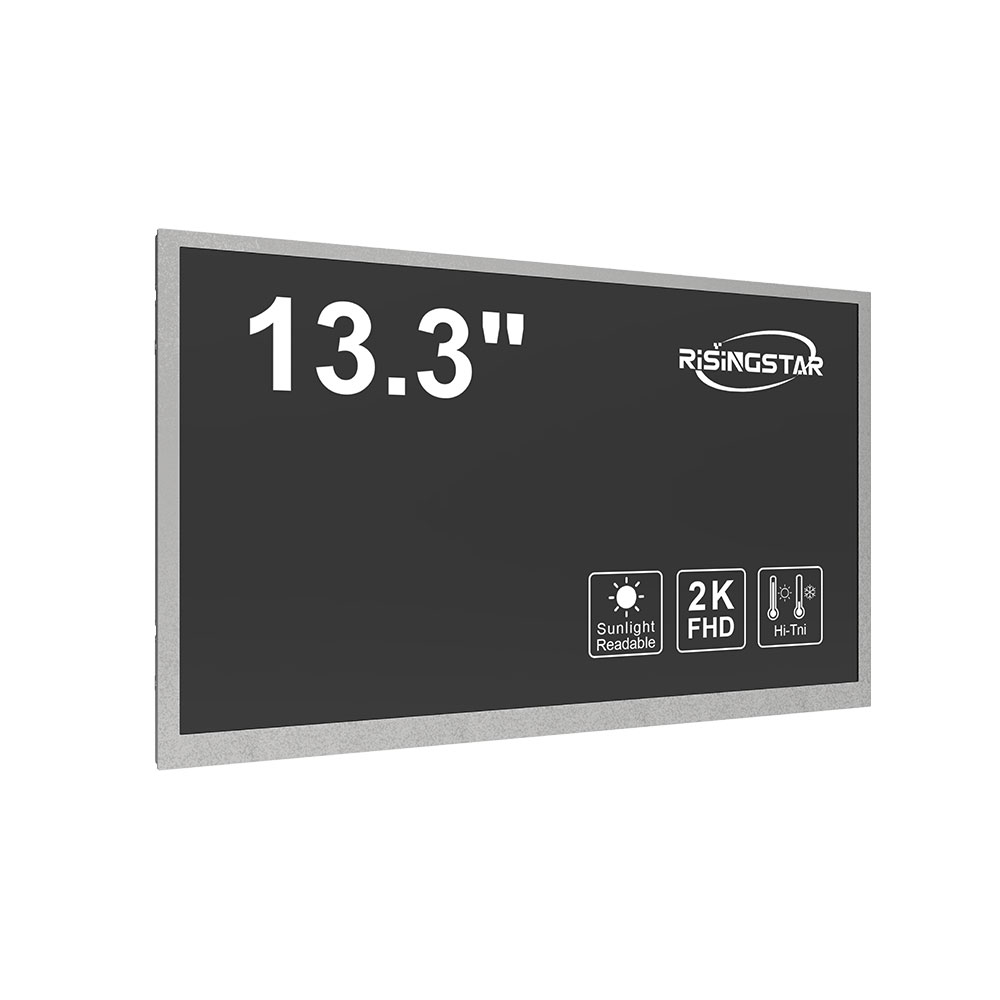
High-brightness sunlight-readable LCD displays are essential components in modern outdoor electronic systems where visibility under direct sunlight is critical. These displays are engineered to maintain clarity, contrast, and color accuracy even in intense ambient lighting conditions—ranging from 5,000 to 10,000 lux or more—far exceeding the capabilities of standard indoor LCDs that typically perform optimally below 1,000 lux. Their design incorporates advanced technologies such as high-luminance LED backlighting (often 5,000–10,000 cd/m²), anti-glare coatings, polarized filters, and sometimes dual-layer glass construction for durability.
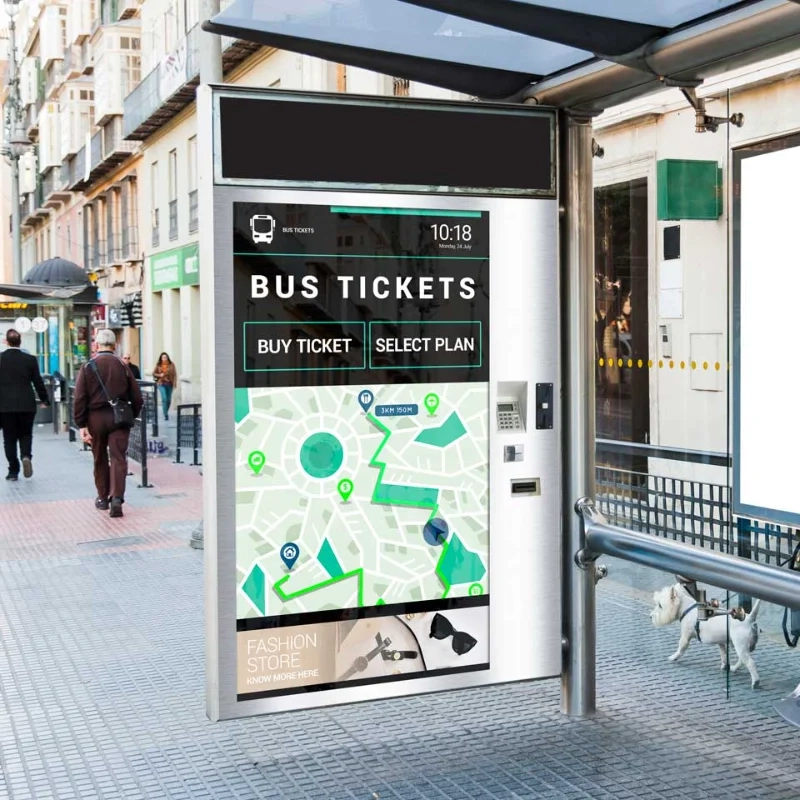
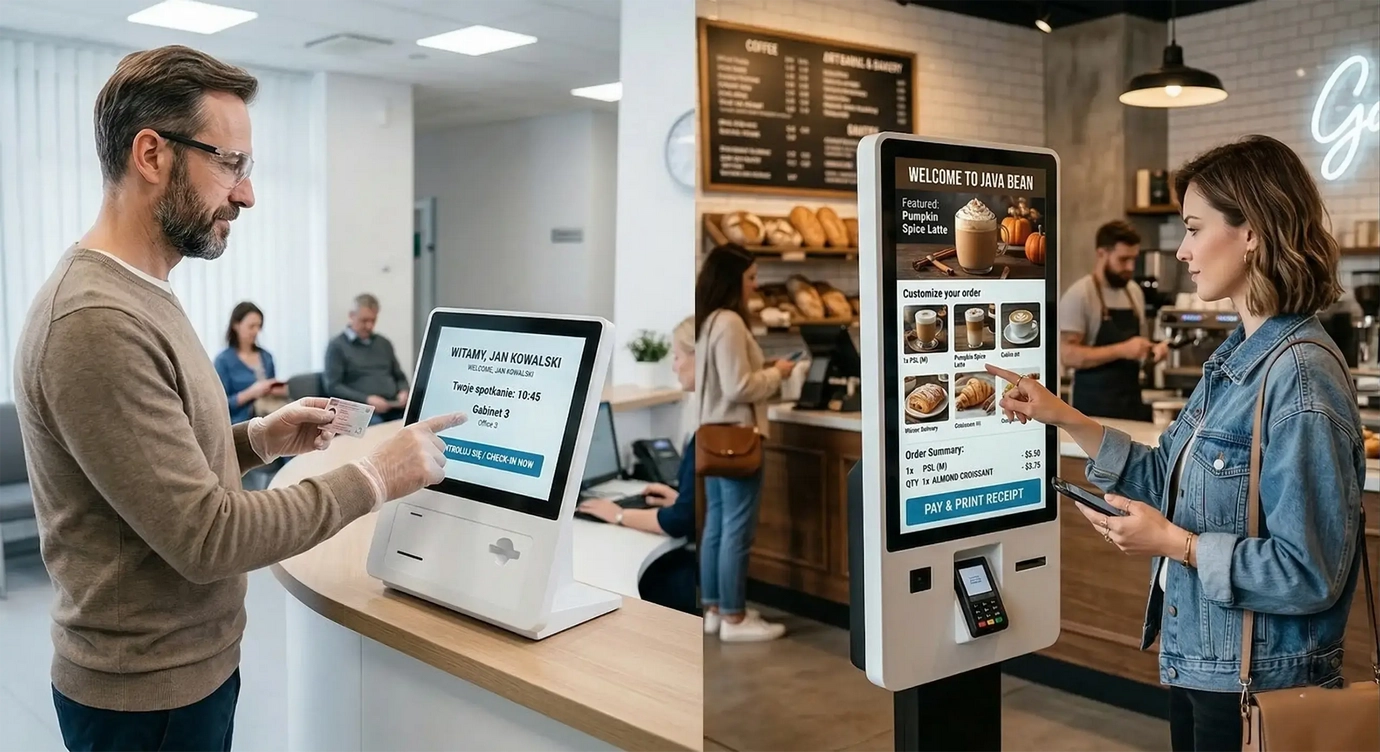
Practical applications span a wide range of industries. In military and defense sectors, these screens are used in battlefield command centers, UAVs, and handheld tactical devices where real-time data must be visible in all weather conditions. For transportation, high-brightness LCDs power vehicle dashboards, GPS navigation systems in commercial fleets, and public transit information kiosks. In industrial automation, they support control panels for oil rigs, mining equipment, and manufacturing lines exposed to harsh environments. Additionally, they are integral to retail digital signage, airport information boards, and outdoor advertising solutions like LED-LCD hybrid billboards.
The advantages are numerous: superior readability without manual brightness adjustment, energy efficiency through intelligent backlight dimming (especially with adaptive luminance sensors), robustness against environmental stressors (like temperature extremes from -20°C to +70°C), and compatibility with glove-touch interfaces—making them ideal for cold climates or safety-sensitive operations. According to a 2023 report by MarketsandMarkets, the global sunlight-readable display market is projected to grow at a CAGR of 6.8% through 2028, driven by demand from IoT-enabled outdoor devices and smart city infrastructure.
However, common problems persist. Overheating can reduce lifespan if thermal management is inadequate—a challenge particularly in enclosed automotive dashboards. Power consumption remains a concern for battery-powered devices; while newer OLED and mini-LED backlights help, they require careful engineering. Another issue is image retention or burn-in, especially in static content-heavy applications such as airport departure boards. Manufacturers address this using dynamic pixel-shifting algorithms and automatic screen refresh protocols.
Recent trends highlight innovations in micro-LED integration for higher brightness and contrast ratios, alongside AI-driven adaptive display control systems that adjust luminance based on time-of-day, weather, and user behavior. The adoption of ruggedized IP65/IP67-rated enclosures and MIL-STD-810G compliance ensures reliability in extreme conditions. Notably, companies like Sharp, LG Display, and Innolux have introduced new generations of sunlight-readable LCDs featuring integrated touchscreens with multi-point gesture support and enhanced durability for use in solar-powered IoT devices and remote monitoring stations.
These developments make high-brightness sunlight-readable LCDs not just a niche solution but a foundational technology for next-generation outdoor electronics across defense, transportation, and smart infrastructure domains.