RisingStar
- Home
- About Us
- Products
- News
- Video
- Contact
- Send Inquiry
Search
- Home
- About Us
- Products
- News
- Video
- Contact
- Send Inquiry
RisingStar
High-brightness sunlight-readable LCD screens are critical components in modern outdoor electronic systems, especially in industries such as military, transportation, industrial automation, and public information displays. These displays must remain legible under intense ambient lighting conditions—such as direct sunlight exceeding 100,000 lux—without compromising image quality, response time, or power efficiency. The engineering behind these screens involves a blend of optical design, advanced backlighting, anti-glare coatings, and intelligent brightness control algorithms.
One of the most important technical innovations is the use of high-luminance LED backlights capable of producing up to 5,000 to 10,000 nits of brightness. Standard indoor LCDs typically emit only 200–500 nits, making them unusable in bright environments. High-brightness LCDs often employ edge-lit or direct-lit LED arrays with optimized diffuser layers and reflectors to maximize light output while minimizing hotspots and energy consumption. For example, the MIL-STD-188-133 military specification requires displays to function reliably at 10,000 nits, ensuring visibility even in full sunlight during combat operations.
Another key feature is the integration of anti-reflective (AR) coatings and polarized glass. These reduce surface reflections by up to 90%, significantly improving contrast ratios and reducing eye strain for users. Some manufacturers also incorporate electrostatic discharge (ESD) protection and ruggedized housing conforming to IP65 or higher ingress protection standards, enabling operation in dusty, wet, or extreme temperature environments—from -30°C to +70°C.
Case studies from real-world deployments illustrate their effectiveness. For instance, in the deployment of digital signage for public transit systems in Dubai and Singapore, high-brightness LCDs with automatic ambient light sensors enabled dynamic brightness adjustment, saving up to 40% in power usage while maintaining readability during peak daylight hours. Similarly, in the automotive sector, OEMs like Tesla and BMW have adopted these displays in vehicle infotainment systems to ensure drivers can read maps and alerts clearly—even in direct sunlight—without needing to adjust the display manually.
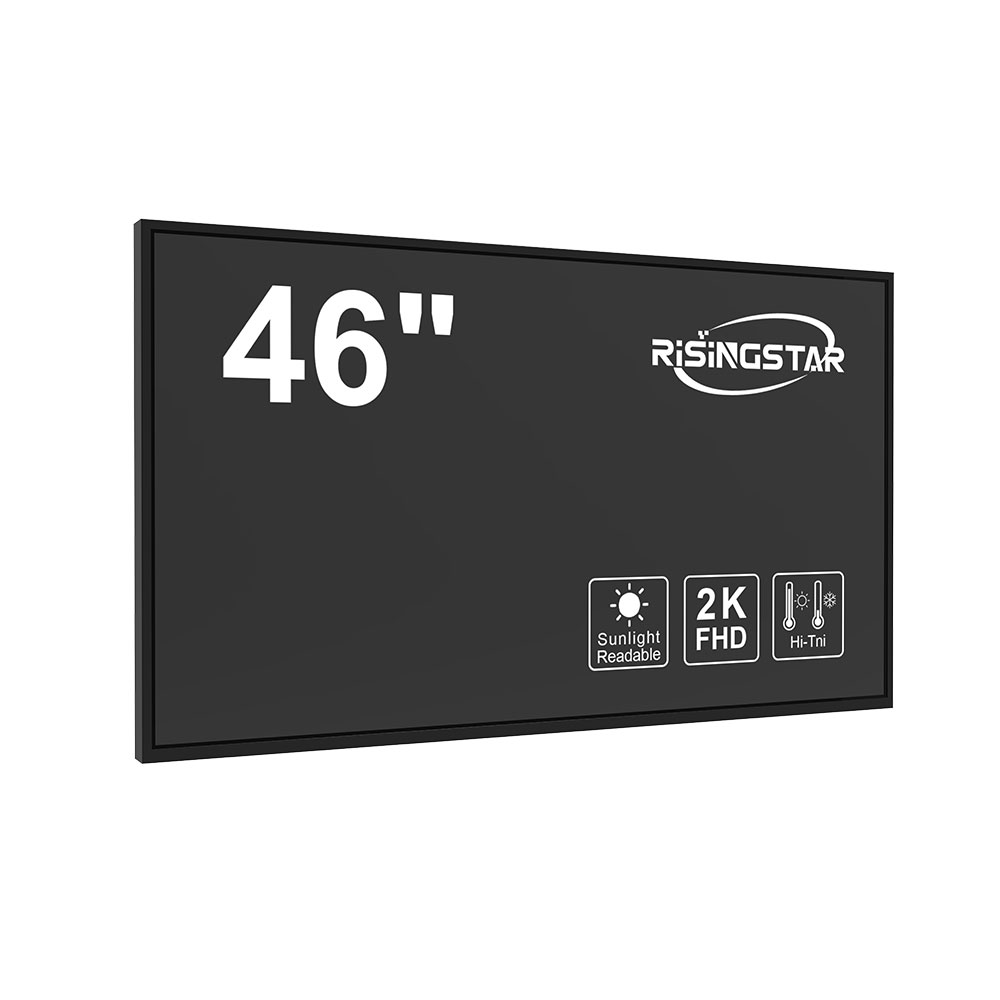
Moreover, advancements in OLED and micro-LED technologies are beginning to influence this domain. While traditional LCDs dominate due to cost-effectiveness and reliability, emerging solutions like mini-LED-backlit LCDs offer improved local dimming, better contrast, and higher peak brightness levels. These developments align with industry trends toward energy-efficient, durable, and human-centric interfaces suitable for both commercial and mission-critical applications.
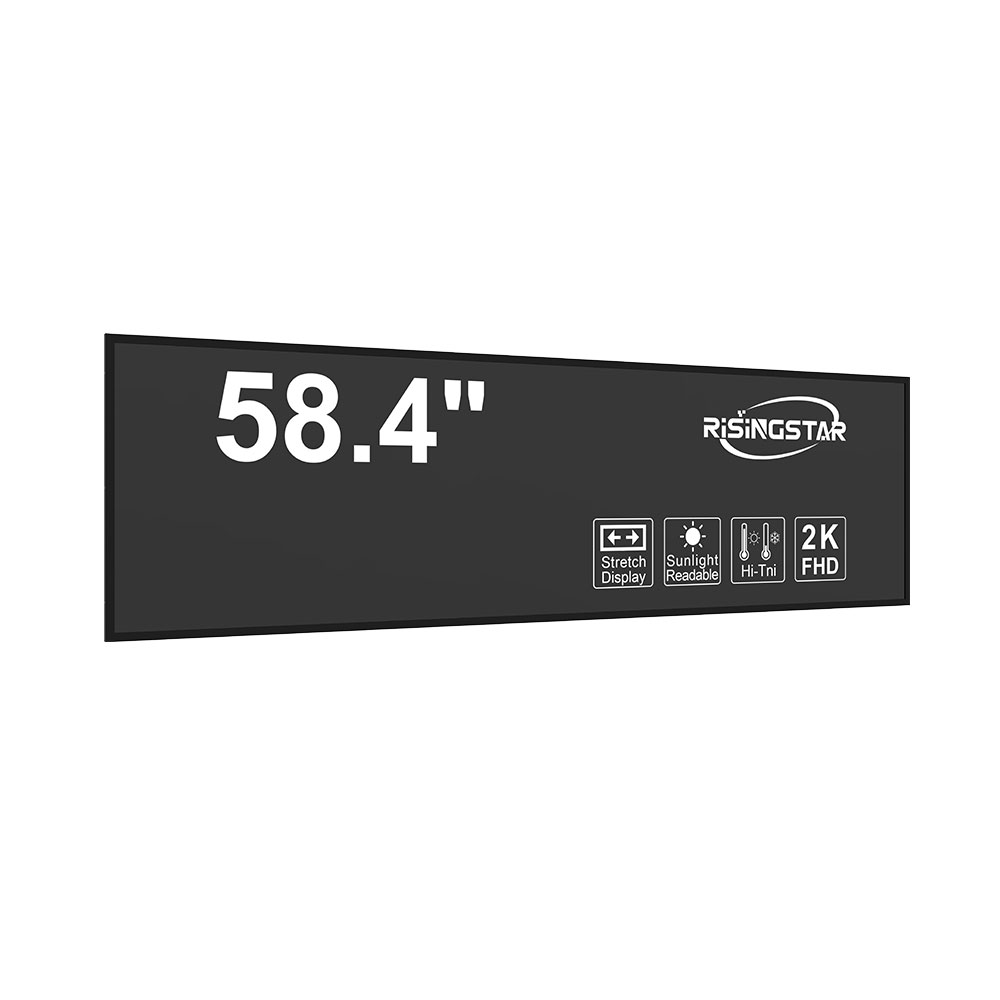
In conclusion, high-brightness sunlight-readable LCD screens represent a convergence of optics, materials science, and smart control systems. Their successful implementation across defense, transportation, and consumer sectors underscores the importance of robust design principles, adherence to international standards like IEC 60950 and MIL-STD-810, and continuous innovation in backlight technology and user interface optimization.