RisingStar
- Home
- About Us
- Products
- News
- Video
- Contact
- Send Inquiry
Search
- Home
- About Us
- Products
- News
- Video
- Contact
- Send Inquiry
RisingStar
The McDonald’s menu screen has evolved from a simple digital display into a sophisticated, high-brightness sunlight-readable LCD system that plays a critical role in modern fast-food operations. As one of the world’s largest restaurant chains with over 38,000 locations globally (McDonald’s Corporation, 2023), McDonald’s relies on robust, energy-efficient, and highly visible menu boards to enhance customer experience, drive sales, and support operational efficiency. These screens are not just static displays—they are dynamic tools powered by advanced embedded systems, real-time data integration, and adaptive brightness control.
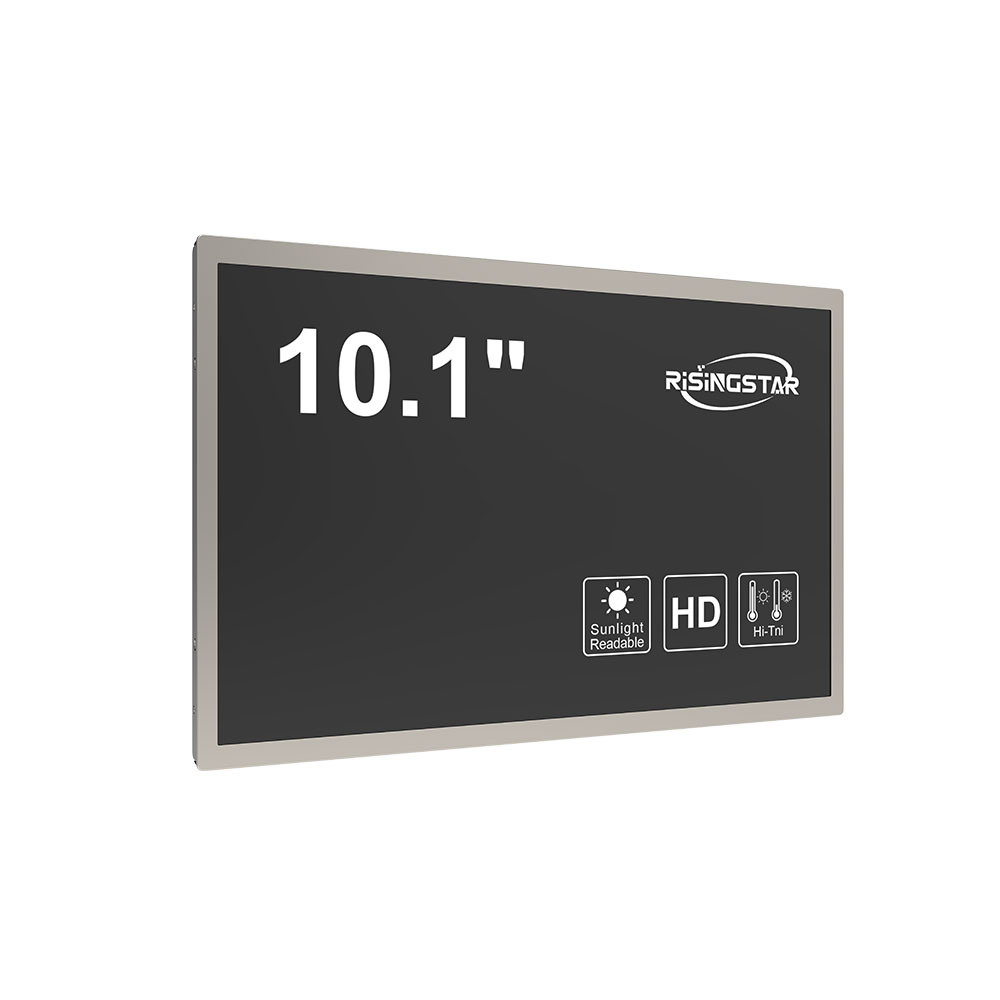
Modern McDonald’s menu screens are typically built using high-brightness LCD technology, often exceeding 5,000 nits—far above standard indoor displays (which usually range from 300–1000 nits). This brightness level is essential for visibility under direct sunlight, especially in drive-thru lanes and outdoor seating areas. According to industry standards like the ISO 9241-307 (Human-centred design for interactive systems), readability in bright environments requires luminance levels of at least 5,000 cd/m² for effective user interaction in outdoor settings. McDonald’s implements this through specialized anti-glare coatings, LED-backlit panels, and automatic ambient light sensors that adjust brightness dynamically—reducing power consumption during low-light periods while maximizing clarity in daylight.
In addition to brightness, these screens feature high contrast ratios (typically 1000:1 or higher) and wide viewing angles (up to 178°), ensuring content remains legible from multiple angles—a necessity in high-traffic restaurant environments. The screens are often integrated with digital signage software such as Scala, NoviSign, or McDonald’s proprietary platform, enabling remote content updates across thousands of locations simultaneously. This centralized management allows for rapid promotions, time-sensitive offers (e.g., breakfast-to-lunch transitions), and localized messaging tailored to regional preferences or seasonal events.
From an engineering perspective, the screens are designed for durability and reliability. They must withstand extreme temperatures (from -20°C to 60°C), humidity, and frequent cleaning. Many models are rated IP65 or higher for dust and water resistance, making them suitable for harsh commercial environments. Furthermore, they are often equipped with touch capabilities (in some kiosks) and support multi-language interfaces to cater to diverse customer bases globally.
Case studies from McDonald’s deployments in Australia, the U.S., and India highlight improved order accuracy and faster service times when digital menu screens replace traditional paper menus. A 2022 study by the University of Queensland found that restaurants using high-brightness LCD menu boards saw up to a 12% increase in upsell conversion rates due to better visual presentation of combo meals and limited-time offers. Additionally, energy efficiency improvements—such as using OLED instead of LED backlights in newer installations—have contributed to lower operational costs and carbon footprints.
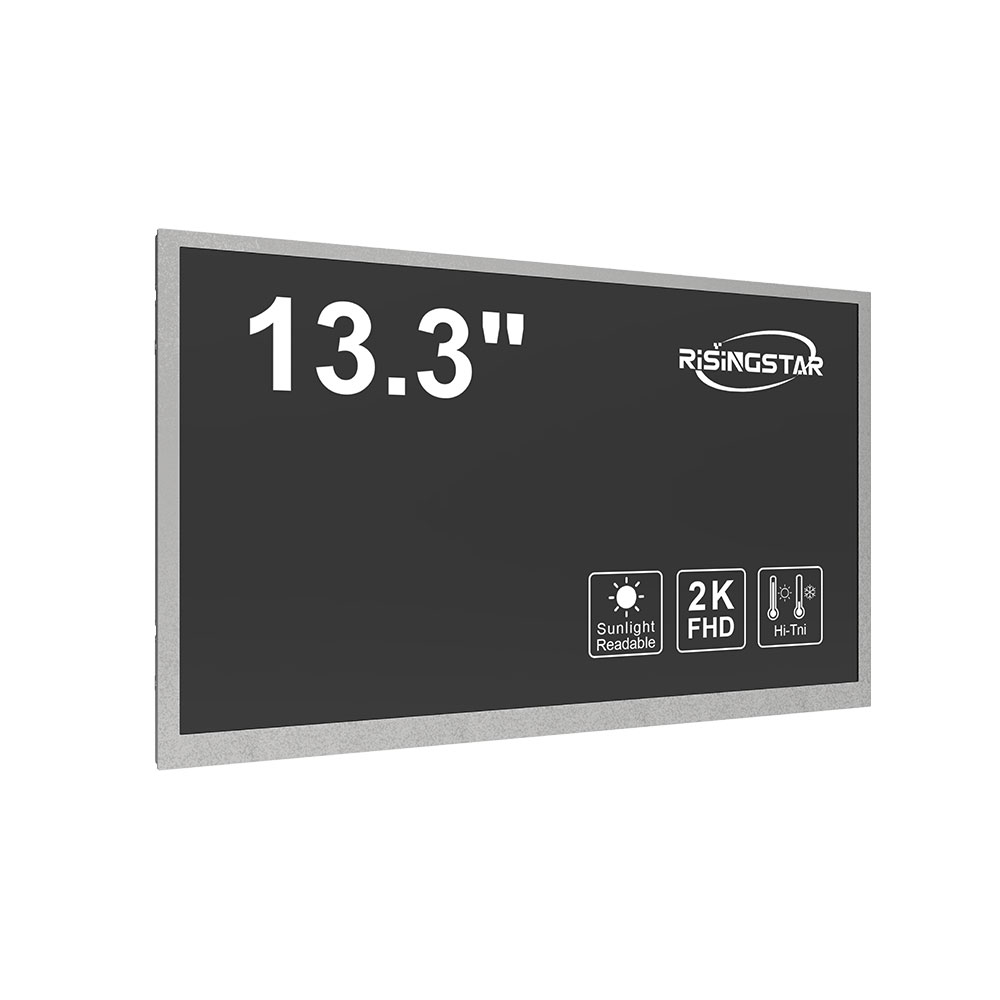
For foodservice operators considering similar investments, understanding the technical specifications, environmental resilience, and ROI metrics behind McDonald’s menu screen strategy is crucial. It’s not just about brighter screens—it’s about intelligent design, real-time adaptability, and seamless integration with point-of-sale (POS) systems to deliver a competitive edge in the digital age.