RisingStar
- Home
- About Us
- Products
- News
- Video
- Contact
- Send Inquiry
Search
- Home
- About Us
- Products
- News
- Video
- Contact
- Send Inquiry
RisingStar
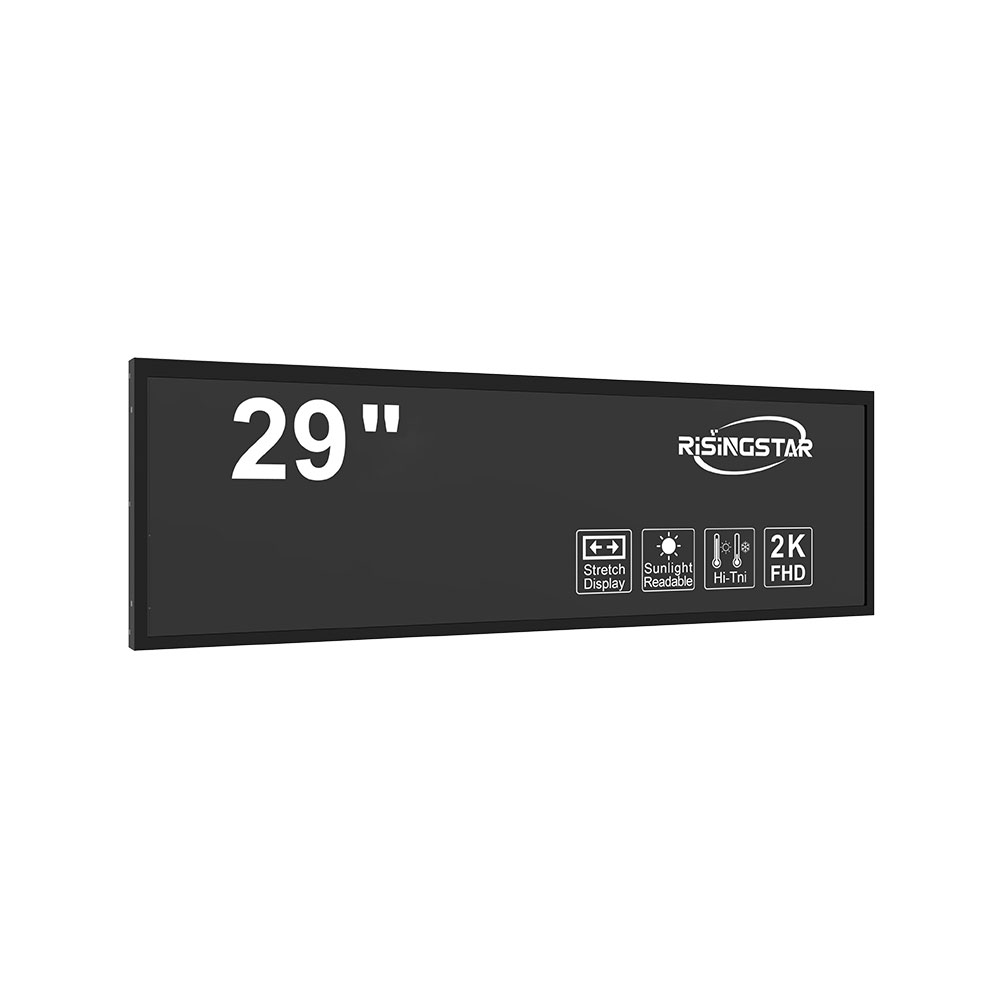
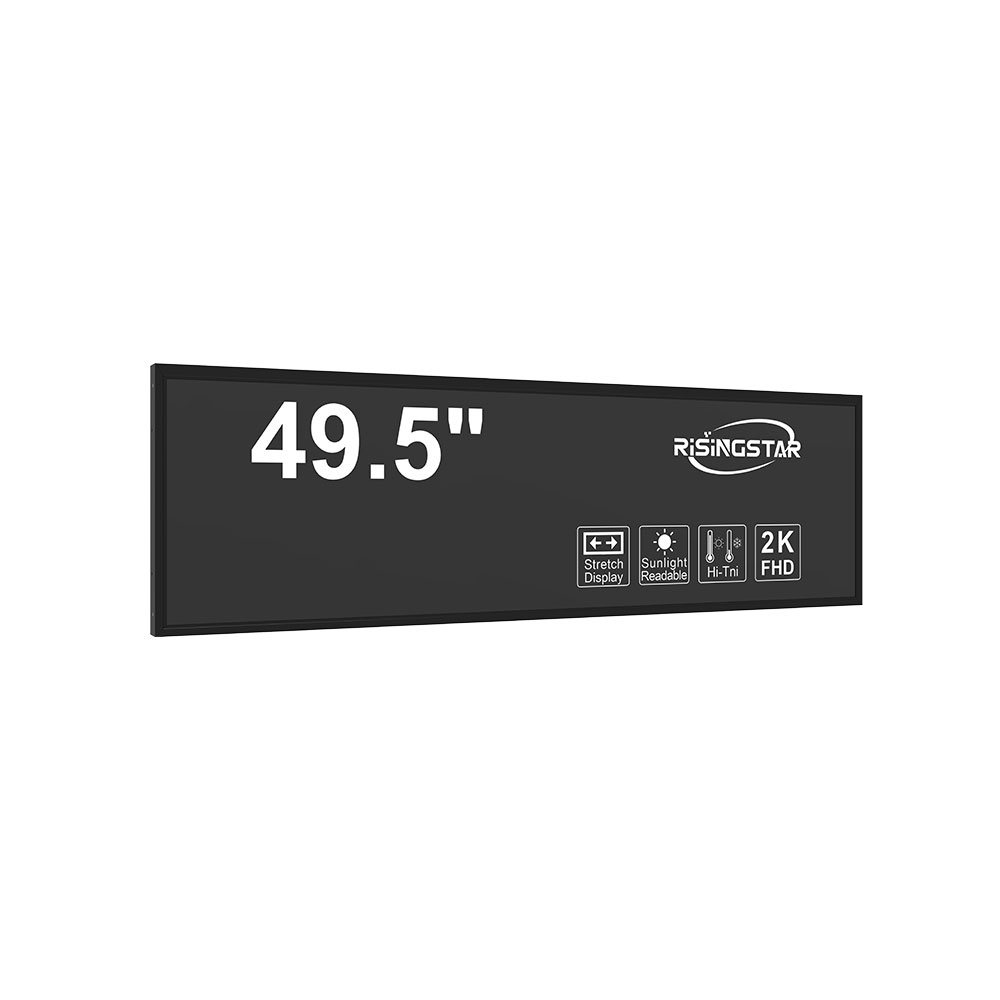
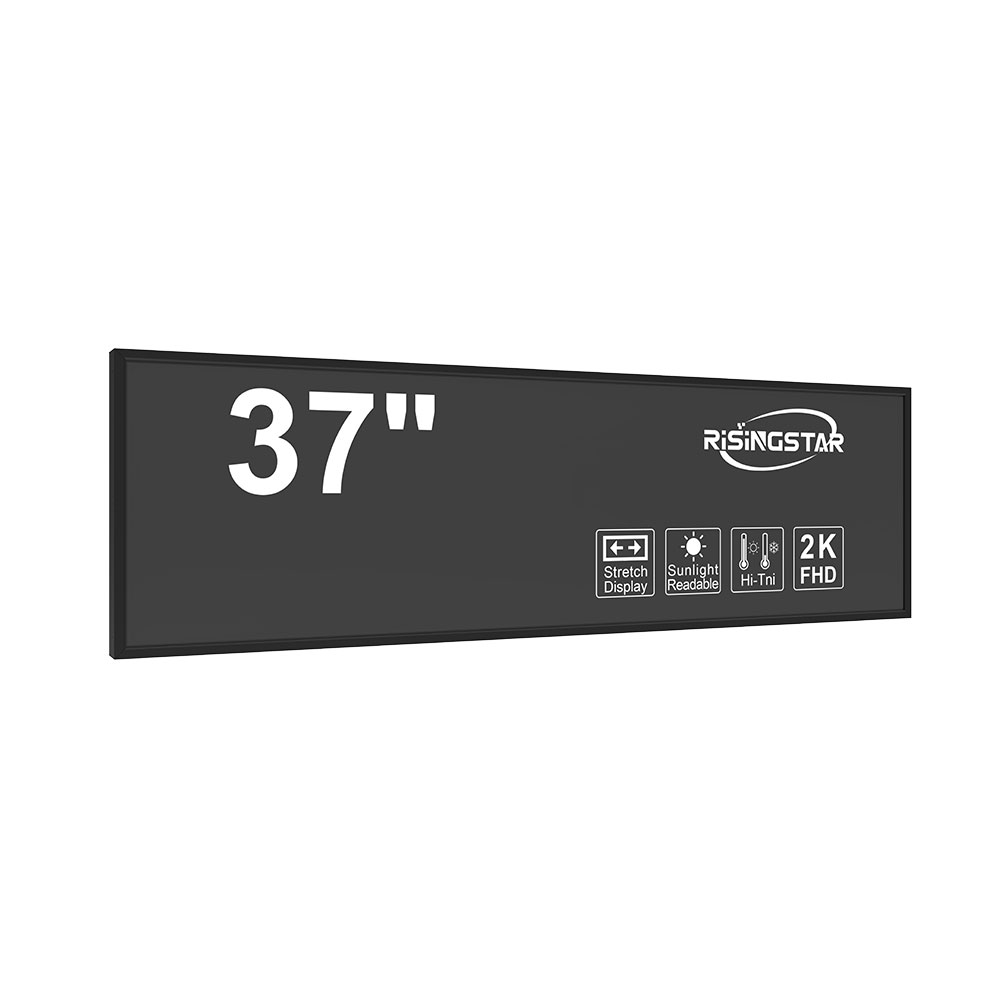
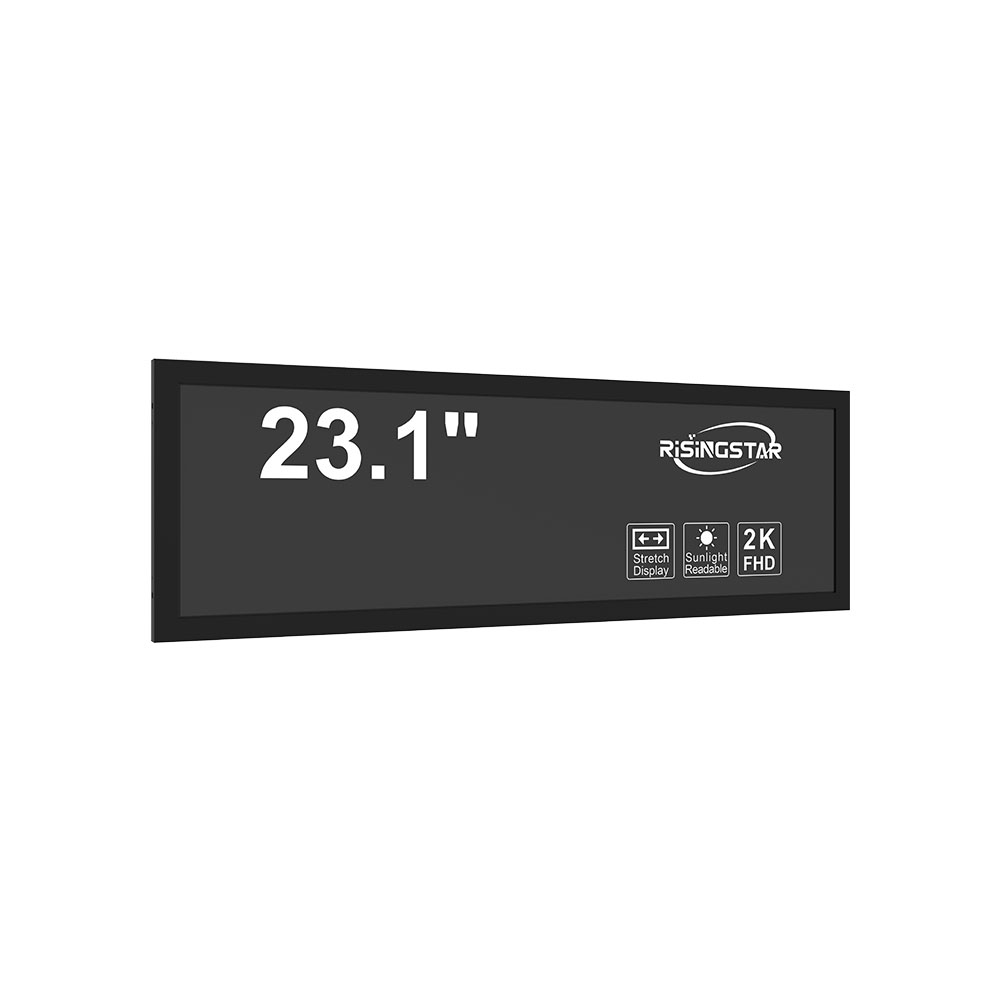
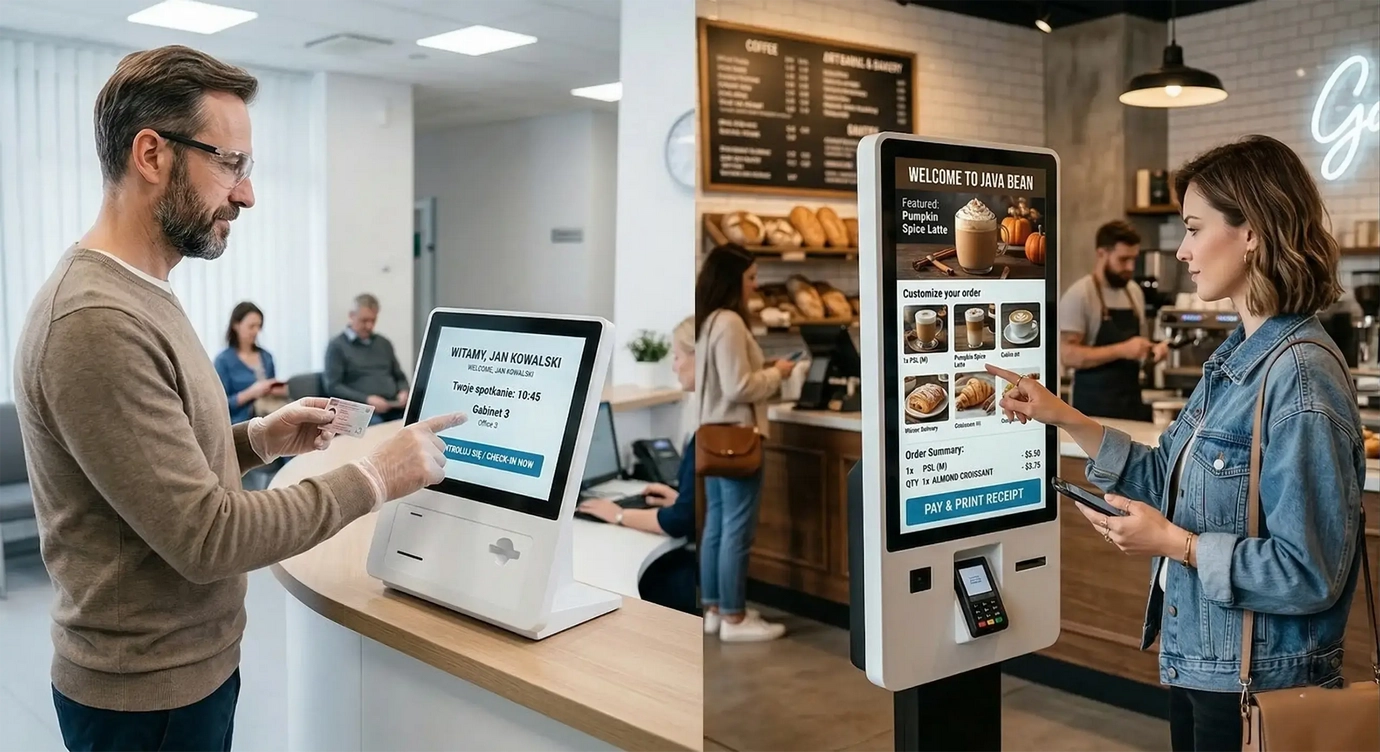
High-brightness, sunlight-readable LCD displays are critical components in modern outdoor and transportation environments where visibility under direct sunlight is non-negotiable. These displays, engineered with luminance levels exceeding 5,000 nits—often up to 10,000 nits—are specifically designed to remain legible in harsh lighting conditions, such as those found on railway platforms, bus stops, subway stations, intercity trains, EV charging kiosks, gas pumps, and retail digital signage installations.
Industry standards like MIL-STD-810G and IP65/IP67 ratings ensure durability against dust, water ingress, and mechanical stress, making them ideal for real-world deployment. In passenger information systems (PIS), these displays provide live updates on train arrivals, delays, platform changes, and safety alerts, enhancing operational efficiency and user experience across mass transit networks—from Tokyo Metro to London Underground. Case studies from Siemens Mobility and Alstom show that high-brightness displays reduce passenger confusion by up to 40% during peak sun hours compared to standard LCDs.
For EV charging kiosks and fuel stations, clarity and reliability are paramount. A 2023 report by Statista indicates that over 68% of EV drivers rely on digital signage at charging stations for navigation and payment confirmation. Similarly, in retail environments like Walmart or IKEA, outdoor digital signage must resist UV degradation and maintain contrast ratios above 1000:1 even at noon sun. This is achieved through advanced technologies such as transflective liquid crystal cells, anti-reflective coatings (AR), and dynamic backlighting systems that adjust brightness based on ambient light sensors.
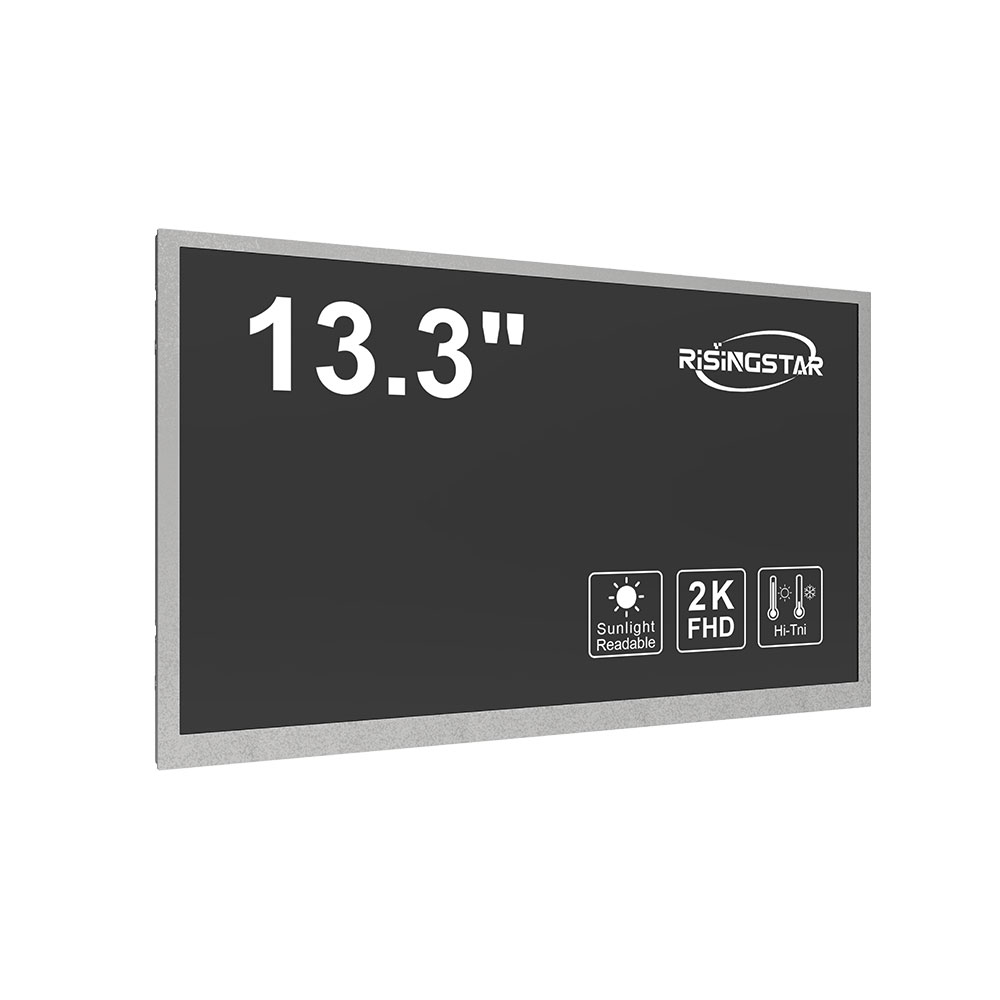
The integration of these displays into smart city infrastructure—including real estate digital signage for property listings and outdoor TVs for public announcements—demonstrates their versatility. According to a 2022 Deloitte whitepaper, cities deploying high-brightness displays in public spaces saw a 25% increase in engagement rates for targeted messaging. Moreover, the use of LED-backlit IPS panels ensures wide viewing angles (>178°) and color consistency across multiple units in large-scale deployments.
Manufacturers like LG Display, BOE Technology, and Sharp have developed specialized modules with thermal management solutions, including heat sinks and low-power consumption modes, to extend lifespan in extreme temperatures ranging from -30°C to +70°C. These advancements support global compliance with RoHS and REACH regulations, ensuring sustainable deployment. As urbanization accelerates and smart mobility becomes mainstream, high-brightness sunlight-readable displays will remain foundational to transparent, efficient, and accessible public communication.