RisingStar
- Home
- About Us
- Products
- News
- Video
- Contact
- Send Inquiry
Search
- Home
- About Us
- Products
- News
- Video
- Contact
- Send Inquiry
RisingStar
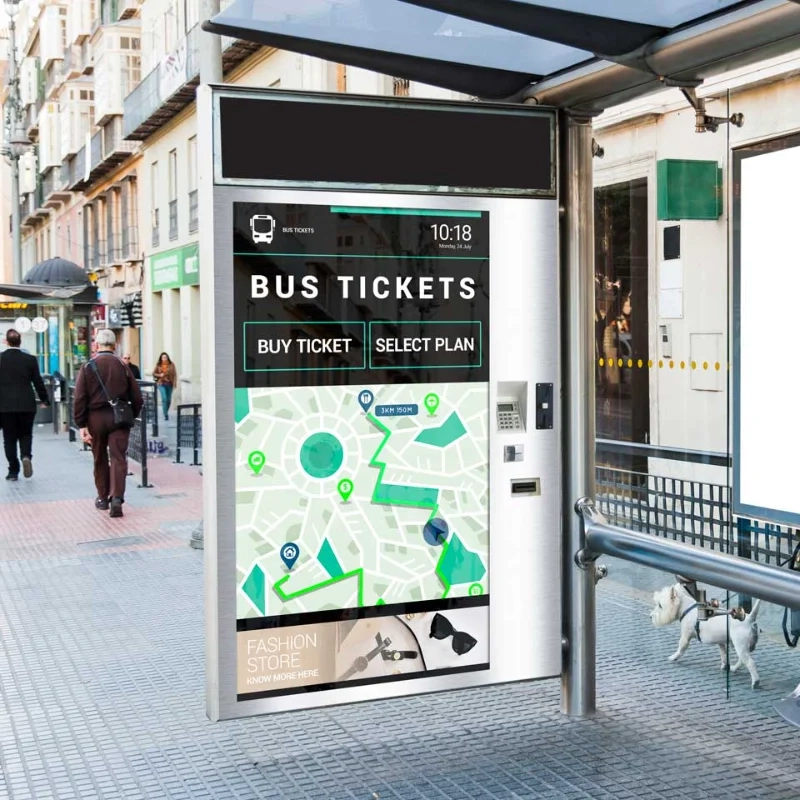
High-brightness sunlight-readable LCD screens are critical components in modern display technologies, especially for outdoor and high-ambient-light environments such as military equipment, industrial control panels, automotive dashboards, and public information systems. These displays are engineered to maintain visibility under direct sunlight, often exceeding 5,000 nits of brightness—far beyond standard indoor LCDs that typically max out at 300–500 nits. The engineering behind these screens involves a combination of advanced backlighting, anti-glare coatings, high-contrast ratios, and optimized liquid crystal materials.
One of the key innovations is the use of LED-based backlights with enhanced luminance control. Unlike traditional CCFL (cold cathode fluorescent lamp) backlights, LEDs offer higher efficiency, longer lifespan, and better color consistency across temperature ranges. In high-brightness applications, manufacturers often deploy multiple LED arrays in a diffuse optical design to ensure uniform illumination without hotspots. For example, Sharp’s “Sunlight Readable” LCDs used in ruggedized field computers employ an 8,000-nit LED backlight system with dynamic contrast enhancement algorithms to preserve image clarity even at noon sun.
Another crucial factor is the polarizer and cover glass design. To reduce reflection, manufacturers apply multi-layer anti-reflective (AR) coatings on the front glass surface, often combining hydrophobic and oleophobic properties for durability in harsh conditions. Additionally, some models incorporate a matte or diffused glass surface to minimize glare while maintaining touch responsiveness—a balance that’s essential in mobile and handheld devices like those used by first responders or construction crews.
Industry standards such as MIL-STD-810G (for military-grade ruggedness) and ISO 16750 (for automotive electronics) guide the environmental testing of these displays, including thermal cycling, vibration resistance, humidity exposure, and shock absorption. A case study from Bosch Rexroth in 2022 showed that their high-brightness LCDs in industrial automation controllers maintained 98% readability at 10,000 lux ambient light, significantly improving operator efficiency in factory settings.
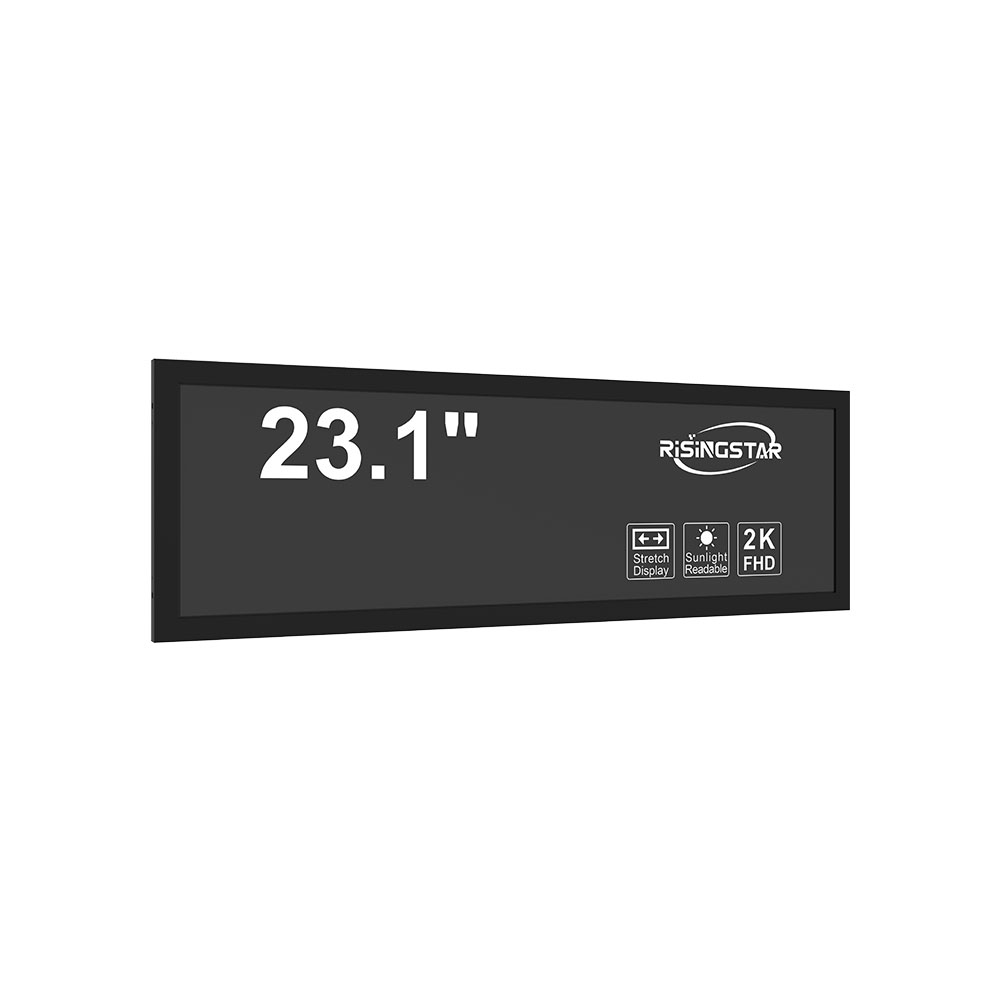
Furthermore, recent advancements include adaptive brightness control via ambient light sensors (ALS), which not only enhance readability but also improve power efficiency—a vital feature for battery-powered devices. Companies like LG Display and Innolux have introduced "smart brightness" technology that adjusts screen output based on real-time lighting conditions, reducing energy consumption by up to 30% in some scenarios.
These screens are also increasingly being integrated into emerging fields like autonomous vehicles and drone control systems, where clear, reliable visual feedback is non-negotiable. As global demand grows—especially in sectors like defense, transportation, and smart cities—the need for standardized, scalable, and cost-effective solutions will drive further innovation in this space. With ongoing research into quantum dot enhancements, micro-LED integration, and AI-driven contrast optimization, the future of sunlight-readable LCDs looks brighter than ever.