RisingStar
- Home
- About Us
- Products
- News
- Video
- Contact
- Send Inquiry
Search
- Home
- About Us
- Products
- News
- Video
- Contact
- Send Inquiry
RisingStar
High-brightness sunlight-readable LCD screens have become essential in modern outdoor, industrial, and military environments where visibility under direct sunlight is critical. These displays are engineered to maintain clarity and readability even in intense lighting conditions—often exceeding 5,000 nits of brightness—far surpassing standard indoor LCDs that typically max out at 300–500 nits. The technology behind these screens involves advanced backlighting systems, anti-reflective coatings, high-contrast ratios (often over 1000:1), and specialized liquid crystal materials that respond efficiently to temperature extremes.
Practical applications span across multiple sectors. In transportation, they power GPS navigation systems in trucks, buses, and aircraft cockpits, ensuring pilots and drivers can read real-time data regardless of sun angle or time of day. In construction and agriculture, ruggedized tablets and control panels use these screens to display equipment diagnostics, weather data, and mapping information in open-field conditions. Military and defense industries rely on them for command-and-control interfaces, vehicle-mounted targeting systems, and portable field devices—all operating in harsh environmental conditions from deserts to arctic zones.
One of the major advantages of sunlight-readable LCDs is their ability to eliminate glare and improve user productivity. Unlike conventional displays that require users to squint or seek shade, high-brightness models ensure consistent performance without eye strain. Additionally, many modern designs incorporate energy-efficient LED backlights, which reduce power consumption by up to 40% compared to older CCFL-based systems—making them ideal for battery-powered or solar-recharged devices.
However, common problems remain. Poor thermal management can lead to screen degradation or color shift in extreme heat (above 60°C). Some early-generation units suffered from limited viewing angles due to polarizer limitations, though recent advancements in IPS (In-Plane Switching) and MVA (Multi-Domain Vertical Alignment) technologies now offer near-180° visibility. Another challenge is cost: high-brightness screens with full environmental sealing (IP67/IP68) and wide-temperature support (-20°C to +70°C) can be 2–3x more expensive than standard displays—but this is often justified in mission-critical applications.
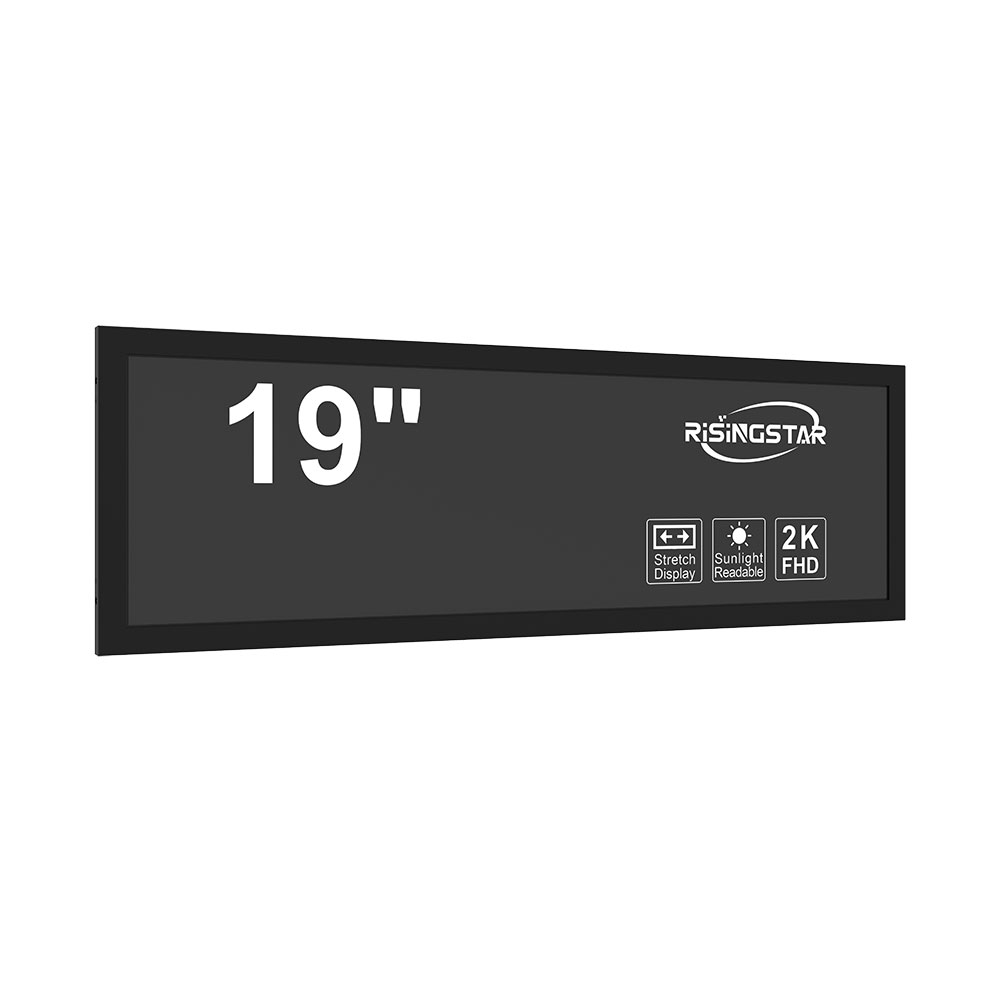
The latest trends show a strong push toward miniaturization, integration with touchscreens (including glove-friendly capacitive sensors), and compatibility with smart systems such as IoT-enabled monitoring platforms. OLED variants with high peak brightness (up to 10,000 nits) are emerging as next-gen alternatives, particularly in automotive HUDs (Head-Up Displays). According to market research from Grand View Research (2024), the global sunlight-readable display market is projected to grow at a CAGR of 6.9% through 2030, driven by increasing demand in autonomous vehicles, smart infrastructure, and remote industrial operations.
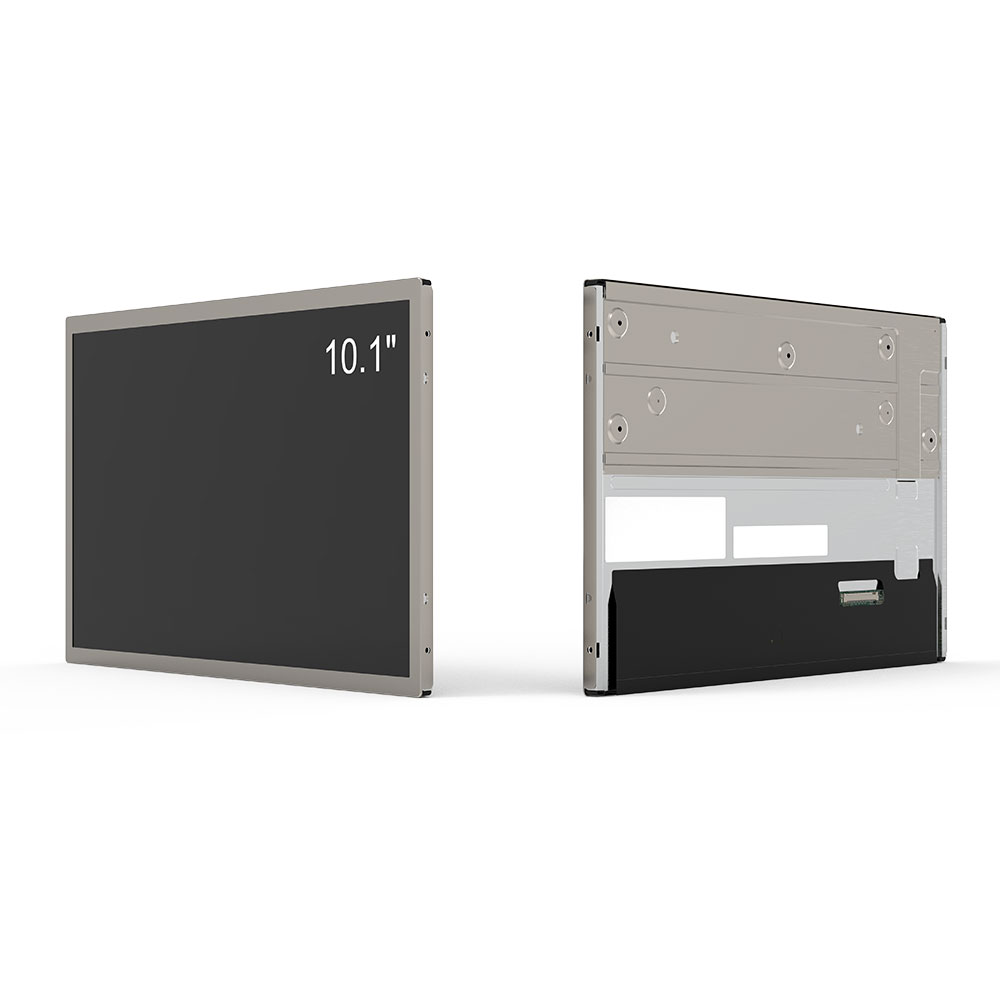
Manufacturers like Sharp, LG Display, and Innolux continue to innovate, while companies such as Crystalfontz and Evesham Technology specialize in custom-designed modules for OEMs. With rising standards from ISO 16750 (vehicle electronics durability) and MIL-STD-810 (military environmental testing), compliance with rigorous certifications ensures reliability in real-world deployments.