RisingStar
- Home
- About Us
- Products
- News
- Video
- Contact
- Send Inquiry
Search
- Home
- About Us
- Products
- News
- Video
- Contact
- Send Inquiry
RisingStar
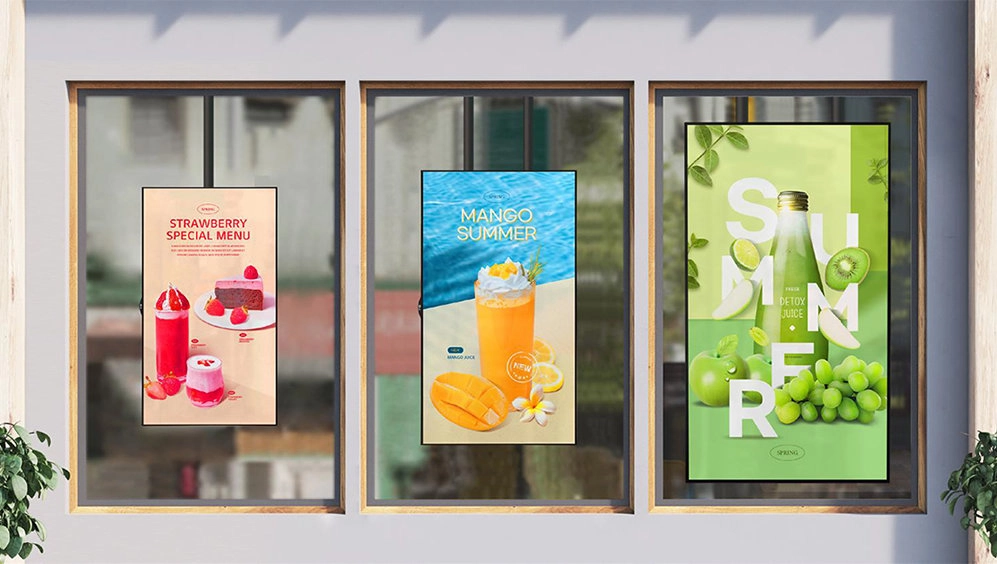
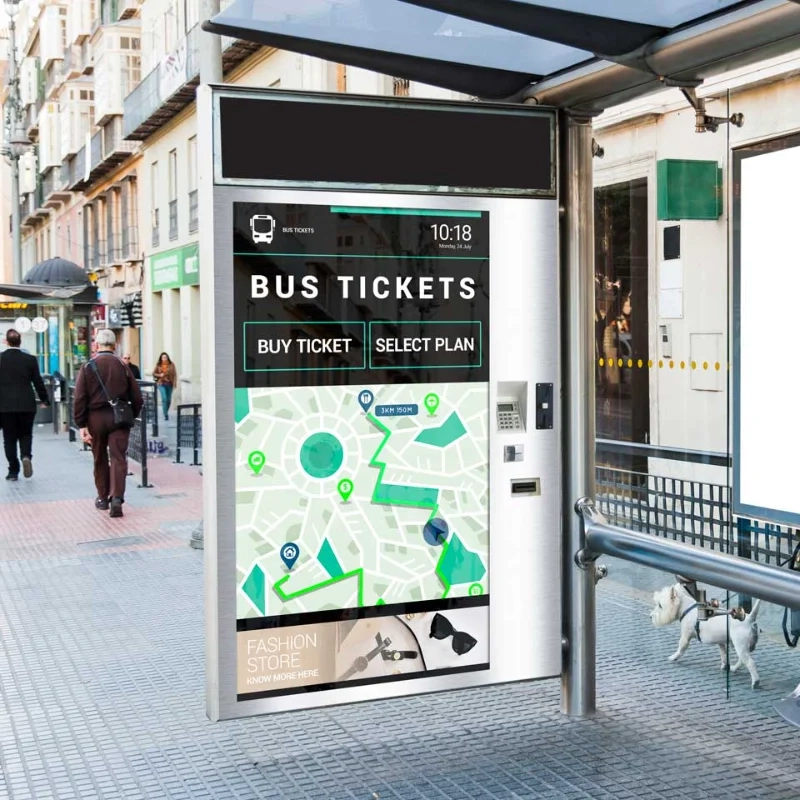
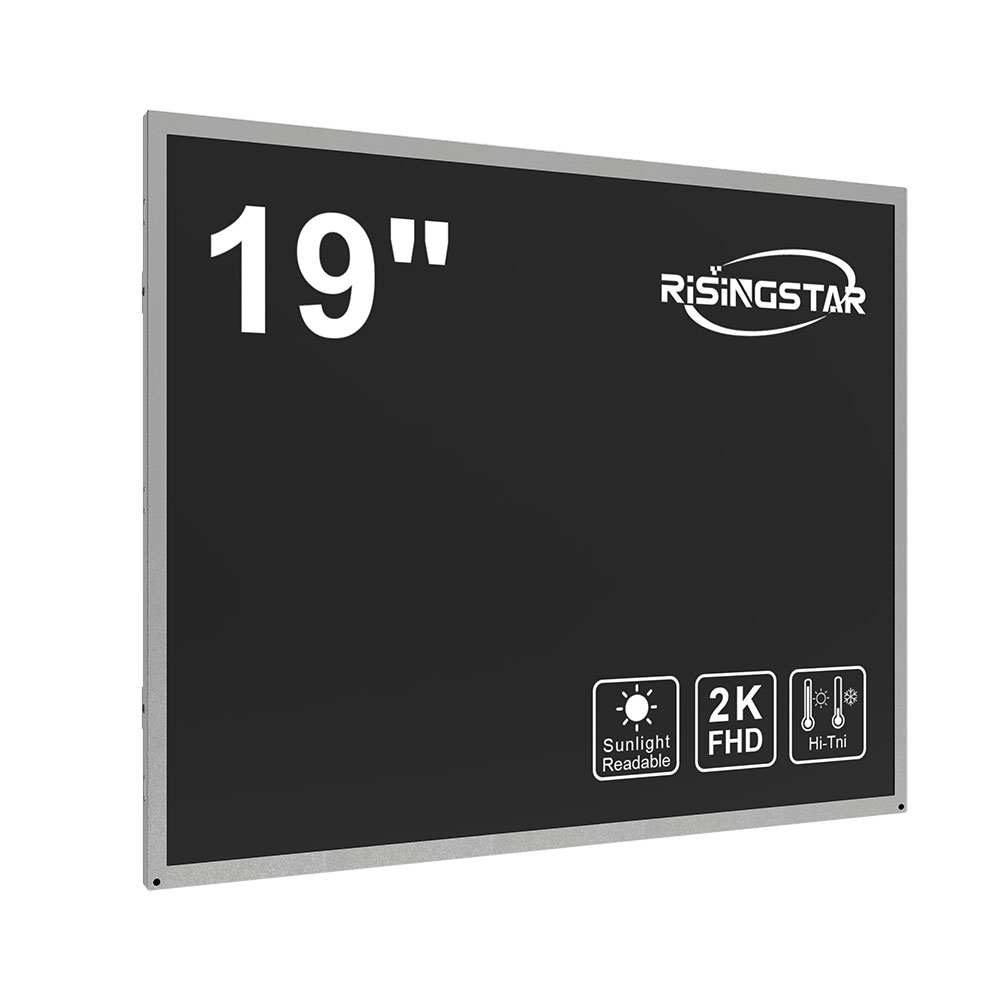
Sunlight-readable LCD displays have become essential components in a wide range of high-stakes environments where visibility under bright ambient light is non-negotiable. These specialized screens are engineered to maintain clarity, contrast, and readability even under direct sunlight—typically achieving brightness levels of 3,000 to 5,000 cd/m², far exceeding standard consumer-grade displays that usually max out at 500–1,000 cd/m². This performance is critical in outdoor industrial equipment, military field operations, automotive dashboards, and public information systems such as airport kiosks or transit signage.
One of the most significant practical applications lies in military and defense technology. For example, U.S. Department of Defense (DoD) specifications like MIL-STD-810G mandate that display systems used in vehicles, aircraft, and handheld devices must remain fully operational in extreme lighting conditions—from desert sun to Arctic twilight. Sunlight-readable LCDs meet these requirements by integrating features such as anti-glare coatings, polarization filters, and advanced LED backlighting with dynamic brightness control. A case study from Raytheon Technologies demonstrated a 60% improvement in situational awareness for drone operators when switching from conventional displays to sunlight-readable models during daytime missions.
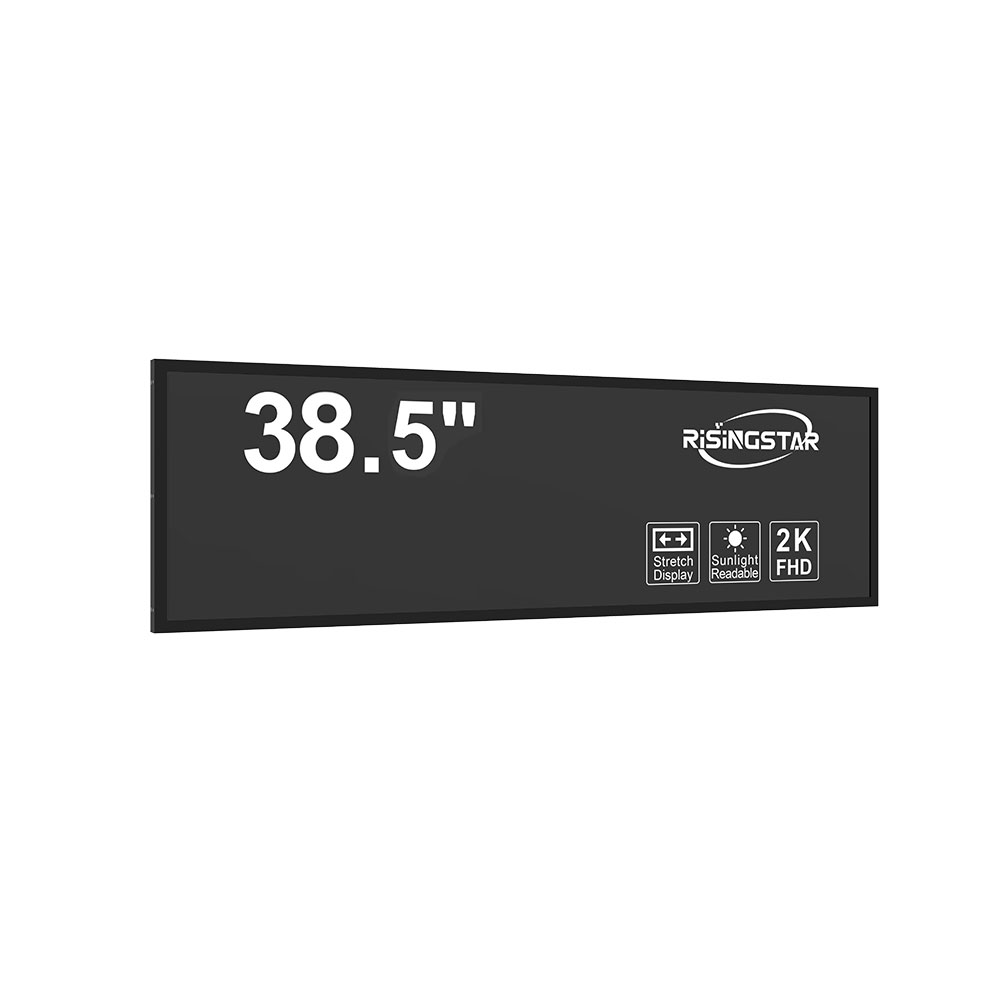
In industrial settings—like oil rigs, construction sites, or mining operations—these displays power ruggedized tablets and control panels that workers rely on daily. Their ability to resist UV degradation, thermal shock, and mechanical stress ensures long-term reliability. According to a 2023 report by MarketsandMarkets, the global market for high-brightness displays in industrial applications is projected to exceed $9 billion by 2028, driven largely by the demand for smart manufacturing and Industry 4.0 integration.
Advantages of sunlight-readable LCDs extend beyond brightness. They often incorporate low-power consumption technologies like IPS (In-Plane Switching) panels, which reduce energy use while maintaining wide viewing angles—a key benefit for multi-user interfaces. Additionally, modern variants support touch functionality even with gloves on, enhancing usability in cold climates or hazardous environments.
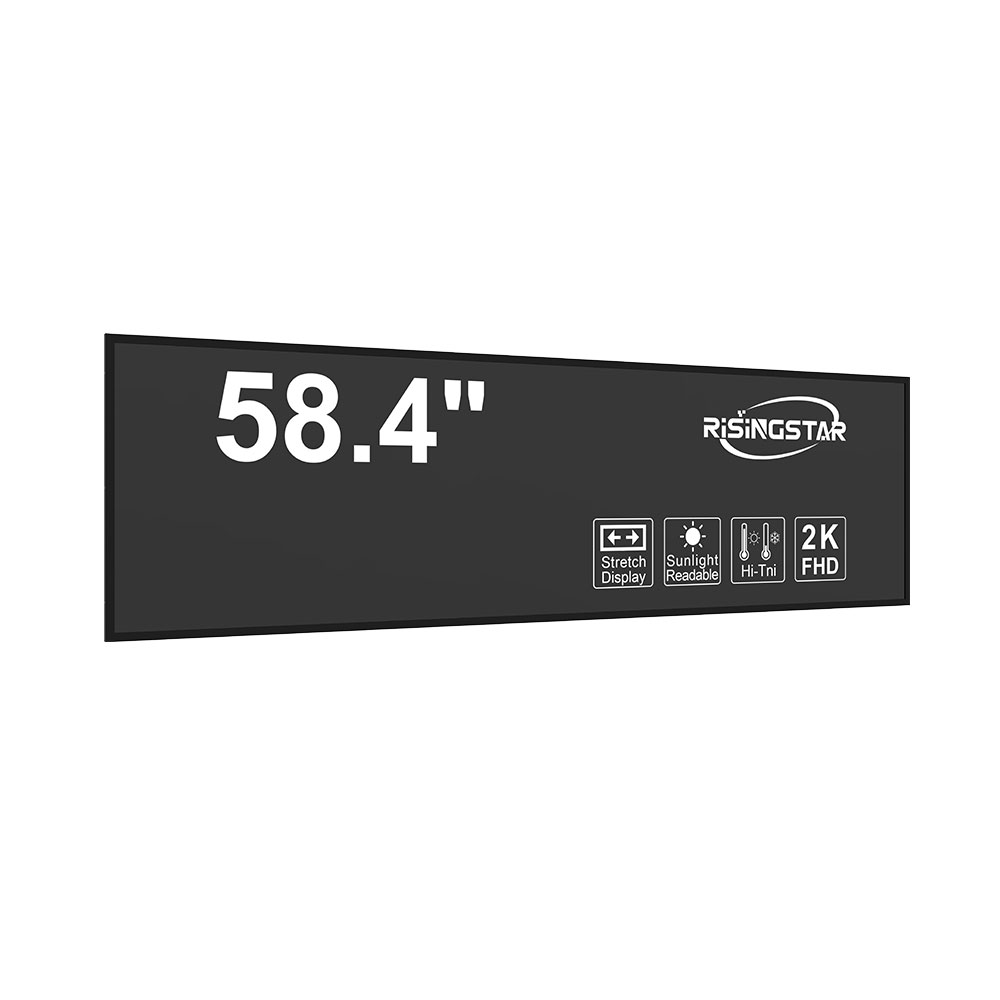
However, common challenges remain. One issue is thermal management—high-brightness LEDs generate more heat, which can lead to reduced lifespan if not properly dissipated. Another is color accuracy; aggressive brightness boosting can sometimes shift hues or reduce contrast ratios. Engineers now address this using adaptive algorithms that adjust luminance based on real-time ambient light sensors (e.g., using IEC 62395 standards for environmental sensing).
The latest trend involves integrating AI-driven display optimization. Companies like LG Display and Sharp are developing proprietary software layers that dynamically adjust contrast, gamma, and color temperature depending on time of day and lighting context—improving both user comfort and battery life in portable systems. Furthermore, OLED-based sunlight-readable displays are emerging, offering superior contrast ratios and faster response times than traditional LCDs, though they still face cost and durability hurdles in mass deployment.
As industries push toward automation, mobility, and resilience, sunlight-readable LCDs are no longer just an option—they are a necessity. Their evolution reflects broader technological progress in materials science, power efficiency, and human-machine interaction design.