RisingStar
- Home
- About Us
- Products
- News
- Video
- Contact
- Send Inquiry
Search
- Home
- About Us
- Products
- News
- Video
- Contact
- Send Inquiry
RisingStar
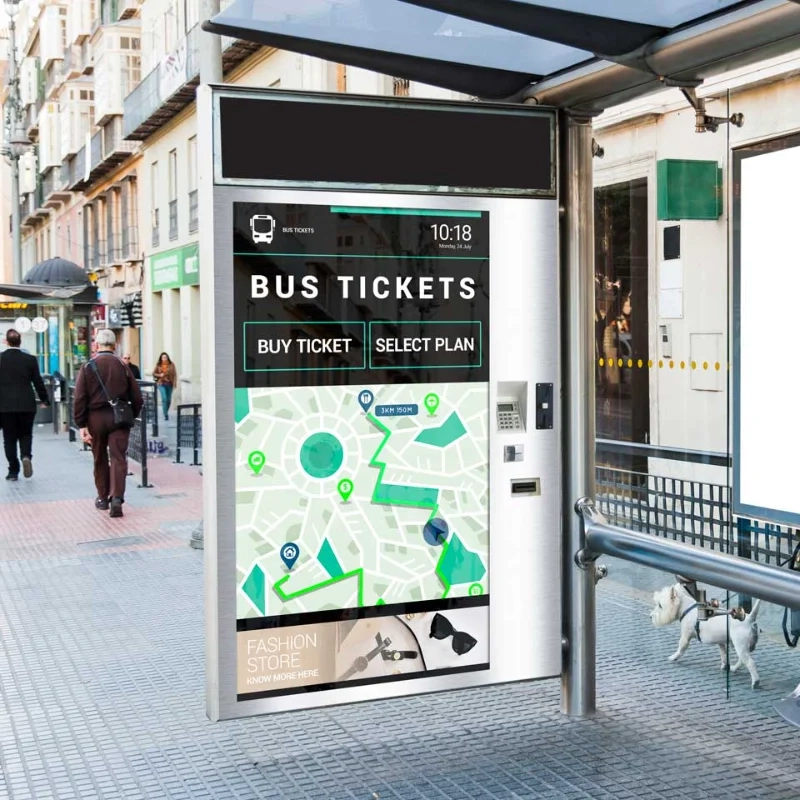
High-brightness sunlight-readable LCD displays have become essential in modern outdoor, industrial, and military environments where visibility under direct sunlight is critical. These displays are engineered to maintain clarity and readability even under extreme lighting conditions—ranging from 10,000 lux in bright daylight to low-light indoor scenarios. The most common aspect ratio for such displays is 16:9, which aligns with modern video and data formats while offering optimal screen real estate for applications like vehicle dashboards, field service equipment, and public information kiosks.
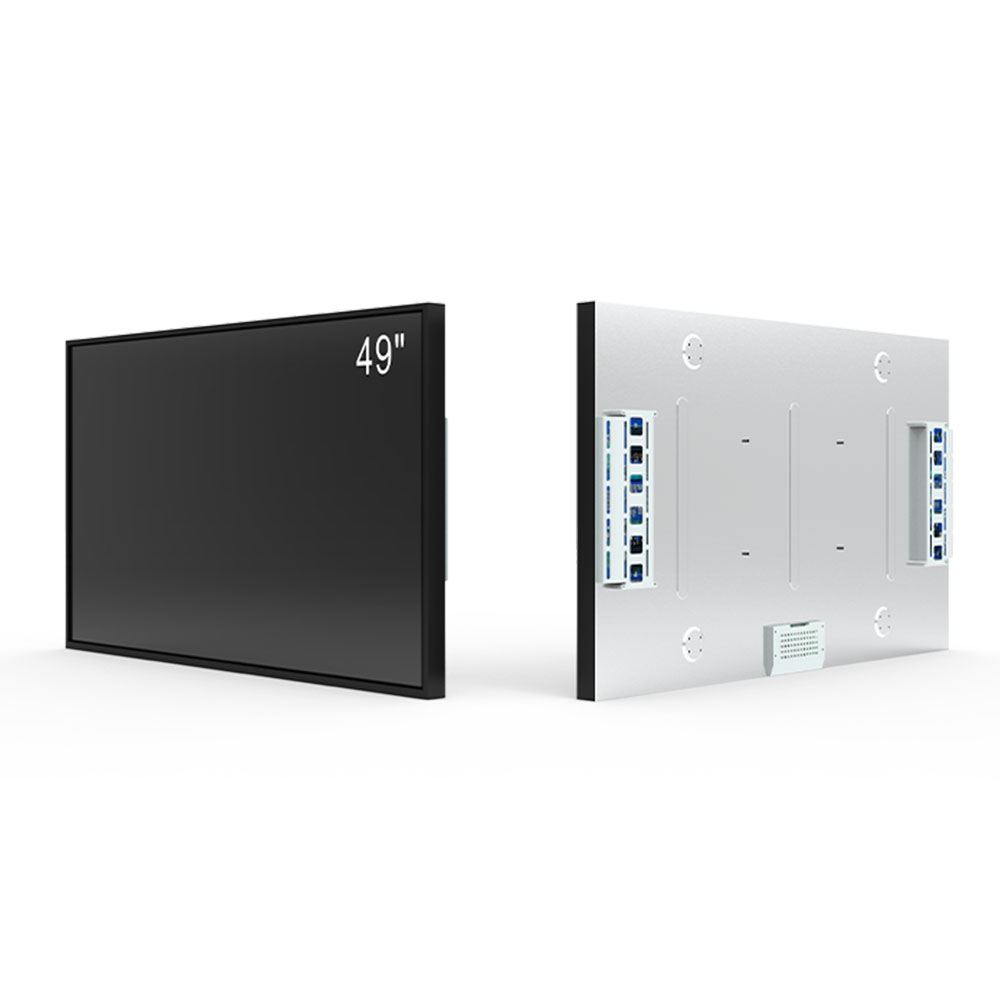
Available in sizes from 10.1 inches to 110 inches, these displays are designed to meet a wide range of application needs—from compact handheld devices (10.1” and 13.3”) to large-format digital signage (43”, 46”, 49”, 55”, 65”, 75”, 86”, 98”, and 110”). Each size category includes specific features tailored to its use case. For instance, the 10.1” and 13.3” variants are often found in ruggedized tablets and portable medical devices, leveraging high brightness (typically 5,000 to 10,000 nits) and anti-glare coatings. In contrast, larger displays like the 55” and above are used in outdoor advertising, command centers, and transportation hubs, where durability, color accuracy, and ambient light rejection are paramount.
Key technological components include transflective liquid crystal technology, which combines reflective and transmissive modes to optimize power efficiency and brightness. Some models integrate advanced LED backlights with dynamic dimming algorithms that adjust luminance based on ambient light sensors—a feature especially effective in solar-intensive regions. Additionally, many panels incorporate anti-reflective (AR) glass or hard-coated polycarbonate overlays to reduce glare and improve contrast ratios, often exceeding 10,000:1.
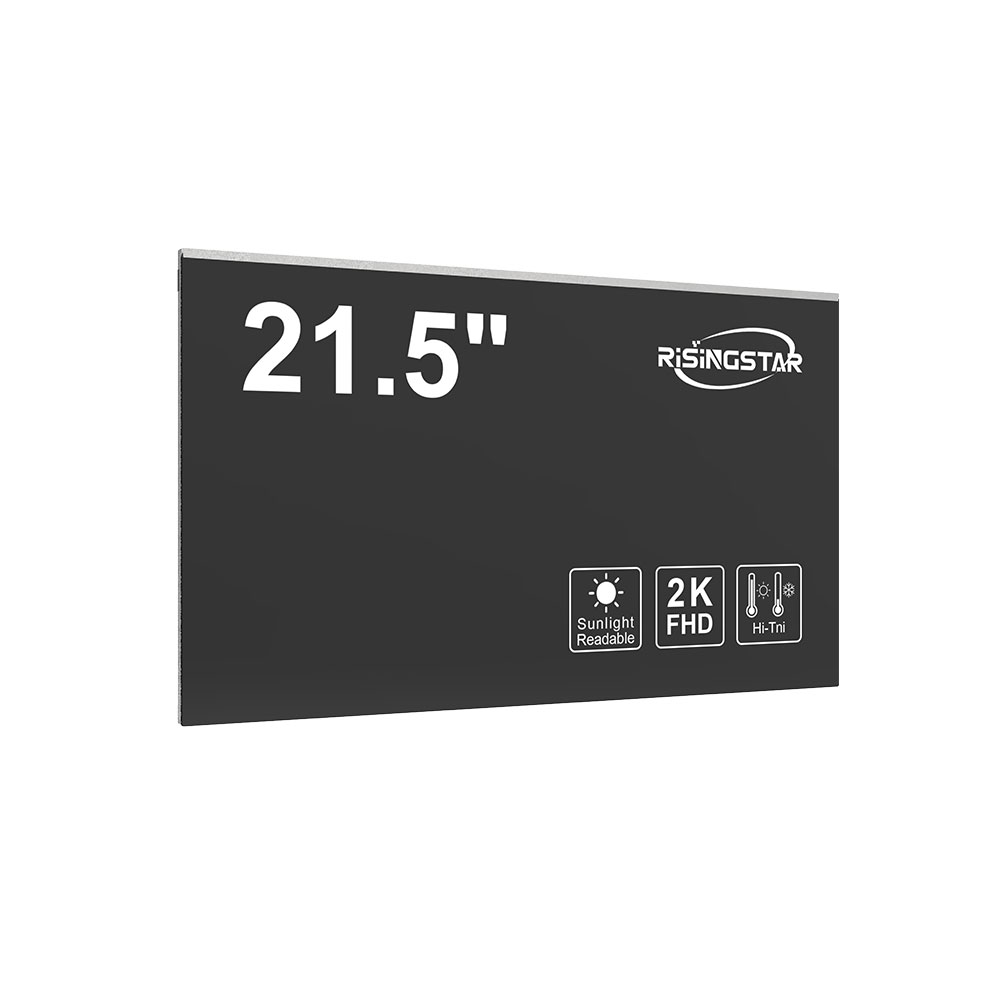
Industry standards such as MIL-STD-810G (for environmental durability), IP65/IP67 (for dust and water resistance), and RoHS compliance ensure that these displays meet rigorous global certification requirements. Case studies from defense contractors, public transit agencies, and agricultural monitoring systems confirm that 16:9 format displays in the 21.5”–43” range deliver the best balance of readability, resolution (up to 4K UHD), and cost-effectiveness in outdoor deployments.
For users selecting between display sizes, it's important to consider not only physical dimensions but also pixel density (PPI), viewing angles (often 178° horizontal/vertical), and operating temperature ranges (-20°C to +70°C). A 27” panel at 1920x1080p offers excellent value for control room monitoring, while a 43” 4K model provides immersive visual detail for digital out-of-home (DOOH) advertising in urban environments.
Ultimately, choosing the right sunlight-readable LCD involves evaluating brightness levels (measured in nits), form factor, connectivity options (HDMI, DisplayPort, LVDS), and long-term reliability. With ongoing innovations in OLED and mini-LED backlighting, manufacturers are pushing brightness beyond 15,000 nits—setting new benchmarks for performance in high-sunlight applications worldwide.