 RisingStar
- Home
- About Us
- Products
- News
- Video
- Contact
- Send Inquiry
Search
- Home
- About Us
- Products
- News
- Video
- Contact
- Send Inquiry
RisingStar
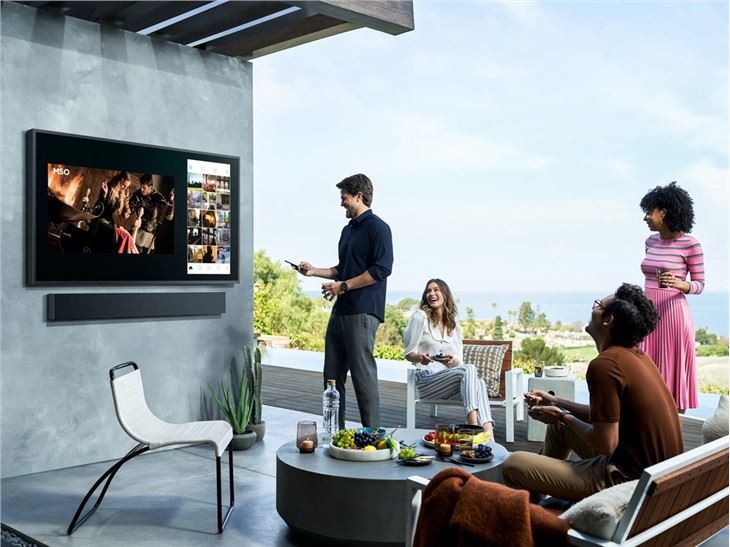
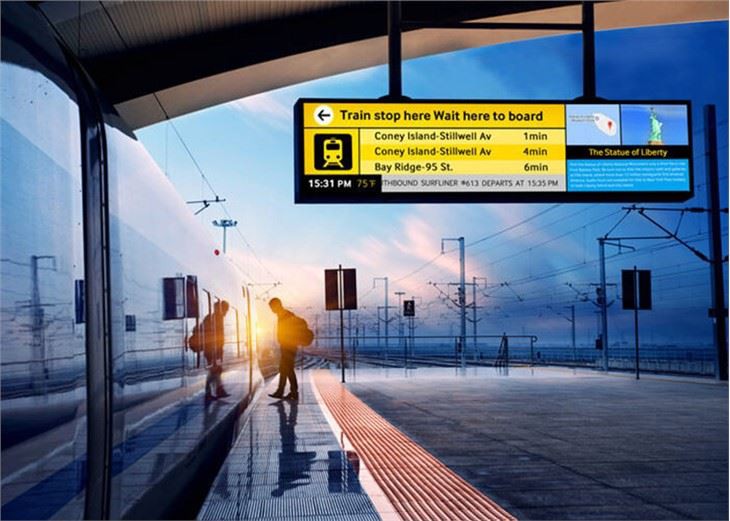
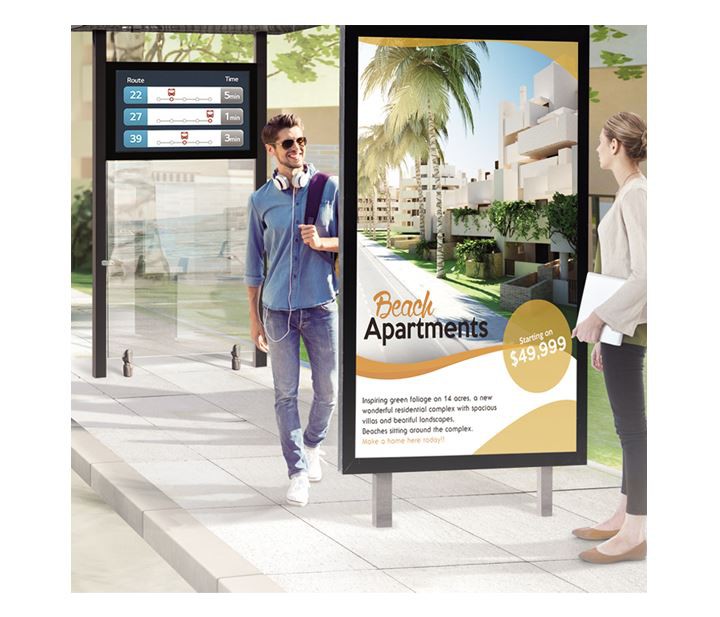
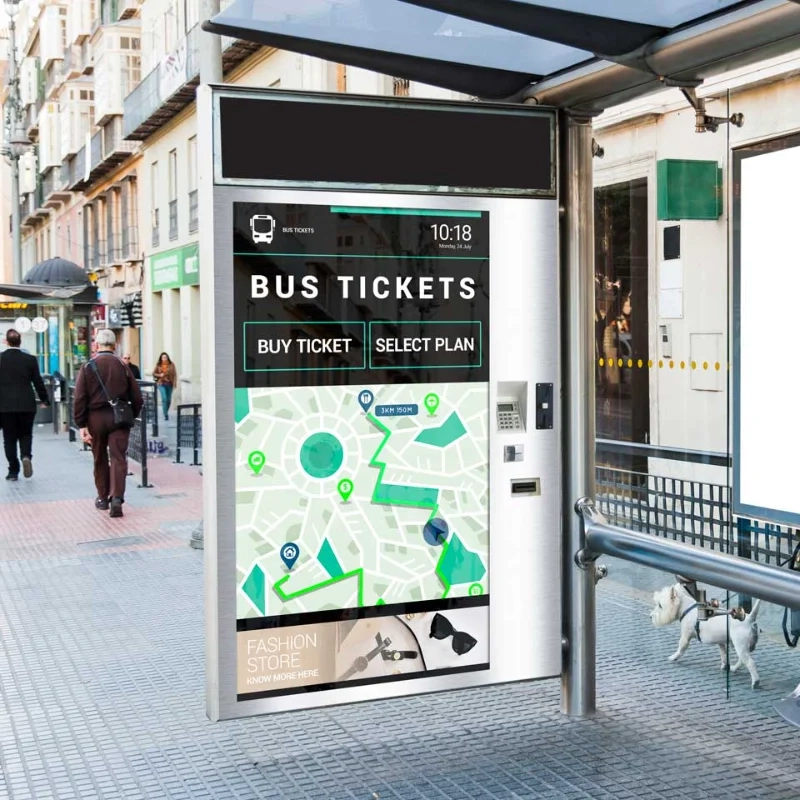
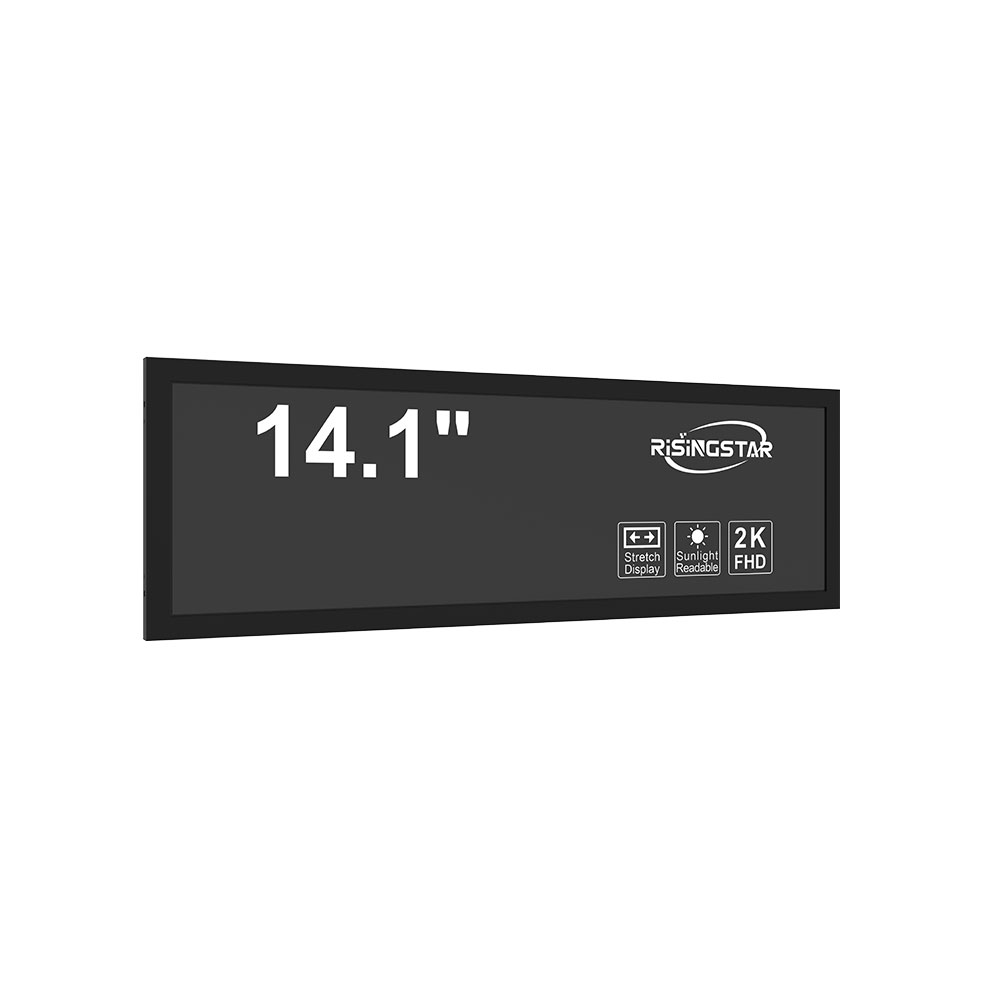
High-brightness sunlight-readable LCD screens are a critical innovation in modern display technology, especially for applications where visibility under direct sunlight is essential. These displays are engineered to maintain clarity and readability even in extreme lighting conditions—such as bright outdoor environments, military operations, industrial settings, and automotive dashboards—where conventional LCDs fail due to glare and insufficient luminance.
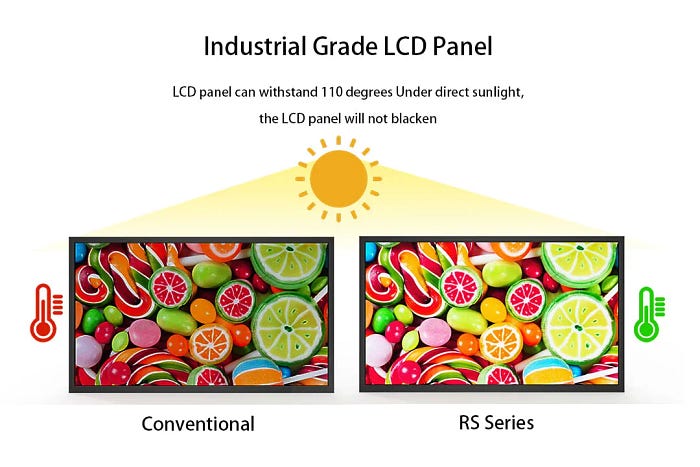
The core principle behind sunlight-readable LCDs lies in their ability to achieve peak brightness levels of 5,000 to 10,000 nits or higher. This contrasts sharply with standard indoor LCDs, which typically produce only 300–500 nits. Such high luminance ensures that the screen remains legible under direct sunlight, which can exceed 100,000 lux. To meet this demand, manufacturers employ advanced backlighting technologies such as LED arrays with optimized optics, high-efficiency phosphors, and thermal management systems to prevent overheating and extend lifespan.
A key differentiator is the use of anti-glare coatings and polarized filters that reduce specular reflection. Unlike glossy surfaces that create distracting reflections, these screens incorporate matte finishes and micro-lens arrays that diffuse light more evenly across the display surface. Additionally, some models utilize transmissive and reflective dual-mode operation, combining ambient light harvesting (like e-paper) with active backlighting for dynamic range control—an approach widely adopted in ruggedized handheld devices used by field engineers and first responders.
Industry standards such as MIL-STD-810G (military durability), IP65/67 (dust and water resistance), and EN 60950 (electrical safety) further validate the robustness of these screens. Real-world case studies demonstrate their effectiveness: for instance, the U.S. Army’s Ground Combat Vehicle program adopted 5,000-nit sunlight-readable displays to ensure mission-critical information visibility in desert combat zones. Similarly, in commercial aviation, Boeing and Airbus have integrated such screens into cockpit HUDs (Heads-Up Displays), improving pilot situational awareness during takeoff and landing under intense solar exposure.
Moreover, advancements in OLED and mini-LED technologies are pushing the boundaries of what’s possible. Mini-LED backlights offer superior local dimming compared to traditional LED arrays, enhancing contrast ratios while reducing power consumption—a vital factor for battery-powered outdoor devices. Meanwhile, OLED-based sunlight-readable displays, though less common due to lower peak brightness, are gaining traction in high-end consumer electronics like outdoor-ready smartphones and tablets.
From an engineering perspective, the integration of adaptive brightness sensors and intelligent power management algorithms enables dynamic luminance adjustment based on ambient light detection. This not only improves energy efficiency but also extends device longevity and reduces eye strain in variable lighting conditions.
In conclusion, high-brightness sunlight-readable LCD screens represent a convergence of optical engineering, materials science, and system-level design. As global demand grows—from smart city infrastructure to autonomous vehicles—these displays will remain indispensable tools for ensuring reliable human-machine interaction in outdoor environments.