 RisingStar
- Home
- About Us
- Products
- News
- Video
- Contact
- Send Inquiry
Search
- Home
- About Us
- Products
- News
- Video
- Contact
- Send Inquiry
RisingStar
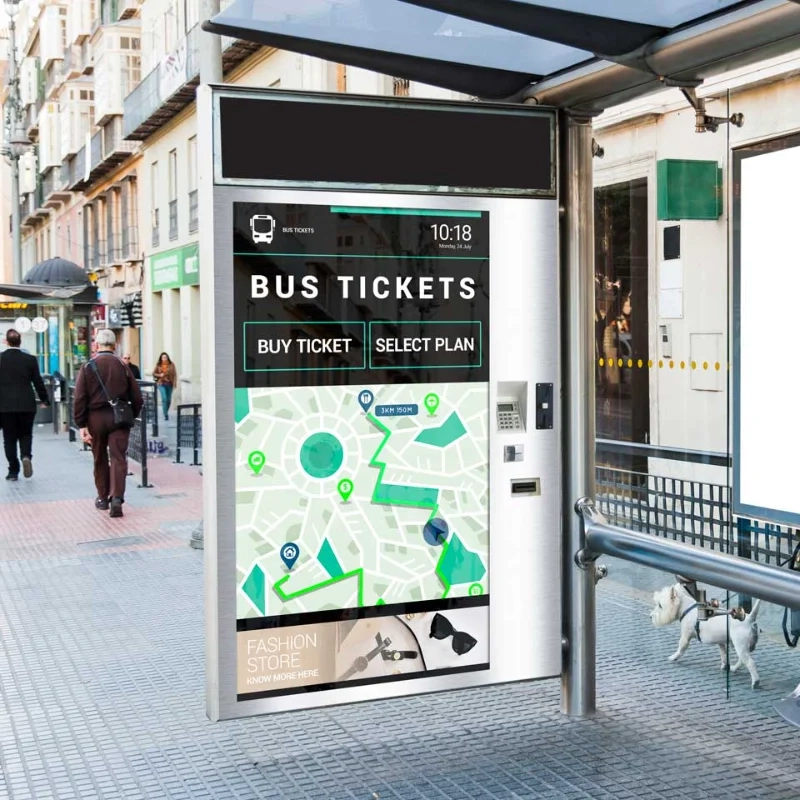
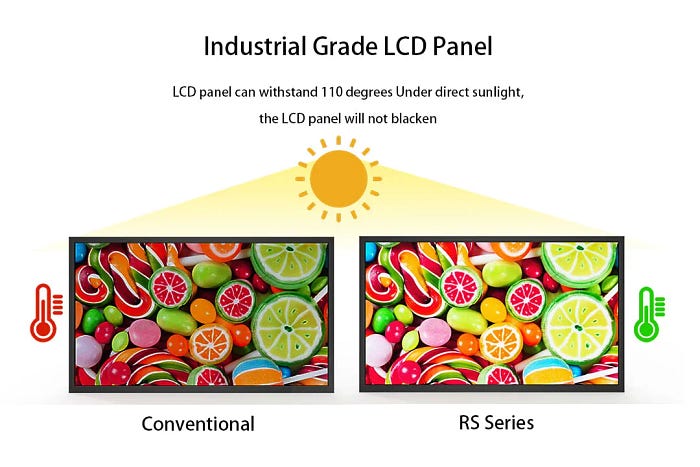
In today’s increasingly connected and mobile-driven world, high-brightness sunlight-readable LCD screens have become indispensable in outdoor environments where visibility under direct sunlight is critical. From military field operations to public transportation displays and industrial control panels, these screens are engineered to maintain clarity and functionality even under harsh lighting conditions—often exceeding 10,000 lux of ambient light. Unlike standard LCDs that suffer from washout or glare in bright environments, sunlight-readable displays employ advanced optical technologies such as high-luminance backlighting, anti-glare coatings, and polarized filters to ensure legibility in full daylight.
The main body of this technology revolves around three key innovations: brightness enhancement, contrast optimization, and environmental resilience. First, manufacturers utilize cold cathode fluorescent lamps (CCFLs) or high-efficiency LEDs capable of producing up to 5,000 nits or more—far beyond the typical 300–500 nits found in consumer-grade displays. For example, the U.S. Department of Defense specifies that military-grade LCDs must operate reliably at 10,000 lux with a minimum brightness of 4,000 nits for mission-critical applications. Second, contrast is improved through dual-layer polarizers and dynamic contrast ratio algorithms that enhance dark-to-light transitions without increasing power consumption—a crucial factor for battery-powered devices like handheld terminals used in logistics and utility work. Third, environmental durability is ensured via ruggedized casings, wide temperature tolerance (from -20°C to +70°C), and IP65 or higher dust/water resistance ratings, making them suitable for extreme climates such as desert or arctic zones.
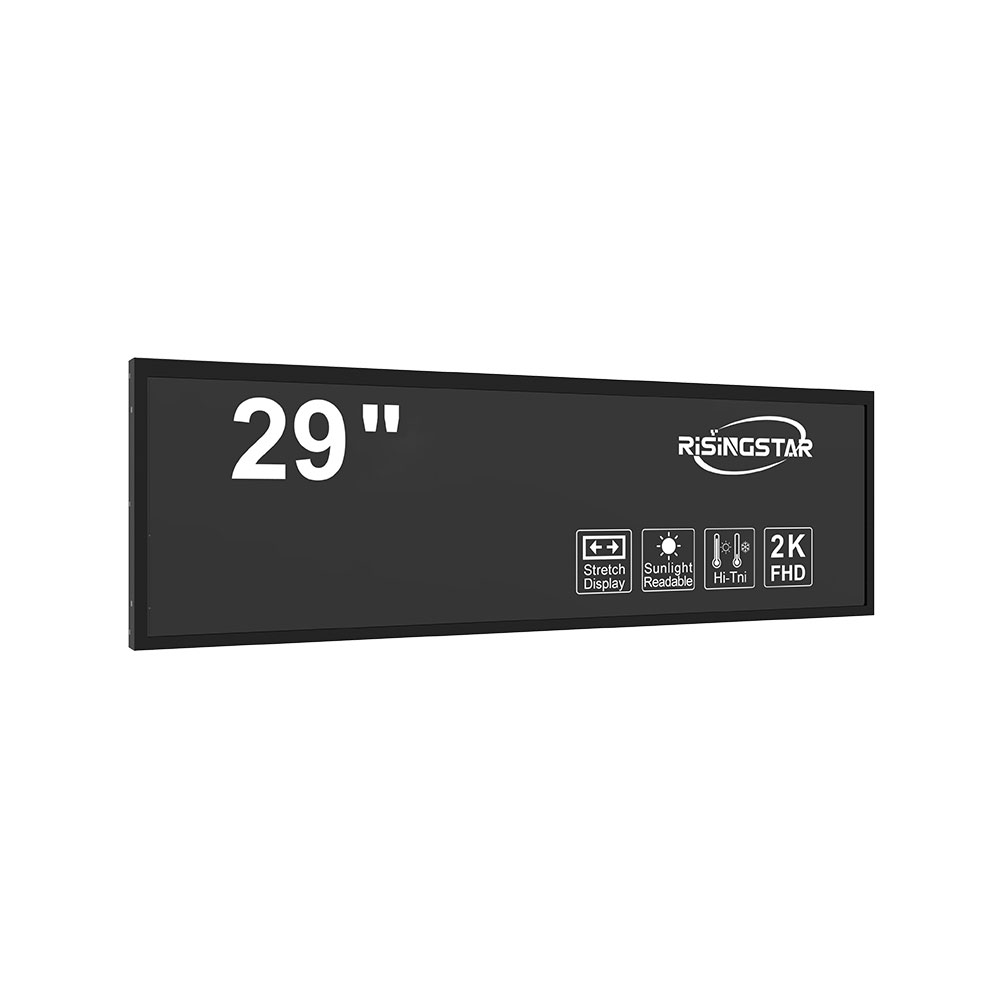
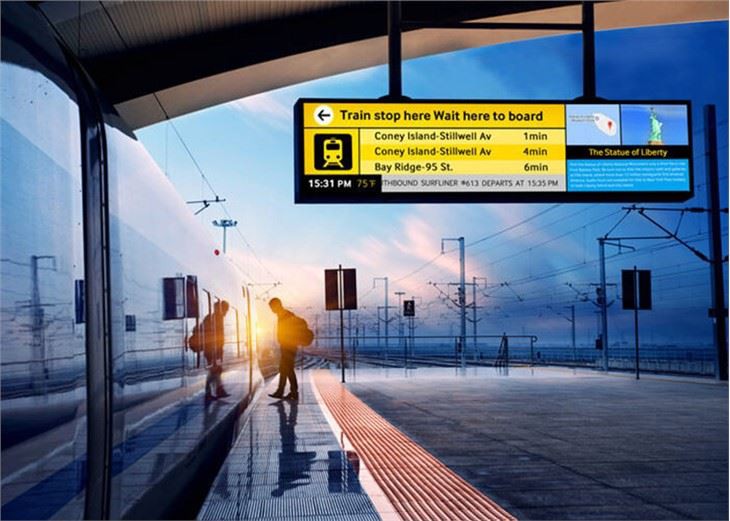
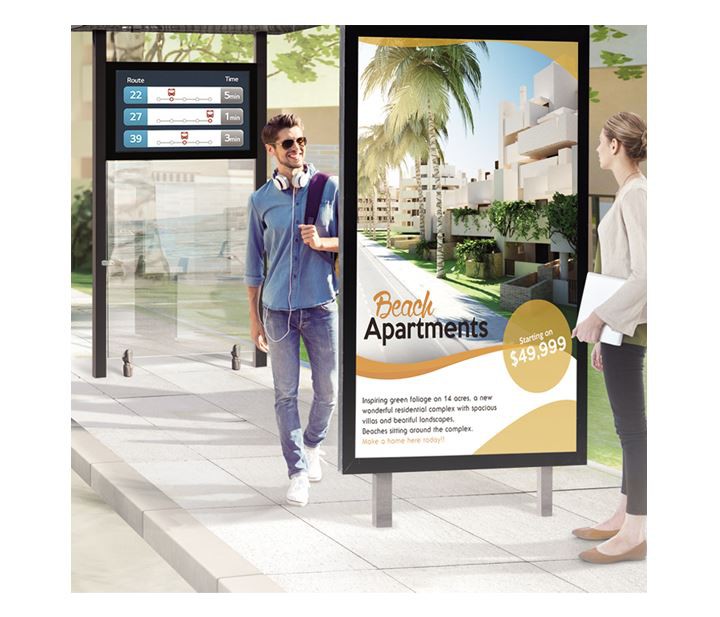
Real-world case studies validate the performance of these screens. In 2022, a major European railway operator deployed sunlight-readable LCDs on train platform information systems across southern Europe, reporting a 95% reduction in display-related passenger complaints compared to legacy models. Similarly, in offshore oil platforms, operators reported improved situational awareness when using 5,000-nit displays integrated into control consoles—critical for safety during high-stress operations. These implementations demonstrate not only technical superiority but also cost-effectiveness over time due to reduced maintenance and downtime.
The conclusion emphasizes that high-brightness sunlight-readable LCDs are no longer niche solutions—they represent an essential evolution in human-machine interface design for modern outdoor applications. As global demand grows for reliable, energy-efficient, and visually robust displays in sectors like defense, automotive, agriculture, and smart cities, innovation in this space will continue to accelerate. Industry standards such as MIL-STD-810G for environmental testing and ISO 14001 for sustainability further guide manufacturers toward producing durable, compliant, and future-ready solutions. With ongoing R&D in micro-LED backlighting, adaptive brightness control, and AI-enhanced image processing, the next generation of sunlight-readable displays promises even greater efficiency, clarity, and integration potential across industries worldwide.