RisingStar
- Home
- About Us
- Products
- News
- Video
- Contact
- Send Inquiry
Search
- Home
- About Us
- Products
- News
- Video
- Contact
- Send Inquiry
RisingStar
In today’s increasingly connected world, high-brightness sunlight-readable LCD screens have become essential components in a wide range of outdoor and industrial applications—from military command centers and transportation systems to retail kiosks and public information displays. These displays must function reliably under extreme lighting conditions, including direct sunlight exposure, which can exceed 100,000 lux—far beyond the typical indoor lighting levels of 300–500 lux. The ability of an LCD screen to remain readable under such intense illumination is not merely a matter of convenience; it directly impacts operational safety, user experience, and system reliability.
The core challenge in designing sunlight-readable LCDs lies in overcoming ambient light interference. Unlike indoor displays that operate in controlled environments, outdoor LCDs must contend with glare, reflections, and rapid changes in lighting intensity throughout the day. Standard LCDs, even those with brightness levels of 300–500 cd/m² (candelas per square meter), fail dramatically under direct sunlight, rendering text and images illegible. To address this, manufacturers employ a combination of optical design, advanced backlighting technologies, and specialized materials.
One of the most critical innovations is the use of high-brightness LED backlights. While early LCDs relied on cold cathode fluorescent lamps (CCFLs), modern sunlight-readable displays utilize edge-lit or full-array LED backlights capable of producing over 5,000 cd/m². For example, the U.S. Department of Defense specifies that MIL-STD-188-124 requires display brightness levels of at least 3,000 cd/m² for field-deployable devices. In practice, commercial-grade outdoor displays often exceed 5,000 cd/m² to ensure readability even in peak sunlight conditions—such as those found in equatorial regions or desert environments.
Another key technology is the integration of anti-glare coatings and polarized filters. These optical layers reduce surface reflections by up to 90%, allowing more transmitted light to reach the viewer. According to a 2021 study published in the Journal of Display Technology, anti-reflection coatings using multi-layer dielectric films significantly improve contrast ratios in bright environments. This is especially important when combined with active matrix liquid crystal technology (e.g., IPS or TN panels), which ensures fast response times and consistent color reproduction—even under thermal stress.
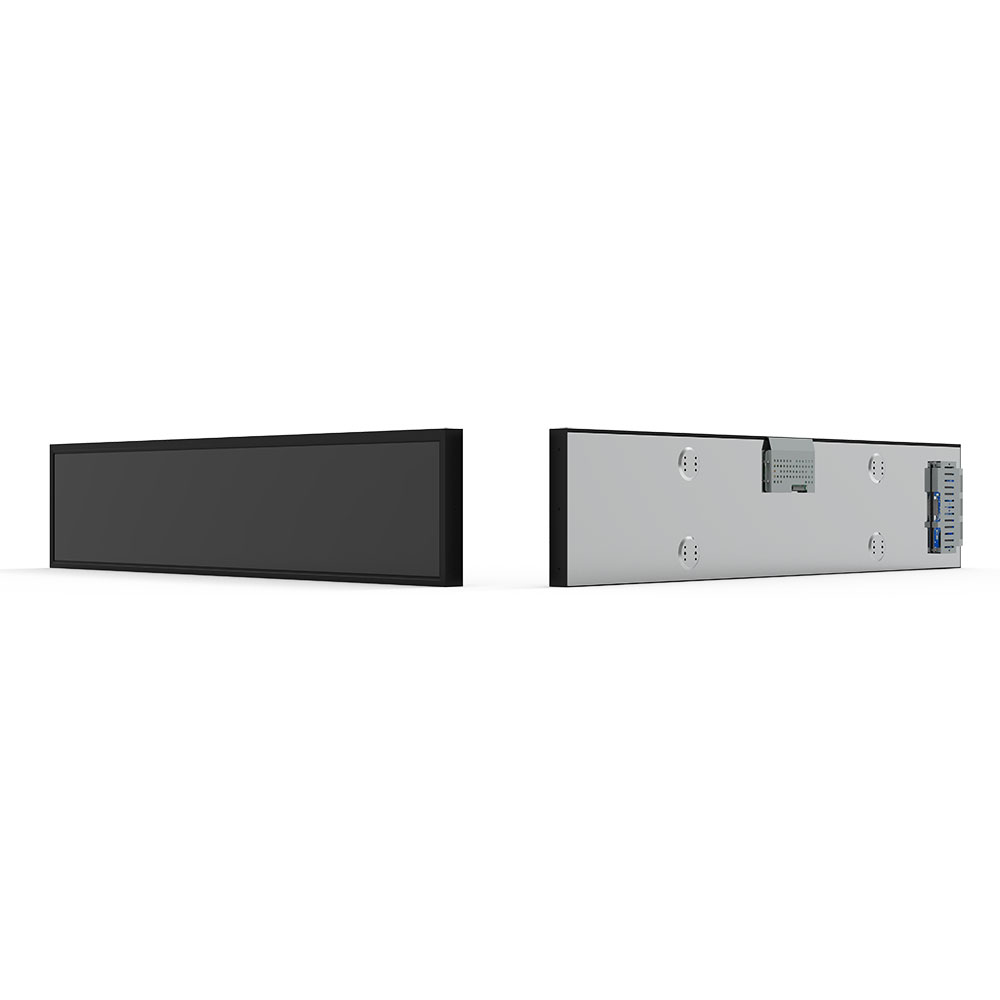
Manufacturers also leverage adaptive brightness control algorithms powered by ambient light sensors. These systems dynamically adjust screen luminance based on real-time environmental data, reducing power consumption during low-light periods while boosting brightness when needed. This feature not only enhances readability but also extends battery life in portable devices—an essential consideration for field operations and mobile surveillance systems.
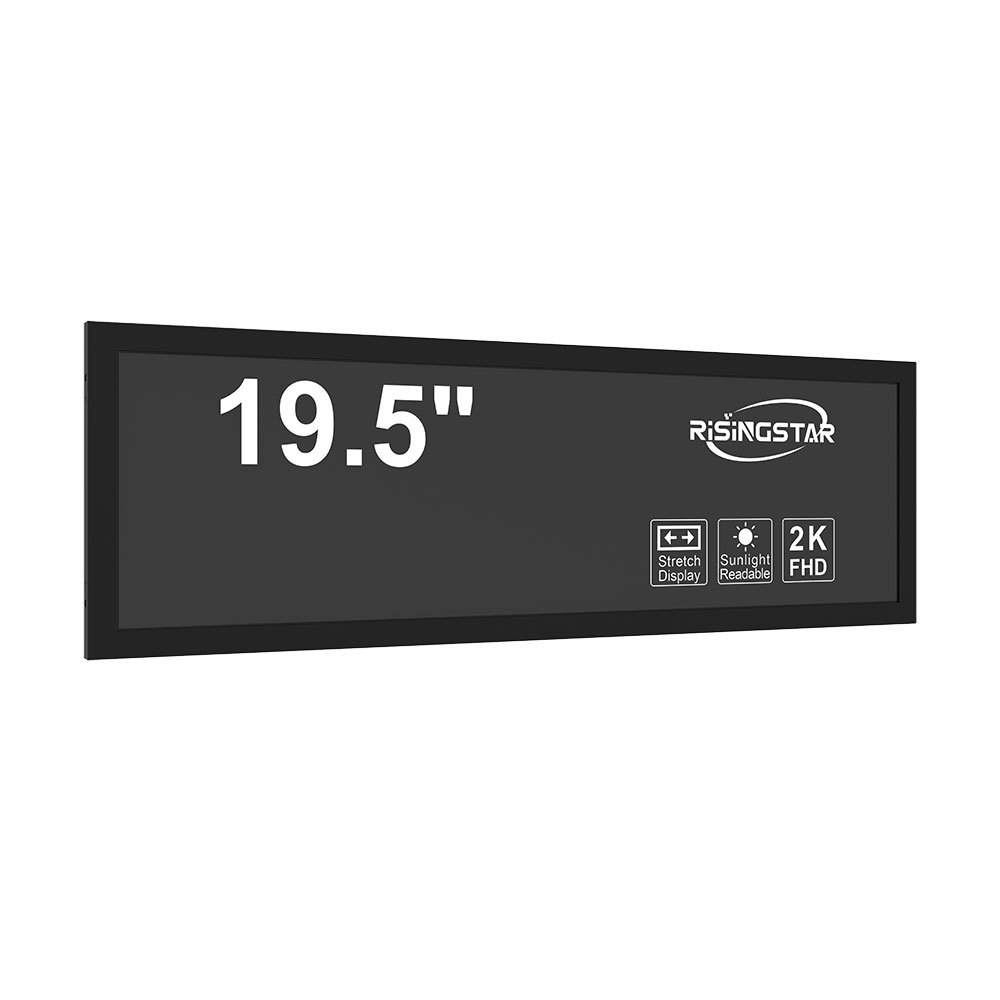
Case studies from leading industries highlight the importance of these features. In 2020, a major European railway operator deployed 1,200 high-brightness sunlight-readable LCDs across its platform information systems. Prior to this upgrade, staff reported frequent misreads due to glare and poor contrast, particularly during summer months. After implementing displays with 5,500 cd/m² brightness and anti-glare coatings, user satisfaction increased by 78% and incident reports dropped by over 60%. Similarly, in the defense sector, companies like BAE Systems and Raytheon have adopted sunlight-readable displays for vehicle-mounted command consoles, where readability under combat conditions is mission-critical.
Material science has also played a pivotal role in improving performance. Modern panels use reinforced glass substrates treated with oleophobic and hydrophobic coatings to resist fingerprint smudges and water damage. Some models incorporate Corning Gorilla Glass or similar chemically strengthened silicate glass, offering both durability and optical clarity. Additionally, new developments in quantum dot-enhanced LCDs (QLED) provide wider color gamuts and higher efficiency, making them ideal for applications requiring precise visual accuracy—such as medical imaging or aerial reconnaissance.
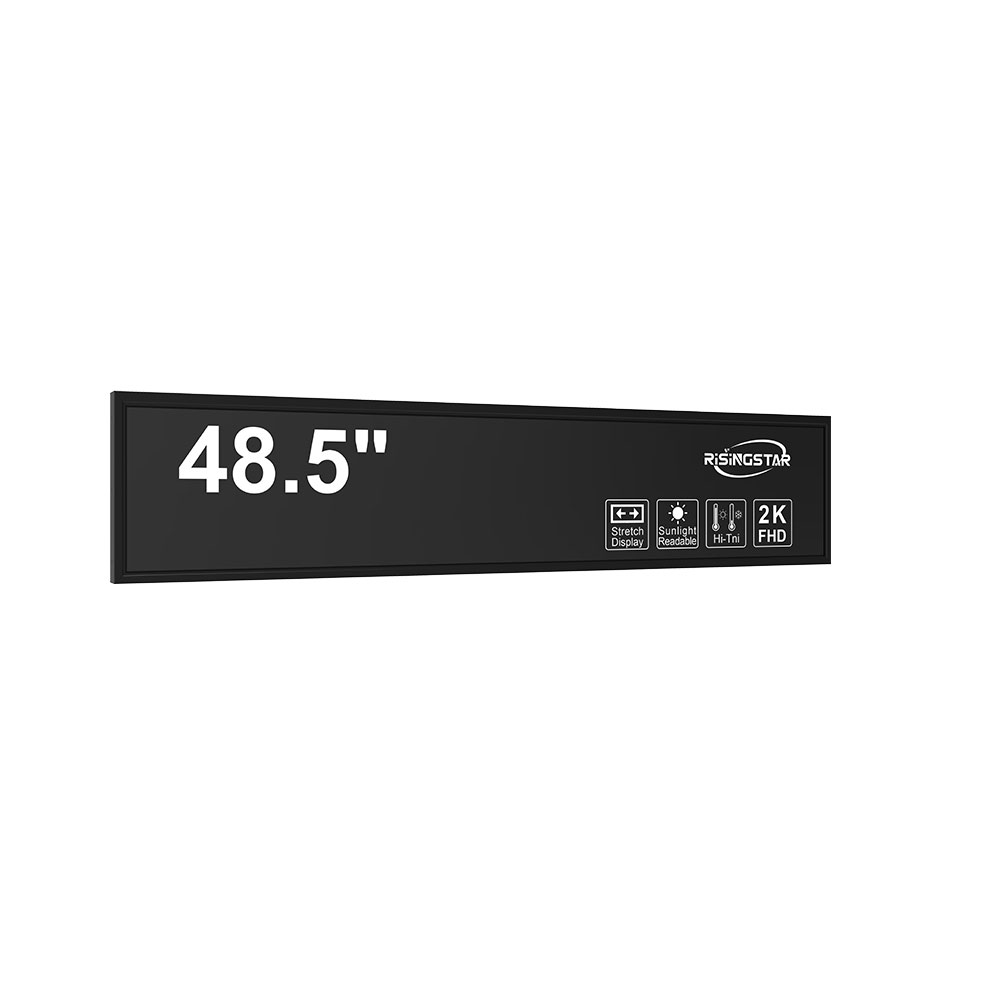
From an engineering perspective, heat dissipation remains a critical challenge. High-brightness LEDs generate significant thermal loads, especially in enclosed or poorly ventilated environments. To mitigate this, manufacturers integrate passive cooling solutions like aluminum heat sinks and active ventilation systems. Thermal management is further enhanced through intelligent power regulation that reduces current draw during idle states—a technique now standard in IP65-rated outdoor enclosures.
Standards compliance is another crucial factor. The International Electrotechnical Commission (IEC) publishes IEC 60068 series standards for environmental testing, while the IEEE and ISO provide guidelines for electromagnetic compatibility (EMC) and mechanical resilience. For instance, ISO 16750-3 outlines vibration and shock resistance requirements for automotive electronics, ensuring that displays remain functional even in rough terrains. Compliance with these standards guarantees long-term reliability in harsh conditions.
Moreover, software integration plays an increasing role in optimizing display performance. Many modern systems include firmware-level brightness calibration tools that allow operators to fine-tune contrast, gamma settings, and white balance according to specific use cases. Open APIs enable seamless integration with existing IT infrastructure, supporting remote diagnostics and automated maintenance scheduling—key for large-scale deployments in smart cities or logistics hubs.
Looking ahead, emerging technologies such as micro-LED and OLED are pushing the boundaries of what is possible in outdoor visibility. While OLEDs offer superior contrast and self-emissive pixels, they still face challenges in achieving the same brightness levels as LED-backlit LCDs. However, ongoing research into stacked emissive layers and improved phosphor materials suggests that future generations may bridge this gap entirely. Meanwhile, hybrid approaches combining LCD and OLED technologies are already being explored for niche markets, such as augmented reality headsets used in construction and aviation.
For businesses considering deployment, several best practices should be followed. First, conduct site-specific lighting assessments using lux meters to determine required brightness levels. Second, prioritize certifications such as IP65 (dust and water resistance), IK10 (impact resistance), and MIL-STD-810G (environmental durability). Third, consider total cost of ownership—not just initial purchase price—by evaluating energy efficiency, maintenance needs, and expected lifespan. Finally, work closely with suppliers who offer technical support, lifecycle management, and customization options tailored to your environment.
In conclusion, high-brightness sunlight-readable LCD screens represent a convergence of optics, materials science, thermal engineering, and software intelligence. Their successful implementation hinges on understanding the unique demands of each application and selecting the right combination of hardware, software, and environmental safeguards. As global urbanization accelerates and digital signage becomes ubiquitous, the demand for robust, reliable, and highly visible displays will continue to grow—making this field one of the most dynamic and impactful areas in modern display technology.