RisingStar
- Home
- About Us
- Products
- News
- Video
- Contact
- Send Inquiry
Search
- Home
- About Us
- Products
- News
- Video
- Contact
- Send Inquiry
RisingStar
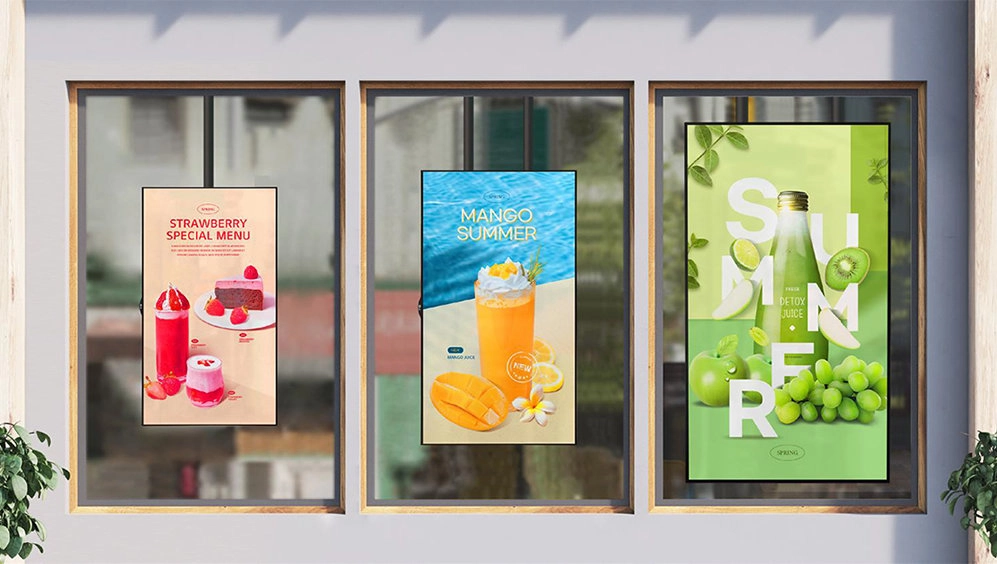
High-brightness sunlight-readable LCD screens are essential in outdoor environments where ambient light levels can exceed 100,000 lux—conditions that would render standard displays unreadable. These specialized displays are engineered to maintain visibility under intense sunlight while optimizing power efficiency, durability, and operational reliability. As industries from defense and transportation to agriculture and retail increasingly rely on real-time data visualization, the demand for robust, high-brightness LCDs continues to grow.
The core challenge in designing such screens lies in balancing luminance output with power consumption. Traditional LCDs typically offer 250–300 cd/m² (candela per square meter), which is insufficient for direct sunlight exposure. In contrast, high-brightness sunlight-readable LCDs must achieve a minimum of 5,000 cd/m², with some military-grade models exceeding 10,000 cd/m². This performance is achieved through a combination of advanced backlighting technologies, polarized filters, and anti-glare coatings. For example, LED-based backlights with diffuser films and reflective layers enhance brightness without increasing energy draw significantly. Additionally, optically bonded panels reduce internal reflections by eliminating air gaps between the display and cover glass—a critical feature for minimizing glare in bright conditions.
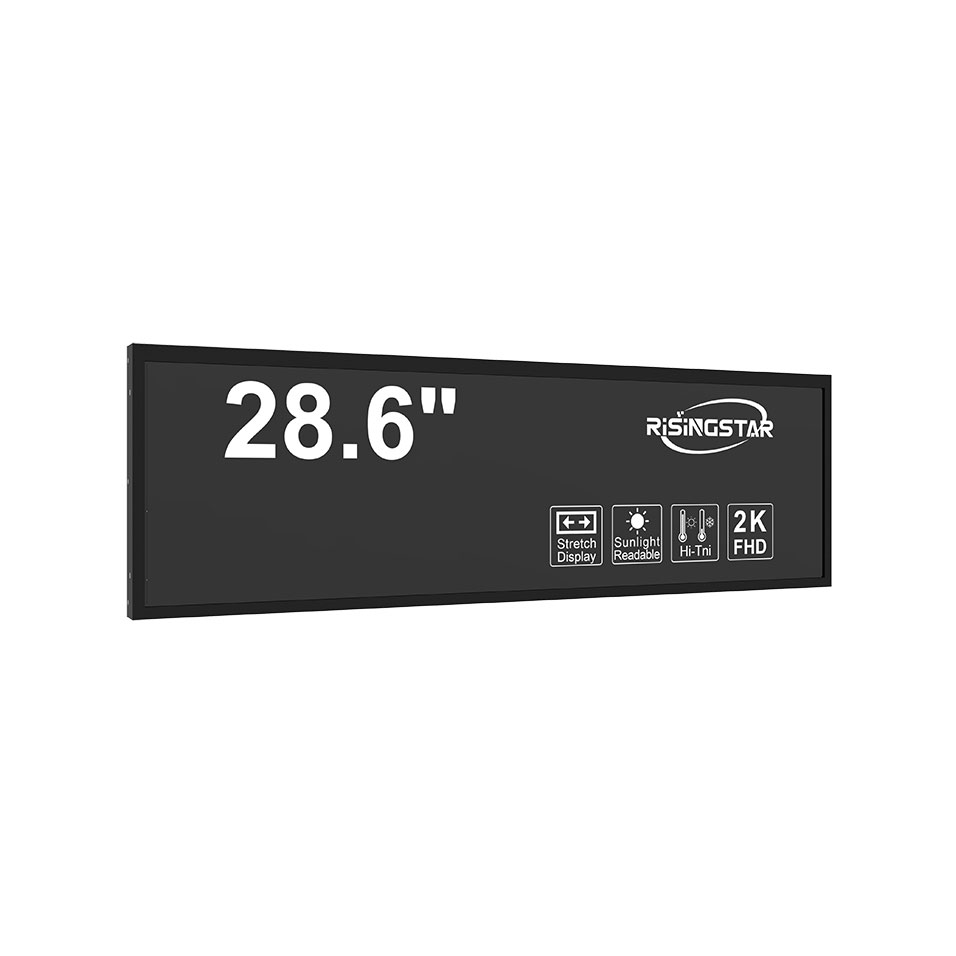
Another key design element is the use of high-transmittance liquid crystal materials and optimized pixel structures. Modern IPS (In-Plane Switching) and VA (Vertical Alignment) panel technologies have been adapted for extreme brightness scenarios. These panels ensure wide viewing angles and consistent color reproduction even when exposed to direct sunlight. Some manufacturers now incorporate automatic brightness adjustment algorithms powered by ambient light sensors, allowing the screen to dynamically adapt its output based on environmental lighting changes—an important feature for battery-powered devices such as handheld field equipment or mobile command units.
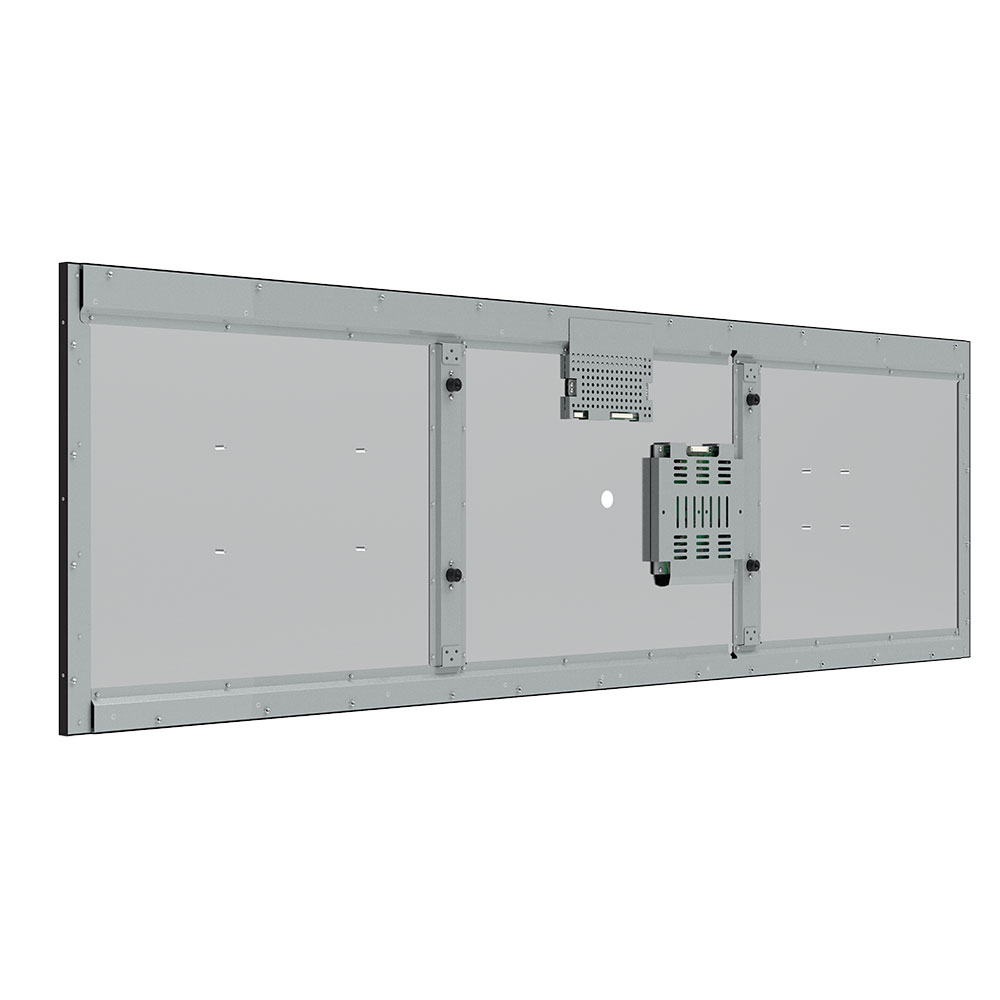
Manufacturers like Sharp, LG Display, and Sony have developed proprietary solutions such as Sharp’s “Sunlight Readable” technology and LG’s “Ultra Brightness” mode, both of which integrate hardware-level optimizations with firmware-based adaptive controls. These innovations not only improve readability but also extend device lifespan by reducing thermal stress on components. For instance, thermal management systems using passive heat sinks and active cooling (in high-end models) prevent overheating, ensuring long-term stability in harsh environments—from desert deserts to arctic tundras.
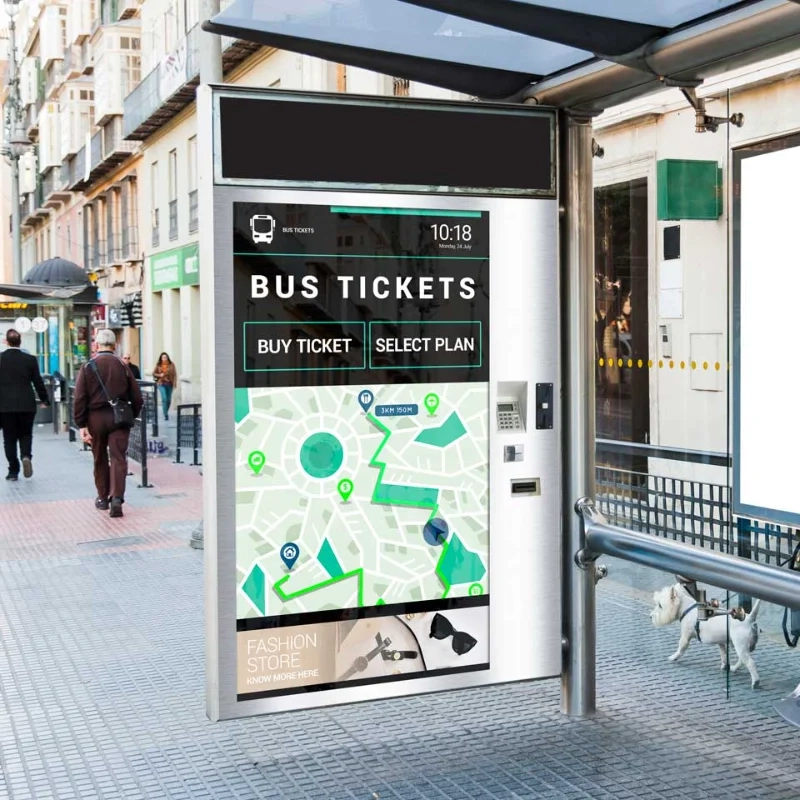
Case studies highlight real-world applications. In the U.S. Department of Defense, ruggedized tablets equipped with 7,000+ cd/m² sunlight-readable displays are used in forward operating bases, where visibility during combat operations is mission-critical. Similarly, in the agricultural sector, farmers use solar-powered LCD terminals displaying GPS maps and weather data, often in full sun conditions for hours at a time. These examples demonstrate how high-brightness LCDs are not just a convenience but a necessity in modern industrial workflows.
Moreover, compliance with international standards ensures product quality and interoperability. The MIL-STD-810G certification, for example, validates durability against shock, vibration, temperature extremes, and humidity—common challenges in outdoor deployments. ISO 9241-31 and EN 60068-2-1 provide guidelines for human factors and environmental testing, respectively, reinforcing the importance of user-centered design in these displays.
In conclusion, the engineering of high-brightness sunlight-readable LCDs involves a multidisciplinary approach integrating optical physics, materials science, electronics, and human-computer interaction. As global markets expand into more extreme climates and as IoT devices proliferate in outdoor settings, continued innovation in this space will drive smarter, more resilient digital interfaces for tomorrow's connected world.