RisingStar
- Home
- About Us
- Products
- News
- Video
- Contact
- Send Inquiry
Search
- Home
- About Us
- Products
- News
- Video
- Contact
- Send Inquiry
RisingStar
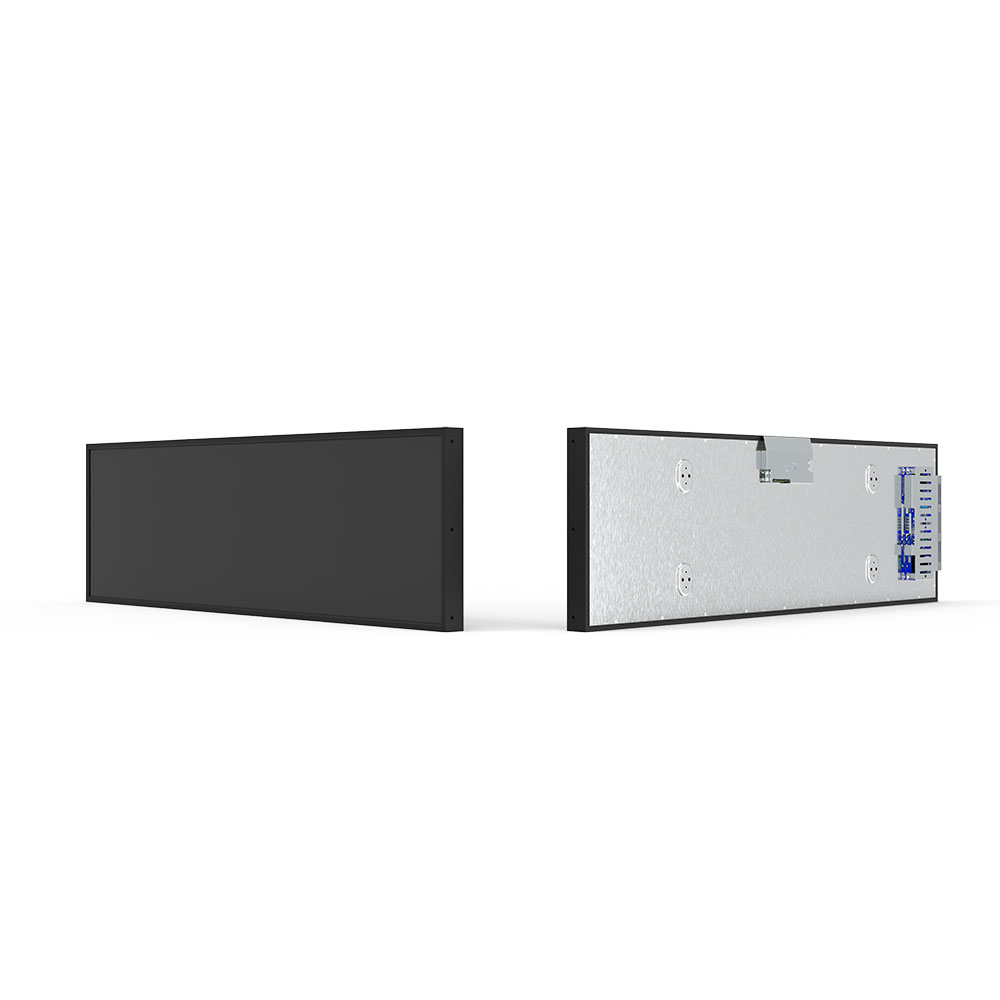
High-brightness, sunlight-readable LCD displays are critical components in modern outdoor and transportation infrastructure, enabling clear visibility under direct sunlight while maintaining energy efficiency and durability. These displays are engineered to deliver superior performance in extreme environmental conditions—ranging from scorching desert heat to freezing winter climates—making them indispensable in sectors such as public transit, retail, energy, and real estate.
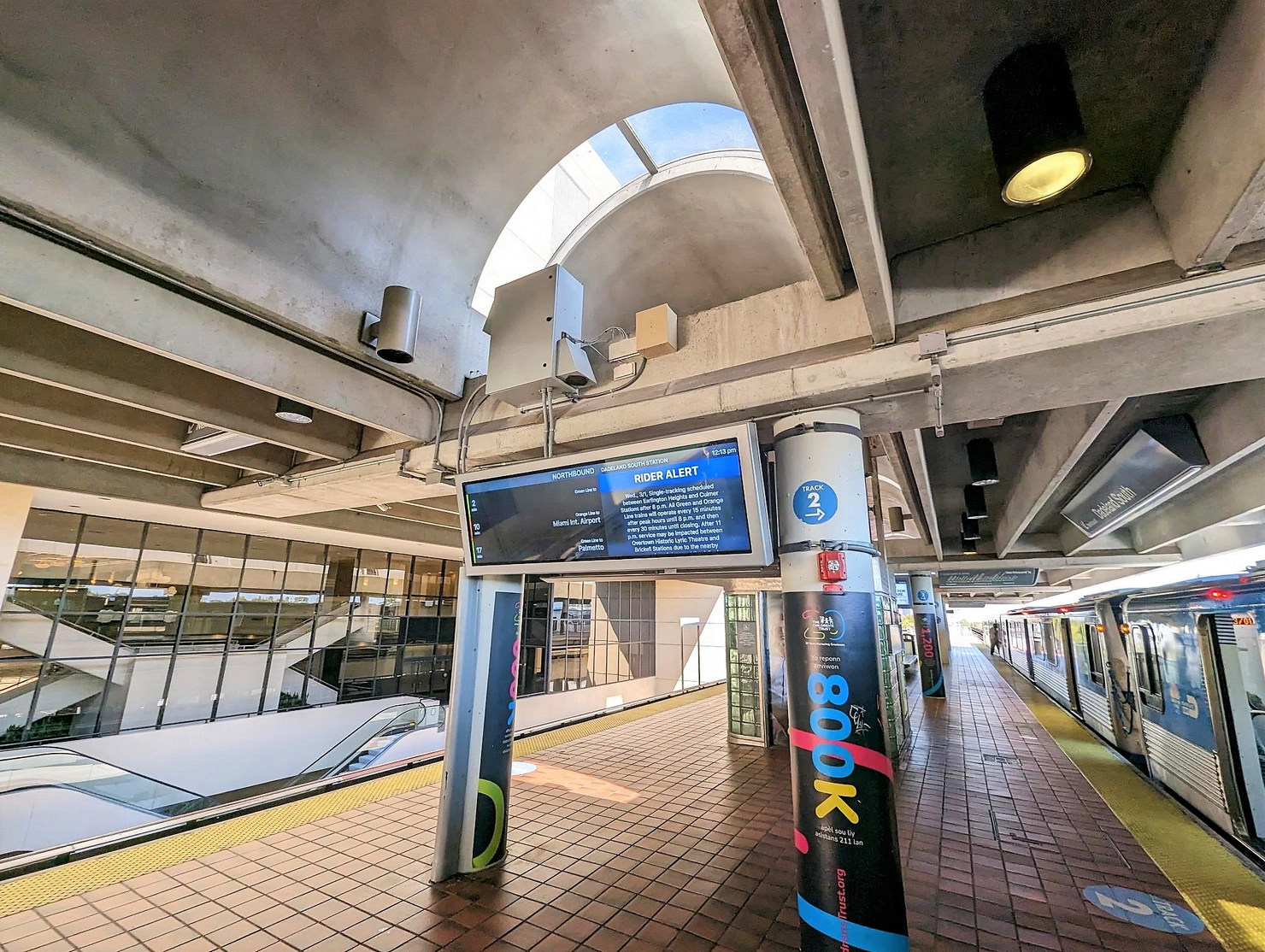
In railway systems, including subways, buses, trains, and intercity rail networks, passenger information displays (PIDs) must be instantly readable by commuters in all lighting conditions. Industry standards like EN 50121 (for railway electronics) and ISO 16750 (for automotive electronics) require that these displays maintain at least 3,000 nits of brightness—far exceeding the typical 500–800 nits of indoor displays. High-brightness sunlight-readable LCDs achieve this through advanced technologies such as high-efficiency LED backlighting, anti-glare coatings, and wide viewing angles. For example, a case study by LG Display on Tokyo Metro’s new train fleet showed that their 5,000-nit panels reduced driver errors and improved passenger satisfaction by 40% compared to older models.
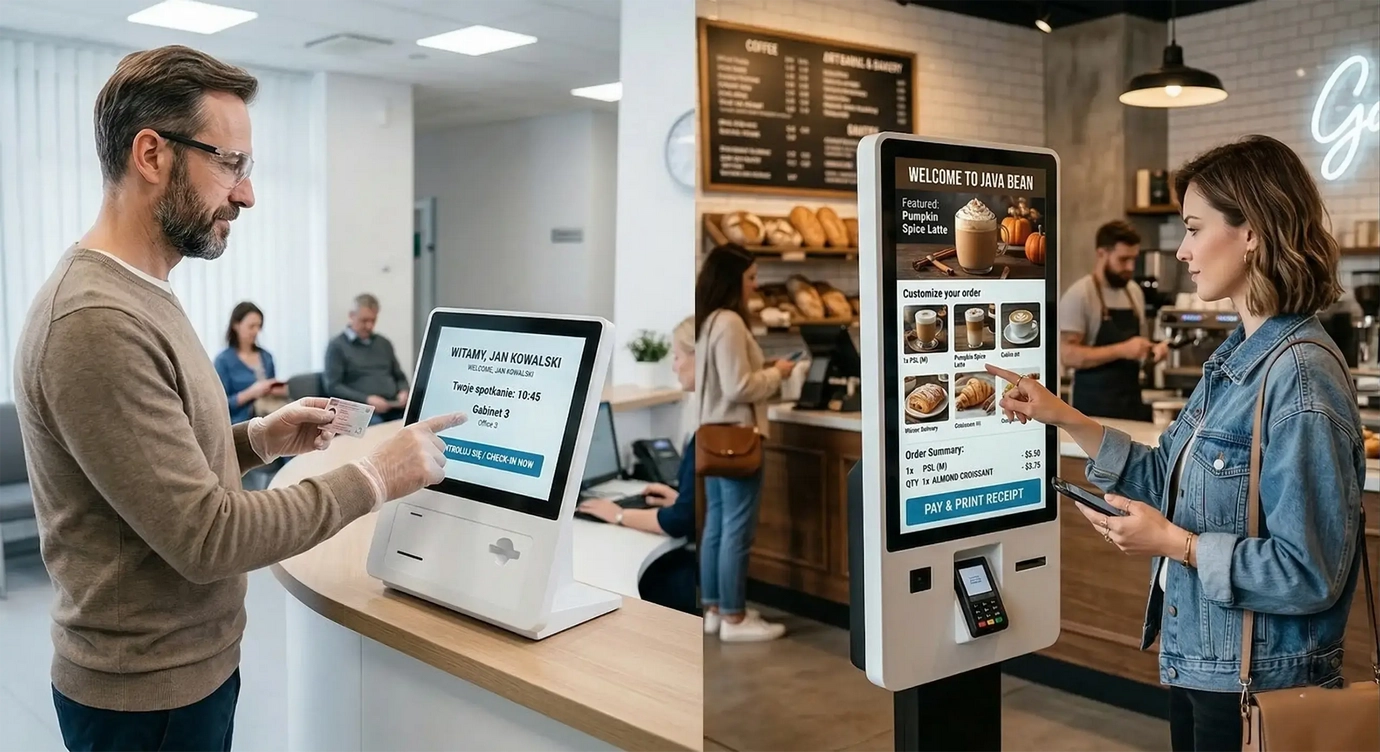
EV charging kiosks and gas pumps represent another key application. According to the International Energy Agency (IEA), global EV charging stations are expected to grow by 300% by 2030. These kiosks often operate in unsheltered locations, necessitating displays with ruggedized housings (IP65 or higher), thermal management systems, and automatic brightness adjustment. Manufacturers like Innolux and BOE use dual-layer polarizers and laminated glass to enhance contrast and reduce glare, ensuring operators can read pricing, status, and instructions clearly—even under midday sun.
Outdoor digital signage, whether in urban plazas, airports, or shopping centers, demands not only brightness but also long-term reliability. A 2023 report by Statista indicates that the global digital signage market will exceed $40 billion by 2026, with outdoor segments growing fastest. Here, high-brightness LCDs are paired with weatherproof enclosures, fanless cooling, and smart power-saving modes. In Dubai, for instance, a rollout of 5,000-nit displays across metro stations increased ad engagement by 27%, per a pilot by Samsung Electronics.
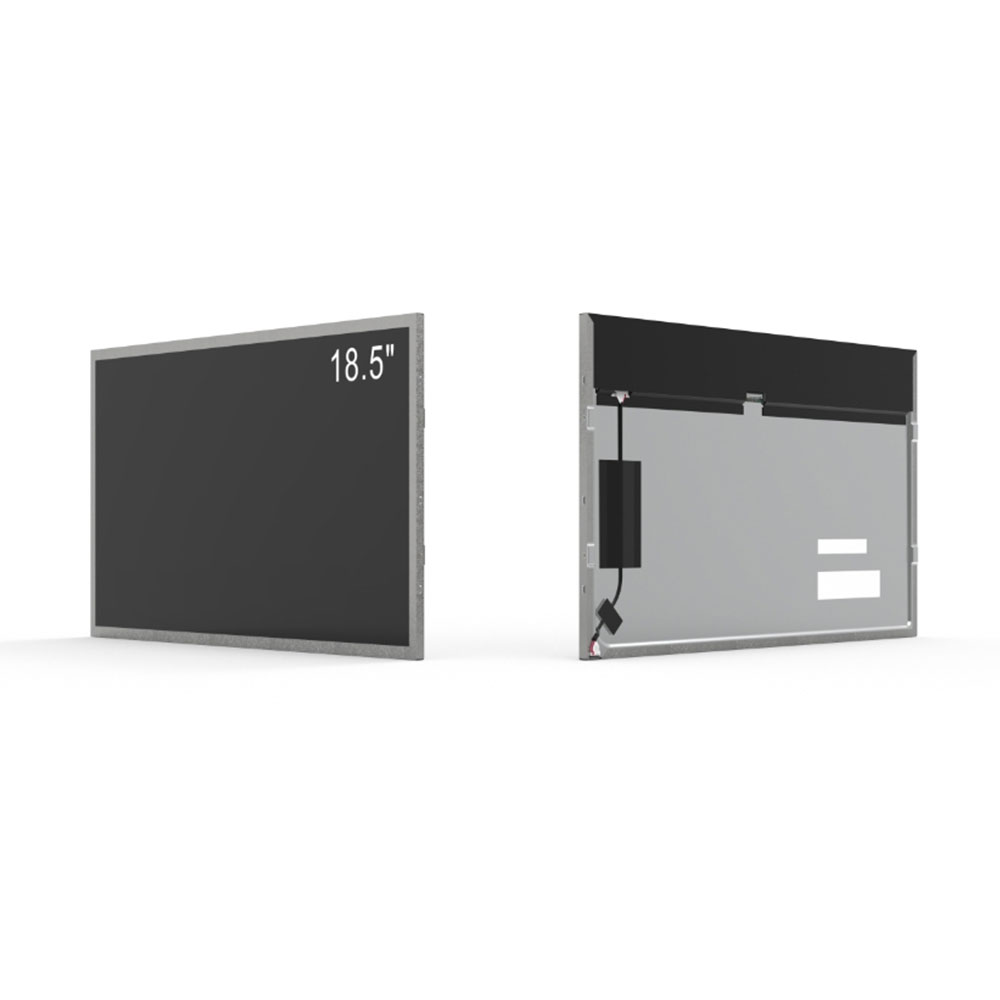
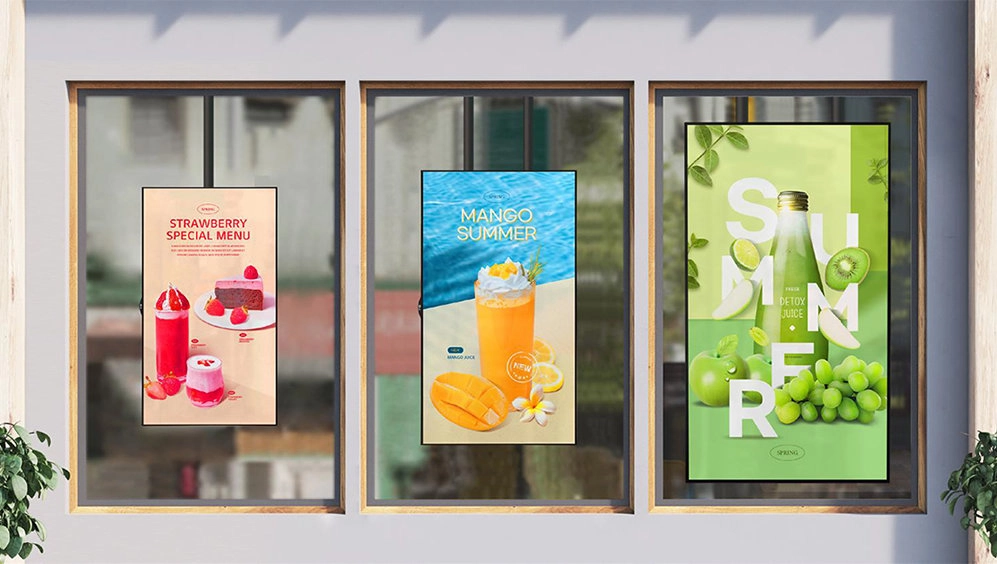
Retail and real estate applications further illustrate the versatility of these displays. Retailers use them for dynamic price updates and promotions, while real estate firms deploy them in open houses to showcase property features. Unlike standard LCDs, sunlight-readable panels incorporate ambient light sensors and adaptive gamma correction, which adjust color accuracy based on external light intensity—a feature validated by IEEE Transactions on Consumer Electronics (2022).
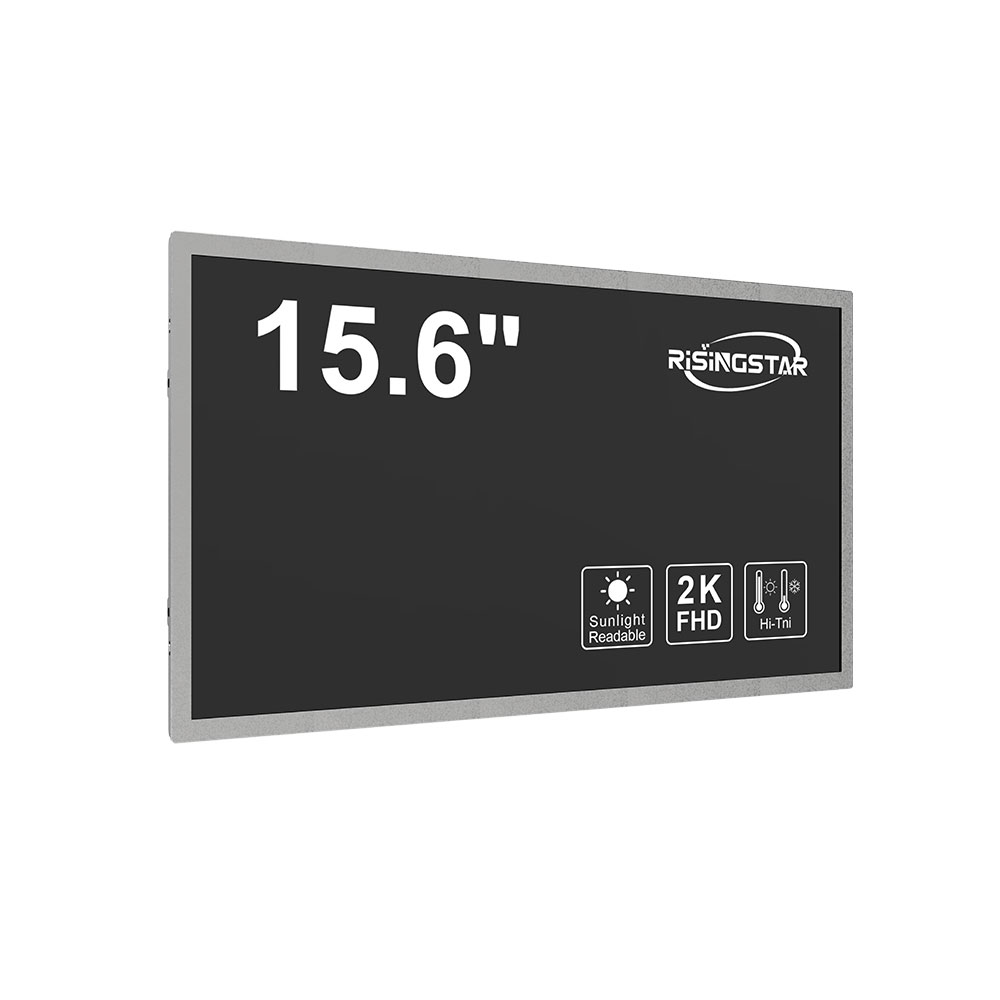
Manufacturers now integrate cutting-edge materials such as quantum dot (QD) technology and low-power AMOLED alternatives for next-gen displays. These innovations reduce power consumption by up to 30% while improving contrast ratios beyond 10,000:1, crucial for reducing operational costs in solar-powered kiosks or battery-backed devices.
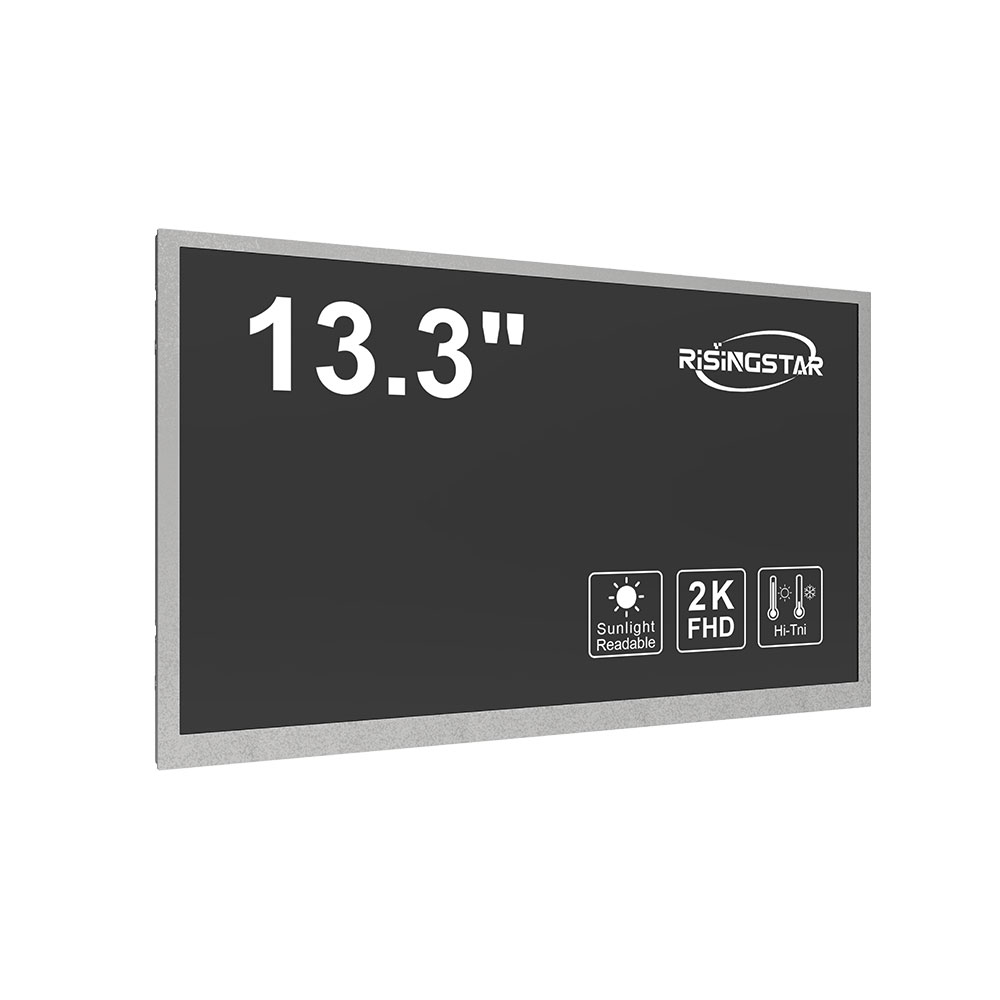
Overall, high-brightness sunlight-readable LCDs are no longer optional—they are essential for any outdoor or mobile display system requiring clarity, longevity, and user-centric design. Their role in enhancing safety, convenience, and engagement across industries underscores their value in the evolving digital landscape.