RisingStar
- Home
- About Us
- Products
- News
- Video
- Contact
- Send Inquiry
Search
- Home
- About Us
- Products
- News
- Video
- Contact
- Send Inquiry
RisingStar
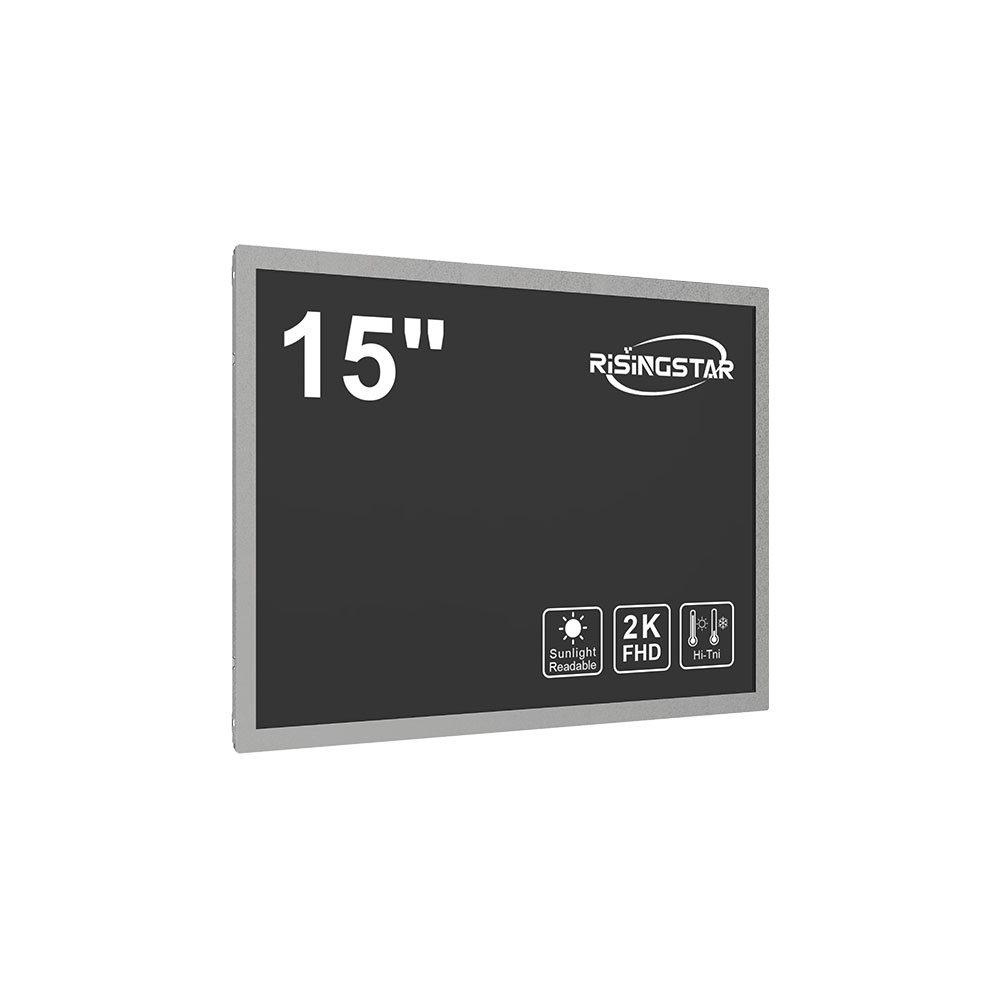
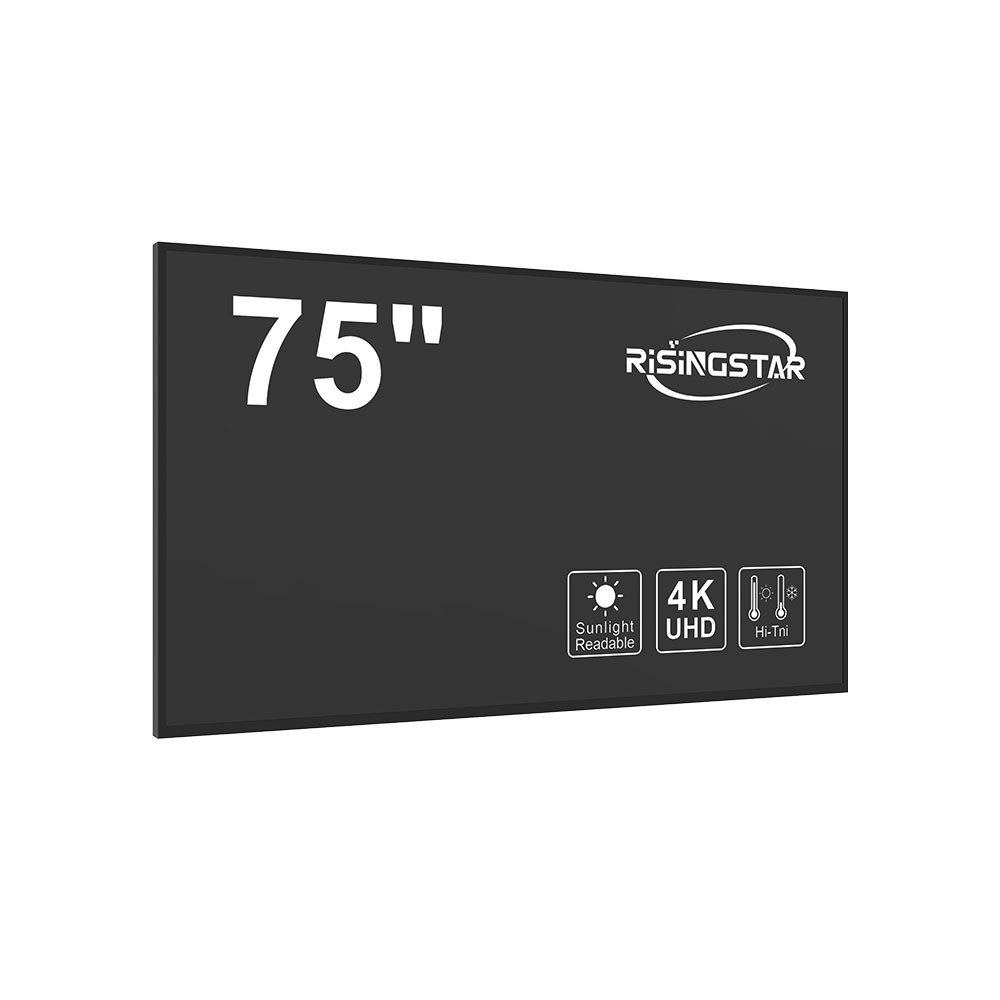
High-brightness sunlight-readable LCD displays are critical components in modern outdoor applications where visibility under direct sunlight is essential. These displays, often exceeding 5,000 nits of brightness, are engineered to maintain clarity and contrast even in extreme lighting conditions—such as those found on military vehicles, construction equipment, industrial control panels, and public transportation systems. The technology behind these screens combines advanced backlighting (typically LED-based), anti-glare coatings, polarization filters, and high-contrast liquid crystal materials to ensure optimal readability in bright environments.
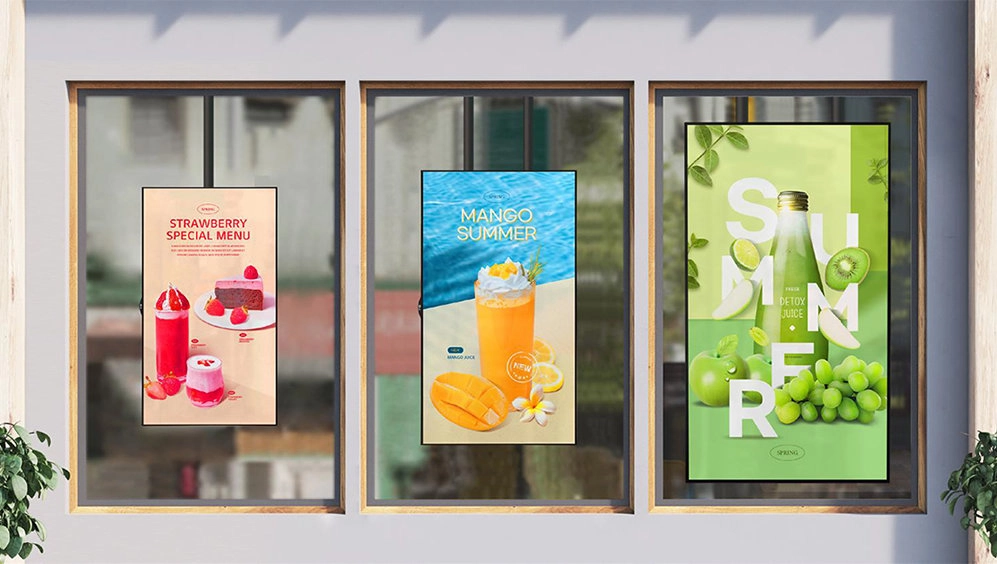
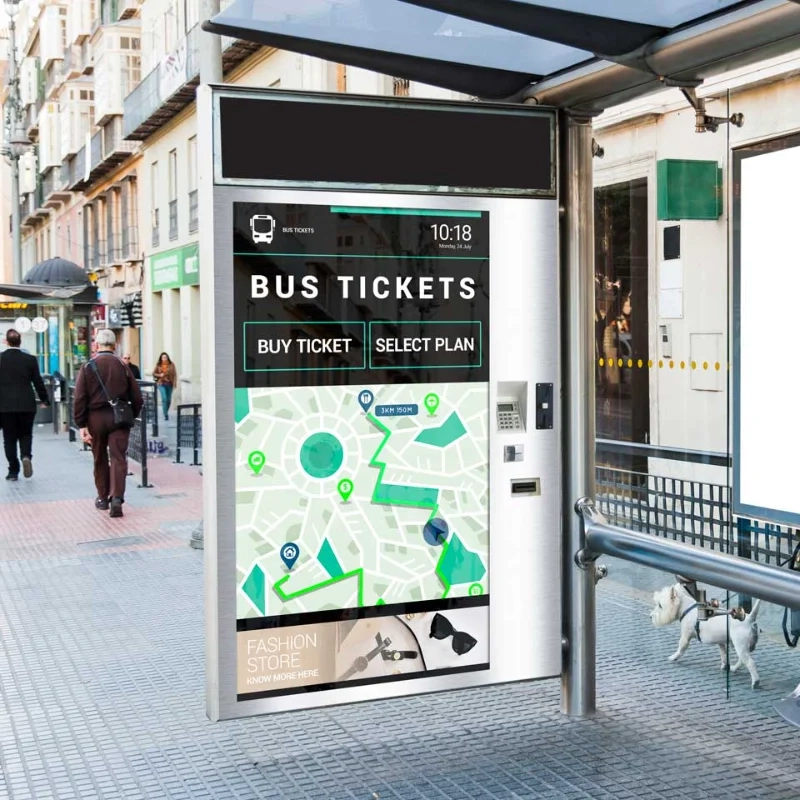
One of the most significant practical applications is in defense and aerospace sectors. For instance, U.S. Department of Defense contracts frequently specify sunlight-readable displays for avionics and ground command systems, where misreading data due to glare could lead to mission failure or safety risks. Similarly, in smart city infrastructure, such as traffic signal monitoring systems and digital signage, these displays provide consistent information delivery during peak sunlight hours without requiring user intervention or manual adjustments.
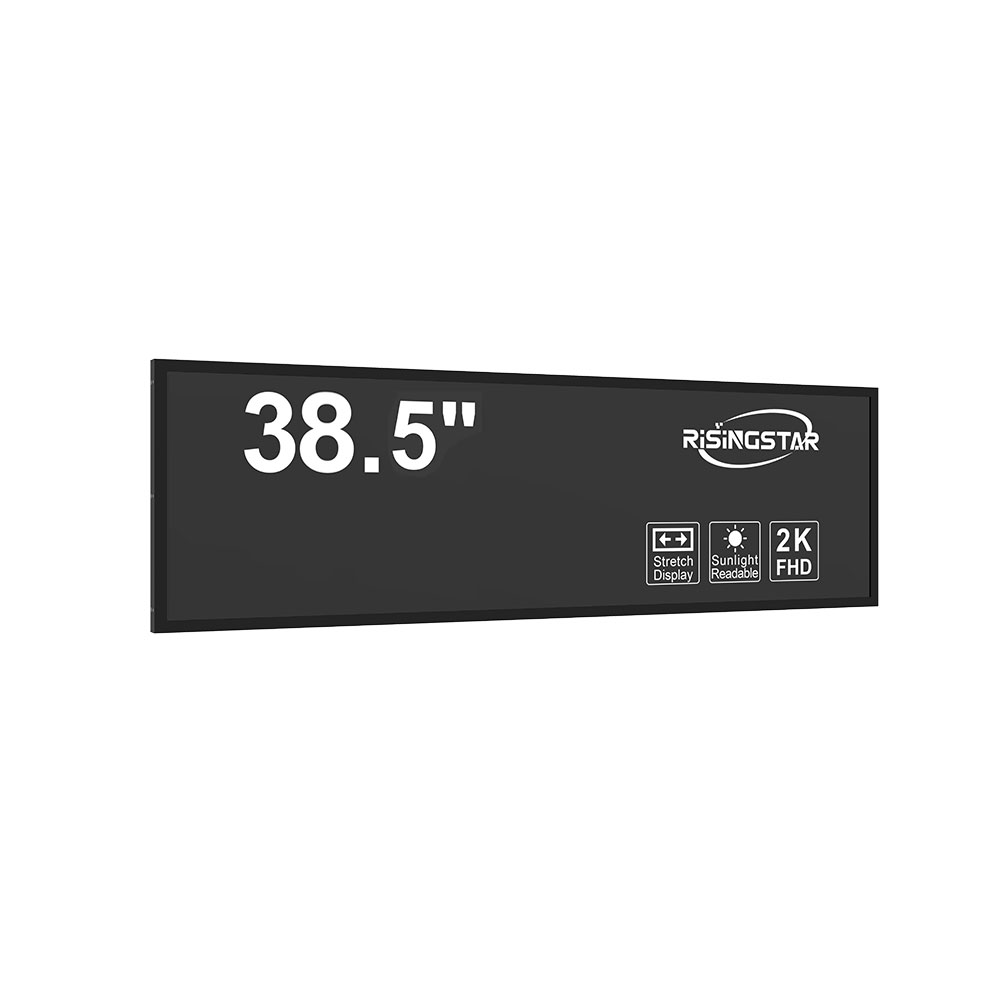
The advantages of high-brightness sunlight-readable LCDs include superior power efficiency compared to OLEDs in outdoor settings, longer operational lifespans (often exceeding 50,000 hours), and compatibility with ruggedized enclosures that meet IP65 or higher ingress protection standards. Additionally, they support wide operating temperature ranges—from -30°C to +70°C—making them ideal for use in arctic logistics or desert-based mining operations.
However, common problems persist. One major issue is thermal management; high-brightness LEDs generate significant heat, which can degrade performance over time if not properly dissipated. Engineers must integrate passive cooling solutions like aluminum heatsinks or active ventilation systems tailored to specific environmental constraints. Another challenge lies in maintaining uniform brightness across the screen surface—a problem known as "hotspotting"—which manufacturers address through sophisticated optical film stacking and diffuser designs.
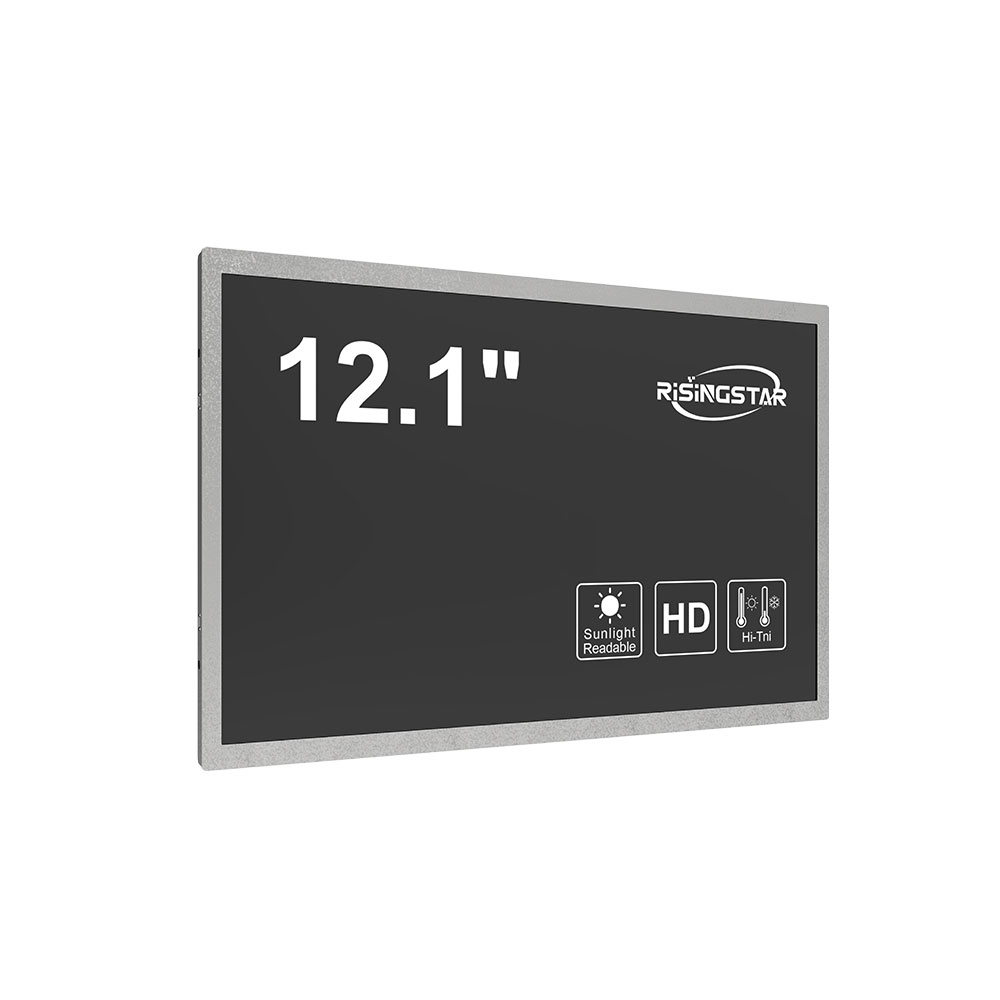
Recent trends show a shift toward hybrid technologies combining LCD with local dimming zones and AI-driven brightness adjustment algorithms. For example, companies like Sharp and LG Display have introduced adaptive LCDs that dynamically adjust luminance based on ambient light sensors and content complexity, reducing power consumption by up to 30% while preserving readability. Moreover, mini-LED backlights are now replacing traditional CCFLs and standard LEDs in premium models, offering better contrast ratios and localized brightness control.
Industry standards such as MIL-STD-810G (for military durability) and ISO 16750 (for automotive environments) guide design practices, ensuring reliability under vibration, shock, humidity, and temperature extremes. Case studies from the automotive sector, including Tesla’s dashboard display upgrades, highlight how these screens enable safer driver interaction in bright daylight conditions without compromising aesthetic design.
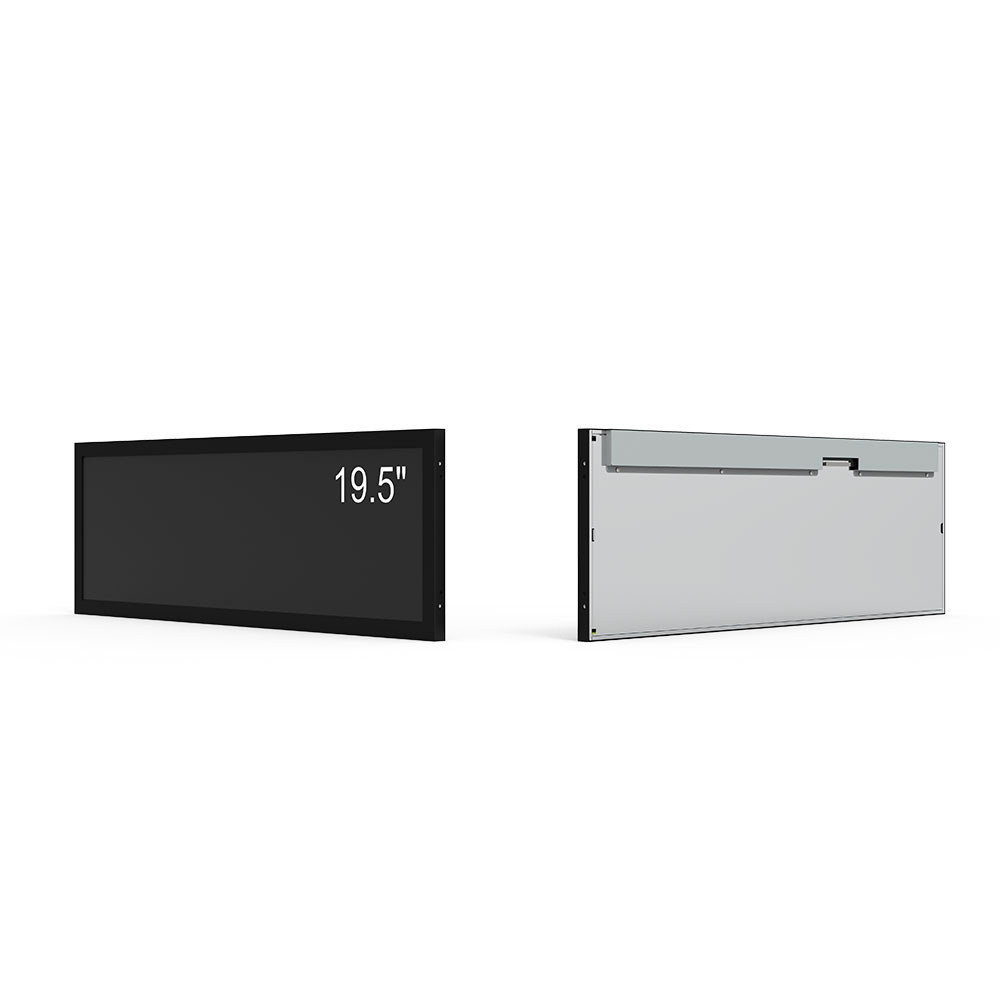
In summary, high-brightness sunlight-readable LCDs are no longer niche products—they are essential tools for industries demanding reliable visual communication in challenging outdoor conditions. As technological innovation continues, their integration into autonomous systems, IoT devices, and mobile workstations will only expand, driven by evolving global standards and increasing demand for energy-efficient, robust, and human-centric interfaces.