RisingStar
- Home
- About Us
- Products
- News
- Video
- Contact
- Send Inquiry
Search
- Home
- About Us
- Products
- News
- Video
- Contact
- Send Inquiry
RisingStar
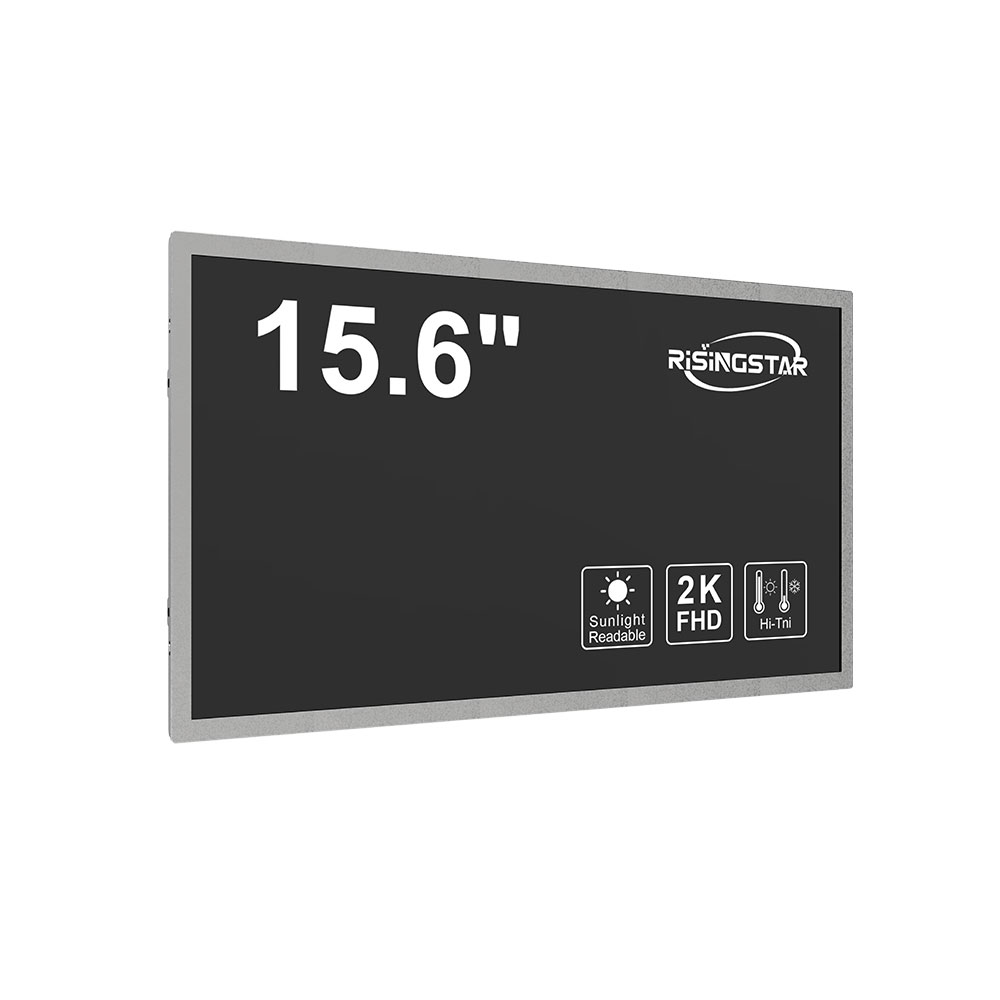
High-brightness sunlight-readable LCD screens have become indispensable in modern outdoor and industrial applications where visibility under direct sunlight is critical. These displays are engineered to deliver exceptional clarity, contrast, and color accuracy even under extreme lighting conditions—such as bright daylight, high ambient temperatures, and harsh environmental factors like dust, moisture, and vibration. According to the International Electrotechnical Commission (IEC), a standard sunlight-readable display must achieve at least 5,000 nits of brightness to remain legible in full sunlight, which is approximately 10 times brighter than typical indoor LCDs (usually 300–500 nits).
The core technology behind these displays involves several key innovations. First, advanced backlighting systems such as LED arrays with high-efficiency phosphors or micro-LEDs provide uniform illumination across the entire panel, minimizing glare and enhancing brightness. Second, anti-reflective coatings and polarized filters reduce surface reflections, often using multi-layer optical films that can lower reflectance to less than 2%. Third, intelligent automatic brightness control (ABC) adjusts luminance dynamically based on ambient light sensors—optimizing power consumption while maintaining readability.
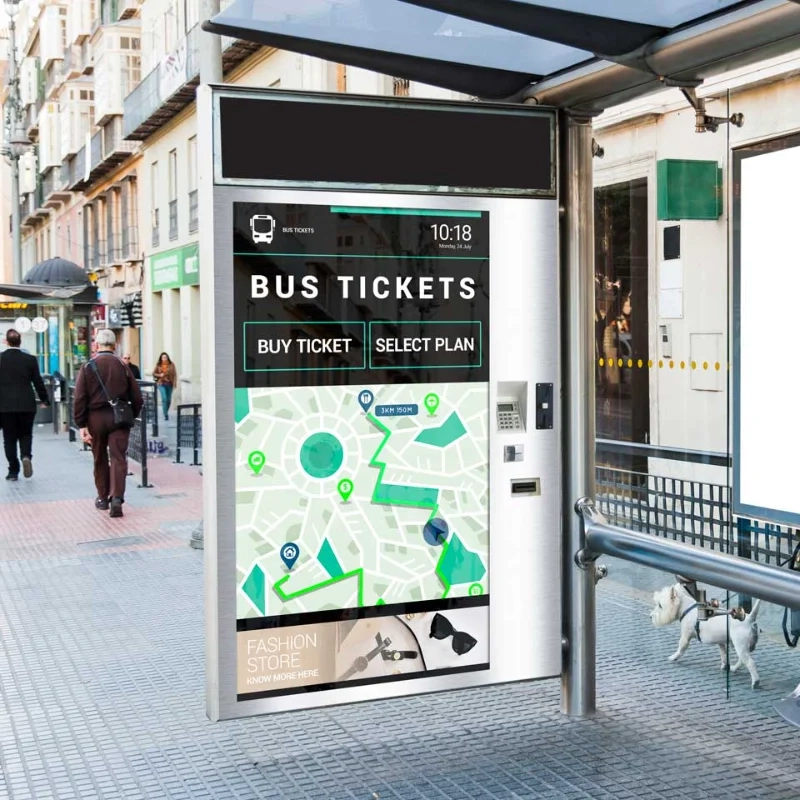
Case studies from defense, transportation, and retail sectors illustrate their effectiveness. For example, the U.S. Department of Defense has adopted sunlight-readable LCDs in military vehicles and field communication devices because they maintain performance in battlefield conditions exceeding 8,000 nits of ambient light. Similarly, public transit systems in cities like Tokyo and Singapore use these screens in bus stop information kiosks, ensuring clear text and graphics despite constant exposure to sun and rain. In retail environments, such as outdoor advertising displays in Times Square, New York, high-brightness LCDs ensure consistent visual impact during peak daylight hours.
Manufacturers like Sharp, LG Display, and AU Optronics have led the development of this technology by integrating OLED-on-LCD hybrid designs, which combine the wide color gamut of OLED with the durability and brightness of traditional LCDs. Industry standards such as MIL-STD-810G for ruggedness and IEC 60068 for environmental stress testing ensure reliability in demanding settings. Furthermore, recent advancements in liquid crystal materials, such as high-transmittance TN (Twisted Nematic) and IPS (In-Plane Switching) panels with improved response times, contribute to faster refresh rates and reduced motion blur—critical for dynamic content like live video feeds.
As global demand for outdoor digital signage, IoT devices, and smart infrastructure grows, high-brightness sunlight-readable LCDs will continue to evolve. Future trends include AI-driven brightness optimization, integration with solar power solutions for energy efficiency, and the use of nanostructured glass to further enhance durability and reduce weight. With ongoing R&D and compliance with international standards, these displays remain a trusted solution for mission-critical outdoor applications worldwide.