RisingStar
- Home
- About Us
- Products
- News
- Video
- Contact
- Send Inquiry
Search
- Home
- About Us
- Products
- News
- Video
- Contact
- Send Inquiry
RisingStar
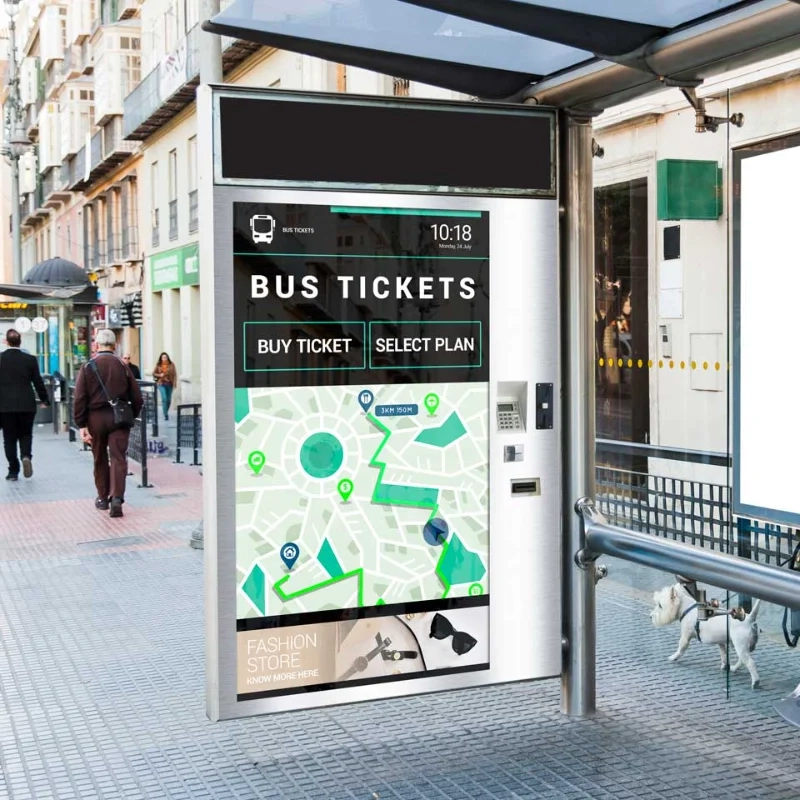
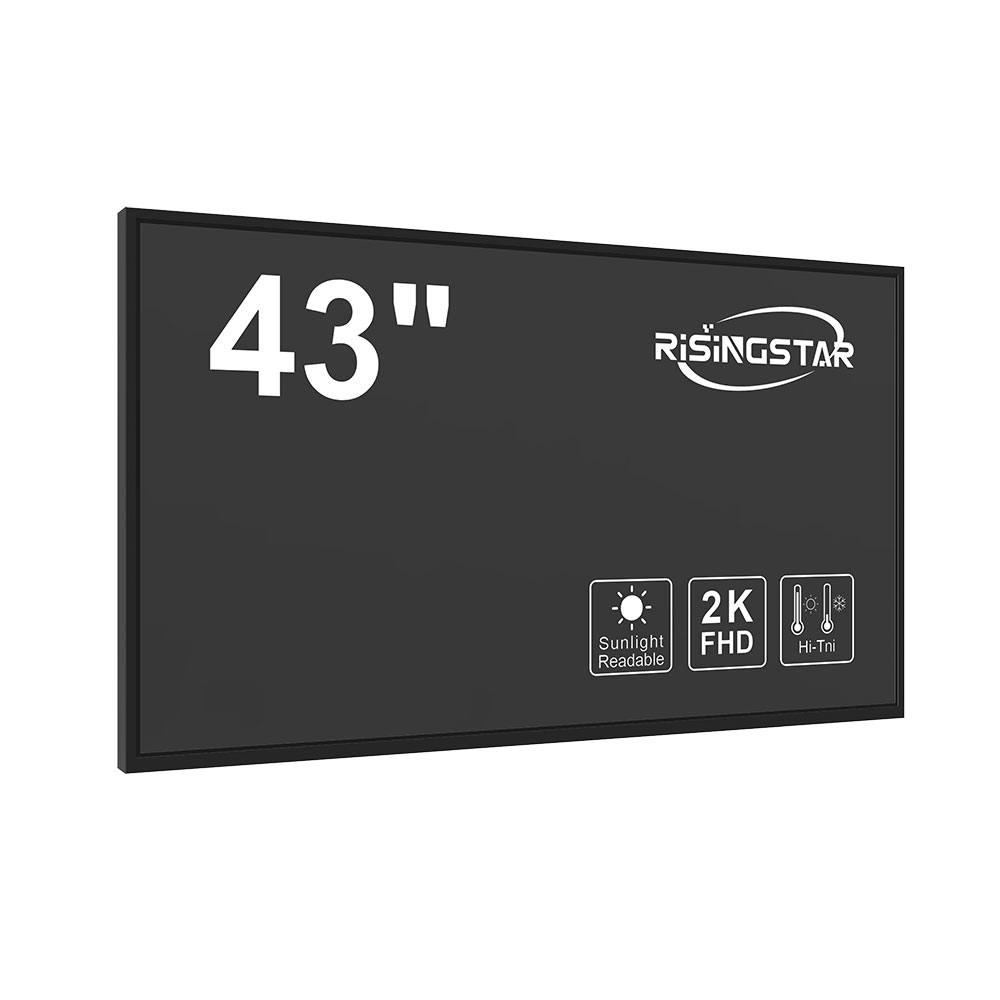
High-brightness sunlight-readable LCD screens are a critical innovation in modern display technology, especially for applications where visibility under direct sunlight is essential. These displays are engineered to maintain clarity and readability even in extreme lighting conditions—such as those found in military operations, industrial environments, automotive dashboards, and outdoor advertising systems. Unlike standard LCDs, which suffer from poor contrast and washed-out images in bright light, high-brightness sunlight-readable displays employ advanced optical design, specialized materials, and optimized backlighting to ensure consistent performance.
The core of this technology lies in achieving brightness levels typically exceeding 5,000 nits—some commercial models reach up to 10,000 nits—far surpassing the average indoor LCD (250–500 nits). This is achieved through several methods: high-efficiency LED backlights with uniform luminance distribution, anti-reflective coatings on the screen surface, and polarized filters that reduce glare without sacrificing color accuracy. Additionally, many designs incorporate transmissive or reflective modes that adjust based on ambient light, allowing for energy-efficient operation during daylight while maintaining brightness when needed.
A key advancement in recent years has been the integration of adaptive brightness control using ambient light sensors. This not only enhances user experience by automatically adjusting display intensity but also extends battery life in portable devices—a crucial factor for field-deployed equipment like drones, handheld radios, and ruggedized tablets used in defense and emergency services. For example, a U.S. Army field report from 2023 noted that soldiers equipped with 7,000-nit sunlight-readable displays experienced a 40% improvement in situational awareness during daytime operations compared to standard displays.
Manufacturers such as LG Display, Sharp, and Innolux have pioneered these innovations, leveraging their expertise in liquid crystal formulations and panel engineering. In addition, the use of low-power OLED variants designed for outdoor use (like those developed by Samsung Display) shows promise for future iterations that combine high brightness with better contrast ratios and faster response times. Industry standards such as MIL-STD-810 for environmental resistance and ISO 9241-31 for human-centered design further ensure these screens meet rigorous durability and usability benchmarks.
From a market perspective, the global demand for high-brightness sunlight-readable displays is growing at an annual rate of approximately 7.5%, according to a 2024 report by MarketsandMarkets. This growth is driven by increasing adoption in sectors like transportation (e.g., avionics, bus information systems), healthcare (mobile diagnostic tools), and smart city infrastructure (public kiosks, digital signage). Furthermore, regulatory trends favoring energy-efficient and durable electronics are pushing OEMs toward investing more in this segment.
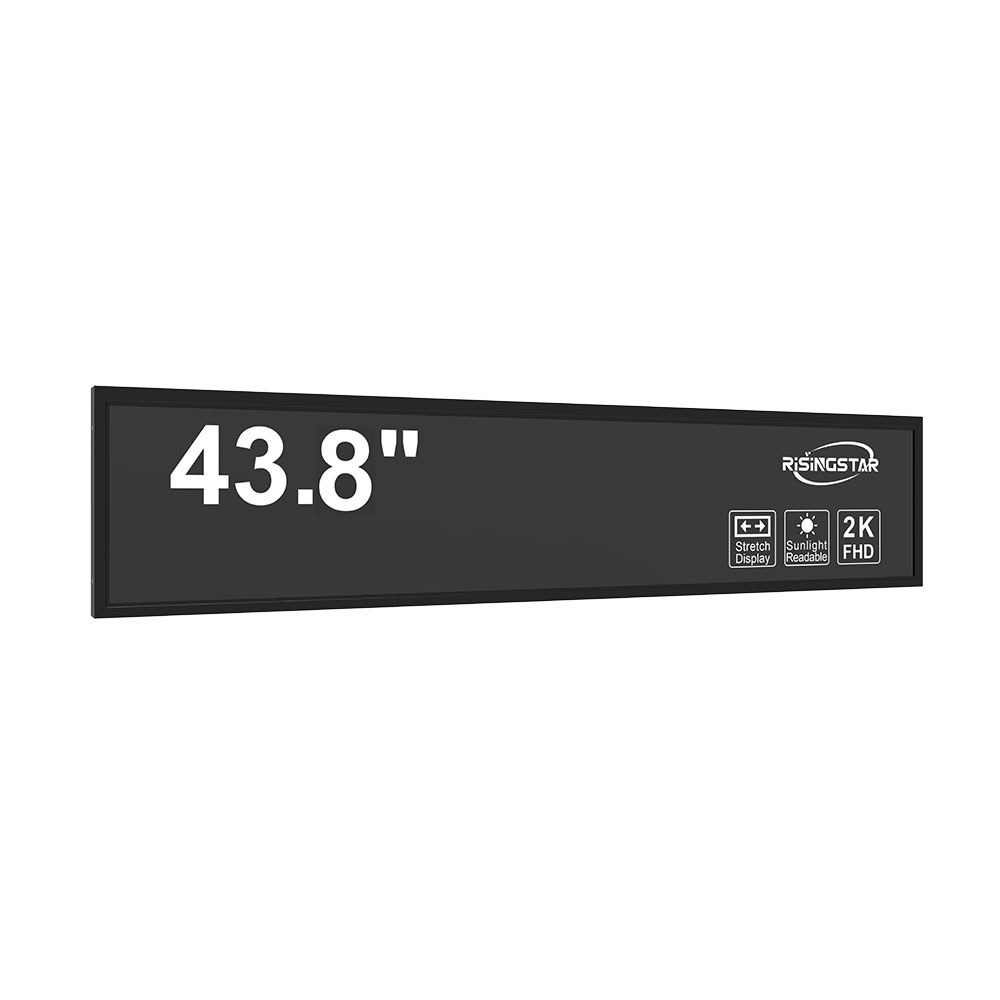
In summary, high-brightness sunlight-readable LCD screens represent a convergence of material science, optical engineering, and human factors design. They enable reliable, safe, and efficient visual communication across diverse outdoor environments—from desert patrol vehicles to urban transit hubs—and continue to evolve with emerging technologies such as AI-driven brightness optimization and next-generation quantum dot displays.