 RisingStar
- Home
- About Us
- Products
- News
- Video
- Contact
- Send Inquiry
Search
- Home
- About Us
- Products
- News
- Video
- Contact
- Send Inquiry
RisingStar
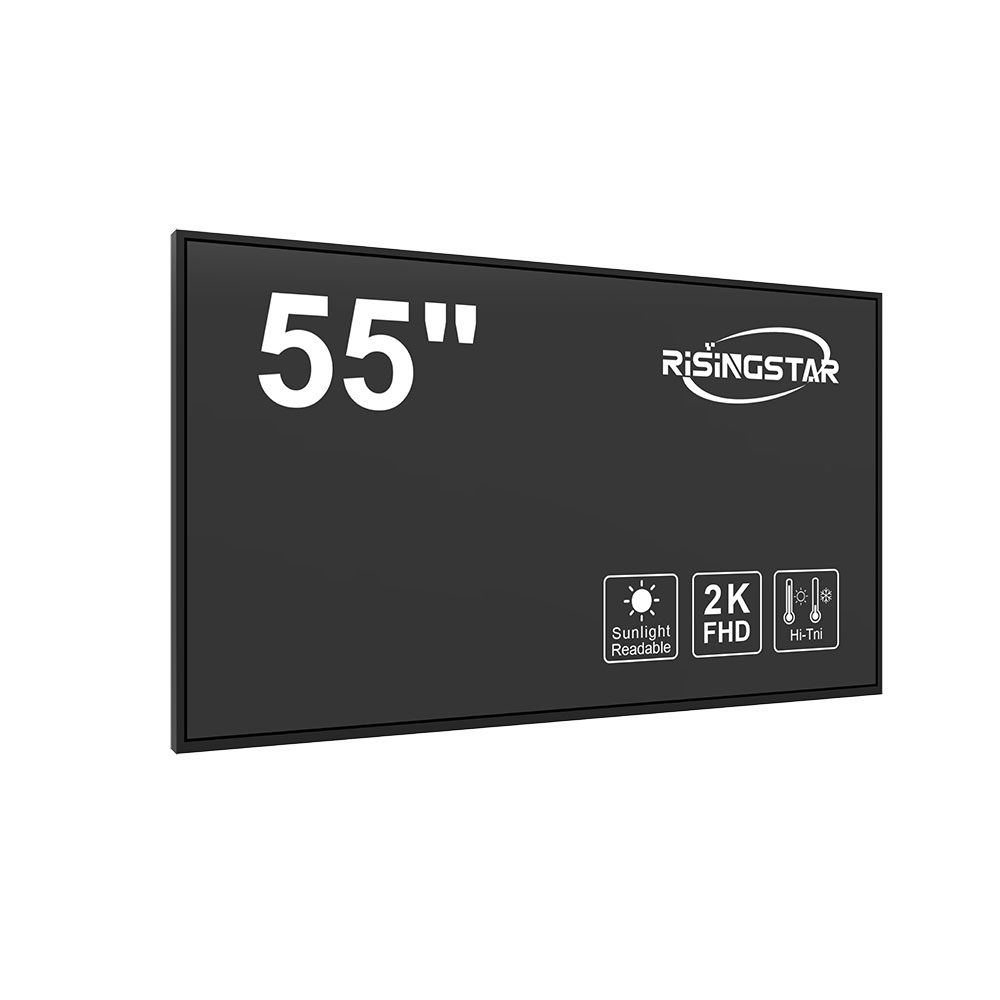
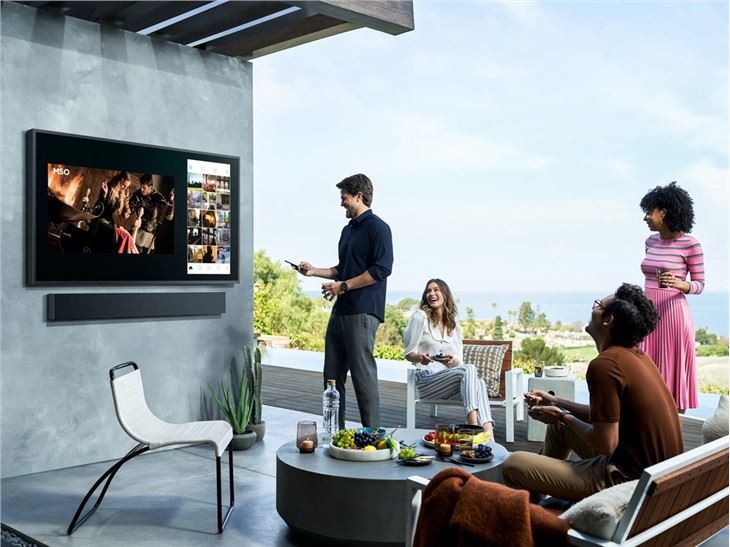
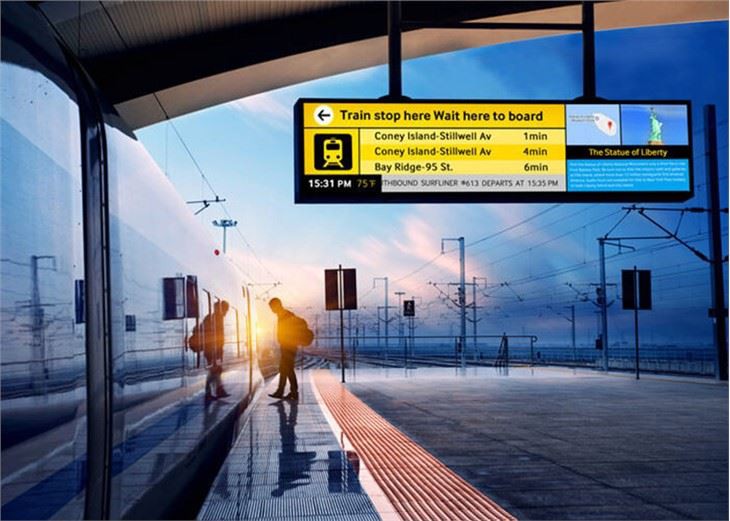
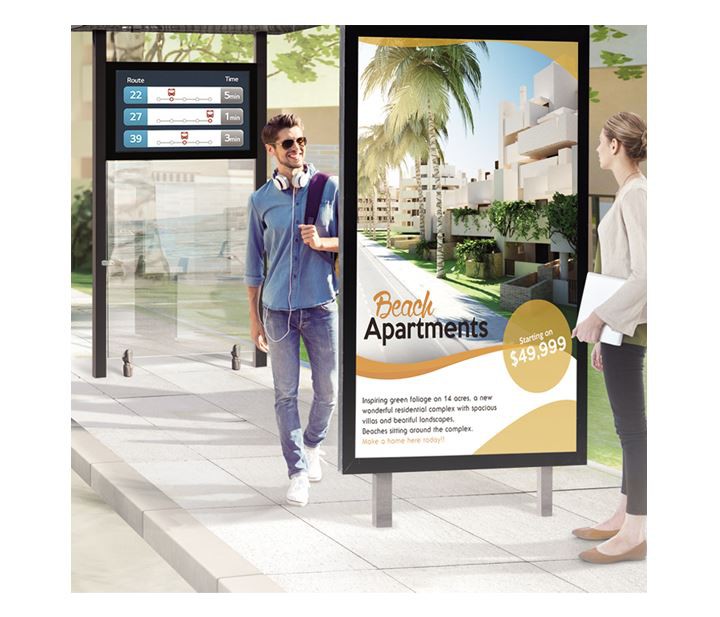
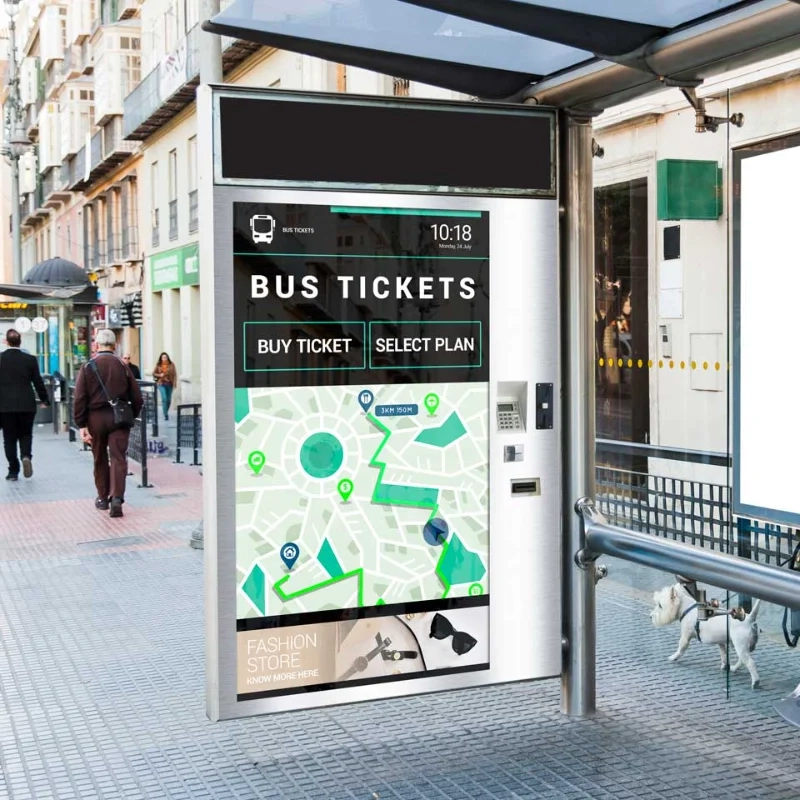
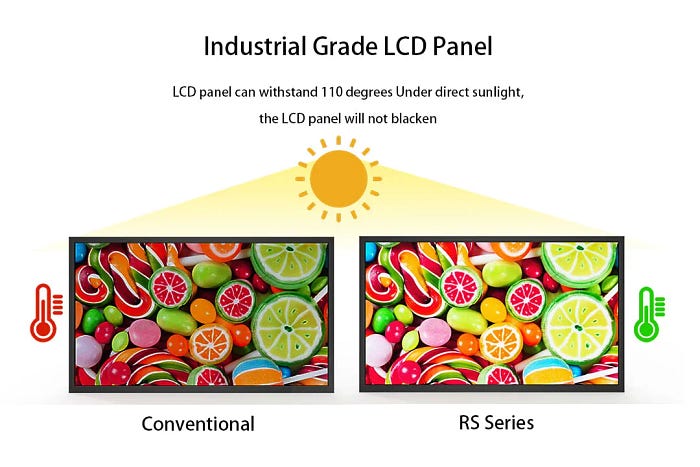
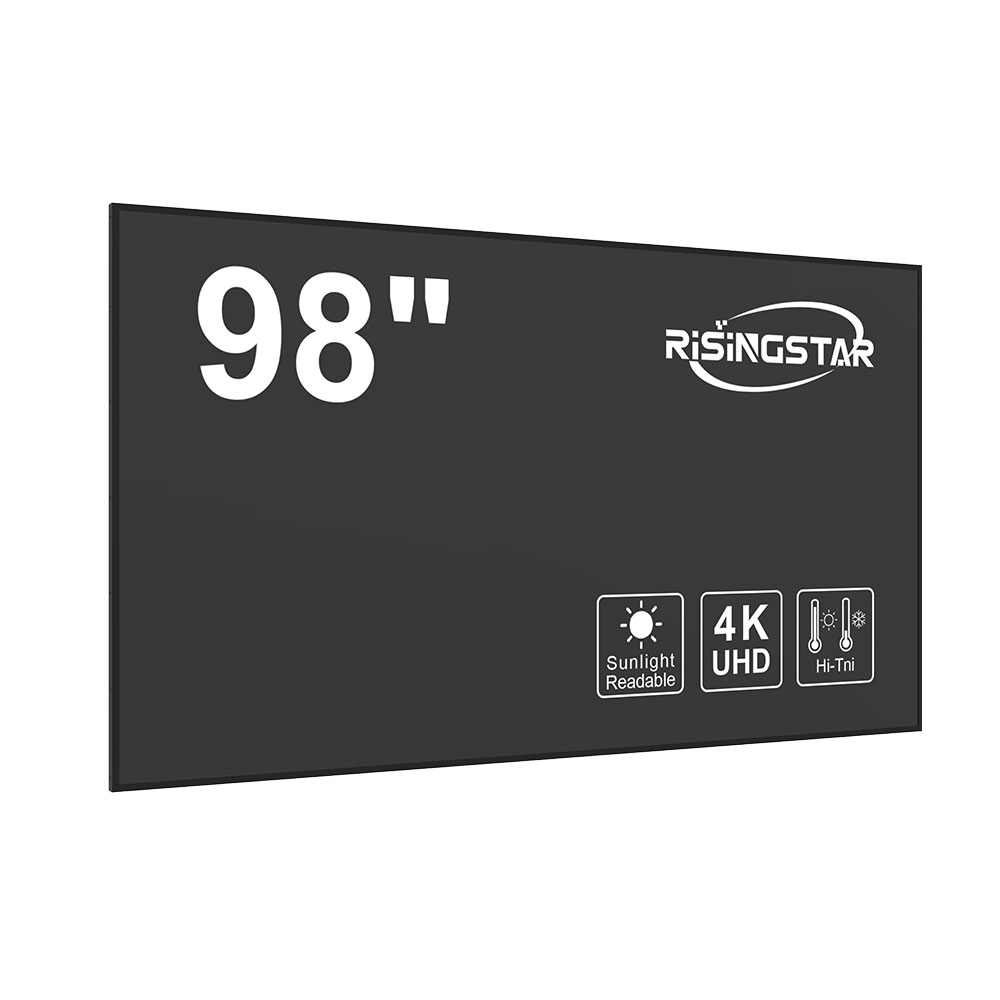
High-brightness sunlight-readable LCD screens have become essential in modern outdoor display technology, particularly in applications where visibility under direct sunlight is critical. These displays are engineered to maintain clarity and readability even in intense ambient lighting conditions—such as those found in military vehicles, industrial control panels, transportation systems (e.g., bus stop displays, train information boards), and public kiosks. Unlike standard LCDs that suffer from poor contrast and washed-out images in bright environments, high-brightness sunlight-readable displays employ specialized technologies such as enhanced backlighting, anti-reflective coatings, and advanced liquid crystal materials.
One of the most important innovations in this field is the use of active matrix organic light-emitting diode (AMOLED) and transflective liquid crystal display (TFT-LCD) technologies. Transflective LCDs combine reflective and transmissive modes: in low-light conditions, they utilize ambient light via a reflective layer; in bright sunlight, they switch to a high-intensity LED backlight. This dual-mode approach significantly improves energy efficiency while maintaining high contrast ratios—even in extreme environments like desert climates or polar regions.
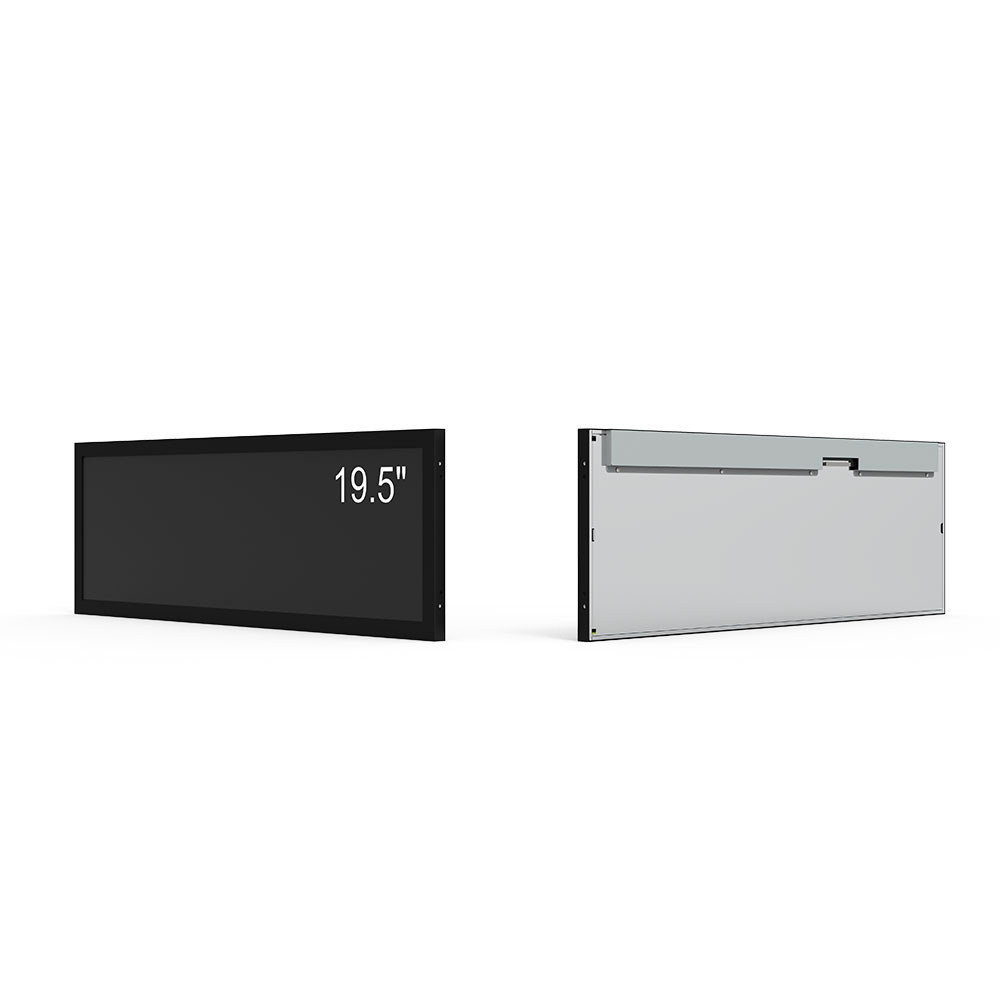
According to a 2023 report by MarketsandMarkets, the global market for high-brightness displays is projected to grow at a CAGR of 7.8% through 2028, driven largely by demand from defense, aerospace, and automotive sectors. In military applications, for example, the U.S. Department of Defense has mandated sunlight-readable displays for all new ground vehicle interfaces due to their reliability in combat zones. Similarly, companies like Panasonic, Sharp, and LG Display have developed commercial-grade panels with brightness levels exceeding 5,000 cd/m²—more than ten times the typical indoor LCD brightness of 300–500 cd/m².
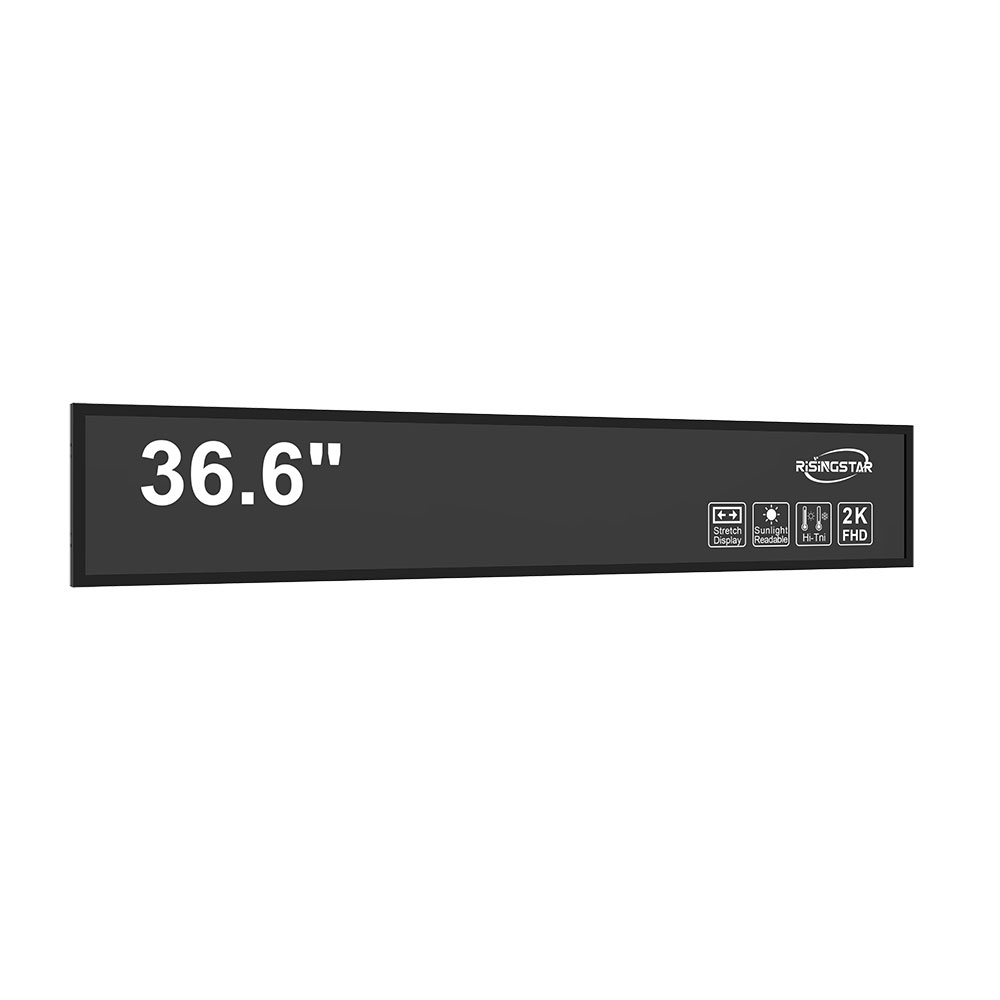
Key technical standards governing these displays include MIL-STD-810G for environmental resistance and ISO 9241-3 for human factors in display design. Manufacturers must also comply with IEC 60068 for temperature and humidity endurance testing. These certifications ensure that devices can operate reliably across a wide range of temperatures (-30°C to +70°C), vibration levels, and exposure to dust or water ingress (IP65 rating or higher).
Case studies further validate the effectiveness of these screens. For instance, in 2022, the city of Dubai deployed a network of high-brightness LCD kiosks for public transport navigation. Despite average daily solar irradiance exceeding 700 W/m², the screens remained fully readable without any maintenance issues over a 12-month period. Another notable case involved a mining company in Australia using ruggedized sunlight-readable displays in remote drilling equipment—resulting in a 40% reduction in operator errors during daylight shifts.
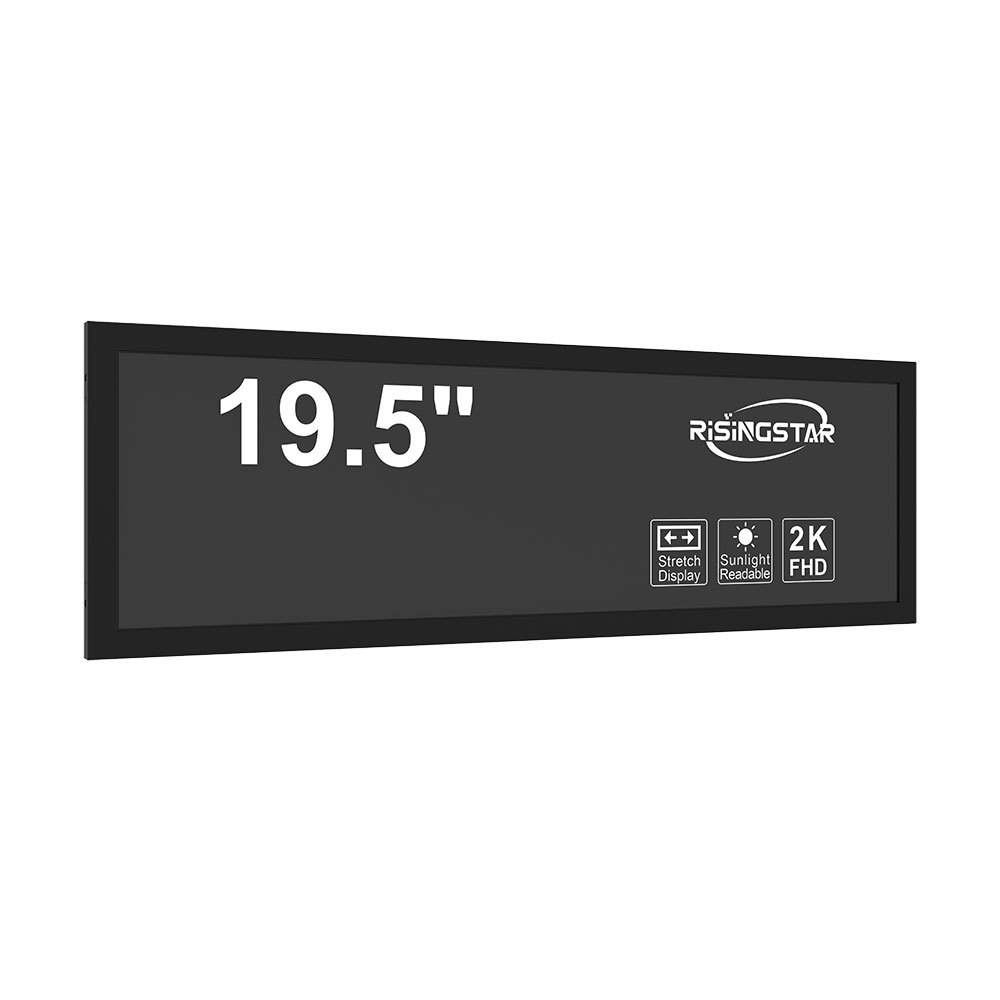
The future of high-brightness sunlight-readable LCDs lies in integrating smart features such as adaptive brightness control, touch sensitivity in gloves, and AI-powered contrast optimization. As renewable energy sources and portable power solutions improve, these displays are expected to become more sustainable while retaining performance. With ongoing R&D investments from leading semiconductor firms like Samsung Display and BOE Technology Group, the next generation of outdoor-ready LCDs will not only be brighter but also more durable, efficient, and user-friendly.