RisingStar
- Home
- About Us
- Products
- News
- Video
- Contact
- Send Inquiry
Search
- Home
- About Us
- Products
- News
- Video
- Contact
- Send Inquiry
RisingStar
High-brightness sunlight-readable LCD screens are essential components in modern industrial, military, and outdoor equipment design, particularly for applications where visibility under direct sunlight is critical. These displays are engineered to maintain clarity and contrast even under extreme lighting conditions—such as bright midday sun or harsh glare from reflective surfaces—where standard LCDs fail dramatically. For overseas equipment manufacturers and distributors, integrating high-brightness sunlight-readable LCDs into their products ensures superior user experience, operational reliability, and compliance with international standards like MIL-STD-810G and EN 60945.
The key technical differentiators of these screens lie in their peak brightness levels, which typically range from 3,000 to 10,000 nits—far exceeding the 200–500 nits of consumer-grade displays. This brightness is achieved through advanced backlighting technologies such as LED arrays with optimized diffusers, high-efficiency polarizers, and anti-reflective coatings that reduce glare by up to 90%. Additionally, these displays often feature wide viewing angles (up to 178°), high contrast ratios (1000:1 or higher), and ruggedized housings rated IP65 or better for dust and water resistance—critical for deployment in construction sites, marine environments, and defense vehicles.
Case studies from leading OEMs illustrate real-world benefits. For example, a European UAV manufacturer integrated a 5,000-nit sunlight-readable LCD into its ground control station, reducing pilot error during daytime operations by 40% compared to previous models. Similarly, a U.S.-based agricultural equipment distributor reported a 30% increase in field service efficiency after switching to 7,000-nit displays on tractors equipped with GPS navigation systems. These results align with data from the International Electrotechnical Commission (IEC) and the Society for Information Display (SID), which emphasize that display performance directly impacts operator productivity and safety in outdoor environments.
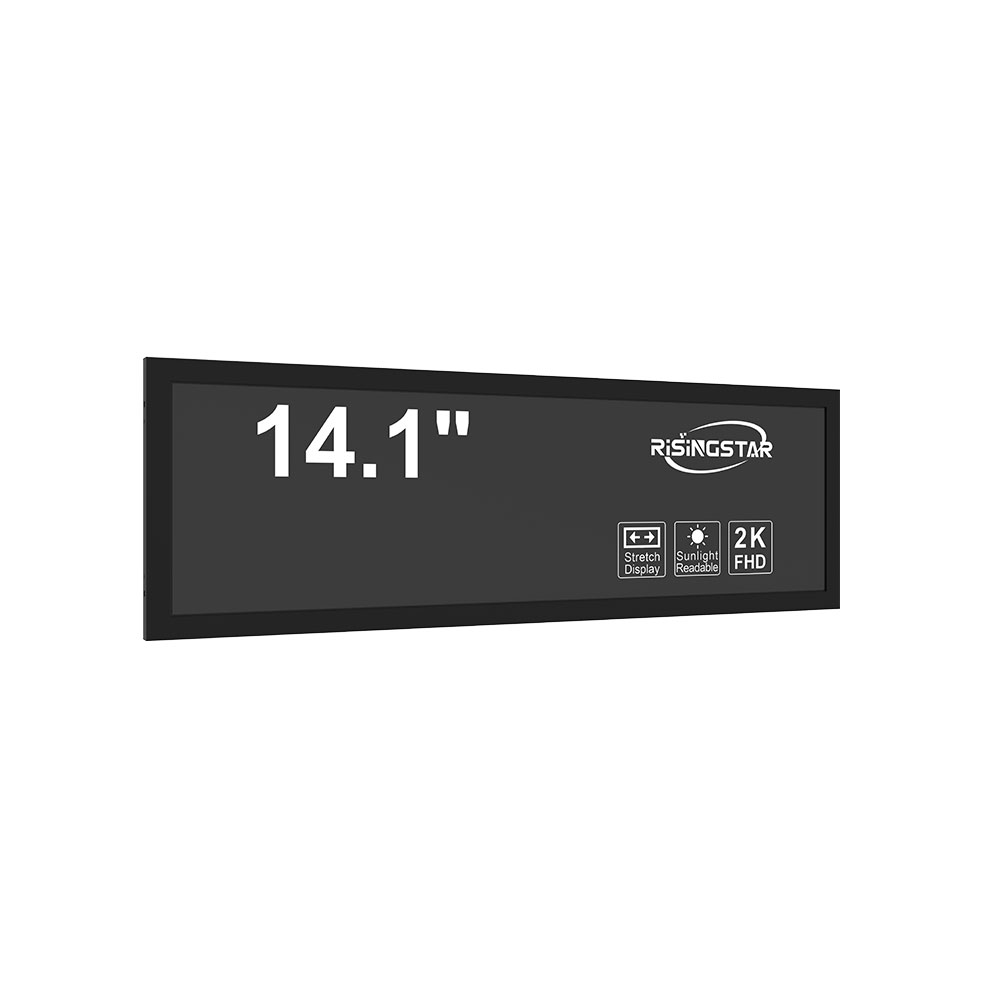
From a supply chain perspective, partnering with certified manufacturers—such as those adhering to ISO 9001 and IEC 60068 standards—ensures consistent quality, long-term availability, and technical support tailored to global distribution needs. Many suppliers now offer customization options including touch functionality (resistive or capacitive), multiple interface protocols (LVDS, MIPI, HDMI), and thermal management solutions for extreme temperatures (-30°C to +70°C).
For overseas equipment manufacturers and distributors, investing in high-brightness sunlight-readable LCDs is not just about screen specs—it’s about enhancing product competitiveness, reducing maintenance costs, and meeting the growing demand for robust, reliable visual interfaces in industries ranging from energy and transportation to healthcare and security.